
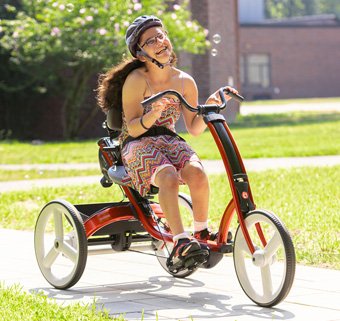
Have you ever wondered how cycling could be made easier and more enjoyable for everyone, no matter their abilities? Adaptive cycling might be the answer you’ve been looking for.
Imagine gaining more freedom, improving your health, and boosting your confidence all at once. You’ll discover the surprising benefits of adaptive cycling and how it can transform your life. Keep reading to find out why this activity is more than just riding a bike—it’s about unlocking new possibilities for you.

Credit: www.jewishfamilyservice.org
Enhanced Mobility
Adaptive cycling helps people move more easily. It offers a way to enjoy exercise and travel safely.
Many users find it improves their overall strength and balance. This benefit allows for better daily movement.
Access To New Environments
Adaptive bikes can go to places regular bikes cannot. This opens up new routes and areas to explore.
- Rough trails and parks become reachable
- Urban areas with curbs and ramps are easier to navigate
- Natural spots like beaches or fields can be visited
- Indoor cycling tracks are also accessible
Increased Independence
Riding an adaptive bike gives users a sense of freedom. They can travel without relying on others.
| Benefit | How It Helps |
| Self-Reliance | Users can move without help |
| Confidence | Feeling able to explore new places alone |
| Physical Health | Improves strength and endurance |
| Social Interaction | Enables meeting people during rides |
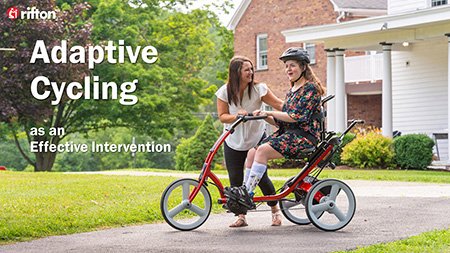
Credit: www.rifton.com
Physical Health Advantages
Adaptive cycling helps people with different abilities stay active. It improves many parts of the body.
This activity supports heart health, muscle strength, and body movement. These benefits help overall wellness.
Improved Cardiovascular Fitness
Adaptive cycling raises the heart rate safely. This helps the heart and lungs work better.
Regular cycling increases stamina and energy. It lowers the risk of heart disease and stroke.
- Strengthens heart muscles
- Improves blood circulation
- Increases lung capacity
- Boosts endurance over time
Strength And Flexibility Gains
Cycling builds muscle strength in legs, arms, and core. It supports better balance and posture.
Stretching during and after cycling improves joint flexibility. This reduces stiffness and risk of injury.
- Enhances muscle tone
- Supports joint health
- Improves range of motion
- Helps prevent muscle tightness
Mental Well-being Boost
Adaptive cycling offers many mental health benefits. It helps people feel calm and happy.
Riding an adaptive bike gives a sense of freedom and joy. It supports mental wellness in many ways.
Stress Reduction
Adaptive cycling helps lower stress levels. The gentle exercise and fresh air calm the mind.
- Releases tension in the body
- Encourages deep breathing
- Distracts from daily worries
- Boosts relaxation hormones
Enhanced Mood And Confidence
Riding an adaptive bike can improve mood and self-esteem. It gives a feeling of achievement.
| Benefit | Effect on Mental Health |
| Regular riding | Increases happiness and reduces anxiety |
| Mastering skills | Builds confidence and pride |
| Social rides | Boosts connection and reduces loneliness |
Social Connection
Adaptive cycling helps people connect with others in fun and healthy ways. It creates chances to meet new friends and enjoy time together outdoors.
Riding together builds trust and support. It makes social life stronger and more enjoyable for everyone involved.
Group Rides
Group rides bring cyclists of all abilities together. These rides offer a safe space to share the experience and encourage each other.
- Meet regularly at planned locations
- Ride at a pace comfortable for all
- Share tips and support during the ride
- Celebrate milestones and progress
Community Building Friendships
Adaptive cycling groups often become close-knit communities. Participants form lasting friendships through shared rides and events.
| Friendship Aspect | How Cycling Helps |
| Trust | Riding together builds mutual support. |
| Communication | Group rides encourage open talking. |
| Encouragement | Members cheer each other on. |
| Shared Goals | Working toward cycling milestones. |
Customizable Options
Adaptive cycling offers many ways to customize bikes. These options help riders enjoy cycling safely and comfortably.
Each rider has unique needs. Customizing adaptive cycles allows better support and control for everyone.
Types Of Adaptive Cycles
Adaptive cycles come in many styles. Each type suits different physical needs and preferences.
- Recumbent trikes: Provide a low seat and extra stability.
- Handcycles: Powered by hand, good for arm strength use.
- Tandem bikes: Allow a partner to help pedal and steer.
- Three-wheel bikes: Offer balance and easy mounting.
- Stationary adaptive cycles: Used indoors for exercise.
Tailoring To Individual Needs
Custom features make adaptive cycles fit the rider well. Proper fit improves safety and comfort.
| Feature | Benefit |
| Adjustable seat height | Fits riders of different sizes |
| Custom footrests | Supports foot position and comfort |
| Modified handlebars | Allows easier grip and control |
| Special harnesses | Provides extra support and stability |
| Assistive pedals | Helps riders with limited leg strength |
Overcoming Barriers
Adaptive cycling helps people face challenges that stop them from enjoying biking. It offers ways to join in and have fun.
This activity breaks down walls by giving tools and support for all abilities.
Addressing Physical Limitations
Adaptive bikes change to fit different body needs. They help people with balance or strength issues ride safely.
Using special seats, pedals, and handles makes cycling easier for many riders.
- Tricycles provide extra stability
- Hand cycles let users pedal with arms
- Adjustable frames fit many sizes
- Supportive seats reduce discomfort
Breaking Stereotypes
Adaptive cycling shows that anyone can enjoy biking. It changes how people think about disability and sports.
Riders prove they are strong and active, challenging old ideas about what they can do.
- Promotes inclusion in sports and recreation
- Encourages respect and understanding
- Highlights abilities over disabilities
- Inspires others to try new activities
Environmental Impact
Adaptive cycling offers many environmental benefits. It helps reduce pollution and conserves energy.
Using adaptive cycles can lower the number of cars on the road. This change can improve air quality.
Eco-friendly Transportation
Adaptive cycles use no fuel and produce no emissions. They are cleaner than cars and buses.
People can travel short distances easily without harming the environment. This helps reduce traffic and noise.
- Zero carbon emissions
- Less noise pollution
- Reduces traffic congestion
- Uses renewable human power
Promoting Sustainable Lifestyle
Adaptive cycling encourages people to choose healthy and green travel options. This supports a cleaner planet.
Using adaptive cycles can inspire others to adopt eco-friendly habits. It helps build a community that cares for nature.
- Encourages physical activity
- Reduces dependence on fossil fuels
- Supports local and green transport
- Raises awareness about sustainability
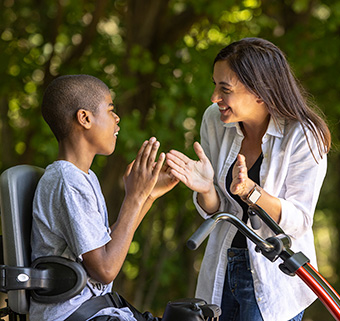
Credit: www.rifton.com
Frequently Asked Questions
What Is Adaptive Cycling And Who Benefits From It?
Adaptive cycling uses specially designed bikes for people with physical or cognitive challenges. It improves mobility, fitness, and independence for users of all ages and abilities. This inclusive activity promotes physical health and social interaction.
How Does Adaptive Cycling Improve Physical Health?
Adaptive cycling enhances cardiovascular fitness, muscle strength, and coordination. It provides low-impact exercise, reducing joint stress. Regular cycling helps manage weight and boosts overall physical well-being.
Can Adaptive Cycling Boost Mental Health And Confidence?
Yes, adaptive cycling reduces stress and anxiety while improving mood. It encourages social engagement and independence, which builds self-esteem and confidence. The activity promotes a positive mental outlook.
What Types Of Adaptive Cycles Are Available?
Adaptive cycles include handcycles, tricycles, tandem bikes, and recumbent bikes. Each type suits different needs, providing stability and comfort. These options ensure accessibility for various disabilities.
Conclusion
Adaptive cycling helps people enjoy exercise and stay active. It builds strength, improves balance, and boosts confidence. Riders feel happier and more independent. This activity connects people and creates new friendships. Everyone can find a way to join and have fun.
Adaptive cycling opens doors to health and joy. Give it a try and see the benefits yourself.



