

Have you ever wished for a bike that could carry everything you need, no matter the size or weight? Adaptive cargo bikes are designed just for that.
They make hauling groceries, kids, or heavy loads easier and more enjoyable. Whether you’re looking to simplify your daily errands or reduce your carbon footprint, understanding what adaptive cargo bikes are can change the way you move around your city.
Keep reading to discover how these bikes can fit perfectly into your life and why they might be the game-changer you’ve been searching for.
Adaptive Cargo Bikes Basics
Adaptive cargo bikes are specially designed bikes that carry people or goods. They help riders with different needs travel easily. These bikes have extra space and special features.
They are strong and stable for carrying heavy loads. Many people use them for family trips, deliveries, or transporting equipment. These bikes support different body types and abilities.
Key Features
Adaptive cargo bikes include special parts to make riding safe and easy. They often have wider frames and lower centers of gravity. This design keeps the bike steady even with heavy cargo.
- Extra-large cargo areas for carrying items or passengers
- Adjustable seats and handlebars for comfort
- Electric assist motors to help with pedaling
- Strong brakes for safe stopping
- Low step-through frames for easy mounting
Types Of Adaptive Cargo Bikes
There are several types of adaptive cargo bikes. Each type fits different needs and uses. Some focus on carrying children, others on heavy goods or special equipment.
| Type | Description | Common Use |
| Longtail Bikes | Extended rear rack for cargo or passengers | Family transport, deliveries |
| Box Bikes | Large front box for cargo or kids | Child transport, shopping |
| Tricycles | Three wheels for extra stability | Balance support, heavy loads |
| Electric Cargo Bikes | Electric motor assists pedaling | Long distances, heavy cargo |
Benefits For Urban Transport
Adaptive cargo bikes are special bikes made to carry heavy loads in cities. They help move goods easily and quickly.
These bikes offer many benefits for city transport. They help reduce pollution, save money, and manage space well.
Environmental Impact
Adaptive cargo bikes do not use fuel like cars or trucks. They run on human power or electric help. This means they produce no harmful gases.
Using these bikes lowers air pollution in cities. They also reduce noise and help keep the environment clean.
Cost Efficiency
Adaptive cargo bikes cost less than delivery vans or trucks. They need less fuel or no fuel at all. Maintenance costs are also lower.
These bikes help businesses save money on deliveries. They are a smart choice for short trips in busy areas.
Traffic And Space Management
Cargo bikes are smaller than trucks and vans. They can move easily through traffic and narrow streets. This reduces traffic jams.
They take less parking space and can stop close to delivery points. This frees up road space for other vehicles and pedestrians.
- Smaller size means less road space used
- Better access to crowded or narrow areas
- Less traffic congestion in busy city centers
Design Innovations
Adaptive cargo bikes are changing how people carry loads in cities. Their designs focus on flexibility and ease of use. These bikes help users transport goods efficiently.
Key innovations in these bikes include smart parts and strong support systems. They meet the needs of different riders and cargo types. This makes them very useful for urban transport.
Modular Components
Modular components allow users to change parts of the bike. This helps fit different cargo sizes and shapes. Riders can add or remove boxes, racks, or seats easily.
- Interchangeable cargo boxes
- Removable child seats
- Adjustable frame parts
- Quick-connect accessories
Electric Assistance
Electric motors help riders pedal with less effort. This makes it easier to carry heavy loads uphill or over long distances. Many bikes have smart controls to adjust power levels.
| Feature | Benefit |
| Pedal-assist motor | Reduces rider fatigue |
| Battery range | Supports longer trips |
| Power modes | Customizes assistance |
Load Capacity Enhancements
These bikes have stronger frames and better wheels. They carry more weight safely. The design also keeps the bike stable even when fully loaded.
- Reinforced steel or aluminum frames
- Heavy-duty tires for rough roads
- Low center of gravity for balance
- Wide cargo platforms or baskets
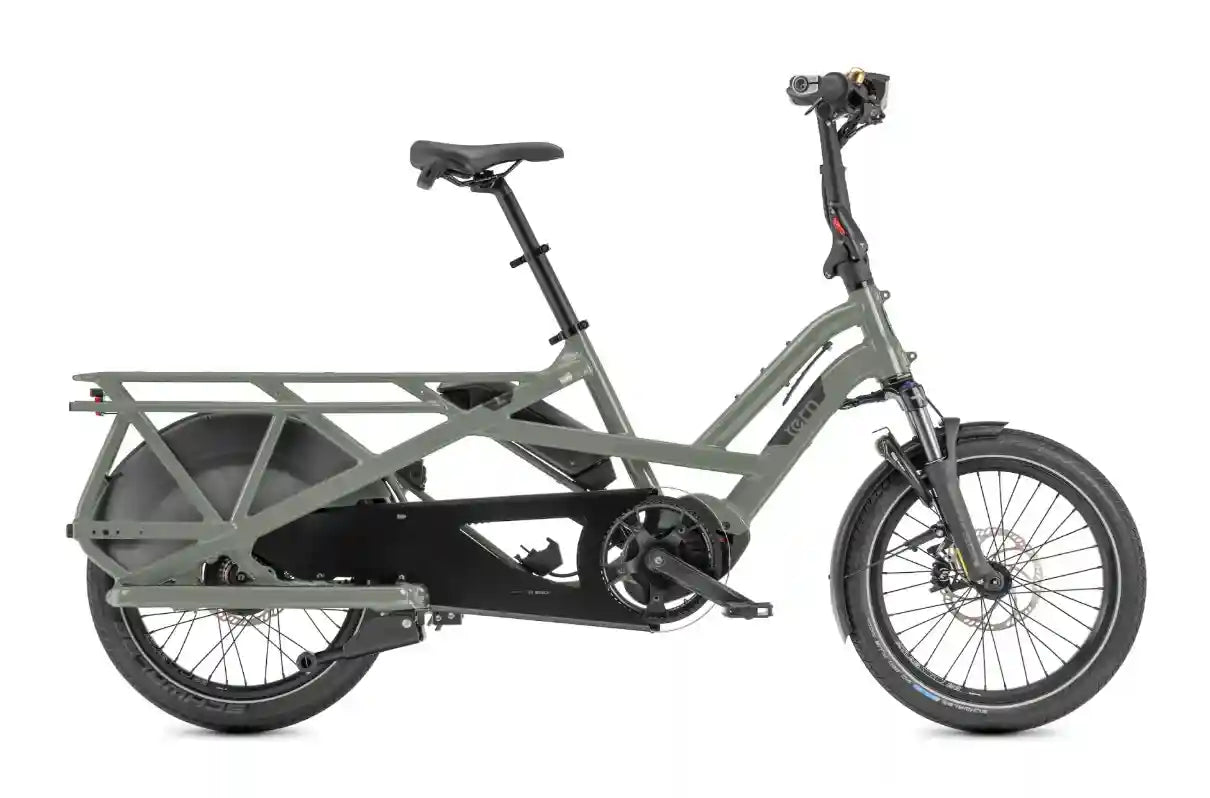
Credit: everybodyebikes.com.au
Use Cases In Cities
Adaptive cargo bikes are designed to carry heavy and bulky loads. They help people move goods easily in urban areas.
These bikes fit well in cities with narrow streets and traffic congestion. Many businesses and families find them useful.
Last-mile Deliveries
Adaptive cargo bikes are perfect for last-mile deliveries. They help deliver packages quickly in crowded city areas.
They can carry many parcels and avoid traffic jams. This makes delivery faster and more reliable.
- Deliver food and groceries
- Transport small packages
- Reduce delivery costs
- Access narrow streets and alleys
Personal And Family Use
Families use adaptive cargo bikes to carry children and shopping. These bikes have room for kids and bags.
They are great for trips to the park or grocery stores. The bikes offer a safe and fun way to travel together.
- Carry one or more children safely
- Transport groceries or school bags
- Reduce car use for short trips
- Enjoy fresh air while riding
Commercial Applications
Businesses use adaptive cargo bikes to move goods inside cities. They carry tools, products, and equipment easily.
These bikes help reduce delivery times and lower costs. They also cut pollution in busy urban areas.
- Transport tools for maintenance and repair
- Carry supplies for street vendors
- Support small businesses with deliveries
- Reduce parking and fuel expenses
Challenges And Solutions
Adaptive cargo bikes help carry heavy loads and large items. They face some challenges in everyday use. Solutions improve their performance and safety.
Understanding these challenges helps cities and riders use cargo bikes better. We look at infrastructure needs, safety, and weather adaptability.
Infrastructure Needs
Adaptive cargo bikes need space and paths that fit their size and weight. Narrow bike lanes or rough roads can be hard to ride on.
- Wider bike lanes to fit bigger bikes
- Smooth surfaces for easier riding
- Loading and unloading zones near shops and homes
- Secure bike parking with enough space
Safety Considerations
Safety is key for cargo bike riders and others on the road. The size and weight of these bikes need special care.
| Challenge | Solution |
| Visibility to other vehicles | Bright lights and reflective materials |
| Stability when loaded | Low center of gravity and strong frames |
| Braking power | High-quality brakes designed for heavy loads |
| Maneuvering in traffic | Training for riders and use of mirrors |
Weather Adaptability
Riders use cargo bikes in rain, wind, and sun. Bikes must handle different weather without risk.
- Waterproof covers for cargo areas
- Rust-resistant bike parts
- Good tire grip for wet or slippery roads
- Fenders to keep mud and water away

Credit: ferlafamilybikes.com
Future Trends
Adaptive cargo bikes are changing how people carry goods. They offer a flexible way to transport items in cities.
Looking ahead, new trends will shape their use and growth across the world.
Technological Advances
Technology is making cargo bikes stronger and easier to use. Electric motors help riders carry heavier loads with less effort.
- Improved battery life allows longer rides.
- Smart sensors can track cargo and bike condition.
- Modular designs let users change bike parts quickly.
- Lightweight materials reduce the bike’s weight.
Policy Support
Governments encourage cargo bike use to lower traffic and pollution. Many cities create rules to support these bikes.
| Policy | Effect |
| Subsidies for buyers | Lower purchase cost |
| Bike lane expansion | Safer riding space |
| Parking zones | Easy bike storage |
| Delivery regulations | Promote clean transport |
Community Adoption
Communities are using cargo bikes for many tasks. They help small businesses and families move goods efficiently.
Common uses include:
- Local deliveries
- School pickups
- Mobile shops
- Recycling collection

Credit: ferlafamilybikes.com
Frequently Asked Questions
What Are Adaptive Cargo Bikes Used For?
Adaptive cargo bikes are designed to carry heavy or bulky loads efficiently. They support various users, including those with physical disabilities, by offering customizable features and stability.
How Do Adaptive Cargo Bikes Differ From Regular Bikes?
Adaptive cargo bikes have wider frames, enhanced stability, and adjustable controls. They accommodate different user needs, unlike regular bikes focused on speed and agility.
Who Benefits Most From Adaptive Cargo Bikes?
People with mobility challenges, families, and small business owners benefit. These bikes offer easier transportation of goods and improved accessibility.
Are Adaptive Cargo Bikes Eco-friendly Transportation Options?
Yes, they reduce reliance on cars and lower carbon emissions. They promote sustainable urban mobility by replacing short car trips.
Conclusion
Adaptive cargo bikes offer flexible transport solutions. These bikes cater to diverse needs. They are practical for families, businesses, and city dwellers. With them, carrying goods or people becomes easy. Their eco-friendly design supports a sustainable future. Riders enjoy convenience and a unique cycling experience.
Adaptive cargo bikes blend functionality with innovation. They are a smart choice for today’s urban challenges. Embrace the change. Consider how these bikes fit into your lifestyle. Explore the benefits they bring. Whether for work or leisure, adaptive cargo bikes stand out.
They promise efficiency and versatility on every ride.



