
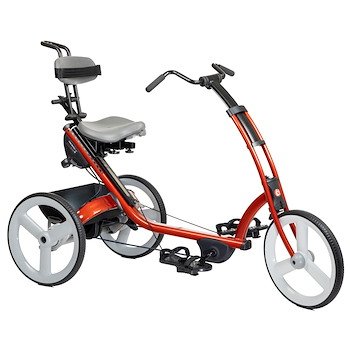
Have you ever wondered how hospitals help patients regain mobility in ways that feel natural and empowering? Adaptive trikes are a key part of this process.
These specially designed tricycles support movement, balance, and strength, making recovery smoother and more effective. If you want to understand how adaptive trikes work and why they’re becoming essential in healthcare, keep reading. This article will show you exactly how these innovative tools can make a difference for patients and caregivers alike.
Credit: www.spinlife.com
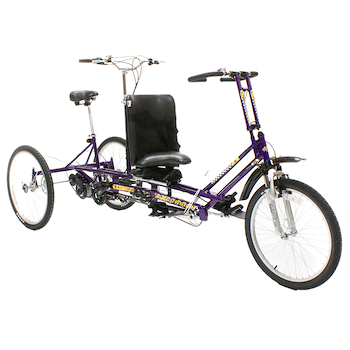
Types Of Adaptive Trikes In Hospitals
Adaptive trikes help patients with mobility and therapy needs in hospitals. They provide support for different ages and abilities.
Hospitals use special trikes designed to fit the needs of children, adults, and patients with unique mobility challenges.
Pediatric Adaptive Trikes
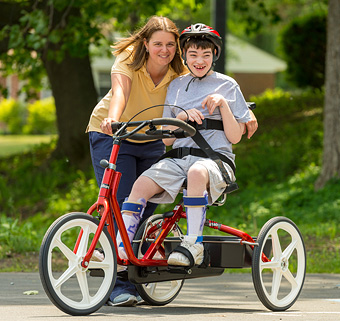
Pediatric adaptive trikes are made for children with physical or developmental challenges. They help improve balance and strength.
These trikes often include extra support like harnesses and adjustable seats. They make riding safe and comfortable for kids.
- Low seat height for easy mounting
- Safety belts and harnesses
- Adjustable pedals and handlebars
- Sturdy frame for stability
Adult Adaptive Trikes
Adult adaptive trikes support patients who need help with balance or muscle weakness. They are used for therapy and daily mobility.
These trikes have strong frames and comfortable seats. Some have electric assist to help with pedaling.
- Reinforced frames for heavier weight
- Comfortable, adjustable seating
- Hand or foot pedals options
- Optional electric motor assist
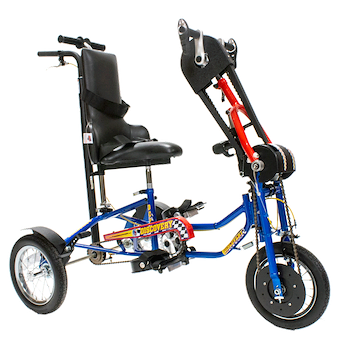
Specialized Mobility Trikes
Specialized mobility trikes meet unique patient needs. They help people with severe disabilities or limited movement.
These trikes can include features like tilt-in-space seats, custom controls, and extra support for posture.
- Tilt and recline seating systems
- Custom hand or foot controls
- Extra padding and supports
- Wheelchair-style accessibility
Credit: www.spinlife.com
Key Features Of Hospital Adaptive Trikes
Adaptive trikes help patients in hospitals move safely and easily. They are designed to fit different needs and abilities. These trikes support therapy and mobility goals.
Hospitals use special features to make these trikes comfortable and secure. Adjustable parts, safety tools, and control options improve patient experience.
Adjustable Seating And Support
Hospital adaptive trikes have seats that adjust to fit each patient. This helps keep patients comfortable and stable during use. Supportive cushions and backrests reduce pressure points.
Adjustable seating allows therapists to change positions for therapy needs. It also helps patients with different body sizes use the trike safely.
- Height and angle of the seat change easily
- Backrests provide firm support
- Straps and cushions keep patients in place
- Some seats tilt to improve comfort
Safety Mechanisms
Safety is very important for hospital adaptive trikes. These trikes have features to protect patients from falls and injuries. Brakes and stability controls help keep the trike steady.
Hospitals choose trikes with strong frames and non-slip wheels. Safety belts and handrails add extra security during movement.
- Easy-to-use brakes for quick stopping
- Stable frames to prevent tipping
- Safety belts to secure patients
- Non-slip pedals and wheels
Customizable Controls
Adaptive trikes in hospitals offer control options that fit each patient’s ability. Controls can be customized to help patients steer or pedal easily. This encourages independence and active therapy.
Some trikes have hand pedals or foot pedals. Others have electric assist to help patients with limited strength. Adjusting controls makes the trike usable for many patients.
- Hand or foot pedal options
- Electric assist for easier pedaling
- Adjustable resistance for exercise level
- Custom handles for better grip
Benefits For Patient Rehabilitation
Adaptive trikes help patients regain strength and movement after injuries or surgeries. They are designed to support different ability levels safely.
Hospitals use these trikes to assist therapy and encourage patients to stay active during recovery.
Improved Mobility And Strength
Using adaptive trikes lets patients exercise their legs and arms gently. This helps rebuild muscle strength and improves joint movement.
- Supports low-impact exercise for weak muscles
- Increases endurance over time
- Allows controlled movement for safety
Enhanced Balance And Coordination
Adaptive trikes improve patients’ ability to balance and coordinate body movements. This can lower the chance of falls during daily activities.
| Benefit | How It Helps |
| Balance | Strengthens core muscles and stability |
| Coordination | Encourages synchronized hand and foot movement |
| Posture | Promotes correct body alignment while seated |
Motivation Through Engaging Activity
Adaptive trikes make rehab sessions more fun and interesting. Patients stay motivated as they can see progress and enjoy riding.
- Provides a sense of independence
- Encourages regular exercise habits
- Offers a safe way to try new movements
Credit: www.rifton.com
Benefits For Healthcare Providers
Adaptive trikes help healthcare providers offer better care to patients. These trikes support therapy and improve patient mobility.
Hospitals use adaptive trikes to make therapy easier and safer. They help staff save time and reduce injuries.
Ease Of Use And Maintenance
Adaptive trikes are simple to operate. Staff can quickly learn how to use them with little training.
These trikes need low maintenance. Their parts are durable and easy to clean, saving time for hospital workers.
- Simple controls for easy handling
- Durable materials for long use
- Easy to clean and sanitize
- Quick repairs with common parts
Facilitated Therapy Sessions
Adaptive trikes help therapists guide patients during therapy. They support different body sizes and needs.
Therapists can adjust the trikes to improve patient comfort. This helps patients focus and get better results.
- Adjustable seats and pedals
- Support for patients with limited mobility
- Encourages active participation
- Helps track therapy progress
Reduced Risk Of Injury
Using adaptive trikes lowers the chance of injury for staff and patients. The design prevents falls and strain.
Trikes provide stable support during therapy. This keeps both patients and healthcare workers safe during sessions.
- Stable frames prevent tipping
- Easy to control and stop
- Reduces heavy lifting by staff
- Supports proper posture for patients
Choosing The Right Adaptive Trike
Adaptive trikes help patients with mobility and balance issues. They are useful in hospitals for therapy and movement.
Choosing the right trike improves patient comfort and safety. It also supports hospital goals for care and rehabilitation.
Assessing Patient Needs
Each patient has unique physical abilities and therapy goals. Look at their strength, balance, and coordination before choosing a trike.
Consider the patient’s age and size. Check if they need extra support or special seating.
- Patient’s mobility level
- Therapy goals
- Body size and weight
- Need for support or adjustments
Considering Hospital Environment
Hospital spaces can be tight or wide open. Choose a trike that fits well in hallways and therapy rooms.
Think about the floor type and ramps. The trike should be easy to use on hospital floors and safe for patients.
- Size of corridors and rooms
- Floor surfaces and slopes
- Storage space for the trike
- Ease of cleaning and maintenance
Budget And Funding Options
Adaptive trikes vary in price depending on features and size. Set a budget that meets hospital limits.
Look for funding options like grants or donations. Some programs help hospitals buy therapy equipment.
- Set a clear budget
- Check for funding programs
- Compare prices and features
- Consider long-term value and durability
Future Trends In Adaptive Trike Technology
Adaptive trikes are becoming more common in hospitals. They help patients with mobility issues move safely and comfortably.
New technology is shaping the future of these trikes. This makes them smarter, easier to use, and accessible to more people.
Integration With Smart Devices
Adaptive trikes now connect with smartphones and tablets. This helps patients and staff monitor health and control the trike.
- Track patient movement and exercise
- Adjust trike settings remotely
- Send alerts for maintenance or safety
- Use apps for training and support
Innovations In Design
Design improvements make adaptive trikes lighter and stronger. They also add comfort for long hospital use.
| Feature | Benefit |
| Foldable frame | Easy to store and transport |
| Adjustable seating | Fits different body sizes |
| Shock absorbers | Reduces bumps for smooth ride |
| Battery power assist | Helps users pedal with less effort |
Expanding Accessibility
Hospitals want adaptive trikes for all patients. New models focus on easy use and low cost.
Ways hospitals increase accessibility:
- Offering adjustable controls for different disabilities
- Designing trikes that fit narrow hospital hallways
- Providing training for staff and patients
- Including multi-language manuals and support
Frequently Asked Questions
What Types Of Adaptive Trikes Are Used In Hospitals?
Hospitals use pediatric adaptive trikes, adult therapy trikes, and specialized rehabilitation trikes. These trikes support mobility and therapy for patients with different needs. They promote physical activity and help improve balance, coordination, and muscle strength during recovery.
How Do Adaptive Trikes Benefit Hospital Patients?
Adaptive trikes aid in physical rehabilitation by encouraging movement and muscle use. They improve patient confidence, coordination, and endurance. These trikes also provide a safe way for patients to exercise and regain mobility after injuries or surgeries.
Who Typically Uses Adaptive Trikes In Hospitals?
Patients of all ages with mobility challenges use adaptive trikes. This includes children with developmental delays and adults undergoing physical therapy. Adaptive trikes accommodate varying abilities, making them essential for rehabilitation and improving independence.
Are Hospital Adaptive Trikes Adjustable For Different Patients?
Yes, most hospital adaptive trikes are adjustable. They feature customizable seats, pedals, and handlebars to fit different body sizes and needs. This adjustability ensures comfort and effective therapy for patients during their recovery process.
Conclusion
Adaptive trikes play a vital role in hospitals. They offer mobility and independence. Patients benefit from increased physical activity. These trikes improve strength and coordination. Therapists find them useful for rehabilitation. They also bring joy and motivation to patients. Hospitals use adaptive trikes for therapy sessions.
Safety is a top priority during use. Easy to ride and maintain, they suit many patients. Adaptive trikes enhance recovery and well-being. A simple tool with significant impact. Ideal for various patient needs. Their use continues to grow in healthcare settings.



