
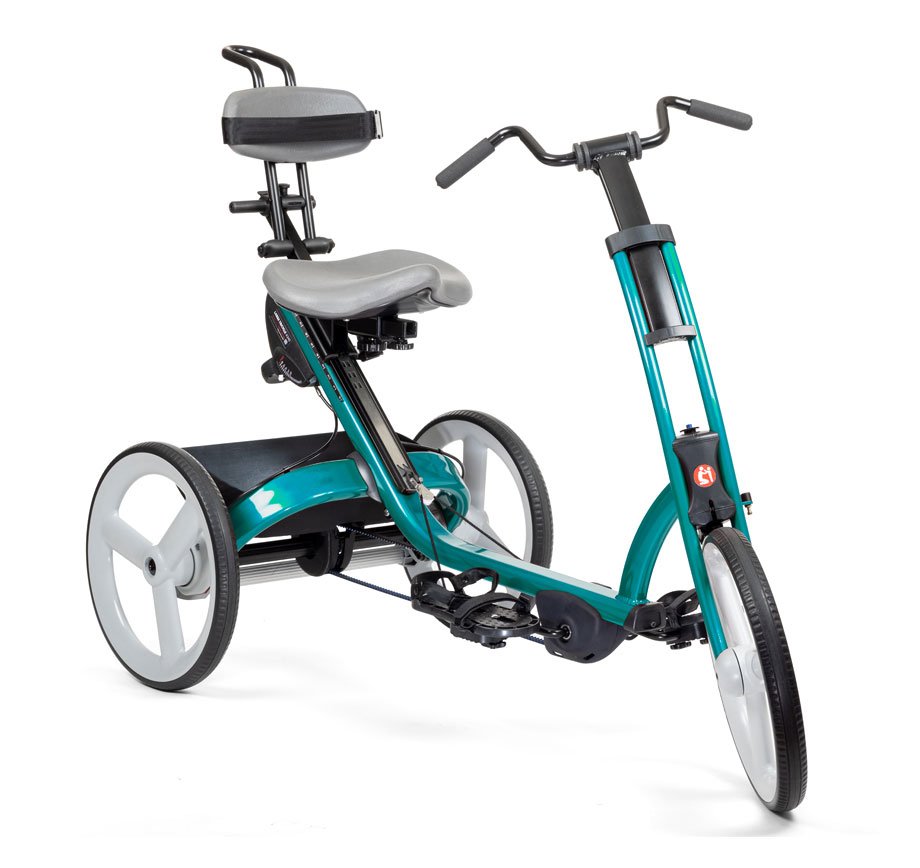
Are you ready to take your outdoor adventures to the next level? Adaptive trikes are designed just for you—offering freedom, comfort, and stability no matter where you ride.
Whether you’re exploring rugged trails or cruising through the park, these specially made trikes help you enjoy the outdoors like never before. You’ll discover exactly what makes adaptive trikes perfect for outdoor use and how they can transform your time outside.
Keep reading to find out how to choose the right one for your needs and start your next adventure with confidence!
Benefits Of Adaptive Trikes Outdoors
Adaptive trikes are designed for people who want to enjoy the outdoors. They offer a safe and stable way to ride outside. Many users find them easy to use on different paths and terrains.
Riding adaptive trikes outdoors gives many benefits. It helps improve health, independence, and the chance to connect with nature. These benefits make outdoor activities more fun and accessible.
Enhanced Mobility And Independence
Adaptive trikes help users move easily outdoors. They provide balance and support for people with limited mobility. This allows riders to explore parks, trails, and neighborhoods on their own.
- Stable design for safer riding
- Easy to steer and control
- Accessible for different skill levels
- Supports longer rides without fatigue
- Allows users to travel independently
Improved Physical Health
Using adaptive trikes outdoors helps the body stay active. Riding works muscles and improves cardiovascular health. It also supports better balance and coordination.
| Health Benefit | How Adaptive Trikes Help |
|---|---|
| Muscle Strength | Pedaling tones leg muscles |
| Heart Health | Increases heart rate safely |
| Joint Mobility | Low-impact movement reduces strain |
| Coordination | Steering improves motor skills |
Connection With Nature
Riding adaptive trikes outdoors helps riders enjoy fresh air and natural views. Being outside can improve mood and reduce stress. It also encourages a deeper appreciation for the environment.
Ways adaptive trikes support nature connection:
- Access to parks and trails
- Opportunity to see wildlife safely
- Experience different weather and seasons
- Time for quiet and reflection outdoors
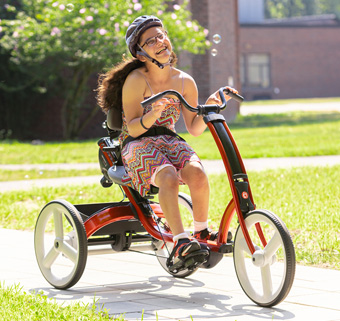
Credit: www.rifton.com
Design Features For Outdoor Use
Adaptive trikes designed for outdoor use have special features. These features help users enjoy nature safely and comfortably.
The design focuses on strong materials, good tires, and user safety. Each part supports rough terrain and long rides.
Durable Frame And Materials
Frames of outdoor adaptive trikes use tough metals like steel or aluminum. These metals resist rust and damage from weather.
Coatings protect the frame from scratches and water. The design also includes reinforced joints for extra strength.
All-terrain Tires
Outdoor adaptive trikes have special tires to handle many surfaces. These tires give good grip on dirt, gravel, and grass.
- Wide tires improve balance and stability
- Deep treads prevent slipping on wet ground
- Puncture-resistant materials reduce flat tires
- Air-filled or foam tires absorb shocks
Comfort And Safety Enhancements
| Feature | Purpose |
| Adjustable seats | Fit different body sizes comfortably |
| Seat belts and harnesses | Keep rider secure during rough rides |
| Reflectors and lights | Improve visibility in low light |
| Shock absorbers | Reduce impact from bumps |
| Easy-to-reach brakes | Allow quick stopping |
Types Of Adaptive Trikes
Adaptive trikes help people enjoy outdoor riding safely. They come in different styles. Each type suits various needs and preferences.
Choosing the right trike depends on comfort, control, and the type of terrain you want to ride on. Here are the main types of adaptive trikes made for outdoor use.
Recumbent Trikes
Recumbent trikes have a low seat and a reclined riding position. This design reduces strain on the back and neck. It offers good stability and comfort for long rides.
These trikes are great for riders who prefer a relaxed posture. The pedals are in front, and the rider’s weight is spread over a larger area. This makes them ideal for people with balance or joint issues.
Upright Trikes
Upright trikes have a higher seat position like a traditional bike. They offer better visibility and easier mounting. These trikes are usually lighter and easier to pedal.
- Good for riders who want a classic bike feel
- Better for rough or uneven terrain
- Easier to steer and control at slow speeds
Electric-powered Models
Electric-powered adaptive trikes include a motor to assist pedaling. This helps riders travel longer distances with less effort. They are perfect for those with limited strength or endurance.
| Feature | Benefit |
|---|---|
| Motor Assistance | Reduces pedaling effort |
| Rechargeable Battery | Provides hours of riding time |
| Multiple Speed Settings | Adjust power based on terrain |
| Easy Controls | Simple to use for all skill levels |

Credit: www.rifton.com
Choosing The Right Adaptive Trike
Adaptive trikes help people enjoy the outdoors safely and comfortably. Picking the right trike means thinking about where it will be used and who will ride it.
Consider different factors to find a trike that fits your needs. This guide will cover important points to help you decide.
Assessing Terrain Needs
Different outdoor areas require different trike features. Some trikes work best on smooth paths, while others handle rough or uneven ground.
- Flat pavement or sidewalks need basic tires and suspension.
- Gravel or dirt trails require stronger frames and wider tires.
- Hilly areas need good brakes and gears for climbing.
- Wet or muddy places call for tires with deep treads.
Considering User Abilities
Think about the rider’s strength, balance, and coordination. Different trikes suit different levels of ability and comfort.
| Ability Level | Recommended Features |
| Beginner | Stable frame, easy steering, low seat |
| Moderate | Adjustable handlebars, multiple gears, comfortable seat |
| Advanced | Lightweight frame, high-performance tires, quick release parts |
Budget And Accessibility
Adaptive trikes come in many price ranges. Set a budget before shopping and check if the trike meets your financial and access needs.
Consider these points for budget and accessibility:
- Compare prices from different sellers.
- Look for local dealers with service options.
- Check if the trike fits in your vehicle or storage space.
- Think about maintenance and repair costs.
Maintenance Tips For Outdoor Use
Adaptive trikes used outdoors face dirt, weather, and wear. Keeping them well-maintained helps them last longer.
Regular checks and care keep the trike safe and comfortable for riding.
Regular Cleaning And Inspection
Clean your adaptive trike after every outdoor use. Remove mud, dust, and leaves from the frame and moving parts. Check for loose bolts or damaged parts.
- Use a soft brush to remove dirt
- Wipe the frame with a damp cloth
- Dry the trike completely to avoid rust
- Inspect brakes and cables for wear
- Tighten any loose screws or nuts
Tire Care And Replacement
Check tire pressure before each ride. Proper inflation helps with control and comfort. Inspect tires for cuts or worn tread. Replace tires that have cracks or are bald.
| Task | Frequency | Notes |
| Check tire pressure | Before each ride | Use a reliable gauge |
| Inspect tire tread | Weekly | Look for cracks or bald spots |
| Replace tires | As needed | Replace at first signs of damage |
Storage Recommendations
Store your adaptive trike in a dry, shaded place. Avoid direct sunlight and rain to protect the frame and seat. Use a cover if storing outside.
Tips for storing your adaptive trike:
- Keep the tires off the ground if possible
- Store indoors during winter or long breaks
- Apply lubricant to chains before storage
- Check for moisture and dry if needed
Popular Outdoor Activities With Adaptive Trikes
Adaptive trikes are built for outdoor fun and adventure. They help people enjoy nature and stay active.
These trikes work well on many paths and surfaces. They offer stability and comfort for riders of all abilities.
Trail Riding
Trail riding on adaptive trikes lets riders explore forests and parks. The three wheels provide balance on rough paths.
Many trails have gentle slopes that adaptive trikes handle easily. Riders can enjoy fresh air and nature views.
- Gravel and dirt trails
- Flat or slightly hilly terrain
- Wide paths for easy navigation
Beach And Park Exploration
Adaptive trikes are great for riding on firm sand and paved park paths. They allow access to open spaces and water views.
Riders can enjoy the sun and fresh air while moving comfortably. These trikes handle small obstacles like rocks or roots well.
- Firm sandy beaches
- Paved and gravel park trails
- Picnic and resting areas
Community Events And Races
Many communities host special events for adaptive trike riders. These races and rides promote fitness and socializing.
Events often take place on safe, flat routes. Riders of all skill levels can join and enjoy the challenge.
- Group rides
- Charity races
- Adaptive sports festivals
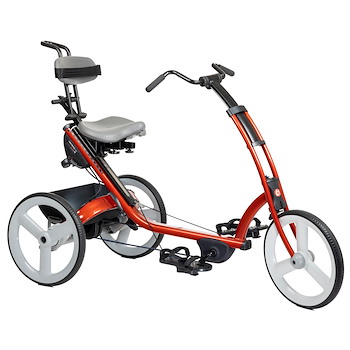
Credit: www.spinlife.com
Frequently Asked Questions
What Features Make Adaptive Trikes Suitable For Outdoors?
Adaptive trikes for outdoor use have sturdy frames, wide tires, and weather-resistant materials. They offer stability and comfort on uneven terrain. Their design supports various mobility needs, ensuring safe, enjoyable rides in parks, trails, or urban environments.
How Do Adaptive Trikes Improve Outdoor Mobility?
Adaptive trikes provide balance and support for users with physical challenges. Their three-wheel design offers greater stability than bikes. This allows users to explore outdoor spaces safely and independently, enhancing freedom and physical activity.
Are Adaptive Trikes Easy To Maneuver On Trails?
Yes, adaptive trikes designed for outdoor use have responsive steering and durable tires. These features help navigate rough or narrow trails smoothly. They provide confidence and control, making outdoor adventures accessible for all ability levels.
What Materials Ensure Durability In Outdoor Adaptive Trikes?
Outdoor adaptive trikes use lightweight aluminum or steel frames with rust-resistant coatings. Tires are often puncture-resistant and designed for traction on diverse surfaces. These materials increase longevity and reliability under various weather conditions.
Conclusion
Adaptive trikes offer great fun and freedom outdoors. They provide stability and comfort on rough paths. Riders enjoy fresh air and nature easily. These trikes suit different skill levels and needs. Choosing the right model ensures better outdoor adventures. Exploring parks or trails becomes safe and enjoyable.
Adaptive trikes help people stay active and healthy. They open new ways to enjoy the outdoors. A simple ride can boost mood and energy. Outdoor use makes adaptive trikes a smart choice.



