
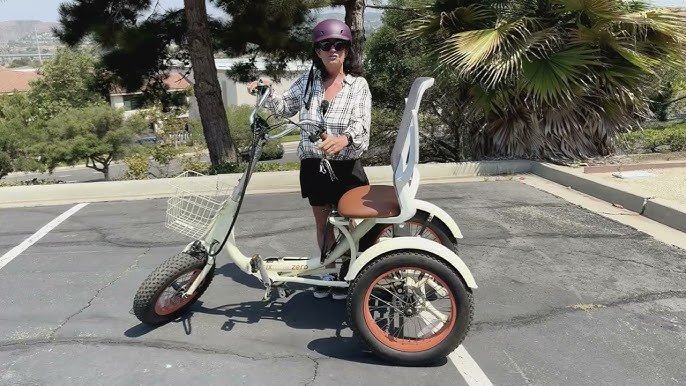
If arthritis makes it hard for you to enjoy biking, adaptive trikes could be the solution you’ve been looking for. These specially designed tricycles are built to support your joints and reduce pain, so you can stay active and regain your freedom.
Imagine feeling the breeze on your face without worrying about discomfort or balance. You’ll discover how adaptive trikes are made just for people like you, helping you move with ease and confidence. Keep reading to find out which features matter most and how to choose the right trike that fits your needs perfectly.
Adaptive Trikes And Arthritis
Adaptive trikes are special three-wheeled bikes made for people with arthritis. They help with movement and provide support.
These trikes are designed to reduce strain on joints. They allow arthritis patients to stay active safely.
How Arthritis Affects Mobility
Arthritis causes pain and stiffness in joints. This makes walking and other movements hard.
Swollen joints reduce flexibility. People with arthritis may lose balance and get tired faster.
- Joint pain limits daily activities
- Stiffness reduces range of motion
- Swelling causes discomfort and weakness
- Balance issues increase fall risk
Benefits Of Adaptive Trikes For Joint Health
Adaptive trikes support joints and reduce pressure during movement. They help maintain joint flexibility.
Trikes promote gentle exercise, which improves blood flow. This can ease arthritis symptoms and boost overall health.
- Low-impact exercise protects joints
- Stable design improves balance
- Adjustable seats reduce joint stress
- Encourages regular physical activity
Key Features For Comfort
Adaptive trikes help arthritis patients move more easily. They focus on comfort and support.
These trikes have special features to reduce pain and strain while riding.
Ergonomic Seating Designs
Seats in adaptive trikes are made to fit the body well. They reduce pressure points that cause pain.
Many seats have soft padding and breathable materials. This keeps riders cool and comfortable.
- Wide seats for better weight distribution
- Contoured shapes that support the back and hips
- Breathable fabrics to prevent sweating
- Soft cushions that reduce pressure on joints
Adjustable Support Components
Adaptive trikes offer parts you can change to fit your body. This helps reduce joint stress.
Adjustable parts include backrests, armrests, and footrests. These can be moved to suit your needs.
- Backrests that tilt for better posture
- Armrests that adjust in height and angle
- Footrests with adjustable length and position
- Handlebars that can be moved closer or farther
Shock Absorption And Suspension
Shock absorption helps smooth out bumps on the road. This lowers joint pain while riding.
Suspension systems reduce vibrations and impacts. They make rides gentler and easier on the body.
- Front and rear suspension to absorb shocks
- Soft tires that cushion rough surfaces
- Frames designed to flex slightly for comfort
- Shock absorbers that reduce joint stress
Supportive Technologies
Adaptive trikes help arthritis patients enjoy cycling with less pain. They include special features that support their unique needs.
These technologies focus on comfort, ease, and control. They make riding safer and more enjoyable.
Ease Of Mounting And Dismounting
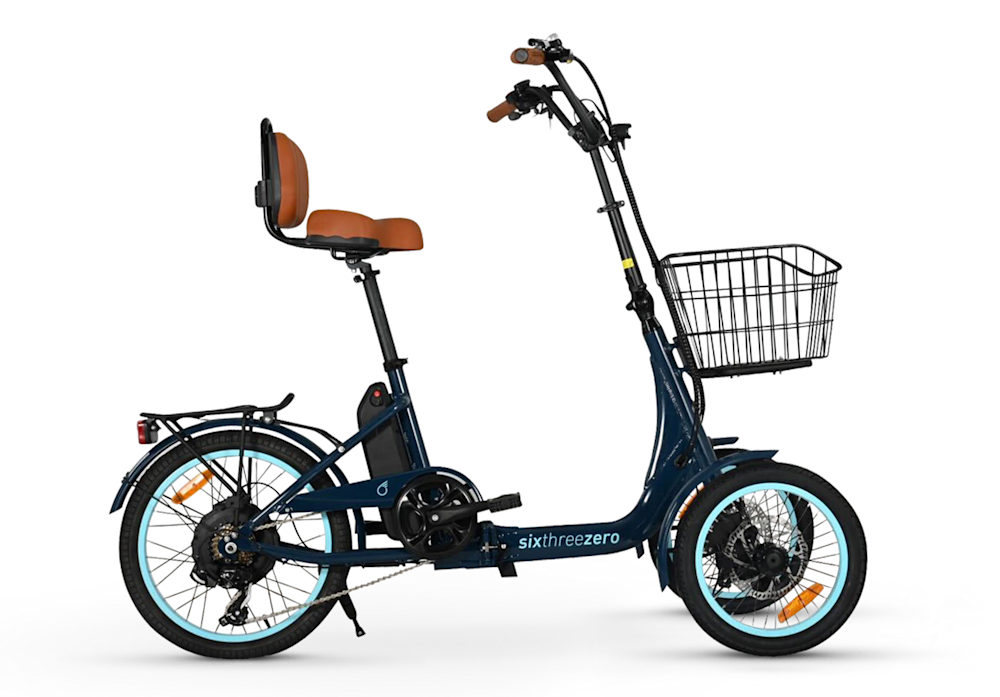
Adaptive trikes have low steps or open frames to help riders get on and off easily. This reduces strain on joints and muscles.
- Low step-through frames for easy access
- Stable seats with armrests for support
- Wide platforms to keep feet steady
- Handles placed for balance during mounting
Assistive Pedaling Systems
Some adaptive trikes include assistive pedaling. This helps riders pedal with less effort and pain.
| Pedaling Type | Benefit |
| Electric Assist | Reduces force needed to pedal |
| Coasting Mechanism | Allows pedaling to stop without stopping the trike |
| Adjustable Resistance | Lets riders set comfortable pedaling effort |
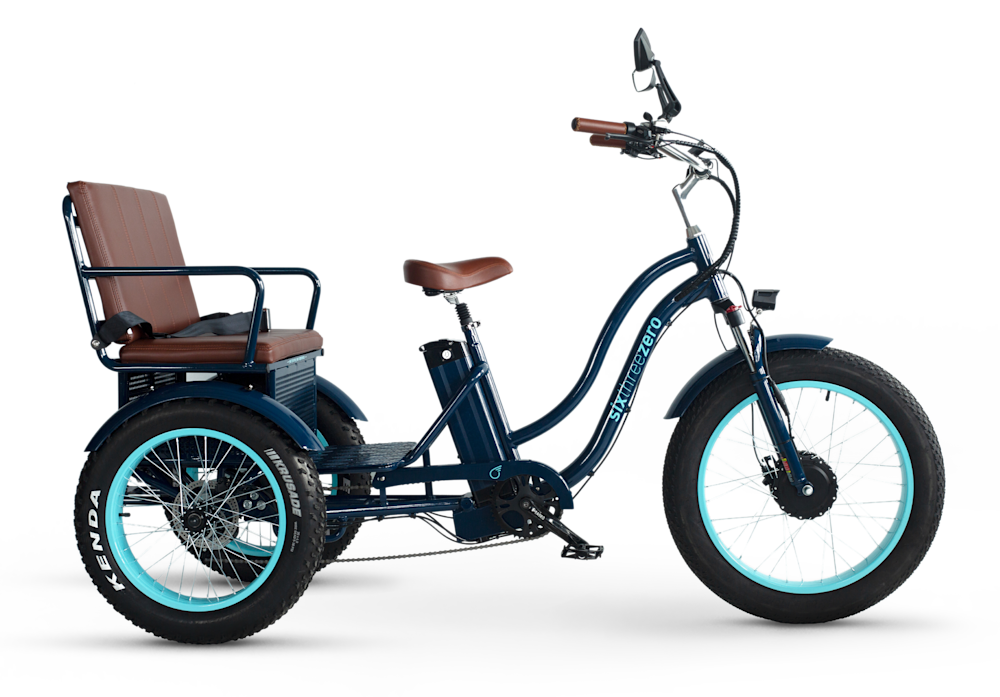
Customizable Handlebars And Controls
Handlebars and controls can be adjusted to fit each rider’s strength and reach. This helps reduce joint pain.
- Ergonomic grips to reduce hand strain
- Brake levers that require less force
- Shift controls placed within easy reach
- Height and angle adjustments for comfort
Credit: www.sixthreezero.com
Choosing The Right Trike
Adaptive trikes help arthritis patients stay active and enjoy outdoor rides. Picking the right trike is important for comfort and safety.
Consider your specific needs and how the trike fits your lifestyle before making a choice.
Assessing Individual Needs
Think about your arthritis symptoms and physical abilities. Choose a trike that supports your joints and reduces strain.
Look for features like adjustable seats, easy step-through frames, and supportive backrests. These help with comfort and stability.
Material And Build Quality
Strong and lightweight materials make riding easier. Aluminum and steel are common choices for durability and strength.
Check the quality of tires, brakes, and gears. Reliable parts improve safety and reduce maintenance needs.
- Aluminum: light and rust-resistant
- Steel: strong but heavier
- Good brakes: important for control
- Quality tires: provide smooth rides
Portability And Storage Options
Consider how you will transport and store the trike. Some models fold or disassemble for easy carrying.
Smaller trikes fit better in cars and tight spaces. This helps if you travel or have limited storage at home.
- Folding frames save space
- Removable parts ease transport
- Check weight for lifting ability
- Look for compact storage designs
Maintenance And Care Tips
Adaptive trikes help arthritis patients move comfortably and safely. Proper care keeps the trike working well. It also makes riding safer.
Follow simple maintenance steps to avoid problems. Regular checks and cleaning extend the life of your trike.
Routine Checks For Safety
Check your adaptive trike before every ride. Look for loose parts or worn-out areas. Fixing small issues early can prevent accidents.
- Inspect tires for proper air pressure and damage
- Test brakes to ensure they stop smoothly
- Check that all nuts and bolts are tight
- Make sure the seat and handles are secure
- Look for cracks or wear on the frame
Cleaning And Upkeep
Keep your trike clean to prevent rust and dirt buildup. Clean parts last longer and work better.
| Part | Cleaning Tip |
|---|---|
| Frame | Wipe with a damp cloth and mild soap |
| Tires | Remove dirt and check for sharp objects |
| Chain and Gears | Use lubricant after cleaning to reduce wear |
| Brakes | Clean pads and rims to ensure good grip |
| Seat and Handles | Wipe with a cloth and check for damage |
When To Seek Professional Servicing
Some problems need expert help. Visit a professional if you notice unusual noises or difficulty in riding.
- Persistent brake issues
- Loose or bent frame parts
- Worn or damaged gears and chains
- Unstable steering or wheel alignment
- Suspension problems affecting comfort
Credit: www.sixthreezero.com
User Experiences
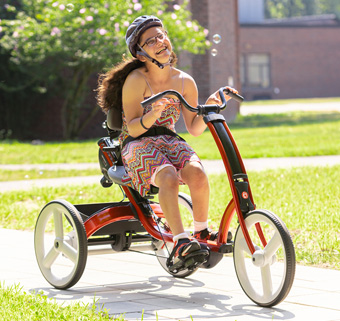
Adaptive trikes help arthritis patients stay active and enjoy outdoor activities. Many users share how these trikes improve their daily life.
The design supports joints and reduces pain. It allows users to ride without putting pressure on sensitive areas.
Success Stories
Many arthritis patients found relief using adaptive trikes. They report less joint pain and better mobility after regular use.
One user said riding the trike gave them a new sense of freedom. They could enjoy long rides without discomfort.
- Improved joint movement
- Less stiffness after rides
- Increased confidence in physical activity
- Better mental health from outdoor exercise
Common Challenges And Solutions
Some users face challenges when using adaptive trikes. These include adjusting to balance and finding the right fit.
Solutions often involve customizing seat height and pedal position. Practice helps users feel more comfortable and confident.
- Challenge: Difficulty balancing
Solution: Use models with wider rear wheels - Challenge: Discomfort during rides
Solution: Add extra padding to the seat - Challenge: Hard to pedal
Solution: Choose trikes with adjustable gears - Challenge: Getting on and off
Solution: Use low-step frame designs
Credit: www.rifton.com
Frequently Asked Questions
What Are Adaptive Trikes For Arthritis Patients?
Adaptive trikes are specially designed three-wheeled bikes. They offer extra stability and comfort for arthritis sufferers. These trikes reduce joint strain and support safe, pain-free cycling.
How Do Adaptive Trikes Help Arthritis Pain?
Adaptive trikes minimize joint impact by providing smooth, stable rides. They improve mobility and encourage low-impact exercise. This helps reduce arthritis pain and stiffness effectively.
Which Features Are Important In Arthritis Adaptive Trikes?
Key features include adjustable seats, easy step-through frames, and ergonomic handlebars. These elements ensure comfort, accessibility, and proper posture. They make riding easier for arthritis patients.
Can Arthritis Patients Ride Adaptive Trikes Safely?
Yes, adaptive trikes are safer due to three-wheel balance and secure seating. They lower fall risks and enhance confidence. Arthritis patients can enjoy cycling with better stability.
Conclusion
Adaptive trikes offer great benefits for arthritis patients. They provide a gentle way to stay active. These trikes are designed for comfort and ease of use. Riders can enjoy improved mobility and independence. The simple design reduces stress on joints.
This makes cycling enjoyable again. With adaptive trikes, arthritis patients can experience outdoor joy. They offer a fun way to exercise safely. Staying active is important for health and well-being. Adaptive trikes make it possible. Riding brings freedom and happiness back into life.
A wonderful option for those with arthritis. Enjoy the ride!



