

Finding the right bike for someone with cerebral palsy can feel overwhelming. You want a bike that offers support, comfort, and freedom to move safely.
Adaptive bikes are designed just for that—they help you or your loved one enjoy riding without worry. But with so many options out there, how do you know which one is best? This guide breaks down the top adaptive bikes recommended for cerebral palsy, so you can make a confident choice and bring more joy and independence to your rides.
Keep reading to discover the perfect fit for your needs.
Credit: viribusbikes.com
Benefits Of Adaptive Bikes For Cerebral Palsy
Adaptive bikes are specially designed for people with cerebral palsy. These bikes help users enjoy riding safely and comfortably.
They provide many benefits that support physical health and emotional well-being.
Improved Mobility And Independence
Adaptive bikes help people with cerebral palsy move around more easily. They support balance and coordination during riding.
Using these bikes can increase independence by allowing users to travel short distances on their own.
Physical Therapy Advantages
Riding adaptive bikes helps improve muscle strength and joint flexibility. This is important for physical therapy goals.
The activity promotes better posture and cardiovascular health while being fun and engaging.
- Builds leg muscles
- Improves balance
- Increases endurance
- Supports joint movement
Social And Emotional Impact
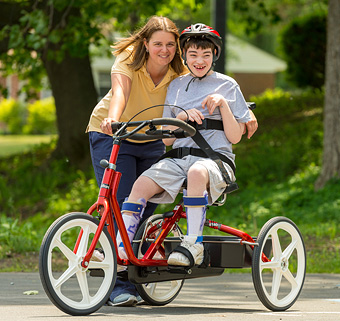
Adaptive bikes encourage social interaction by allowing users to join group rides or outdoor activities.
Riding boosts confidence and gives a sense of freedom, which helps emotional health.
Credit: www.rifton.com
Key Features To Look For
Adaptive bikes help children with cerebral palsy enjoy riding safely. Choosing the right bike means looking at special features. These features support comfort and control.
Each feature plays a role in making the bike easy and safe to use. Focus on stability, adjustability, safety, and ease of use.
Stability And Support
Stability is key for riders with balance challenges. Look for bikes with wide bases and sturdy frames. Extra support like backrests and harnesses helps keep the rider secure.
Adjustable Components
Adjustable parts let the bike grow with the child. Seats, handlebars, and pedals should change size and position. This helps keep the rider comfortable and properly aligned.
- Adjustable seat height and depth
- Handlebar angle and height adjustments
- Pedal position and strap options
- Removable or adjustable armrests
Safety Enhancements
| Feature | Purpose |
| Five-point harness | Keeps rider firmly in place |
| Anti-tip wheels | Prevents bike from tipping backward |
| Reflectors and lights | Increases visibility in low light |
| Hand brakes | Easy control for stopping |
Ease Of Use
The bike should be easy to get on and off. Simple controls and lightweight parts help caregivers and riders. Look for quick-release mechanisms and easy steering options.
Types Of Adaptive Bikes
Adaptive bikes help people with cerebral palsy enjoy cycling safely. These bikes come in different styles to fit various needs and abilities.
Choosing the right type depends on balance, strength, and comfort. Here are some common types used for cerebral palsy.
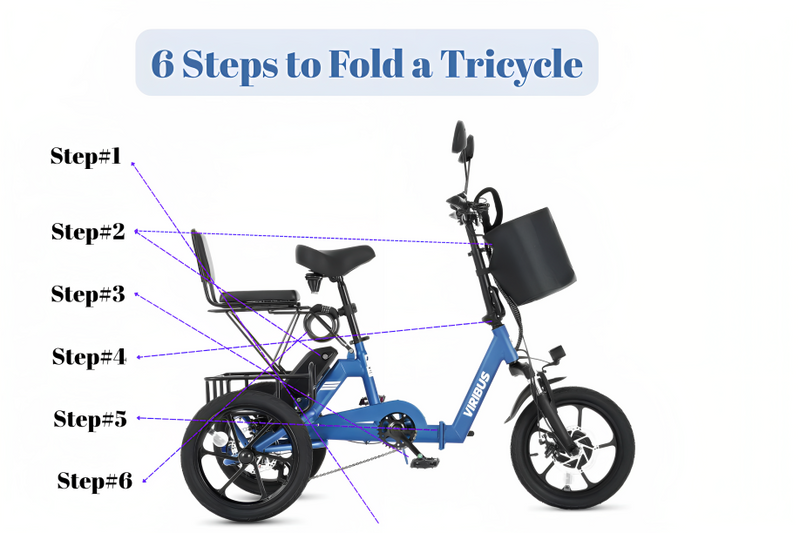
Tricycles
Tricycles have three wheels for extra stability. They are great for those who find it hard to balance on two wheels.
These bikes often have wide seats and easy-to-use pedals. They help riders build confidence and enjoy longer rides.
Tandem Bikes
Tandem bikes let two people ride together. One person pedals while the other can assist or enjoy the ride.
They help those with cerebral palsy who need extra support or supervision during cycling.
Recumbent Bikes
Recumbent bikes have a reclined seat and pedals in front. This design reduces strain on the back and joints.
They provide good support and comfort, making cycling easier for those with muscle weakness.
Handcycles
Handcycles use hand pedals instead of foot pedals. They are ideal for riders with limited leg movement.
These bikes strengthen the upper body and improve cardiovascular health while offering independence.
Credit: www.rifton.com
Top Adaptive Bikes For Cerebral Palsy
Adaptive bikes help people with cerebral palsy enjoy cycling safely. They offer support and stability for different mobility levels.
Choosing the right bike depends on age, ability, and budget. This guide shows the best options for various needs.
Best For Young Children
For young children, bikes should be light and easy to control. Balance bikes with extra support help build confidence.
These bikes often have wide tires and low seats. They allow kids to practice balance without pedals.
- Strider Balance Bike with adjustable seat
- Woom 1+ Balance Bike for toddlers
- Rifton Adaptive Tricycle for early support
Best For Teens And Adults
Teens and adults need stronger frames and more features. Tricycles and three-wheel bikes provide extra balance.
Some models offer hand pedals or electric assist for easier riding. Comfort and durability are important.
- Rascal Recumbent Trike with ergonomic design
- Trident Trike with hand pedals option
- Worksman Adult Tricycle with sturdy frame
Best For Severe Mobility Challenges
For severe mobility issues, bikes with full support and safety features are key. Seated trikes with harnesses work well.
These bikes often have adjustable seats, straps, and footrests. They provide stability and prevent falls.
- Rifton Adapted Tricycle with full seating support
- Magic Mobility Ride-on with safety harness
- Freedom Concepts Trike with foot straps
Best Budget-friendly Options
Budget options offer good features without high cost. Look for reliable brands with simple designs.
Used adaptive bikes can also be a good choice. Make sure the bike fits well and is safe to use.
- Schwinn Kids Tricycle for young riders
- Schwinn Meridian Adult Tricycle for balance
- Used adaptive bikes from local therapy centers
Customizing Bikes For Individual Needs
Adaptive bikes help children with cerebral palsy enjoy cycling. Customizing these bikes makes sure they fit well and support the rider’s needs. Every child is different, so the bike must match their abilities and comfort.
Adjustments can improve safety and fun. Careful fitting and added accessories make riding easier. Bikes also need changes as the child grows and improves their skills.
Professional Fitting Services
Experts help fit the bike to the child’s body and abilities. They measure the child’s height, leg length, and posture. They also check muscle tone and balance to choose the right bike size and style.
- Measure the child’s body dimensions
- Assess muscle strength and control
- Test balance and coordination
- Select suitable bike frame and seat
- Adjust handlebars and pedals
Adding Supportive Accessories
Supportive parts help the child stay safe and comfortable. They improve stability and control. Common accessories include special seats, straps, and brakes designed for different needs.
| Accessory | Purpose | Benefit |
| High-back seat | Provides trunk support | Improves posture |
| Chest harness | Keeps upper body stable | Enhances balance |
| Foot straps | Secure feet on pedals | Improves pedaling |
| Hand brakes | Easier control | Increases safety |
| Trunk supports | Support core muscles | Reduces fatigue |
Adjusting For Growth And Progress
Children grow fast and change their skills. Bikes must be adjusted often. This keeps the bike safe and comfortable as the child develops.
- Raise or lower the seat height
- Change the handlebar position
- Adjust pedal straps and crank length
- Upgrade accessories for better support
- Switch to larger bike frames if needed
Maintenance And Safety Tips
Adaptive bikes help people with cerebral palsy enjoy riding safely. Proper care keeps the bike working well. Safety habits protect the rider.
Here are tips on maintenance and safety for adaptive bikes. Following these keeps riders safe and bikes in good shape.
Regular Inspection
Check the bike often for any problems. Look for loose parts or worn-out pieces. This helps avoid accidents and bike damage.
Inspect tires, brakes, and the frame. Make sure everything is tight and clean. Replace parts if they show signs of wear.
- Check tire pressure and tread
- Test brake function before each ride
- Look for cracks or rust on the frame
- Tighten bolts and screws regularly
- Clean the bike to prevent dirt buildup
Proper Helmet Use
Wearing a helmet is important to protect the head during rides. Use a helmet that fits well and meets safety standards.
Always fasten the straps snugly under the chin. Replace helmets after any crash or if they show damage.
- Choose a helmet size that fits comfortably
- Adjust straps so the helmet stays in place
- Inspect helmets for cracks or dents
- Replace helmets every few years or after impact
Safe Riding Practices
Riding safely lowers the risk of injury. Follow simple rules to keep control and avoid dangers.
Ride in safe areas away from traffic. Use signals to show turns and stops. Always watch for obstacles.
- Wear bright clothes for visibility
- Ride on smooth, flat surfaces
- Keep both hands on the handlebars
- Use hand signals before turning
- Do not ride too fast for skill level
Frequently Asked Questions
What Are Adaptive Bikes For Cerebral Palsy?
Adaptive bikes are specially designed bicycles that cater to the unique needs of people with cerebral palsy. They provide stability, support, and customization to enhance mobility and independence. These bikes improve coordination, balance, and physical fitness for users with motor challenges.
Which Adaptive Bike Types Suit Cerebral Palsy Best?
Tricycles, tandem bikes, and recumbent bikes are popular choices for cerebral palsy. Each type offers different levels of support and control. Tricycles provide stability, tandem bikes allow shared riding, and recumbent bikes offer ergonomic comfort for users with varying mobility needs.
How Do Adaptive Bikes Help Cerebral Palsy Mobility?
Adaptive bikes improve muscle strength, balance, and coordination in cerebral palsy patients. They promote cardiovascular health and offer a fun way to exercise regularly. These bikes also boost confidence and social interaction by enabling outdoor activities and independence.
Are There Adjustable Features On Adaptive Bikes?
Yes, most adaptive bikes come with adjustable seats, handlebars, and pedals. These features accommodate growth and changing physical needs. Customizable support systems like harnesses and footrests ensure safety and comfort for cerebral palsy users during rides.
Conclusion
Choosing the right adaptive bike can change lives. It offers freedom and joy. These bikes support movement and build confidence. Every child deserves the chance to ride. Adaptive bikes meet unique needs. Consult experts for the best fit. Safety and comfort are priorities.
Families can bond through shared rides. Kids with cerebral palsy can enjoy biking adventures. It’s about inclusion and fun. Always focus on your child’s specific needs. Regular bike assessments ensure proper adjustments. With the right bike, every journey is memorable.
Encouraging outdoor activity promotes health. Adaptive bikes make dreams come true.



