
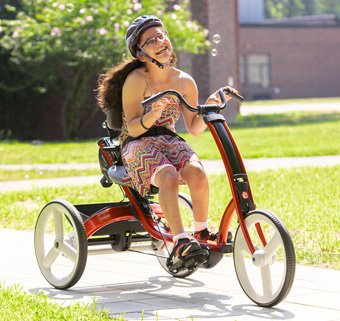
Choosing the right adaptive bike for your rehab center can make a huge difference in your patients’ recovery. You want equipment that is safe, comfortable, and effective in helping people regain strength and mobility.
But with so many options out there, how do you know which adaptive bikes truly meet your patients’ needs? You’ll discover the best adaptive bikes designed specifically for rehab centers—bikes that support progress, build confidence, and keep your patients motivated.
Keep reading to find the perfect match for your rehab program.
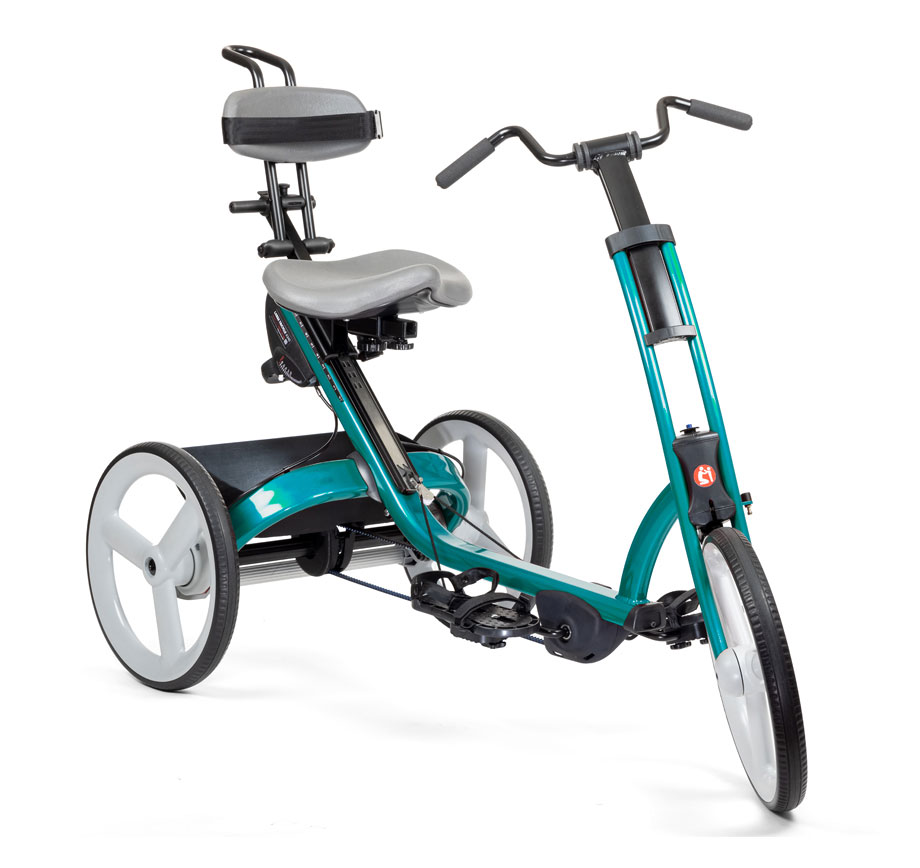
Credit: www.rifton.com
Benefits Of Adaptive Bikes In Rehab
Adaptive bikes help patients recover by supporting their physical needs. They are designed to fit different abilities and provide safe exercise options.
Rehab centers use these bikes to improve therapy results. Patients gain strength and move better with regular use.
Enhancing Mobility And Strength
Adaptive bikes allow patients to work on leg and core muscles. This helps improve balance and coordination over time.
- Support weak or injured limbs
- Encourage controlled movement
- Increase endurance gradually
- Provide low-impact exercise options
Boosting Patient Confidence
Using adaptive bikes gives patients a sense of achievement. They feel more independent as they improve their abilities.
| Confidence Benefit | How It Helps |
| Sense of progress | Encourages regular therapy |
| Improved self-esteem | Reduces fear of movement |
| Greater social interaction | Increases motivation to join group activities |
Customizing Therapy Sessions
Adaptive bikes come with adjustable features. Therapists can change settings to match each patient’s needs and goals.
Adjustable features include:
- Seat height and position
- Resistance levels
- Support for arms and legs
- Speed control
Key Features To Consider
Adaptive bikes help rehab centers support patients’ physical therapy. Choosing the right bike improves recovery and comfort.
Consider key features that fit patients’ needs and make therapy easier for staff to manage.
Adjustability And Comfort
Patients vary in size and mobility. Bikes must adjust to fit many body types and needs. Comfortable seats and handles reduce pain during use.
- Adjustable seat height and position
- Ergonomic handlebars with grip options
- Padded seats and backrests for support
- Options for foot straps or pedals
Safety And Stability
Safety is critical in rehab settings. Bikes must stay stable and secure during use. Good brakes and frames protect patients from falls.
| Feature | Description |
| Sturdy frame | Prevents tipping and supports weight |
| Non-slip pedals | Keeps feet in place during exercise |
| Effective brakes | Allows quick stopping when needed |
| Safety straps | Secures patient safely on the bike |
Ease Of Use And Maintenance
Staff need bikes that are easy to operate and keep clean. Simple controls and durable parts reduce downtime and repair costs.
- Clear and simple control panels
- Quick adjustment levers
- Easy to clean surfaces
- Durable parts with long warranty
- Minimal maintenance required
Top Adaptive Bike Types For Rehab
Adaptive bikes help patients regain strength and mobility. Rehab centers choose bikes that fit different needs and abilities.
This guide covers three main types of adaptive bikes used in rehab settings. Each type offers unique benefits for therapy.
Recumbent Bikes
Recumbent bikes have a reclined seating position. This design supports the back and reduces strain on joints.
- Good for patients with balance issues
- Provides a comfortable seat with backrest
- Allows for low-impact exercise
- Easy to adjust resistance levels
Upright Bikes
Upright bikes resemble regular bicycles. They encourage proper posture and improve cardiovascular health.
| Feature | Benefit |
| Compact design | Saves space in rehab centers |
| Adjustable seat height | Fits different patient sizes |
| Multiple resistance levels | Supports gradual strength building |
Handcycles
Handcycles use arm power instead of legs. They are great for patients with lower body limitations.
Benefits of handcycles include:
- Improved upper body strength
- Enhanced coordination
- Increased cardiovascular endurance
- Adaptable for wheelchairs
Leading Brands And Models
Adaptive bikes help people in rehab centers regain strength and mobility. Choosing the right bike is important for therapy success.
Several brands make bikes designed for different needs and budgets. Knowing the options can guide rehab centers to the best choices.
High-end Options
High-end adaptive bikes offer advanced features and durable designs. They suit centers needing long-term, intensive use.
These bikes often include electronic assistance and adjustable settings for various disabilities.
- Trek Verve+ – electric assist, comfortable seating
- Rifton Adaptive Tricycle – adjustable frame, multiple seating options
- Hase Bikes Kettwiesel – recumbent style, stable and smooth
Budget-friendly Choices
Budget-friendly adaptive bikes provide basic support and durability. They are good for centers with limited funds.
These models focus on simplicity and ease of use, making them practical for everyday therapy.
- Sun Bicycles Traditional Trike – simple design, stable ride
- Schwinn Meridian Adult Tricycle – affordable, easy to handle
- Carex Folding Bike – compact, lightweight for small spaces
Specialized Rehab Bikes
Specialized rehab bikes target specific therapy needs. They help with balance, coordination, and muscle recovery.
These bikes often feature unique supports and adjustable parts to fit individual patients.
| Model | Special Feature | Use Case |
|---|---|---|
| Thera-Trainer Tigo | Motorized pedaling | Stroke recovery |
| Ergoselect 200 | Arm and leg training | Neurological rehab |
| VeloPlus Cycle | Adjustable seating | Spinal injury therapy |
Integrating Bikes Into Rehab Programs
Adaptive bikes help patients regain strength and improve mobility. Rehab centers use these bikes to support recovery after injuries or surgeries. Proper integration ensures patients get the most benefit from the equipment.
Choosing the right adaptive bike and using it in a rehab program takes careful planning. Therapists work with patients to meet their unique needs and track their progress.
Tailoring To Patient Needs
Each patient has different abilities and goals. Rehab centers select adaptive bikes based on factors like balance, strength, and endurance. Custom features such as adjustable seats and supports help fit the bike to the patient.
- Choose bikes with adjustable settings
- Use models with extra stability for balance issues
- Include hand cycles for upper body rehab
- Provide easy-to-use controls for limited mobility
Tracking Progress And Outcomes
Tracking patient progress helps rehab teams adjust programs and measure success. Data from adaptive bikes can show improvements in strength and endurance over time.
| Metric | Measurement Method | Purpose |
| Distance | Bike odometer | Track endurance |
| Time | Session duration | Measure stamina |
| Heart Rate | Monitor device | Assess cardiovascular health |
| Resistance Level | Bike settings | Build strength |
Combining With Other Therapies
Adaptive bikes work best when combined with other rehab therapies. Physical therapy, occupational therapy, and balance exercises complement bike training. This holistic approach helps patients recover faster.
- Use adaptive biking alongside stretching routines
- Combine bike sessions with strength training
- Incorporate balance exercises before and after biking
- Schedule therapy sessions to avoid fatigue
Credit: www.rifton.com
Maintenance Tips For Rehab Centers
Adaptive bikes help patients regain strength and mobility. Proper upkeep keeps these bikes safe and functional.
This guide covers routine checks, cleaning, and repairs to keep adaptive bikes in top shape.
Routine Checks
Check the bike before each use. Look for loose bolts, worn tires, and brake function. Early detection prevents accidents.
- Inspect tires for cracks or low pressure.
- Test brakes to ensure they stop the bike smoothly.
- Check pedals and chains for wear.
- Verify seat and handlebar stability.
Cleaning And Upkeep
Clean bikes regularly to prevent dirt buildup. Dirt can cause parts to wear out faster or stop working well.
| Part | Cleaning Method | Frequency |
| Frame | Wipe with damp cloth | Weekly |
| Chain | Use chain cleaner and lubricant | Monthly |
| Brakes | Clean with rubbing alcohol | Bi-weekly |
| Tires | Remove debris and check pressure | Weekly |
Handling Repairs
Fix small problems quickly to avoid bigger issues. Use the right tools and parts for repairs.
- Tighten loose bolts with a wrench.
- Replace worn tires to keep good traction.
- Lubricate chains to reduce friction.
- Adjust brake pads for safe stopping.

Credit: www.rifton.com
Frequently Asked Questions
What Features Make Adaptive Bikes Suitable For Rehab?
Adaptive bikes offer customizable features to accommodate various disabilities. They include adjustable seating, hand pedals, and stabilizing support. These features enhance mobility and comfort for users. Rehab centers benefit from these bikes as they promote independence and improve physical fitness.
They are designed to cater to individual rehabilitation needs.
How Do Adaptive Bikes Aid Physical Therapy?
Adaptive bikes are integral in physical therapy as they promote muscle strength and coordination. They provide a low-impact exercise option, reducing strain on joints. Regular use enhances cardiovascular health and flexibility. For rehab patients, adaptive bikes offer a controlled environment for safe rehabilitation progress and encourage consistent physical activity.
Are Adaptive Bikes Customizable For Different Disabilities?
Yes, adaptive bikes are highly customizable to suit various disabilities. They can be tailored with specific adjustments like hand controls and supportive seating. These modifications ensure comfort and accessibility for users. Rehab centers prefer adaptive bikes for their versatility, as they can be adapted to individual therapy goals and physical conditions.
Why Are Adaptive Bikes Important In Rehab Centers?
Adaptive bikes are crucial in rehab centers because they offer therapeutic benefits for patients. They improve mobility, strength, and overall wellness. These bikes are safe and promote independence, motivating patients during recovery. Their design allows for personalized rehabilitation, making them essential tools in physical therapy programs.
Conclusion
Adaptive bikes help rehab centers support patient recovery well. Choosing bikes with good support and easy controls matters most. Bikes that adjust to different needs improve therapy results. Safe, comfortable designs encourage patients to keep trying. Rehab centers benefit from bikes that fit many users.
The right adaptive bike makes therapy more effective and fun. Small changes in equipment lead to big progress. Adaptive bikes are a key tool for better rehab care.



