
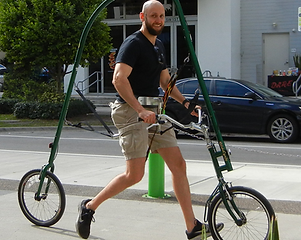
Are you a veteran looking for a way to stay active and enjoy the outdoors? Adaptive bikes might be just what you need.
These specially designed bikes help you overcome physical challenges and keep moving with ease. Whether you want to ride for fun, fitness, or therapy, there are options made just for you. Keep reading to discover the types of adaptive bikes available and find the perfect fit for your lifestyle and needs.
Your next ride could be closer than you think!
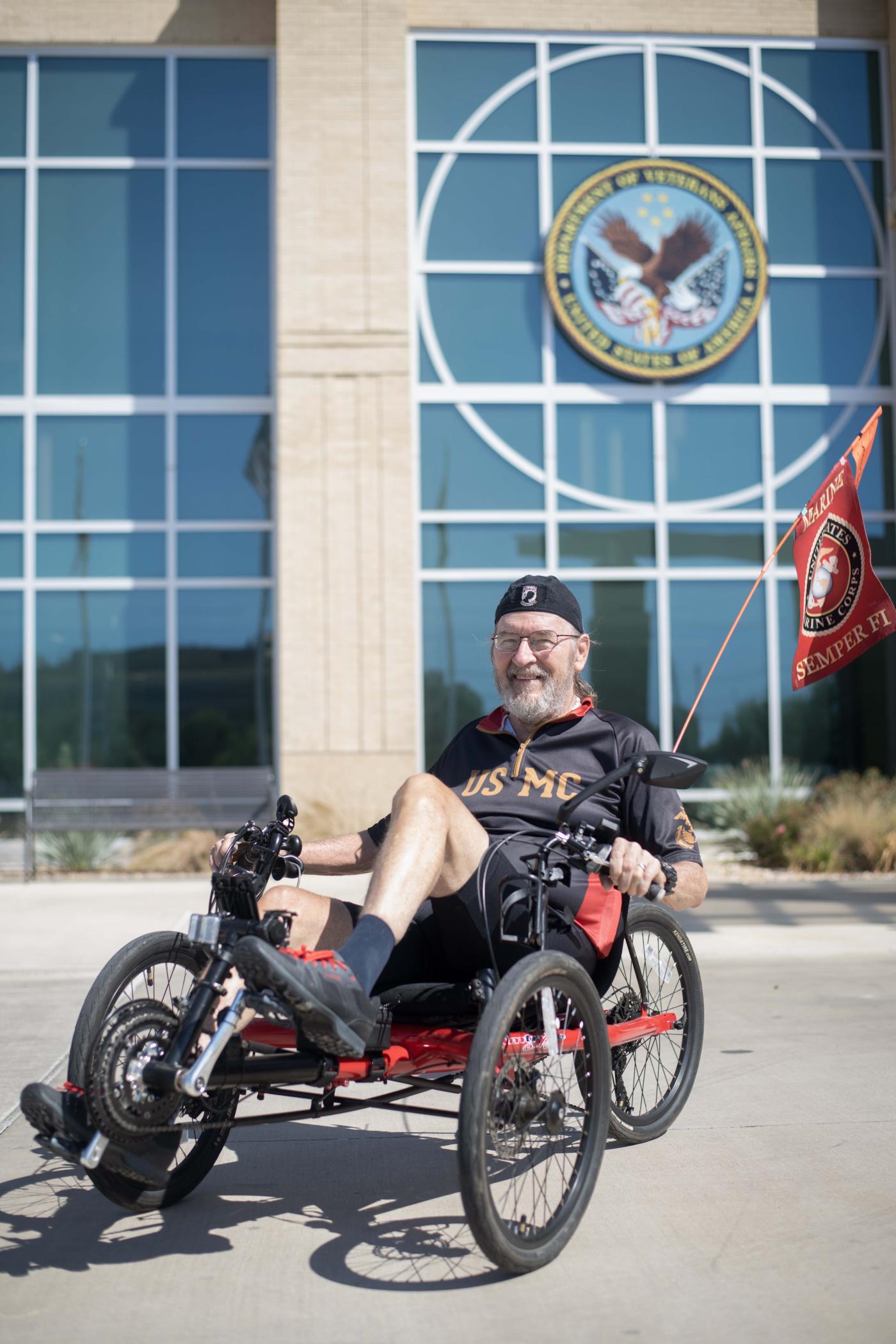
Credit: www.va.gov
Benefits Of Adaptive Bikes For Veterans
Adaptive bikes help veterans enjoy outdoor activities safely. These bikes are made to fit different needs and abilities. They support both physical and mental health.
Many veterans find adaptive bikes useful for exercise and independence. Using these bikes can improve quality of life in several ways.
Physical Rehabilitation Advantages
Adaptive bikes help veterans rebuild strength and balance. They offer low-impact exercise that is gentle on joints. This makes rehabilitation easier and safer.
- Improve muscle tone and coordination
- Increase cardiovascular fitness
- Encourage regular physical activity
- Support recovery from injuries
Mental Health Improvements
Riding adaptive bikes can reduce stress and anxiety. Veterans often feel a sense of freedom and joy while cycling. Outdoor exercise helps boost mood and focus.
Here are some mental health benefits of adaptive biking:
- Improves mood and reduces depression
- Enhances self-esteem and confidence
- Provides social interaction opportunities
- Increases feelings of independence
Enhanced Mobility And Independence
Adaptive bikes allow veterans to move more freely. They help users travel short distances on their own. This increases independence and daily convenience.
| Type of Adaptive Bike | Mobility Benefit |
| Handcycles | Upper body exercise and propulsion |
| Tricycles | Extra stability and balance |
| Tandem Bikes | Ride with a partner for support |
| Recumbent Bikes | Comfortable seating with low strain |
Types Of Adaptive Bikes
Adaptive bikes help veterans enjoy cycling despite physical challenges. These bikes come in different styles to fit various needs.
Each type offers unique features that improve comfort and control. Choosing the right bike depends on the rider’s abilities and preferences.
Handcycles
Handcycles use hand pedals instead of foot pedals. They are ideal for veterans with lower limb disabilities. Riders use their arms to propel the bike.
These bikes often have three wheels for stability. They come in various styles, including recumbent and upright positions.
Recumbent Bikes
Recumbent bikes let riders sit in a reclined position. This design reduces strain on the back and neck. It suits veterans with balance or posture issues.
- Offers better weight distribution
- Provides a lower center of gravity
- Improves comfort on long rides
- Available as handcycles or foot pedal bikes
Tricycles
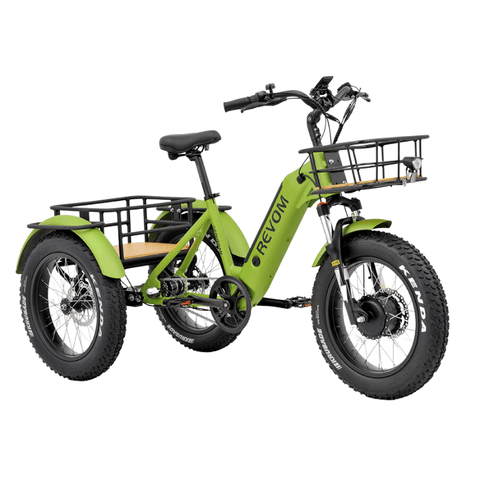
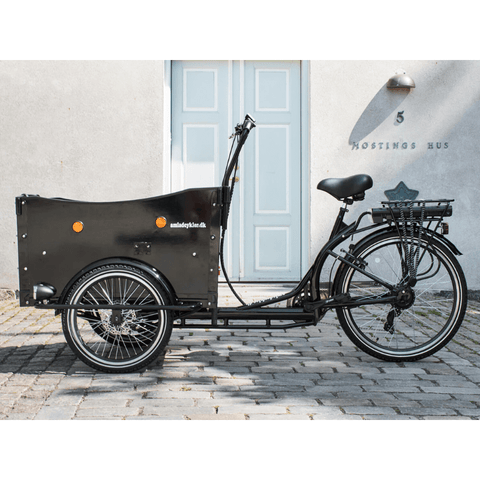
Tricycles have three wheels for extra balance. They help veterans who find it hard to balance on two wheels. These bikes are easy to mount and ride.
| Type | Benefit | Best For |
| Two rear wheels | More stability | Leg strength users |
| Two front wheels | Better steering control | Riders with arm strength |
| Recumbent tricycles | Comfort and balance | Back or neck issues |
Tandem Bikes
Tandem bikes let two riders pedal together. Veterans can ride with a partner who helps with balance and pedaling. This type is great for social rides and support.
Tandems come in different setups. Some have hand pedals for the front rider and foot pedals for the rear rider. This flexibility fits many needs.
Top Adaptive Bike Models For Veterans
Adaptive bikes help veterans stay active and enjoy the outdoors. They come in many styles to fit different needs and abilities.
This guide covers four popular types of adaptive bikes. Each type offers unique benefits for veterans seeking mobility and fun.
Lightweight Handcycles
Lightweight handcycles are easy to maneuver and transport. They use hand pedals to power the bike, which is great for upper body strength.
- Made with aluminum or carbon fiber frames
- Adjustable seats for comfort
- Ideal for paved roads and bike paths
- Low weight for easy handling
Electric Assisted Bikes
Electric assisted bikes add motor power to help riders pedal. They reduce effort and increase riding range for veterans with limited strength.
| Feature | Benefit |
| Pedal Assist | Supports pedaling with electric power |
| Throttle Control | Allows riding without pedaling |
| Battery Life | Lasts up to 50 miles per charge |
| Speed Limits | Safe speeds up to 20 mph |
Customizable Recumbent Bikes
Recumbent bikes let riders sit in a reclined position. Many models allow custom parts for better fit and comfort.
Popular custom options include:
- Adjustable seat angle and height
- Custom foot pedal placement
- Special grips and controls for hand function
- Extra support cushions
All-terrain Adaptive Bikes
All-terrain adaptive bikes handle rough paths and trails. They have strong frames and wide tires for stability on dirt and gravel.
- Heavy-duty suspension systems
- Wide, knobby tires for grip
- Low center of gravity for balance
- Durable materials for rugged use
Credit: pedalandchain.co.uk
Choosing The Right Adaptive Bike
Adaptive bikes help veterans enjoy cycling despite physical challenges. Picking the right bike makes riding safer and more fun.
There are many types of adaptive bikes. Think about your needs before choosing one.
Assessing Physical Needs
Each veteran has different abilities and limits. Look at your strength, balance, and mobility first.
Some adaptive bikes support sitting or lying down. Others help with hand or foot pedaling.
- Check if you need extra seat support
- Decide if hand or foot pedaling works best
- Consider balance aids like outriggers or trikes
- Think about bike size and adjustability
Considering Terrain And Usage
Think where you will ride your bike most often. Different bikes suit different surfaces and distances.
Some adaptive bikes work well on roads and paved trails. Others are designed for rough or off-road paths.
- Choose a bike with wide tires for uneven ground
- Look for lightweight frames for easier handling
- Consider storage options if you travel with your bike
- Think about how often and how far you will ride
Budget And Funding Options
Adaptive bikes can cost more than regular bikes. Set a budget before shopping.
Look for programs that help veterans get funding or discounts. Some groups offer grants or loans.
- Check veterans’ organizations for bike funding
- Ask about insurance coverage for adaptive equipment
- Compare prices from different bike makers
- Consider used or refurbished bikes to save money
Support And Resources For Veterans
Adaptive bikes help veterans enjoy cycling despite physical challenges. Many programs and organizations offer support to get these bikes.
Finding the right resources makes it easier for veterans to access adaptive bikes and related services.
Veteran Assistance Programs
Several veteran assistance programs provide funding and guidance for adaptive bikes. These programs aim to improve mobility and independence for veterans.
- VA Adaptive Sports Grants
- Wounded Warrior Project Bike Grants
- Disabled American Veterans Support
- Local Veteran Service Offices
Local Adaptive Sports Organizations
Local adaptive sports groups offer cycling events and training for veterans. They also help find the best adaptive bike models based on needs.
| Organization | Location | Services |
| Ride2Recovery | Nationwide | Bike events, training |
| Adaptive Sports USA | Various states | Sports programs, equipment |
| Veteran Cycling Club | Local chapters | Group rides, support |
Maintenance And Repair Services
Regular maintenance keeps adaptive bikes safe and working well. Many places offer repair services specialized for these bikes.
Common maintenance services include:
- Brake adjustments
- Tire replacements
- Gear tuning
- Frame inspections
Some organizations provide free or low-cost repairs for veterans.
Credit: pedalandchain.co.uk
Frequently Asked Questions
What Types Of Adaptive Bikes Suit Veterans Best?
Adaptive bikes like handcycles, recumbent trikes, and tandem bikes suit veterans. These bikes offer stability, comfort, and ease of use for various disabilities and mobility needs.
How Do Adaptive Bikes Help Veterans With Mobility Challenges?
Adaptive bikes improve mobility, enhance physical fitness, and boost confidence. They provide veterans freedom to enjoy outdoor activities despite physical limitations.
Where Can Veterans Find Adaptive Bikes For Sale?
Veterans can find adaptive bikes at specialty bike shops, online retailers, and veteran support organizations. Some programs offer discounts or grants for adaptive cycling equipment.
Are There Funding Options For Veterans To Get Adaptive Bikes?
Yes, veterans may access funding through VA programs, non-profits, and grants. These options help cover costs of adaptive bikes and related gear.
Conclusion
Adaptive bikes offer veterans many ways to stay active and enjoy cycling. These bikes fit different needs, from handcycles to tricycles. Veterans can find options that support balance, strength, and comfort. Riding helps improve health and boosts mood. It also creates chances to connect with others.
Choosing the right bike depends on personal goals and abilities. Exploring available models can lead to a rewarding experience. Adaptive biking opens doors to new adventures and freedom on the road. Every veteran deserves a bike that works for them.



