

Choosing the right road bike saddle can feel like a daunting task. You’re not alone if you’ve ever felt overwhelmed by the myriad of options available.
The saddle is a crucial component of your bike, directly impacting your comfort and performance. A well-chosen saddle can transform your rides, making them more enjoyable and less painful. Imagine gliding down the road, free from discomfort, with every mile feeling like a breeze.
The secret lies in understanding the different types of road bike saddles and how each caters to your needs and preferences. Whether you’re a seasoned cyclist or a beginner, finding the perfect saddle can make all the difference in your biking experience. We’ll dive into the various types of road bike saddles, breaking down their features and benefits. You’ll discover which saddle best suits your style and riding goals, ensuring every ride is a pleasure. So, if you’re ready to enhance your cycling adventures and leave saddle sores behind, keep reading. Your ideal road bike saddle is just a few paragraphs away.
Choosing The Right Saddle
Finding the perfect road bike saddle involves understanding different types. Consider comfort, weight, and riding style. Flat saddles suit aggressive riders, while curved designs offer more support. Choose wisely for an enjoyable ride.
Factors To Consider
Comfortis the most important factor. Make sure the saddle suits your body. Widthmatters a lot. Wide saddles help support your sit bones. Narrow saddles are better for speed. Always check the padding. More padding may not mean more comfort. Choose between foamand gel. Foam is firm; gel is soft. The shapeaffects your ride. Flat saddles allow movement. Curved ones offer support. Consider the material. Leather saddles last longer. Synthetic ones are lighter. Weightimpacts your speed. Light saddles are good for racing. Heavy ones offer more support.
Personal Preferences
Choose a saddle based on your riding style. Casual riders prefer soft saddles. Racers choose firm ones. Do you prefer short rides? Comfort matters most. Long rides need more durability. Decide on your budget. Expensive saddles may offer more features. Test different saddles. Find what feels right for you.
Credit: www.cyclingweekly.com
Saddle Shapes
Flat saddles are completely levelfrom front to back. They offer more freedom to move. Riders can shift their position easily. These saddles suit riders who change positions often. Flat saddles are usually preferred by experienced cyclists. They provide a more aggressive riding stance. This type of saddle can be less comfortable for some.
Curved saddles have a gentle curvefrom front to back. They help keep the rider in one spot. This makes them ideal for riders who prefer stability. Curved saddles are often more comfortablefor long rides. They provide good support. This type of saddle is great for beginners. It helps prevent sliding around.
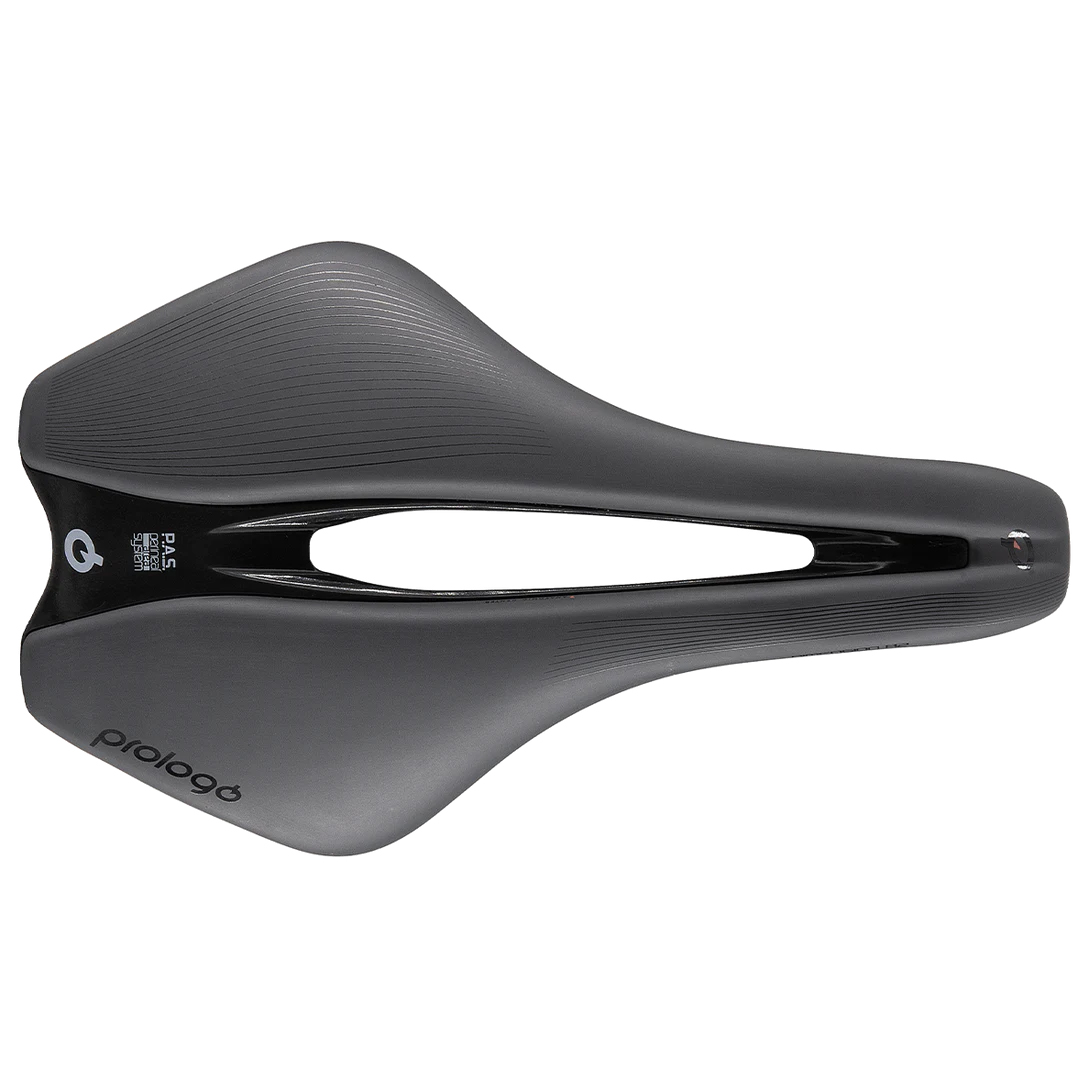
Anatomical saddles have a cut-out or groovein the middle. This design reduces pressure on sensitive areas. They aim to provide more comfort. These saddles are suitable for both men and women. Anatomical saddles help prevent numbness and discomfort. They are a popular choice for long-distance riders.
Saddle Materials
Leather saddlesoffer a classic feel. They are durable and mold to the rider’s shape. Over time, they provide a custom fit. Leather requires regular careto maintain. It needs conditioning and protection from water. These saddles are usually heavier than others.
Synthetic saddles are made from materials like plastic or nylon. They are lightweight and often more affordable. These saddles resist weather well. They require little maintenance compared to leather. Synthetic options come in many shapes and sizes. They offer good comfort and flexibility.
Gel paddingprovides extra comfort. It absorbs shocks and reduces pressure. Ideal for long rides and bumpy roads. Gel padding molds to your body. It helps reduce discomfort from vibrations. This padding is available in many saddle designs.
Saddle Width And Length
The width of a bike saddle affects comfort. A wide saddle supports the sit bones. Narrow saddles may cause discomfort on long rides. Choose a width that fits your body. Measure the sit bones to find the right width. Proper width helps avoid pain and numbness. It ensures a pleasant ride experience.
The length of a saddle impacts pedaling. Longer saddles offer room to shift positions. Shorter saddles promote a forward riding stance. Find a length that suits your riding style. Length affects balance and control on the bike. A suitable length enhances performance and comfort. It is important for speed and endurance.
Cut-outs And Relief Channels
Cut-outs in bike saddles help in reducing pressure on sensitive areas. They improve comfort during long rides. These designs allow for better airflow. Riders experience less numbness and discomfort. Cut-outs can prevent saddle sores. They help in maintaining a healthy posture. The saddle feels lighter and more flexible. This design is popular among many cyclists.
Pressure relief designs aim to spread the rider’s weight evenly. They help in reducing the risk of injuries. These designs include special padding and shapes. Some saddles have gel inserts for extra comfort. The main goal is to keep the rider pain-free. Such designs are perfect for long-distance cycling. They offer a smooth and enjoyable ride. Cyclists can focus better on their journey.

Credit: bikefit.com
Adjusting Saddle Position
Adjusting saddle position is crucial for comfort and performance on road bikes. Different saddle types offer unique features to suit various riding styles. Understanding these types helps in selecting the best fit for your needs.
Height Adjustment
Setting the saddle height is important for a comfy ride. Your legs should be slightly bent at the bottom pedal. If your saddle is too high, you may feel uncomfortable. A too-low saddle can cause knee pain. Use a tape measure to find the right height. Adjust the saddle with a wrench or lever. Make sure it’s tight and secure.
Tilt And Angle
The saddle tilt affects your comfort. A flat saddle is a good start. If it tilts too much, you may slide forward. Tilting backward can hurt your back. Adjust the angle with an Allen key. Test your ride after each change. Find the position that feels best for you.
Testing And Comfort
Exploring different road bike saddle types can enhance comfort and performance. Each saddle design caters to unique riding styles and preferences. Finding the right fit can significantly reduce discomfort during long rides.
Trial Rides
Trying different saddles helps find the best fit. A short ride of 20 minutes can show much about comfort. It’s important to adjust the saddle height and angle. A saddle should not cause pain or numbness. Some shops allow test rides on their bikes. This can be a great way to try before buying. Remember, everyone is different, so what works for one might not work for another.
Long-term Comfort
Long rides need a comfortable saddle. Padding and shape matter a lot for this. Too much padding can be uncomfortable on long rides. Saddles come in different widths and lengths. Finding the right one may take time. Check for signs of wear on your current saddle. It might be time for a change if it’s wearing out. Comfort is key for enjoyable biking adventures.
Saddle Care And Maintenance
Understanding different road bike saddle types is key for optimal performance and comfort. Regular cleaning ensures longevity and enhances riding experience. Proper maintenance prevents wear and tear, keeping your saddle in top condition for every ride.
Cleaning Tips
Regular cleaning keeps your bike saddle fresh and long-lasting. Use a soft clothto wipe away dirt after every ride. For deeper cleaning, use a mild soap with water. Avoid harsh chemicals as they can damage the saddle material. Dry the saddle with a clean towel to prevent moisture damage. Always check for any damage while cleaning.
Longevity Strategies
Proper care extends your saddle’s life. Store the bike in a dry place to avoid rust. Apply a leather conditionerif your saddle is leather. This prevents cracking. Regularly check the saddle’s bolts and tighten if loose. Use a saddle cover when the bike is parked outside. This protects it from rain and sun.

Credit: www.youtube.com
Frequently Asked Questions
What Are The Different Types Of Bike Saddles?
Bike saddles come in various types: road saddles for speed, mountain saddles for rugged terrain, and comfort saddles for leisure rides. Additionally, performance saddles suit competitive cycling, while cruiser saddles offer a relaxed fit. Choose based on riding style, terrain, and comfort preferences.
What Is The Most Comfortable Seat For A Road Bike?
The most comfortable road bike seat varies by preference. Opt for a saddle with ergonomic design, ample cushioning, and proper width. Consider materials like gel or memory foam for added comfort. Test different options to find the best fit for your riding style.
What Is The 0.883 Rule?
The 0. 883 rule estimates the weight of steel pipes. Multiply the pipe diameter in inches by 0. 883 to find the weight per foot in pounds. This formula helps in quick calculations for construction and manufacturing projects, ensuring accurate material estimations.
What Is The Difference Between T And V Shaped Saddles?
T-shaped saddles provide a broader seating area, offering comfort for longer rides. V-shaped saddles are narrower, allowing for more movement and are suitable for aggressive riding positions. Both styles cater to different riding preferences and body types, enhancing cycling efficiency and comfort.
Conclusion
Choosing the right road bike saddle matters. Comfort and performance depend on it. Each saddle type offers unique benefits. Consider your riding style. Think about your comfort needs. Test different options if possible. Prioritize your personal comfort. A well-chosen saddle enhances your biking experience.
It reduces discomfort on long rides. Remember, every cyclist is different. What works for one may not work for another. Take your time in selecting. You’ll enjoy your rides more with the right saddle. Happy cycling!



