
Imagine this: You’re cruising down a scenic road, the wind rushing past your ears, your road bike gliding effortlessly beneath you. Every ride feels like freedom until—suddenly—a squeak, a wobble, or worse, a flat tire interrupts your perfect day.
Sound familiar? If you own a road bike, you know how crucial it is to keep it in top shape. But how often do you actually give your bike the attention it deserves? Your road bike is more than just metal and rubber; it’s your ticket to adventure, fitness, and fun.
With the right care, it can offer you years of smooth rides. That’s why having a reliable maintenance checklist is essential. Not only can it enhance your bike’s performance, but it can also ensure your safety on every ride. Are you ready to take charge of your road bike’s health? Dive into our comprehensive Road Bike Maintenance Checklist and discover how easy it is to keep your two-wheeled companion in prime condition.
Bike Inspection Essentials
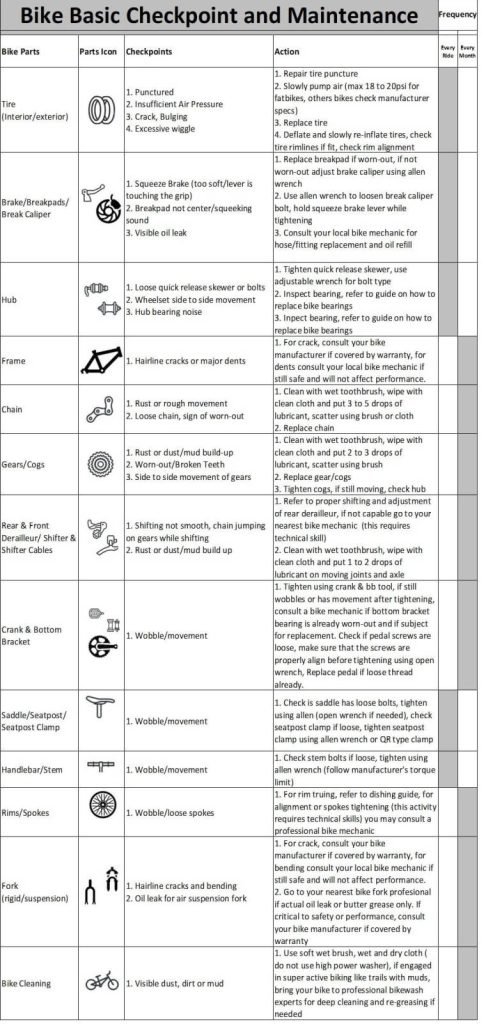
Check the bike frame for cracks or dents. Look closely at the paint for any chips. Ensure the fork is straight and not bent. Test the fork by pressing down on it. Listen for unusual sounds when doing this. Examine the headset for smooth movement. Tighten any loose bolts on the frame and fork. Check all welds for signs of stress. Feel for unusual vibrations when riding.
- Inspect tires for wear and tear.
- Check tire pressure with a gauge.
- Look for any punctures or cuts.
- Spin wheels to ensure they are true.
- Examine spokes for damage or looseness.
- Test brakes and adjust if needed.
- Ensure axles are tight and secure.

Credit: www.instagram.com
Drivetrain Care
A clean chain makes your bike ride smooth. Use a cloth to wipe the chain. Remove all dirt and grime. Apply chain cleaner if needed. Let it dry for a bit. Then, use bike oil to lubricate. Do not overdo the oil. Wipe away extra oil with a cloth. This keeps the chain shiny and rust-free. Check chain often for dirt.
The derailleur helps you change gears. Make sure it is aligned right. Listen for noise when you shift. If noisy, it needs fixing. Use a screwdriver to adjust screws. Turn slowly until noise stops. Check both front and back derailleurs. They should move smoothly. This helps in easy gear shifts. Keeps your ride comfortable and safe.
Brake System Maintenance
Brake system maintenance is vital for road bike safety. Ensure brake pads are not worn and cables are properly tensioned. Regularly check for any leaks and ensure smooth operation for optimal performance.
Brake Pad Wear
Check the brake pads regularly. Worn pads can be dangerous. Look for even wear across the pad. Uneven wear means trouble. Replace pads if they are thin. Thin pads don’t stop the bike well. Always use the right size pads for your bike.
Cable Tension Check
Ensure cables are tight. Loose cables affect braking. Check cable tension by pulling the brake lever. The lever should feel firm. If it’s soft, tighten the cable. Adjust the tension using barrel adjusters. Proper tension helps in stopping quickly. Test brakes after adjusting.
Handlebars And Saddle Adjustments
Check the handlebar grips and tape often. Feel for any sticky spots. Look for tears or loose parts. Replace if they feel worn out or sticky. Fresh grips or tape offer better control. This keeps your ride safe and comfortable.
Ensure the saddle is level and firm. Sit comfortably without sliding forward or backward. Adjust the saddle height to match your leg length. Your legs should extend naturally during a pedal stroke. A well-set saddle helps prevent aches and keeps riding fun.
Pedals And Cleats
Pedals and cleats are essential in road bike maintenance. Check for wear and proper attachment regularly. Ensure smooth operation by cleaning and lubricating as needed.
Pedal Tightness
Pedals must be tight to ensure safety. Loose pedals can cause falls. Use a wrench to check pedal tightness. Make sure pedals are snug but not over-tightened. Over-tightening may damage threads. Regular checks prevent unexpected issues.
Cleat Alignment
Cleats must be aligned for comfort. Misaligned cleats can hurt your knees. Adjust cleats to match your natural foot position. Use your shoes to check alignment. Small changes can make a big difference. Proper alignment improves your riding experience.

Credit: www.facebook.com
Regular Safety Checks
Check the reflectorson your bike. Make sure they are not broken. They should be clean and visible. Adjust them if needed. Turn on the bike lightsbefore riding. Ensure they are bright. Charge the batteries or replace them if they are weak. Proper lights keep you safe at night.
Examine your helmetfor cracks or dents. A damaged helmet cannot protect you well. Adjust the straps for a snug fit. The helmet should not wobble. Clean the helmet regularly to remove dirt. A clean helmet is more comfortable to wear. Always wear your helmet when riding.
Tools For Maintenance
Having the right tools is very important. A good set of tools can help fix many bike problems. Here are some essential tools every road bike owner needs:
- Allen wrenches for tightening bolts.
- Tire levers to change tires.
- Bike pump for inflating tires.
- Chain lubricant to keep the chain smooth.
- Patch kit for fixing flat tires.
- Multi-tool for various adjustments.
Carrying a portable tool kit is smart. It helps fix issues on the go. These kits are small but very useful. They usually include:
- Mini pump for quick tire inflation.
- Compact multi-tool for different tasks.
- Small patch kit for emergencies.
- Mini chain tool for chain repairs.
- Foldable tire levers for easy storage.

Credit: www.facebook.com
Frequently Asked Questions
What Maintenance Does A Road Bike Need?
Regularly clean and lubricate the chain. Check tire pressure and brake functionality. Inspect and tighten bolts. Align wheels and adjust gears. Ensure smooth shifting and efficient braking. Maintain headset and bottom bracket. Replace worn-out parts promptly for optimal performance and safety.
Can You Use Wd-40 On A Road Bike?
Yes, you can use WD-40 on a road bike. It helps clean and lubricate bike parts. However, it is not a long-term lubricant for chains. Use it for cleaning and displacing moisture. For lasting lubrication, choose a dedicated bike chain oil or lubricant.
How Often Should You Service A Road Bicycle?
Service your road bicycle every 6 months for optimal performance. Check brakes, tires, and gears regularly. Clean and lubricate the chain monthly. Inspect the bike before long rides. Adjust maintenance frequency based on usage, weather, and wear. Regular servicing extends the bike’s lifespan and ensures safety.
What Does A Full Bike Service Consist Of?
A full bike service includes checking brakes, gears, and tires. Technicians lubricate chains and tighten bolts. They inspect the frame for damage and ensure proper wheel alignment. Regular servicing enhances performance and safety.
Conclusion
Maintaining a road bike keeps it in top shape. Regular checks prevent costly repairs. Keep tires inflated and brakes responsive. Clean and lubricate the chain for smooth rides. Inspect the frame for cracks or rust. Tighten bolts to avoid loose parts.
Check the gears for seamless shifting. These simple steps ensure a safe and enjoyable ride. Understanding your bike helps you spot issues early. Practice this checklist regularly. It prolongs your bike’s life and enhances your cycling experience. Happy riding!



