
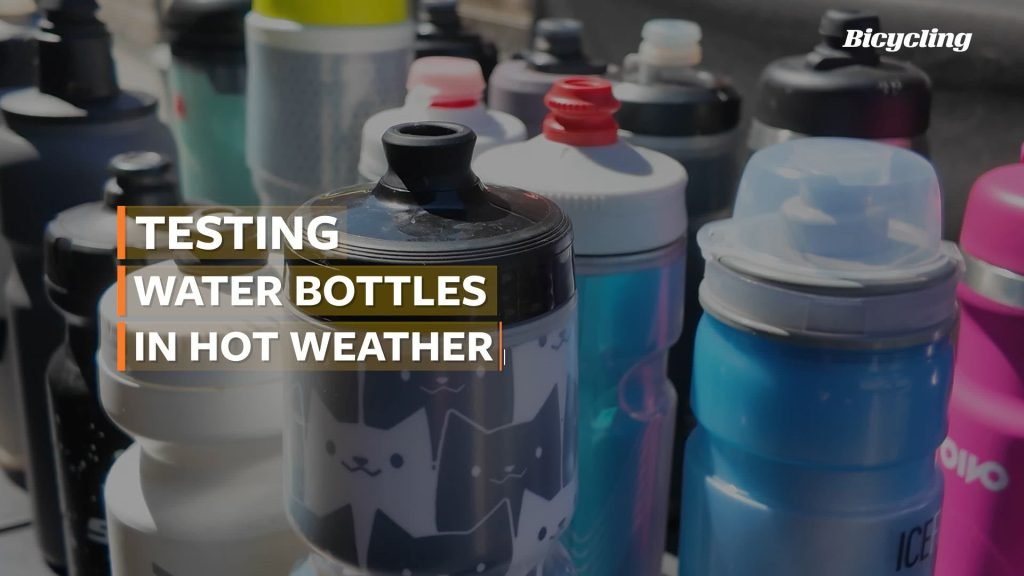
When you’re pushing through the miles on your road bike, hydration isn’t just important—it’s essential. Picture this: you’re halfway through your ride, the sun is blazing, and suddenly your energy crashes.
This is the moment when proper hydration strategies make all the difference between cruising to the finish or struggling to keep up. You might be wondering, how do you keep your energy levels high and your body functioning optimally? That’s exactly what we’re diving into.
You’ll uncover hydration secrets tailored for road bikers like you. Learn how to maintain peak performance, avoid dehydration pitfalls, and ensure every ride is your best ride. Ready to transform your cycling experience? Let’s get started.
Importance Of Hydration
Proper hydration boosts road biking performance and endurance. Regular sips from water bottles ensure muscles stay fueled. Avoid dehydration to maintain focus and energy during long rides.
Effects On Physical Performance
Hydration keeps your body working well. Water helps muscles move easily. Dehydration makes you feel tired and weak. It can slow your speed and power. Drinking water boosts your endurance. It helps you ride longer and stronger. Always carry a water bottle. Sip often to stay refreshed.
Impact On Mental Focus
Water is key for clear thinking. It keeps the mind sharp and alert. Lack of hydration affects your focus. It makes it hard to pay attention. You may feel confused or forgetful. Staying hydrated helps your brain function better. Drink water to keep your thoughts on track.
Hydration Needs For Cyclists
Cyclists have unique fluid needs. Weather affects how much you sweat. Hot days increase water loss. Riding intensity changes needs too. Hard rides need more water. Your body size also matters. Bigger people need more fluids. Pay attention to these factorsto stay hydrated. Hydration keeps you strong and healthy on the bike.
Dehydration is bad for cyclists. Look for dry mouthand tiredness. Thirst means you’re already behind. Dark pee means you need more water. Headaches can also be a sign. Feeling dizzy is not good. Stay alert for these signs. Drink water before you feel thirsty. Keeping track is important for safe rides.
Pre-ride Hydration
Drinking water before cycling is very important. It keeps your body ready. Aim for 500 ml of water an hour before you ride. This helps keep your body hydrated. Avoid drinks with too much sugar. They can make you thirsty faster.
Starting your ride well-hydrated has many benefits. It helps keep your energy up. Your muscles work better when they are not thirsty. You can ride longer and feel less tired. Staying hydrated can also help you avoid cramps. Cramps can be painful and slow you down. So, drink water and be ready to ride strong!
Hydration During The Ride
Effective hydration strategies are crucial for road biking. Drink regularly to avoid dehydration and maintain performance. Consider electrolyte-rich fluids for longer rides.
Frequency And Quantity
Drink water every 20 minutes. Take small sips often. This keeps you refreshed. Don’t wait to feel thirsty. Thirst means dehydration. Hydrate before you feel it. Carry enough water for the ride. Calculate how much you need. Check the weather conditions. Hot days need more water. Cold days might need less. Always plan your hydration strategy.
Choosing The Right Beverages
Water is essential for hydration. Bring sports drinks for longer rides. These replenish electrolytes. Electrolytes help muscle function. Choose drinks low in sugar. Too much sugar can tire you. Consider adding flavor to water. Lemon or mint can be refreshing. This encourages more drinking. Keep your body hydrated and strong.
Post-ride Hydration
Post-ride hydration is crucial for road bike enthusiasts. Replenish lost fluids to prevent fatigue and support recovery. Drink water and consider electrolyte-rich drinks for optimal balance.
Replenishing Lost Fluids
After biking, drink plenty of water. It’s important to replace lost fluids. Try sports drinks with electrolytes. These help balance your body’s needs. Avoid sugary drinks. They don’t help recovery. Water is always a good choice. Monitor your urine color. Dark means you’re dehydrated. Light is a good sign. Drink enough until it’s light.
Recovery And Performance Enhancement
Proper hydration helps muscle recovery. It also boosts energy levels. This improves your next ride’s performance. Include some protein in your drink. It aids muscle repair. You can try a smoothie with yogurt or milk. Stay hydrated throughout the day. It keeps your body ready for more activities. Balance water with nutrient-rich drinks for best results.

Credit: www.youtube.com
Tools And Techniques
Hydration packsand bottles are both important for biking. Packs hold more water. They sit on your back. This keeps your hands free. Bottles fit on your bike frame. They are easy to grab while riding. Packs keep water cooler for longer rides. Bottles are lighter and easier to clean. Choose packs for long rides. Use bottles for short trips. Think about what feels best for you.
Keeping track of your hydration levelsis very important. Feeling thirsty means you are already dehydrated. Check your urine color. Light yellow is good. Dark yellow means drink more water. Weigh yourself before and after a ride. If you lose weight, drink more. Pay attention to how you feel. Tired or dizzy means you need water. Drink small sips often. Stay ahead of thirst.
Common Mistakes
Ignoring hydration while cycling can lead to fatigue and cramps. Many cyclists forget to sip water regularly during rides. Overestimating the need for sports drinks is another common mistake, leading to unnecessary sugar intake.
Overhydration Risks
Drinking too much water can be harmful. It dilutes the blood. This condition is known as hyponatremia. Symptoms include nausea and confusion. Severe cases might lead to coma. Many cyclists fear dehydration. But overhydration is also dangerous. Balance is key for road biking. Monitor how much you drink. Listen to your body’s signals. Thirst is a natural guide. Don’t ignore it.
Ignoring Environmental Conditions
Weather affects how much water you need. Hot days mean more sweating. You lose water faster. Cold days might trick you. You might feel less thirsty. But you still need water. Pay attention to the humidity too. High humidity means more sweating. Be smart about your hydration strategy. Adjust according to the weather. Plan your water stops wisely. Always carry enough water.

Credit: simpleendurance.medium.com

Credit: 365cycles.com
Frequently Asked Questions
How Much Water Should You Drink On A 30 Mile Bike Ride?
Drink at least 16-32 ounces of water per hour during a 30-mile bike ride. Adjust based on weather conditions and your personal hydration needs. Keep sipping regularly to avoid dehydration and maintain energy levels. Listen to your body and ensure you’re adequately hydrated before, during, and after the ride.
What Do Pro Cyclists Drink During A Race?
Pro cyclists drink water, electrolyte drinks, and energy gels during races. These help maintain hydration and boost performance. They also consume carbohydrates through sports drinks to sustain energy levels. Hydration and nutrition strategies are crucial for endurance and recovery in competitive cycling events.
How Do Cyclists Maintain Hydration?
Cyclists maintain hydration by drinking water regularly and using electrolyte drinks to replenish lost minerals. They carry water bottles on their bikes for easy access during rides. Monitoring sweat levels and adjusting fluid intake based on intensity ensures optimal hydration.
How Much Water For A 3 Hour Bike Ride?
Drink at least 1. 5 to 2 liters of water for a 3-hour bike ride. Hydrate before, during, and after cycling to maintain energy levels and prevent dehydration. Adjust intake based on weather, intensity, and personal needs. Always carry extra water to ensure proper hydration throughout your ride.
Conclusion
Hydration is key for every road biker’s success and safety. Keeping your body hydrated boosts energy and endurance. Choose the right fluid and carry enough for your ride. Plan ahead and know your route’s water stops. Drink small sips often to avoid dehydration.
Listen to your body’s needs and adjust your intake. Good hydration habits lead to a smoother ride. Practice these strategies regularly. Stay hydrated and enjoy every biking adventure. Your performance and health depend on it. Happy cycling!



