
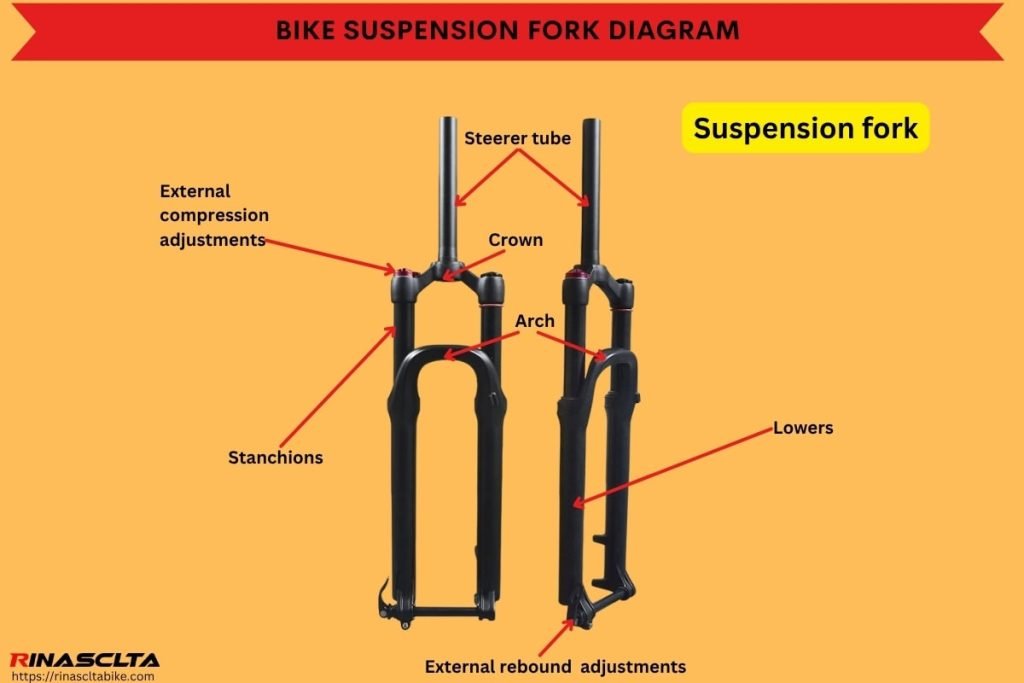
Have you ever wondered what makes your road bike glide smoothly or handle corners like a pro? The secret often lies in the fork.
With so many types to choose from, picking the right fork can be overwhelming. But don’t worry, we’re here to help. Understanding road bike fork types is crucial if you want to enhance your riding experience. Whether you’re aiming for speed, comfort, or durability, the right fork can make all the difference.
Imagine the thrill of riding with a fork that’s perfectly suited to your needs. We’ll break down the different fork types and explain their benefits, so you can make an informed decision. Stick around to find out which fork will take your ride to the next level.
Carbon Fiber Forks
Carbon fiber forks are popular for road bikes due to their lightweight and strong design. They provide excellent vibration damping, enhancing rider comfort. These forks are favored by cyclists seeking speed and performance.
Benefits Of Carbon Fiber
Carbon fiberforks are lightweightand strong. They make the bike easier to handle. This material helps absorb road vibrations, offering a smooth ride. Riders feel less tired after long trips. Carbon forks increase speedwith less effort. They are great for racing and fast rides.
Weight And Performance
These forks are much lighterthan metal ones. Less weight means better performance. Bikes can go faster and turn easier. This helps riders in races and during quick rides. The bike feels more responsiveand lively.
Cost Considerations
Carbon fiber forks are often expensive. They cost more than steel or aluminum forks. Some riders may find it hard to buy them. But many say the benefitsare worth the price. It’s important to think about your budget.
Steel Forks
Steel forks on road bikes are known for their durability and smooth ride quality. They absorb road vibrations, providing comfort on long rides. Perfect for riders seeking a reliable and stable biking experience.
Durability And Strength
Steel forks are known for their durabilityand strength. They can handle rough roads and bumps. Steel forks are not easy to break. They last for a long time. Many riders trust steel forks for tough rides.
Ride Quality
Steel forks provide a smooth ride. They absorb shocks from the road. This makes riding comfortable. The bike feels stable and secure. Riders enjoy a quiet and relaxing journey.
Maintenance Needs
Steel forks need regular maintenance. Keep them clean to prevent rust. Check for any damage after rides. Oil them to keep them working well. Proper care helps them last longer. Ensure all parts are tight and secure.
Aluminum Forks
Aluminum forks offer a lightweight and cost-effective option for road bikes. Known for their stiffness and durability, they provide precise handling. Ideal for riders seeking a balance between performance and affordability.
Lightweight Design
Aluminum forks are known for their lightweight design. They make the bike easy to handle. Riders often choose them for their light weight. Aluminum is a popular choice for many cyclists. It helps in reducing the bike’s overall weight. This makes it easier to ride up hills.
Affordability
These forks are more affordablethan carbon ones. They offer good performance for the price. Many riders like aluminum for this reason. It’s a great option for those on a budget. You get quality without spending too much money.
Handling Characteristics
Aluminum forks provide stable handling. They are firm and strong. This helps in smooth rides. Riders feel confident with aluminum forks. They can easily control their bikes. This is important for safe biking. Aluminum forks give a good biking experience.
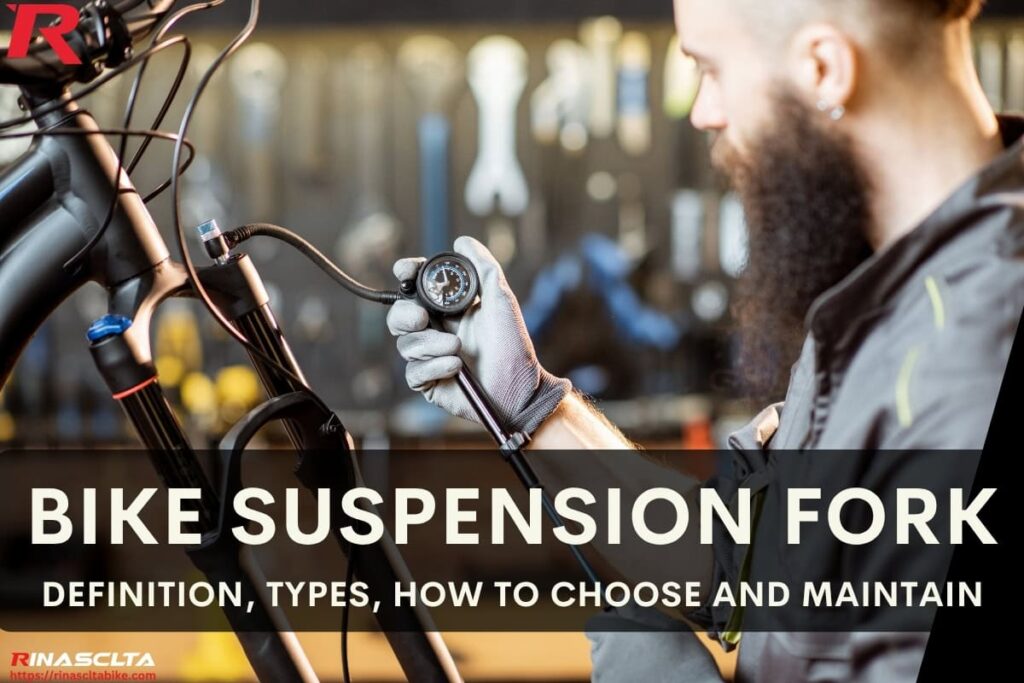
Credit: rinascltabike.com
Titanium Forks
Titanium forks are lightweight and strong, ideal for road biking. They offer excellent shock absorption and durability. Perfect for riders seeking a smoother ride with reduced vibration on diverse terrains.
Premium Features
Titanium forks offer a smooth and comfortable ride. They are known for being strong and lightweight. This combination makes them a popular choice for long rides. Riders love their ability to absorb road vibrations. The sleek look of titanium adds a stylish touch to bikes. Their high durability makes them a favorite among bike enthusiasts.
Longevity
Titanium forks last a very long time. They resist rust and corrosion, unlike some other materials. This means they can handle different weather conditions. The longevity of titanium makes it a smart investment. Riders don’t need to worry about frequent replacements. This adds peace of mind for long-term bike use.
Price Implications
Titanium forks are often more expensive than other types. The cost reflects their premium quality and durability. Riders pay more upfront, but save on replacements. This makes titanium a cost-effective choice in the long run. The high price can be a barrier for some buyers. But for those who value quality, it’s worth it.
Composite Forks
Composite forks offer a blend of lightweight design and enhanced durability. Perfect for road bikes, they improve shock absorption and provide a smoother ride. Crafted from advanced materials, these forks cater to cyclists seeking performance and comfort.
Material Mix
Composite forks use a mix of materials for strength and lightness. Common materials are carbon and aluminum. Carbon adds flexibility, while aluminum provides durability. This mix is popular in many road bikes. It helps in creating a smooth ride.
Versatility
These forks work well in many riding conditions. They are great for both racing and leisure rides. You can use them on different terrains. Their design allows for easy maneuverability.
Performance Benefits
Composite forks offer many performance benefits. They are lightweight, which makes bikes faster. Riders enjoy better control with these forks. They help in absorbing road vibrations, making rides more comfortable. This can be especially helpful on long journeys.
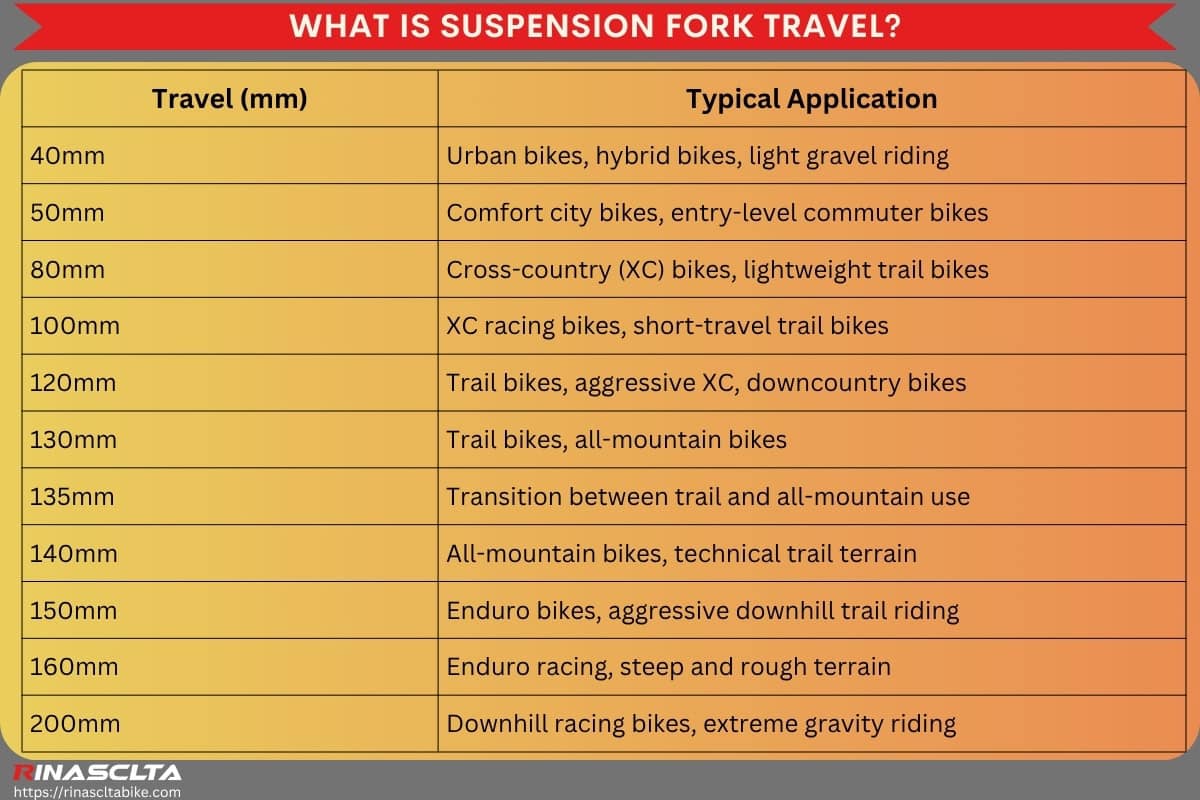
Credit: rinascltabike.com
Choosing The Right Fork
Selecting the ideal road bike fork involves understanding material types and their impact. Carbon forks offer lightweight and vibration dampening qualities, while aluminum forks provide durability at a lower cost. Each type enhances specific riding experiences, catering to both casual and competitive cyclists.
Riding Style Considerations
Different forks suit different riding styles. Race forksare light and stiff. These are great for speed. Touring forksare more comfortable. They handle rough roads better. Think about where you ride. Pick a fork that fits your style.
Budget Factors
Forks vary in price. Carbon forksare expensive but lightweight. Steel forkscost less but are heavier. Your budget will guide your choice. Sometimes, spending a bit more means better quality.
Compatibility With Frame
Not all forks fit every bike. Check your bike’s frame. Ensure the fork matches the frame size. Fork steerermust fit the head tube. Always double-check before buying. A wrong fit can cause problems.
Maintenance Tips For Forks
Different road bike forks require specific maintenance. Carbon forks need regular inspection for cracks. Aluminum forks should be checked for corrosion. Proper care ensures longevity and safety while riding.
Regular Inspection
Inspect forks for cracks and damage often. Check bolts are tight. Look for rust spots. Rust weakens metal. Ensure there’s no oil leak. Oil leak can damage forks. Replace worn out seals quickly. Seals keep dirt out.
Cleaning Guidelines
Wash forks gently with soap and water. Avoid harsh chemicals. Rinse thoroughly. Dry with a soft cloth. Remove mud and dirt. Dirt can harm fork surface. Use a toothbrush for tight spaces. Clean after every ride.
Replacement Signs
- Fork feels loose or wobbly.
- Visible cracks or bends.
- Unusual noises during rides.
- Oil leaking from seals.
- Difficulty in steering.
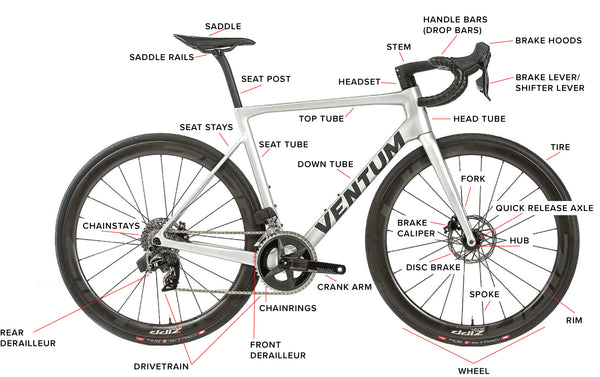
Credit: hincapie.com
Future Trends In Fork Design
Exploring future trends, road bike fork designs are evolving with advanced materials and aerodynamics. Carbon fiber forks provide lighter and more efficient rides. Integrated designs enhance performance by reducing drag, offering cyclists smoother and faster journeys.
Innovations And Technology
New fork designs focus on lightweight materials. These materials help bikes go faster. Engineers use carbon fiber for strength and lightness. Some forks have advanced shock absorbers. These make rides smoother on bumpy roads. Smart sensors in forks can tell you about road conditions. This helps riders stay safe.
Sustainability Aspects
Forks are now made with recycled materials. This helps the environment. Manufacturers use less energy during production. This reduces pollution. Some companies plant trees to offset carbon emissions. Eco-friendly packaging is used for shipping. This keeps nature clean.
Market Predictions
Experts say fork sales will increase. More people want bikes with new designs. Electric bikes need strong forks. These bikes are becoming popular. Fork prices might go down as technology improves. Many people will buy customizable forks. They like to choose colors and styles.
Frequently Asked Questions
What’s Better, Air Or Coil Forks?
Air forks are lighter and offer easy adjustability, ideal for versatile riding. Coil forks provide consistent performance and are better for rough terrains. Choose based on your riding style and terrain preference.
What Are The Two Types Of Bike Forks?
There are two main types of bike forks: rigid forks and suspension forks. Rigid forks provide no shock absorption, ideal for road cycling. Suspension forks absorb impacts, suitable for mountain biking. Choose based on your cycling needs and terrain.
Which Is Better, Rigid Fork Or Suspension?
Choose rigid forks for smoother roads and lighter bikes. Opt for suspension forks on rough terrains for added comfort and control. Your riding style and terrain determine the best choice. Both have unique advantages, so consider your needs before deciding.
What Are The Different Types Of Bike Front Suspension?
There are several types of bike front suspension: coil spring, air spring, elastomer, and oil-damped. Coil spring offers durability. Air spring is lightweight and adjustable. Elastomer provides basic suspension for casual riders. Oil-damped, used in high-performance bikes, ensures smooth and controlled rides.
Conclusion
Choosing the right road bike fork can enhance your cycling experience. Consider your riding style and needs. Each fork type offers unique benefits. Carbon forks are lightweight and absorb vibrations. Steel forks provide durability and a smooth ride. Aluminum forks are cost-effective and strong.
Your choice affects comfort and performance. Take time to evaluate your options. The best fork for you depends on your preferences. Understanding these differences helps in making informed decisions. Enjoy your rides with the right fork choice. Happy cycling!



