
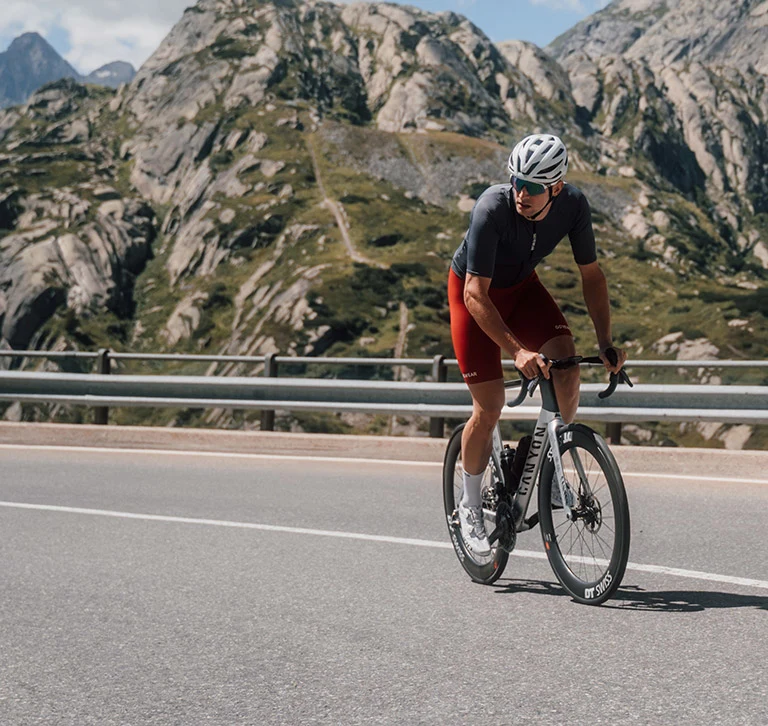
Imagine gliding effortlessly over smooth asphalt, your legs spinning in a perfect rhythm, and feeling the exhilarating rush as you conquer each mile. This isn’t just a dream—it’s the reality you can achieve with the right cadence training for your road bike adventures.
You might be wondering, what exactly is cadence, and how can it transform your cycling experience? It’s the secret sauce that can boost your efficiency, enhance your endurance, and make your rides more enjoyable. You’ll discover practical tips to master your cadence, helping you ride faster and longer with less effort.
Let’s dive into these game-changing strategies and revolutionize the way you ride. Your best biking days are just a few pedal strokes away!

Credit: www.coospo.com
Importance Of Cadence
Cadenceis the speed of your pedaling. It affects your bike ride. A steady cadence can make cycling easier. It helps you ride longer. It also helps with less effort.
Many bikers aim for a cadence of 80-100 RPM. This range is considered ideal for most cyclists. It helps to keep your muscles relaxed. It saves energy and improves performance.
Practicing cadence can enhance your cycling skills. It helps in maintaining speed on different terrains. Consistent cadence reduces chances of muscle fatigue. It also supports the heart rate to stay steady.
Using a cadence sensor on your bike can be helpful. It tracks your pedaling speed. This device gives real-time feedback. It can assist you in maintaining optimal cadence.
Optimal Cadence Range
Finding the right cadence can improve your biking performance. Most riders find comfort between 80 and 100 revolutions per minute (RPM). This range helps in maintaining speed and reducing fatigue. Pedaling too slow can strain your muscles. Pedaling too fast may tire you out quickly.
Understanding your body’s needs is crucial. Listen to how your legs feel during rides. Adjust your cadence based on terrain and personal comfort. Experimenting with different speeds can help you find your perfect pace. Keeping a steady cadence in flats and slight inclines is beneficial. On steep climbs, a lower cadence might be needed.
Using a bike computer can help track your cadence. This device gives real-time feedback. It helps you stay within your desired range. Consistency in practice leads to improved endurance and efficiency. Remember, the goal is a smooth and comfortable ride.
Measuring Cadence
Using a cadence sensor helps track your pedaling speed. These small devices attach to your bike. They send data to a computer or phone. This shows how fast you pedal. Knowing your cadence helps improve your cycling. Aim for a cadence between 70 to 90 RPM. This is good for most cyclists. It keeps your legs from getting too tired.
Some bikes have built-in sensors. Check your bike for this feature. If not, consider buying one. Sensors are easy to install. They usually come with instructions. Follow them for the best results. Keep your sensor clean for accurate readings. Dust and dirt can affect its performance. Regular checks ensure it works well.
Techniques To Improve Cadence
Enhancing road bike cadence involves consistent practice and focus. Begin with interval training to build endurance. Use a metronome or cadence sensor to maintain steady pedaling rhythm. Gradually increase intensity while keeping a smooth pedal stroke. Regularly adjust your bike’s gears to find the optimal cadence range.
Smooth Pedaling
Focus on making circles with your feet. This helps in smooth pedaling. Avoid bouncing on the seat. It saves energy. Practice on flat roads first. It is easier to control speed. Shift gears to keep pedaling light. This prevents muscle strain. Feel the bike’s rhythm and match it.
High Cadence Drills
Start with short bursts of fast pedaling. Keep your speed above 90 RPM. Count pedal strokes for one minute. Use a timer to track progress. Repeat the drill five times. Rest between each drill. This builds speed and strength. Remember to breathe deeply. Stay relaxed while pedaling fast.
Interval Training
Plan short, fast rides mixed with slow ones. Ride fast for one minute. Then slow down for two minutes. Repeat this cycle ten times. Use a timer to manage intervals. This improves endurance and speed. Adjust intervals as you get stronger. Keep a record of your progress.
Cadence Tools And Equipment
Bike computers help track your speed and distance. They display your cadencein real-time. Many models show heart rateand calories burned too. Some are wireless for easy setup. They attach to your bike’s handlebars. Choose one with a clear screen for easy reading.
Cadence sensors measure how fast you pedal. They attach to your bike’s crank arm. They send data to your bike computer or phone. This helps you keep a steady pace. Some sensors are Bluetooth enabled. Look for sensors with long battery life.
Smartphone apps track your cycling progress. They show your cadence, speed, and distance. Most apps are free or have low-cost options. Apps offer mapsand route planning. They can be used with cadence sensors for better data. Make sure your phone is secure while riding.

Credit: www.facebook.com
Common Cadence Mistakes
Pedaling very fast can be tiring quickly. Muscles can get tired easily. It can hurt your bike efficiency. Balance your speed and effort. Listen to your body. Find a comfortable rhythm. Keep it steady.
Good form is key for riding. Keep your back straight. Use your core muscles. Relax your shoulders. Avoid bouncing on the seat. It helps save energy.
Terrain changes need changes in pedaling. Going uphill needs slower, steady pedaling. Downhill needs faster, lighter pedaling. Flat roads need smooth, even pedaling. Adapt to the road for a better ride.
Integrating Cadence With Overall Training
Enhancing road bike performance involves syncing cadence with overall training. Focus on pedal speed to improve efficiency and endurance. Tailor exercises to match personal fitness levels for optimal results.
Strength Training
Strength training builds strong muscles for better biking. Focus on your legs and core. Use squats and lunges to improve leg power. Deadlifts also help in building strength. Keep exercises simple and safe.
Endurance Building
Endurance helps you ride longer distances. Start with short rides and increase slowly. Maintain a steady pace for lasting energy. Use a cadence monitor to keep track. Aim for a cadence of 90 RPMs. Stay hydrated during rides.
Mental Focus
Mental focus improves your biking performance. Stay calm and concentrate on your path. Practice deep breathing for relaxation. Visualize successful rides to boost confidence. Listen to music if it helps you focus.
Cadence Training Plans
Enhance your road biking experience by focusing on cadence. Aim for consistent pedal revolutions. This boosts efficiency and endurance. Practice varying your speed during rides to adapt to different terrains. Keep track of your cadence with a bike computer or app for improvement.
Beginner Plans
Start with a slow pace. Aim for 60-70 RPM on your bike. Focus on smooth pedaling. Keep your body relaxed. Practice for 30 minutes each session. Increase duration as you improve. Monitor your progress weekly. Celebrate small achievements.
Intermediate Plans
Increase your RPM to 80-90. Work on consistency. Use a metronome app to keep pace. Ride on varied terrains. Mix flat and hilly routes. Add interval training to your routine. Alternate between high and low intensity. Challenge yourself to push harder.
Advanced Plans
Target RPM of 90-100 for advanced cadence. Maintain high RPM on tough climbs. Practice sprinting at high cadence. Include endurance rides in your plan. Increase ride duration gradually. Track progress with a cadence sensor. Aim for efficiency and speed.

Credit: www.facebook.com
Frequently Asked Questions
How Do You Train Cadence On A Road Bike?
Increase cadence by maintaining a steady pedal speed. Use a bike computer to monitor RPM. Practice on flat terrain. Gradually increase RPM for improved efficiency. Focus on smooth pedal strokes and consistent rhythm. Regular cadence training builds endurance and speed.
How Do You Improve Cadence In Cycling?
Increase cadence by practicing with a metronome or cadence sensor. Focus on smooth, consistent pedal strokes. Incorporate interval training and cycling drills. Optimize bike setup for comfort and efficiency. Strengthen leg muscles with targeted exercises. Maintain consistent riding frequency to gradually improve cadence and cycling performance.
What’s A Good Cadence For Road Cycling?
A good cadence for road cycling is typically between 80-100 RPM. This range optimizes efficiency and reduces fatigue. Adjust based on terrain and personal comfort. Practicing different cadences can improve overall performance and endurance.
Is 70 A Good Cadence?
A cadence of 70 RPM is generally considered low for cycling. Most cyclists aim for a cadence between 80-100 RPM. A lower cadence may lead to increased muscle fatigue. Adjusting cadence can improve efficiency and comfort during rides.
Conclusion
Cadence training improves road biking skills and endurance. Regular practice boosts performance. Consistency is key. Start slow and gradually increase your speed. Listen to your body to avoid injury. Use a cadence sensor for accurate tracking. Mix high and low cadence sessions for balance.
Stay hydrated and maintain a balanced diet. Enjoy the journey and see gradual progress. Celebrate small wins along the way. Remember, improvement takes time and patience. Keep pedaling, and you’ll reach your goals. Happy cycling!



