
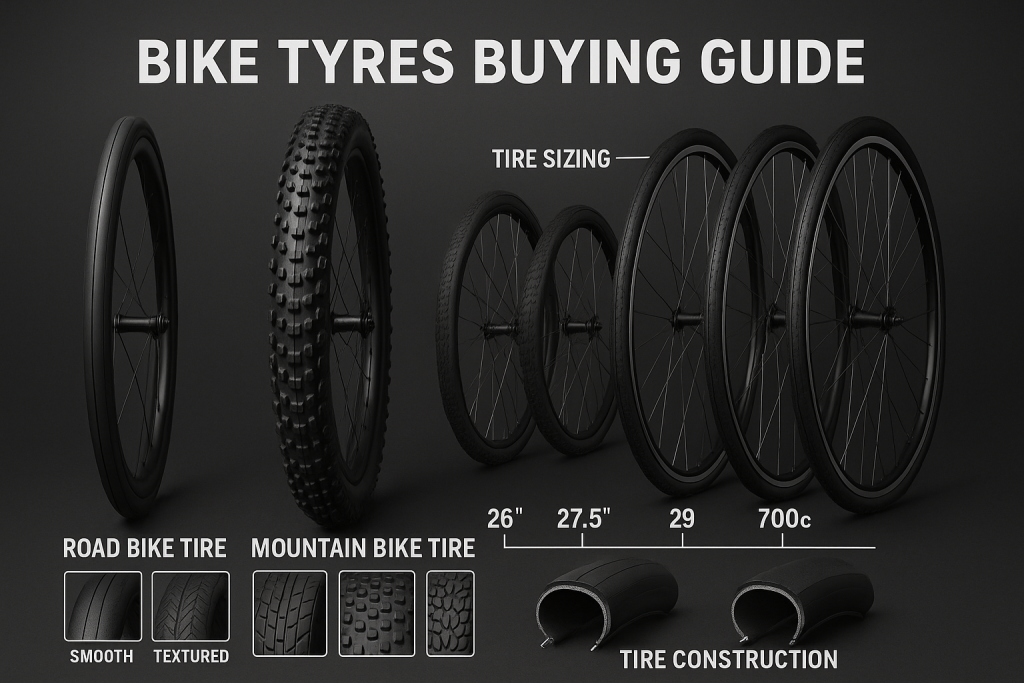
Are you ready to hit the trails with your mountain bike but feeling unsure about choosing the right tire width? You’re not alone.
Many cyclists overlook the importance of tire width, yet it plays a crucial role in your biking experience. The right width can mean the difference between a smooth ride and a bumpy, challenging one. Imagine gliding effortlessly over rugged terrain or struggling with every pedal stroke.
Which would you prefer? In this guide, we’ll unlock the secrets of mountain bike tire widths, helping you find the perfect fit for your bike and riding style. Stick with us to discover how the right choice can enhance your performance, boost your confidence, and elevate every adventure.

Credit: www.greensafaris.com
Tire Width Basics
Mountain bike tires come in different widths. Common widths are 2.0 to 2.5 inches. Narrow tires are faster and lighter. Wider tires offer more grip on rough trails. Choose the width based on the terrain.
Several factors influence tire width choice. Terrainis the main factor. Rocky paths need wider tires. Smooth trails can use narrower tires. Rider’s weightalso matters. Heavier riders may prefer wider tires for stability. Personal preference plays a role too. Some riders like wider tires for comfort. Others prefer narrow tires for speed.
Impact On Performance
Wider tires offer better tractionand grip. They contact more ground. This helps in slippery or uneven paths. Narrow tires slip more on such surfaces. Wider tires make riding safer. They help prevent falls. Riders feel more controland confidence. Wider tires are popular with off-road bikers. They enjoy the extra grip.
Narrow tires are faster on smooth roads. They have less air resistance. This makes them more efficientfor speedy rides. Wider tires slow you down. They need more energy to pedal. On flat roads, narrow tires win. Bikers who like speed pick narrow tires. It’s easier and quicker for them.
Terrain Considerations
Choosing the right tire width affects grip and control on different terrains. Wider tires provide stability in rough, muddy trails. Narrower tires suit smooth, hard-packed paths for increased speed.
Rough Trails
Mountain biking on rough trails is a thrilling adventure. Wide tires provide better grip. They help to keep balance on tricky paths. Tires with more width can handle bumps and rocks. They make rides safer and smoother. Wide tires have more surface area. This gives extra stability on uneven ground. Riders can feel more secure with them. Choose a width between 2.3 to 2.8 inches for these trails.
Smooth Paths
On smooth paths, narrower tires are a smart choice. They are faster and lighter. Less rubber touches the ground. This makes pedaling easier. Tires between 1.9 to 2.1 inches work well. They offer less rolling resistance. Riders can enjoy a quick and easy ride. These tires help to move swiftly on flat paths. Speed lovers prefer them for smooth surfaces.
Credit: www.santafixie.com
Weather Adaptability
Mountain bike tires need special features for rainy days. Wider tires offer better grip on muddy tracks. Mud can be slippery, and wide tires help avoid falls. Knobby tread patterns are essential for wet trails. They provide traction and control. Soft rubber compounds enhance grip on wet surfaces.
Dry trails require different tire features. Narrow tires roll faster on dry paths. They help in picking up speed easily. Smooth tread patterns are crucial for dry terrain. They reduce rolling resistance. Hard rubber compounds improve durability on hard surfaces.
Choosing The Right Width
Beginner riders need wider tires. Wider tires offer more stability and control. Experienced riders prefer narrower tires. Narrow tires provide more speed and agility. Choose based on your skill level. Comfort is key for new riders. Speed matters for experts. Balance between width and skill level.
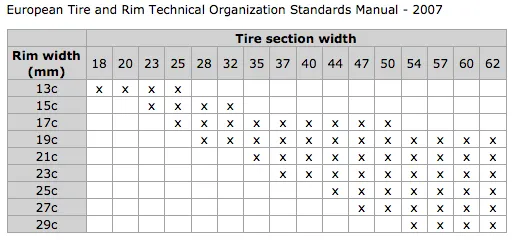
Check your bike frame size. Frames have limited space for tires. Measure tire clearance carefully. Wider tires need more clearance. Narrow tires fit smaller frames. Look at the rim width. Rims affect tire choice. Wider rims suit wider tires. Ensure compatibility for best performance.
Maintenance And Care
Choosing the right mountain bike tire width is vital for safety and performance. Proper maintenance ensures tires last longer and perform well. Regular checks and care help prevent accidents and improve your biking experience.
Tire Pressure
Keeping the right tire pressureis important for a safe ride. Low pressure makes tires soft. This can cause damage. High pressure can make tires burst. Check tire pressure every week. Use a good pressure gauge. Read the numbers on the tire. Keep pressure in the suggested range. It helps in smooth riding.
Wear And Tear
Tires wear out with time. Look for cracks on the tires. Also, check for worn-out treads. This is a sign to change tires. Riding on rough paths wears tires faster. Rotate tires often for even wear. Clean tires after every ride. Dirt and mud cause damage. A clean tire lasts longer.
Future Trends
Many bike makers are creating new tire shapes. These designs help bikes move faster. They also make it easier to ride on bumpy paths. Some tires have special patterns that grip the ground better. This stops the bike from slipping. Small changes can make a big difference. These designs help people enjoy biking more.
Tires use better materialsnow. These materials make the tires last longer. They also help the bike go smoother. Some tires are lighter, which makes riding easier. Others are strong and don’t break easily. New materials help tires work well in all weather. Rain or sun, these tires keep you safe.
Credit: www.bikeradar.com
Frequently Asked Questions
How Wide Should My Mtb Tires Be?
MTB tire width typically ranges from 2. 1 to 2. 6 inches. Choose wider tires for increased grip and stability on rough terrain. Narrower tires suit smoother trails and faster rides. Consider your trail type and riding style to find the ideal width for your mountain biking needs.
Should I Get A Wider Front Or Rear Mountain Bike Tire?
Choose a wider front tire for better control and stability. It enhances grip on various terrains. A narrower rear tire reduces rolling resistance, improving speed and efficiency. Optimize your mountain biking experience by balancing tire widths for your specific riding conditions and style.
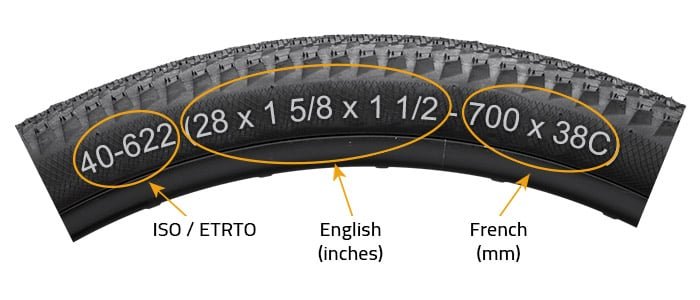
Which Tire Is Wider, 60 Or 75?
Tire width is indicated by the second number in tire size. A 75 tire is wider than a 60 tire.
Are 700c And 29er The Same Size?
Yes, 700C and 29er refer to the same wheel size, measuring approximately 622mm in diameter. They are commonly used in road and mountain bikes. The main difference lies in tire width and tread, with 700C favoring road bikes and 29er for mountain bikes.
Conclusion
Choosing the right mountain bike tire width makes a huge difference. Comfort, control, and speed rely on this choice. Wider tires offer better grip, especially on rough trails. Narrow tires roll faster on smooth paths. Consider terrain and riding style when selecting.
Think about your skill level too. Beginners might prefer wider tires for stability. Advanced riders may choose narrow ones for speed. Always test different widths to find your perfect fit. This ensures a great riding experience. Remember, the right tire width enhances your biking adventure.
Enjoy the trails with confidence and safety.



