
Are you tired of bouncing around on trails like a rubber ball? Do you feel like your mountain bike just isn’t performing as it should?
You’re not alone. Many riders struggle with getting their suspension just right. But here’s the good news: with the right tuning tips, you can transform your ride into a smooth, responsive machine that adapts perfectly to every bump and curve.
Imagine gliding over rocky terrain with ease, feeling every inch of the trail without the jarring impact. That’s the magic of perfectly tuned suspension. By understanding and adjusting your bike’s suspension settings, you can enhance your control, increase your speed, and, most importantly, boost your confidence on the trails. This isn’t just about comfort—it’s about unlocking the full potential of your bike and your abilities. We’ll guide you through essential suspension tuning tips that will revolutionize your mountain biking experience. Whether you’re a seasoned pro or a weekend warrior, these insights are designed to help you get the most out of your ride. Ready to feel the difference? Let’s dive in!
Suspension Types
Discover key mountain bike suspension tuning tips for a smoother ride. Adjust sag, rebound, and compression for optimal performance. Keep your bike responsive on varied terrains by fine-tuning these settings regularly.
Hardtail Vs Full Suspension
Hardtail bikes have a rigid rear. This makes them light and easy to handle. Full suspension bikes have shocks on both wheels. They give a smooth ride. Hardtails are great for simple trails. Full suspension is better for rough, rocky paths. Choose a bike based on your trail type.
Air Vs Coil Systems
Air systems use compressed air. They are light and easy to adjust. Coil systems have metal springs. They offer a strong and stable ride. Air systems are great for beginners. Coil systems are good for heavy-duty trails. Both systems have pros and cons. Pick the one that suits your ride style.
Basics Of Suspension Tuning
Sag is how much your bike sinks when you sit on it. It helps your bike stay balanced. You need to measure sag while standing still. Use a ruler to check how much the bike moves down. The ideal sag is usually 20% to 30% of the total suspension travel. Adjust the air pressure or spring preload to change the sag. More sag means a softer ride. Less sag makes the ride firmer.
Rebound controls how fast the suspension returns after hitting a bump. If it comes back too fast, the ride can feel bouncy. Too slow, and it feels sluggish. Turn the rebound knob to change the speed. Turn it clockwise for slower rebound. Counterclockwise makes it faster. Test your bike on different trails. Find what feels best for you. Always make small changes and test again.
Advanced Tuning Techniques
Enhancing your mountain bike’s suspension can improve comfort and control on trails. Adjusting air pressure, rebound, and compression settings helps tailor the ride to your terrain and style. Regular maintenance ensures optimal performance and longevity.
Compression Settings
Compression settings adjust how your bike’s suspension absorbs bumps. Too much compression can make the ride stiff. Too little can make it bouncy. Find the sweet spot by testing different settings. Ride over rough paths and observe your bike’s reaction. Adjust slightly and see what feels best. Always make small changes. It’s easier to notice differences.
Preload Adjustments
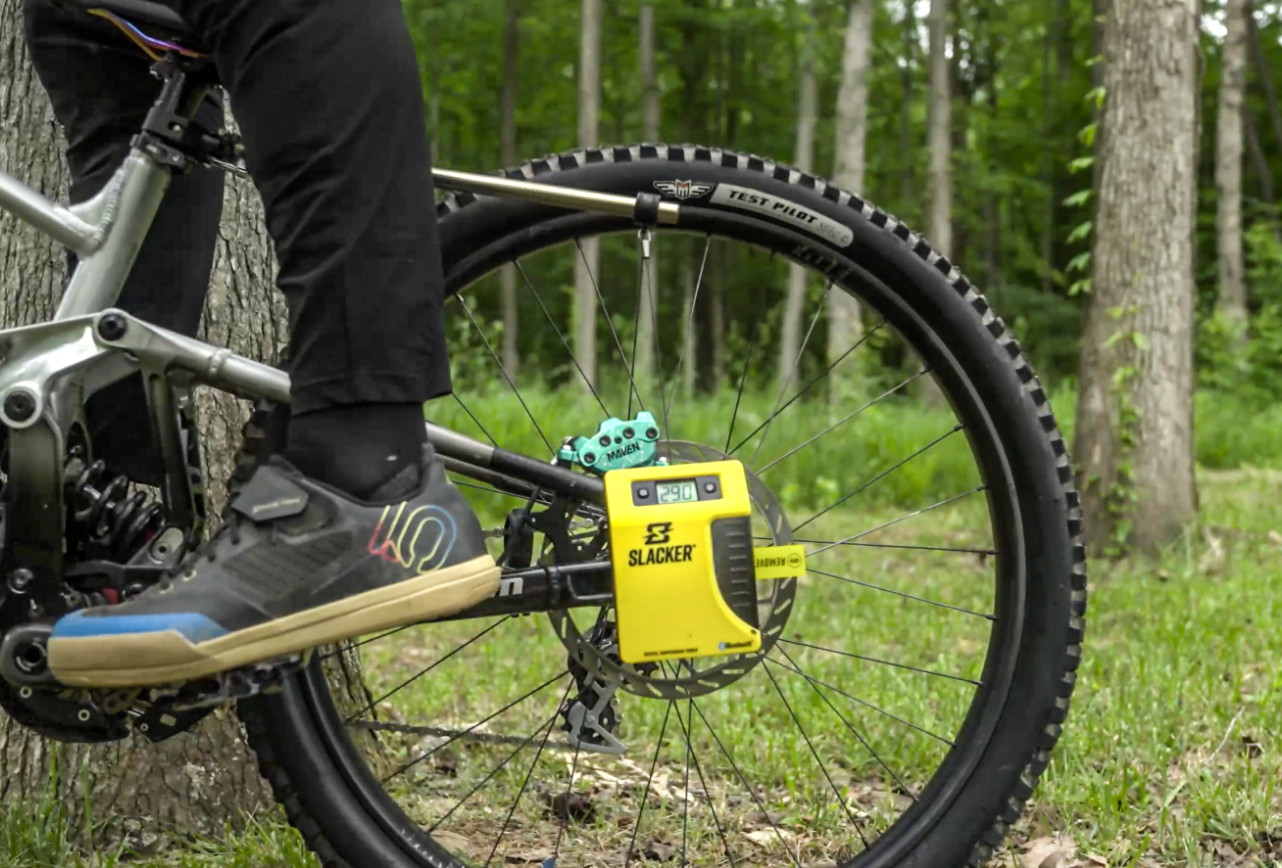
Preload affects how your suspension behaves under weight. Adding preload makes the bike sit higher. This is good for heavier riders. Reducing preload lowers the bike. It’s helpful for lighter riders. Adjust preload to find your comfort level. Always check with a friend while adjusting. It’s easier to see changes with help.
Credit: www.bikemag.com
Customizing For Trail Conditions
Fine-tuning mountain bike suspension enhances performance on varied trails. Adjust settings for optimal grip and control on rugged terrains. Balance compression and rebound according to specific trail demands for a smoother ride.
Rocky Terrain Adjustments
Rocks need strong suspension. Make your bike ready for bumps. Increase the compression damping. This helps the bike absorb shocks. Adjust the rebound dampingtoo. Quick rebound helps over rocks. Check tire pressure. Lower pressure gives better grip. Use wide tires for stability. They handle rocky paths well.
Smooth Trail Optimization
Smooth trails need different settings. Decrease compression damping. This lets the bike move freely. Adjust rebound dampingslower. It keeps the bike steady. High tire pressure works best here. It reduces rolling resistance. Narrow tires may be helpful. They are lighter and faster on smooth paths.
Tools And Equipment
The right tools make bike tuning easier. A set of Allen wrenches is crucial. They help tighten and adjust bolts. A suspension pump is needed for air shocks. It helps adjust air pressure. A torque wrench ensures bolts are not too tight. A shock pump helps in fine-tuning. Always keep a clean rag nearby. It helps wipe off dirt and grease. A bike stand makes work comfortable. It holds the bike steady. This prevents falls and damage.
Having extra equipment can be helpful. Spare tubes are a must. They save time during flats. Tire levers help remove tight tires. A multi-tool is handy for quick fixes. A chain breaker helps repair chains. Consider carrying a patch kit. It fixes punctures on the trail. A small air pump fits in a backpack. It ensures tires are always firm. A headlamp is useful for night rides. It helps see and be seen.
Common Mistakes
Many riders make the mistake of over-tighteningtheir suspension. This can lead to a stiff ride. The bike won’t absorb bumps well. It can also cause damage to the components. Always follow the manufacturer’s torque specs. Use the right tools to avoid over-tightening. A torque wrench is very helpful. It ensures the correct tightness every time.
Ignoring feedback from your bike can be a big mistake. Your bike gives clues about its performance. Pay attention to sounds and how it feels. These signals can tell you if something is wrong. Adjust the suspension based on these clues. A well-tuned suspension makes the ride smooth. It also makes it safer and more fun. Listen to your bike for the best experience.
Maintenance Tips
Inspect your mountain bike regularly. Check for any loose bolts. Examine the suspension system closely. Look out for wear or damage. Tighten any loose parts immediately. This prevents accidents during rides. Check the air pressure in the shocks. Keep it within recommended levels. Regular inspections help maintain bike performance.
Keep your bike clean and well-lubricated. Dirt can harm the suspension system. Use a soft brush for cleaning. Remove mud and dust gently. After cleaning, apply lubricant to moving parts. Lubrication reduces friction and wear. Choose the right lubricant for your bike. This keeps the suspension smooth and efficient.

Credit: www.youtube.com
Expert Advice
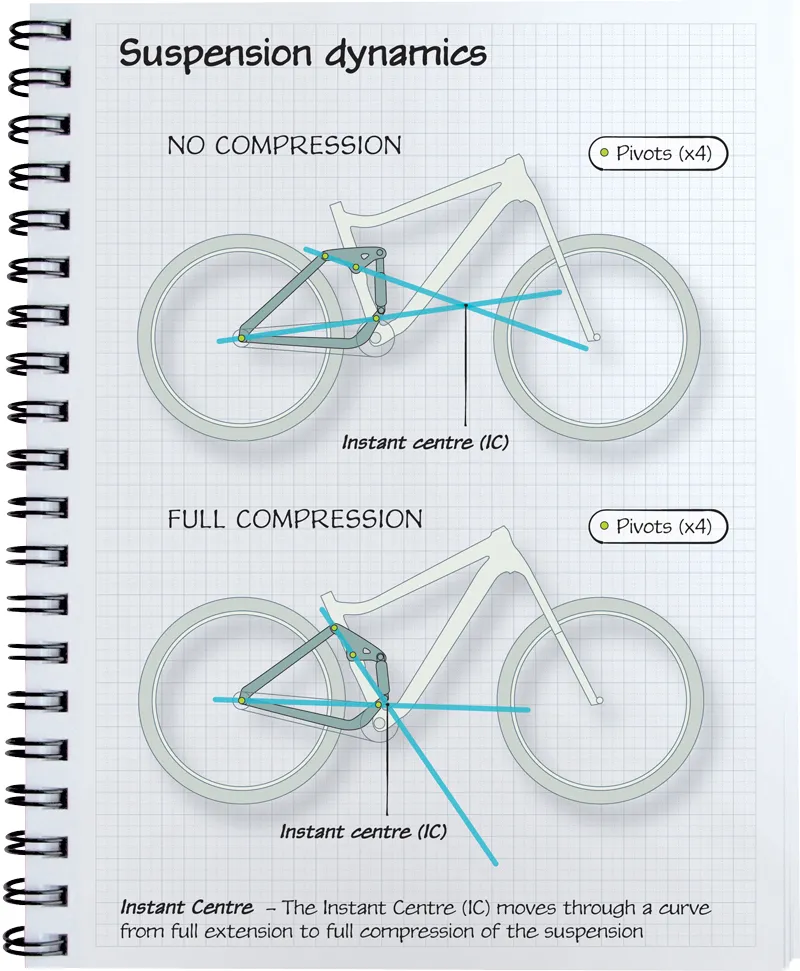
Pro riders often share valuable tips on bike suspension tuning. They suggest starting with a baseline setup. This makes it easier to notice changes. Adjusting the sagis crucial. It affects how your bike handles bumps. Use the right amount of air pressure in your shocks. This can improve your ride comfort.
Mechanics recommend checking your suspension regularly. A well-maintained suspension lasts longer. Clean your shocks to avoid dirt buildup. It prevents damage. Lubricate the moving parts to ensure smooth operation. Always use the recommended tools and fluids. Incorrect usage can damage your bike. Test your settings on different trails. This helps in finding the perfect setup.
Credit: www.bikeradar.com
Frequently Asked Questions
What Is The Best Suspension Setting For A Mountain Bike?
The best suspension setting depends on terrain, rider preference, and bike type. Start with sag at 25-30% of travel. Adjust rebound for stability and comfort. Tune compression settings based on trail conditions. Regularly test and tweak settings to match riding style and conditions for optimal performance.
How To Make Your Suspension More Bouncy?
Enhance suspension bounce by adjusting shock absorber settings or installing softer springs. Consider upgrading to air suspension for better flexibility. Regularly check and maintain suspension components to ensure optimal performance.
How Do You Tune Mountain Bike Front Suspension?
Adjust the air pressure in the suspension fork based on your weight. Set the rebound for smooth ride control. Use the compression adjustment for terrain adaptation. Regularly check and maintain the suspension system for optimal performance. Always refer to the manufacturer’s manual for specific tuning instructions.
What Are The Symptoms Of Too Much Rebound Damping?
Excessive rebound damping causes poor suspension recovery after impacts. It leads to a harsh ride, reduced grip, and handling instability. Wheels may struggle to maintain contact with uneven surfaces, resulting in increased tire wear and discomfort for riders. Adjust damping settings to improve ride quality and performance.
Conclusion
Tuning your mountain bike suspension is essential. It ensures a smoother ride. Adjust settings based on your trail. This boosts comfort and control. Experiment with different settings. Find what suits your style best. Take notes of changes you make. This helps track improvements.
Always maintain your bike regularly. Clean components and check for wear. Proper care extends your bike’s life. Enjoy biking with confidence. Remember, small tweaks can make a big difference. Happy riding!



