
Are you looking to conquer the trails with a new mountain bike, but unsure about the right size? Choosing the perfect mountain bike size is more crucial than you might think.
It’s not just about comfort—it’s about enhancing your performance and ensuring safety while riding. Imagine gliding smoothly over rough terrains without the discomfort of an ill-fitting bike. In this guide, we’ll walk you through everything you need to know to find the mountain bike that fits you like a glove.
Get ready to transform your biking experience with insights that make the decision-making process as easy as a downhill ride. Dive in, and let’s gear up for your next adventure!
Importance Of Proper Bike Sizing
Choosing the right bike size is very important. It affects your comfort and safety. A bike that’s too big or small can be hard to ride. You might get tired quickly or hurt yourself. Proper sizing makes riding fun and easy. You can ride longer without feeling tired. It helps you control the bike better.
Here are some key points to consider for bike sizing:
- Measure your height correctly.
- Check your inseam length.
- Choose the right frame size.
- Test the bike before buying.
These steps ensure the bike fits well. A good fit boosts confidence and enjoyment. It helps you ride safely and comfortably.
Factors Influencing Bike Size
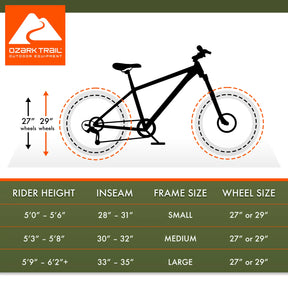
Height and inseam are key for choosing a mountain bike. Measure your height carefully. Stand straight against a wall. Use a ruler for inseam measurement. Wear shoes when measuring. This helps find the right size. Compare measurements with bike charts. Charts show suitable sizes. Comfort depends on correct sizing.
Riding style affects bike choice. Different styles need different features. A downhill rider needs a sturdy frame. Trail riders prefer versatile bikes. Cross-country riders want lightweight bikes. Match your style to the bike type. Each style offers unique experiences. Riding becomes more enjoyable. Safety improves with correct style.
Frame design affects bike handling. Geometry impacts comfort and control. Longer frames offer stability. Shorter frames provide agility. Check the bike’s design details. Handlebar height is important. Seat position matters too. Geometry influences riding posture. Comfort increases with proper design. Understand frame details for better rides.
Measuring Your Body For A Bike
Finding the right mountain bike size ensures comfort and control on trails. Measure inseam and height for accurate sizing. Use these measurements to select a bike frame that matches your body dimensions.
How To Measure Height Accurately
Stand straight against a wall. Keep your feet together. Use a pencil to mark the top of your head. Measure from the floor to the mark. This gives your height.
Calculating Inseam Length
Wear shoes for this step. Stand with your back against a wall. Place a book between your legs. Slide it up gently. Measure from the floor to the top of the book. This is your inseam length.
Assessing Upper Body Dimensions
Stand straight with arms relaxed. Use a tape measure across your chest. Measure from shoulder to shoulder. This helps in choosing the right bike frame size.
Understanding Frame Sizes
Bike sizes are often labeled as small, medium, or large. These labels help riders find the right fit. A small frameis for shorter adults. Medium frames suit average height adults. A large frameis best for taller riders. Always check the bike’s measurements before buying. This ensures a comfortable ride.
A bike’s frame size affects comfort and control. A too-small frame may feel cramped. A too-large frame might be hard to handle. Proper size allows for better balance. It reduces strain on the back and knees. A well-fitted bike makes long rides enjoyable.
Not everyone fits into small, medium, or large categories. Some brands offer intermediate sizes. These include extra-small or extra-large options. Riders can also adjust seat height and handlebar position. This helps achieve the best fit.
Testing Bike Fit
Testing Bike Fit Ensure comfort and performance by selecting the right mountain bike size. Check frame height and stand-over clearance. Aim for a comfortable riding posture with slight knee bend when seated.
Importance Of A Test Ride
Test rides help find the perfect bike fit. Feel the bike’s balance and comfort. Check how smoothly it turns. Ensure easy pedaling and braking. A test ride shows if the bike fits well. It’s important for long rides.
Signs Of A Good Fit
- Feet touch the ground easily.
- Hands reach the handlebars comfortably.
- Knees don’t hit the handlebars.
- Back feels straight, not bent.
Adjustments For Optimal Comfort
Adjust the seat for a better fit. Raise or lower the handlebars. Make sure the pedals are easy to reach. Check the seat angle for comfort. Small changes can improve ride comfort.

Credit: bikefit.com
Customizing Your Bike Fit
Customizing your bike fit ensures comfort and control on mountain trails. Find the right size by considering height, leg length, and reach. Adjusting seat height and handlebar position enhances your biking experience.
Seat Height Adjustments
Setting the seat height correctly is very important. Your legs should be almost straight when pedaling. This helps to ride comfortably and avoid injuries. To adjust, sit on the bike and place the heel on the pedal. The leg should be straight at the lowest point. If not, change the seat height until it fits perfectly. This simple adjustment makes a big difference in comfort and performance.
Handlebar Positioning
The handlebar position affects control and comfort. It should be level with the seat or slightly lower. This helps maintain a good posture and reduces strain. To find the right height, stand over the bike and hold the handlebars. Your elbows should be slightly bent. Adjust the height until it feels right. Remember, comfort is key for a smooth ride.
Fine-tuning Suspension Settings
Suspension settings make rides smoother on rough terrain. Check the front and rear suspension. Adjust them according to your weight and riding style. Use a shock pump for precise settings. Softer settings absorb more bumps, while firmer settings give better control. Experiment to find what feels best for you. Enjoy a smooth and controlled biking experience.
Common Mistakes In Bike Sizing
Personal comfort is key in mountain biking. Many riders choose bikes that look cool but feel wrong. Always test the bike before buying. Make sure the seat and handlebars feel right. A bike that fits well reduces pain and fatigue. Comfort boosts confidence on rough trails.
Terrain matters when choosing a bike size. Rough mountains need a sturdy bike. Smooth trails allow for lighter frames. Knowing your main riding area helps in picking the right bike. A bike suited for the terrain enhances performance. It keeps you safe and comfortable during rides.
Many riders forget to adjust bike components. Handlebars, seats, and pedals can be customized. Proper adjustments make a big difference. They can change how the bike feels and performs. Adjusting components ensures the best fit for your body. This leads to a better riding experience.

Credit: www.amazon.com
Tips For Buying A Mountain Bike
Choosing the right mountain bike size ensures comfort and control. Measure your height and inseam for accurate sizing. Consider the bike frame size and adjust the seat and handlebars for a perfect fit.
Choosing The Right Shop
Find a shop with a good variety of bikes. Ensure they have friendly staff. Test rides are important. Feel the bike before buying. Local shops often offer better service. They know the area trails well.
Consulting Experts
Experts help you choose the right size. They understand bike features. Ask questions about bike parts. Seek advice for your riding style. Experts know about trail conditions. Their experience is valuable.
Budget Considerations
Set a budget before shopping. Bikes can be expensive. Compare prices at different shops. Look for sales or discounts. Quality bikes cost more. Think about value for money. Remember, a good bike lasts longer.
Credit: digifolio.me
Frequently Asked Questions
What Size Mountain Bike Should I Get For My Height?
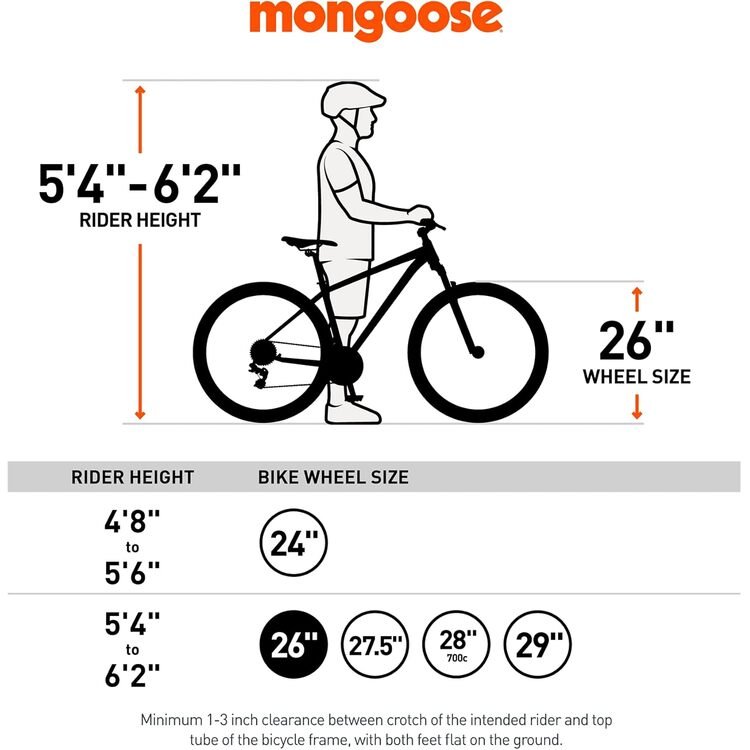
Choose a mountain bike size based on your height. Heights between 5’4″ and 5’7″ typically need a 16-17 inch frame. Riders 5’8″ to 6’0″ often prefer an 18-19 inch frame. Taller individuals over 6’1″ usually opt for 20-22 inch frames.
Always test ride for comfort.
What Size Person Is A 26-inch Mountain Bike For?
A 26-inch mountain bike suits riders between 5’0″ and 5’5″ tall. It’s ideal for teenagers and smaller adults. Ensure comfort and proper fit by checking the bike’s frame size, which varies by brand and model. Adjust saddle and handlebars for personalized comfort.
How Tall Should You Be For A 26 Or 29-inch Bike?
A 26-inch bike suits riders 5’0″ to 5’5″ tall. A 29-inch bike fits those 5’6″ to 6’2″. Consider inseam length for the best fit.
How Do I Size Myself For A Mountain Bike?
Measure your inseam and multiply by 0. 66 to get the frame size in inches. Test ride bikes to ensure comfort and control. Adjust the seat height so your leg is slightly bent at the bottom pedal. Check standover height; there should be 2-3 inches of clearance.
Conclusion
Choosing the right mountain bike size is essential. Comfort and control depend on it. Begin with measuring your height and inseam. Match these to bike size charts. Test different bikes if possible. Riding should feel natural and easy. Your knees should not touch the handlebars.
Pedaling should be smooth. Remember, a good fit prevents injuries. A proper size bike enhances your riding experience. Enjoy your rides with confidence and safety. Always prioritize your comfort and health. Keep exploring trails and enjoy the adventure. Happy biking!



