
Imagine gliding smoothly over rocky trails, feeling every bump and jolt absorbed effortlessly by your mountain bike’s shock absorbers. These unsung heroes of your biking experience make each ride enjoyable and safe.
Yet, how often do you think about caring for them? If you want to keep your rides smooth and extend the lifespan of your bike, understanding shock absorber care is crucial. You might wonder if you’re doing everything you can to maintain your bike’s performance.
Are you unknowingly shortening its life with neglect? You will discover simple and effective ways to care for your mountain bike’s shock absorbers, ensuring they work optimally and give you the best ride possible. Dive in to learn how a few mindful steps can transform your biking adventures, keeping them exciting and worry-free.
Choosing The Right Shock Absorber
Selecting the best shock absorber ensures a smooth mountain bike ride. Regular checks and proper adjustments can enhance performance and extend the life of your bike. Keep the shock absorber clean and well-maintained for a safe and enjoyable biking experience.
Types Of Shock Absorbers
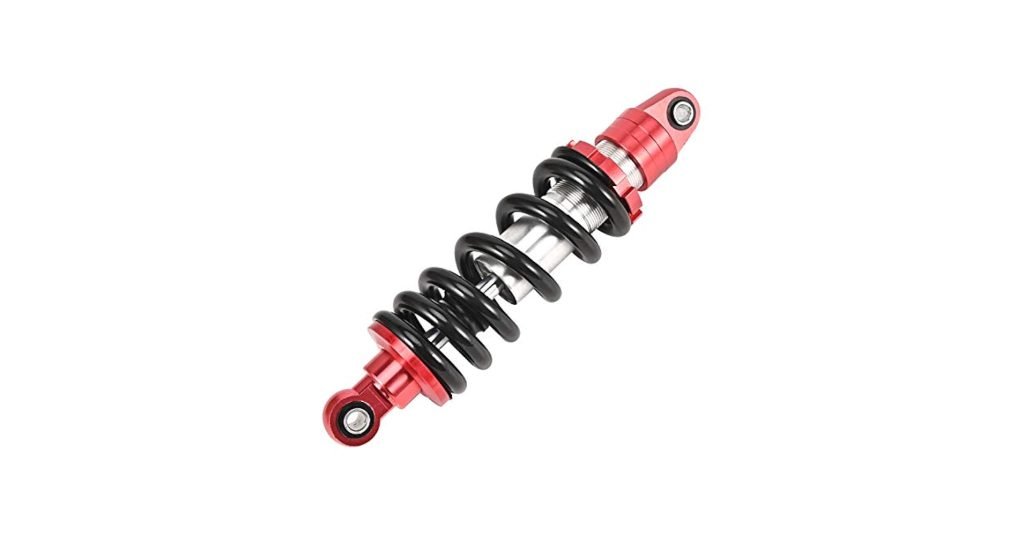
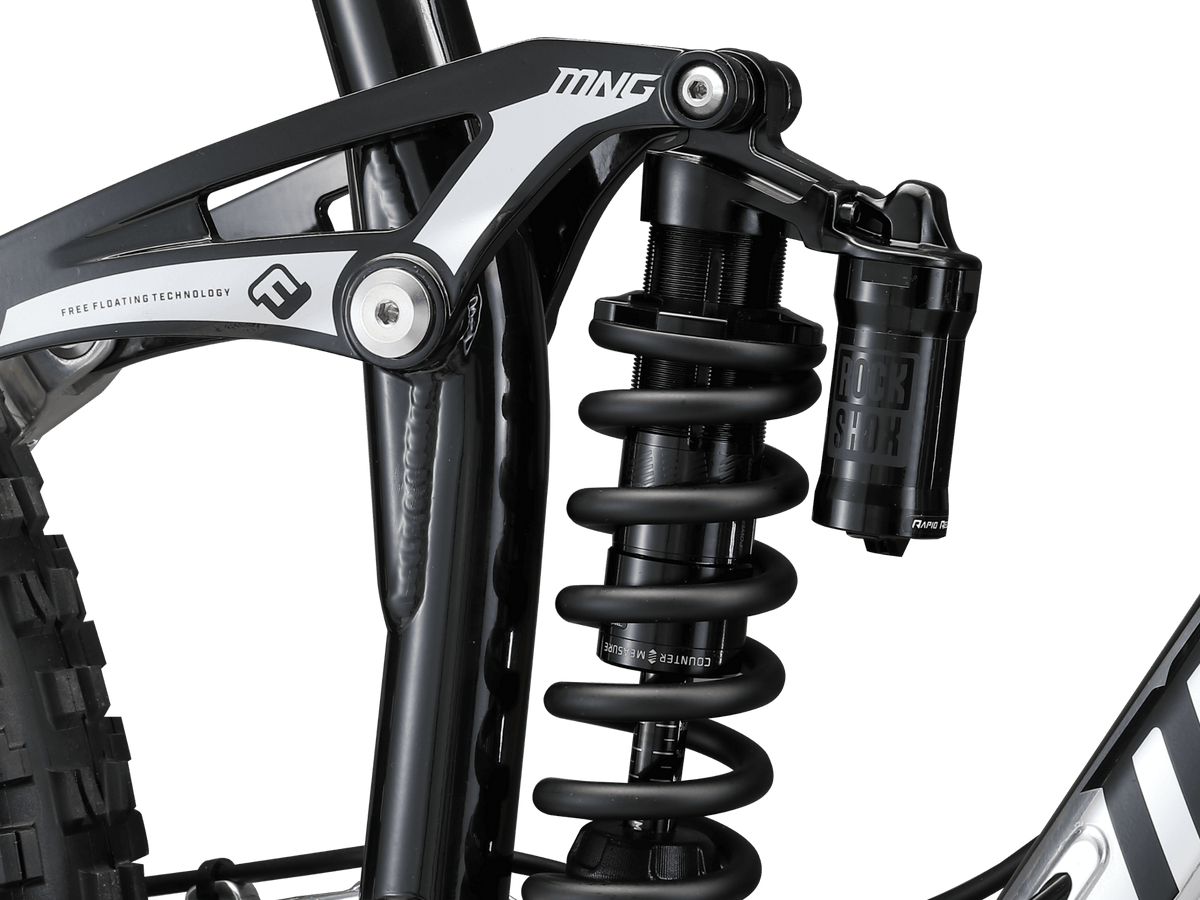
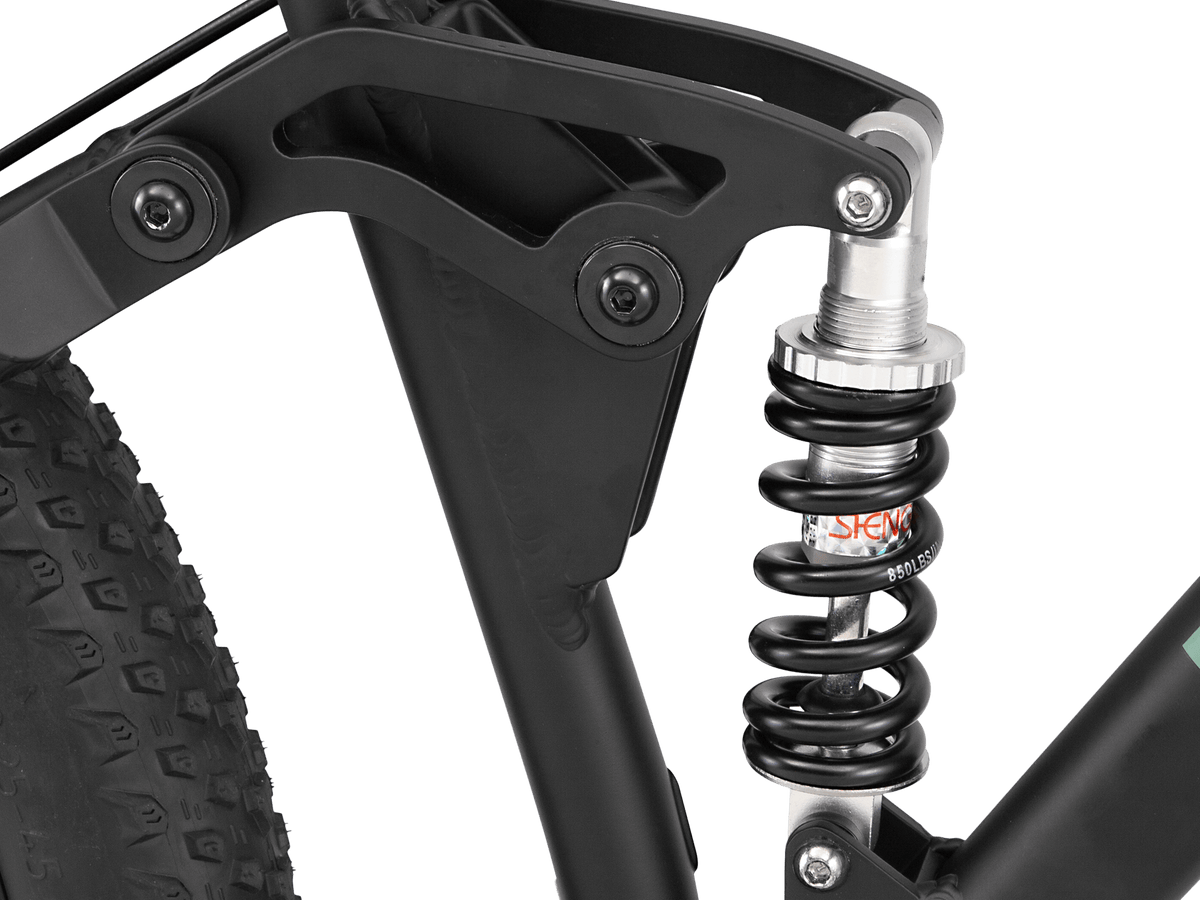
Mountain bikes have different shock absorbers. The main types are coil and air. Coil shocks are durable. They handle rough paths well. Air shocks are lighter. They are easy to adjust. Choose based on your bike’s needs.
Considerations For Terrain
Terrain affects shock absorber choice. Smooth paths need lighter shocks. Rocky trails need stronger shocks. Adjust shocks to fit the path. This makes riding easier. Always check the terrain before riding.
Credit: www.mongoose.com
Routine Inspection
Inspect the shock absorbers regularly for signs of wear and tear. Look for cracks, leaks, or rust on the surface. Feel for any unusual stiffness when pressing down. Check if the bolts are loose or missing. Ensure the springs are not damaged. Regular checks keep your ride safe and smooth.
Listen for any strange noises like clicks or squeaks. These may indicate a problem. Check if the bike feels bumpy or uneven. This could mean the shocks are not working well. If the bike leans to one side, it might be a sign of imbalance. Spotting issues early helps avoid bigger problems later.
Cleaning And Maintenance
Proper care of mountain bike shock absorbers ensures smooth rides. Regularly clean them to remove dirt and debris. Check for wear and oil leaks to maintain optimal performance.
Proper Cleaning Techniques
Keep your bike’s shock absorber clean for a smooth ride. Use a soft cloth to wipe off any dirt. Avoid spraying water directly on the shock. This can damage it. Use mild soap if needed. Dry it well with a towel. Check for any loose parts. Tighten them if necessary. Clean it after every ride. This helps in maintaining its performance.
Lubrication Tips
Lubricate the shock absorber regularly. Use a light oil for this task. Apply a few drops on the moving parts. Wipe off any extra oil with a cloth. Do not use too much oil. It can attract dirt. Lubricate once a month or after a muddy ride. Proper lubrication keeps it smooth and lasting longer.

Credit: www.amazon.com
Adjustment Techniques
First, check your bike’s sag. Sit on the bike gently. Measure the shock’s compression. It should be 25% of the full travel. Adjust it with the air valve or coil spring. This helps the bike move smoothly.
Next, adjust the rebound. This controls how fast the shock returns. Turn the knob slowly. Test it on a bumpy road. If it feels too quick, slow it down. If it’s too slow, speed it up. Keep testing until it feels right.
Riding in different places needs different settings. On rocky trails, soften the suspension a bit. This helps absorb big bumps. In muddy areas, increase rebound for better control. On smooth roads, firm up the suspension. This gives you more speed.
Always carry a pump and tools. You might need to adjust on the go. Practice makes perfect. Experiment and find what feels best. Enjoy the ride!
Repair And Replacement
Regular care of mountain bike shock absorbers ensures smooth rides and enhances performance. Timely repair and replacement prevent wear and tear, extending the bike’s lifespan. Proper maintenance keeps your adventures safe and comfortable.
Common Repair Needs
Mountain bike shock absorbers need regular check-ups. Dirt and debris can harm them. Keep them clean to avoid damage. Leaking oil is a common issue. It leads to poor performance. Check for cracks or dents in the shock body. These can affect the ride quality. Ensure air pressure is correct. Low pressure impacts the function. A regular inspection can help identify problems early.
Knowing When To Replace
Sometimes repairs are not enough. Watch for persistent leaks that don’t stop. If the shock feels weak, it might need replacing. Frequent bottoming out is a sign of trouble. Check the rebound function. If it’s slow or sticky, consider replacement. Visible damage like large dents means time for a new shock. Always prioritize safety and comfort.
Credit: www.mongoose.com
Upgrading Shock Absorbers
Mountain bike shock absorbers need regular care for a smooth ride. Upgrading them can enhance performance and comfort. Proper maintenance ensures safety and extends the life of your bike.
Benefits Of Upgrading
Upgrading shock absorberscan make your bike rides smoother. Better shocks help with stabilityon bumpy trails. They also improve control during fast rides. This means fewer surprises when riding downhill. Upgraded shocks can also last longer, saving you money. Your bike feels more comfortablewith new shocks. It also becomes easier to handle. A good shock absorber makes your biking experience more fun.
Choosing Compatible Upgrades
Pick the right shocks for your bike. Check your bike’s size and model first. Make sure the new shocks fit well. Read the bike’s manual to know what fits best. Ask for help if unsure about sizes. Bike shops can help you find the right fit. Choose shocks that match your riding style too. Some are better for rough trails. Others work well on smooth paths. Always pick shocks that suit your needs. This makes biking safer and more enjoyable.
Frequently Asked Questions
How To Do Maintenance On Mountain Bike Shocks?
Clean shocks regularly using a soft cloth. Check for leaks and inspect seals. Lubricate moving parts with appropriate oil. Adjust air pressure as needed. Regularly service shocks with a professional for optimal performance.
Can You Put Wd-40 On Mountain Bike Suspension?
Avoid using WD-40 on mountain bike suspension. It can damage seals and attract dirt. Use specialized suspension lubricants. Proper maintenance ensures smooth performance and longevity. Always follow manufacturer guidelines for optimal care.
How Often Should Mountain Bike Shocks Be Serviced?
Mountain bike shocks should be serviced every 50 to 100 hours of riding. Regular maintenance ensures optimal performance and prolongs their lifespan. Check your manufacturer’s guidelines for specific intervals and procedures. Proper care enhances your biking experience and keeps your equipment in top condition.
Should You Lube Mtb Suspension?
Lube MTB suspension sparingly to prevent dirt build-up and maintain smooth performance. Use silicone-based lubricants for seals and pivots. Avoid oil-based products to prevent attracting dust and grime. Regular cleaning and inspection extend suspension life. Follow manufacturer guidelines for best results and ensure optimal bike functionality.
Conclusion
Caring for mountain bike shock absorbers keeps rides smooth and enjoyable. Regular cleaning prevents dirt buildup and damage. Inspect seals for any leaks or wear. Lubricate moving parts to ensure smooth operation. Adjust settings based on terrain for a tailored ride.
Routine maintenance extends the life of your bike. It also enhances your overall biking experience. Simple care can make a big difference. Riding becomes safer and more fun. So, keep your shock absorbers in top condition. Enjoy the ride!



