
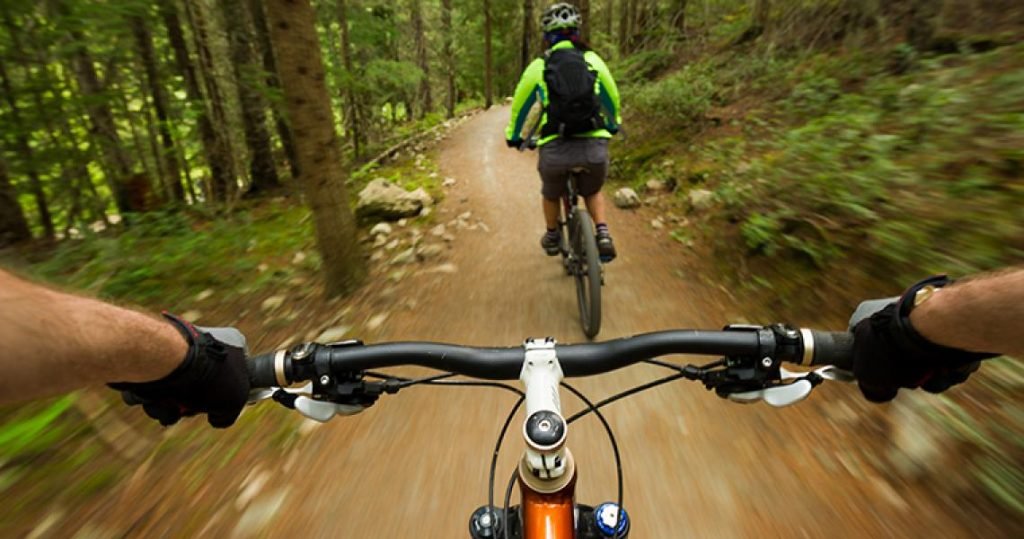
Are you ready to take on the thrill of mountain biking? Picture yourself gliding down rugged trails, the wind in your face, and the adrenaline pumping through your veins.
But wait—before you hit the trail, there’s something crucial you need to know. Whether you’re a seasoned rider or just starting out, ensuring your safety while mountain biking is paramount. Imagine the peace of mind you’ll have knowing you’re equipped with the right tips to keep you safe and sound.
In this guide, you’ll discover key mountain bike safety tips that can transform your biking experience from risky to rewarding. Don’t let a preventable mishap turn your adventure into a misadventure. Read on to learn how you can keep yourself protected while enjoying every twist and turn of the trail.
Essential Gear
Choosing the right helmet is very important. The helmet must fit snugly. It should not wobble. Check for safety certifications. They ensure your helmet is reliable. Look for padding inside. It helps with comfort. Ventilation is also key. It keeps your head cool. Try different styles. Pick the one that feels best.
Wear protective clothing to stay safe. Padded shorts protect your hips. Gloves keep your hands safe. Elbow and knee pads are must-haves. They cushion falls. Bright colors help others see you. Rain jackets are good for wet days. Layers keep you warm in cold weather. Sturdy shoes give good grip. They prevent slips.
| Tool | Purpose |
|---|---|
| Multi-tool | Fix small problems |
| Pump | Inflate tires |
| Patch kit | Repair punctures |
| Chain oil | Lubricate chain |
| Spare tube | Replace damaged tube |
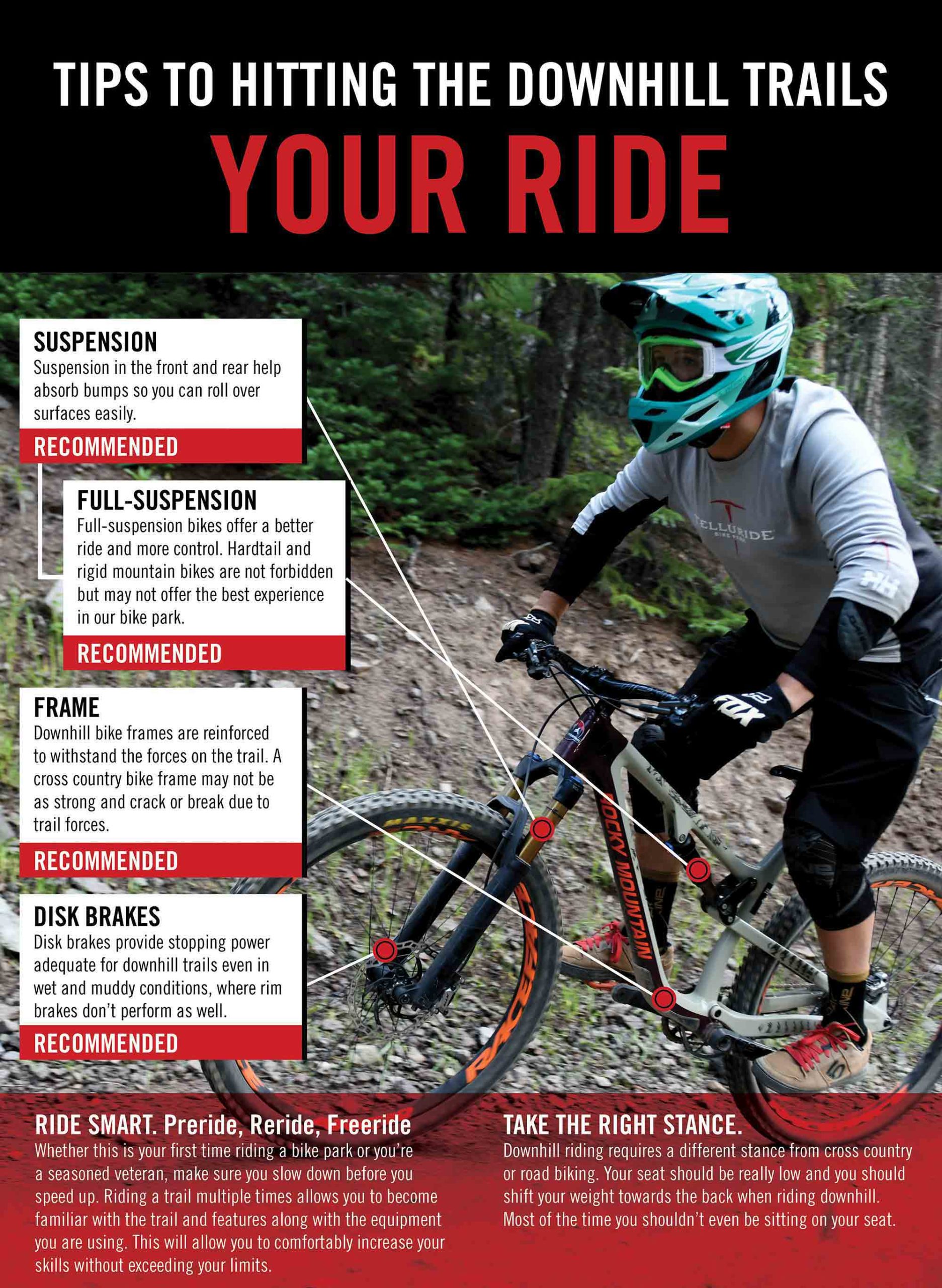
Credit: tellurideskiresort.com
Pre-ride Preparations
Planning your routeis very important. Choose paths you know well. Stay on trails marked for bikes. Tell a friend where you are going. This helps if you get lost.
Check the weatherbefore you ride. Rain makes trails slippery. Strong winds are also dangerous. Good weather keeps you safe. Always wear the right clothes.
A physical warm-upis crucial. Stretch your muscles first. It makes them ready for action. Walk or jog a little. This helps blood flow to your legs.
Trail Riding Techniques
Braking is a key skill. Always use both brakes together. Avoid sudden stops. Sudden stops can cause falls. Light pressure on brakes is good. Control speed on slopes. Focus on smooth stops. Smooth stops keep you safe.
Cornering needs practice. Lean the bike into turns. Keep your weight centered. Look where you want to go. Use the right speed in turns. Slow down before turning. Stay balanced to avoid falling. Enjoy the ride.
Climbing is challenging. Shift to lower gears. Keep pedaling steady. Use body weight to help. Stand up on steep climbs. Keep eyes forward. Balance is key. Reach the top safely. Feel the thrill.
Handling Emergencies
Knowing basic first aidcan save lives. Carry a small first aid kit. Bandages, antiseptic wipes, and pain relief are important. Learn how to treat cuts and bruises. Understanding these basics helps in emergencies.
Keep your bike in good shape. Carry a repair kitwhen biking. Include tire levers, a pump, and a multi-tool. Knowing how to fix a flat tire is crucial. Regular maintenance prevents breakdowns.
Have a list of emergency contactsready. Share your biking route with someone. Keep a phone with you. In case of an accident, you need help fast. Knowing who to call is important.
Trail Etiquette
Always give way to hikers and horses on the trail. Bikers must stop for others. Uphill riders have the right of way. Stop and let them pass safely. This keeps everyone safe and happy.
Stick to marked trails only. Avoid riding on wet or muddy paths. This helps protect nature. Do not litter. Carry a small bag for trash. Keep the trail clean for everyone.
Use your voice to alert others. Say “On your left” when passing. This warns them to move aside. Be polite and friendly. A simple “Hi” can make a big difference.

Credit: juicedbikes.com
Post-ride Care
Wash your bike after every ride. Use a soft cloth and mild soap. Clean the chain and gears. Dirt can cause damage. Rinse with water and dry well. Store your bike in a dry place.
Put your helmet in a safe place. Hang your backpack on a hook. Keep gloves and glasses in a drawer. Organized gear lasts longer. Check for damages before storing.
Drink plenty of water. Rest is important for your body. Stretch your muscles gently. Eat a healthy snack. It helps you feel better. Listen to your body. Don’t rush back to activities.

Credit: tifosioptics.com
Frequently Asked Questions
How To Be Safe While Mountain Biking?
Wear a helmet and protective gear. Check your bike’s condition before riding. Stick to marked trails. Stay alert and watch for obstacles. Carry a basic first-aid kit and water.
What Is The Most Common Injury In Mountain Biking?
The most common injury in mountain biking is a wrist fracture. Riders often fall and use their hands to break the impact. Wearing protective gear like gloves and wrist guards can help reduce the risk. Regular practice and proper technique also minimize the chances of injury during rides.
Why Do Mountain Bikers Wear Baggy Shorts?
Mountain bikers wear baggy shorts for comfort, flexibility, and protection. These shorts offer extra room for pads. They prevent snagging on branches and allow freedom of movement. Baggy shorts also provide storage options with pockets for essentials. They enhance ventilation, keeping riders cool during intense rides.
How To Crash Safely On Mtb?
Prepare to fall by relaxing your body and tucking your arms. Aim to land on your side or back. Protect your head and avoid extending your arms to prevent injury. Practice falling techniques to improve your response during crashes. Always wear protective gear like helmets and pads for safety.
Conclusion
Riding safely ensures more fun on your mountain biking adventures. Always wear a helmet to protect your head. Check your bike before each ride. Look out for trail hazards like rocks or branches. Ride within your skill level to avoid accidents.
Keep a first aid kit for emergencies. Stay hydrated and take breaks often. Inform someone about your route for safety. Following these tips keeps you safe and enhances your biking experience. Enjoy your ride with peace of mind. Safety first, always.
Happy trails!



