
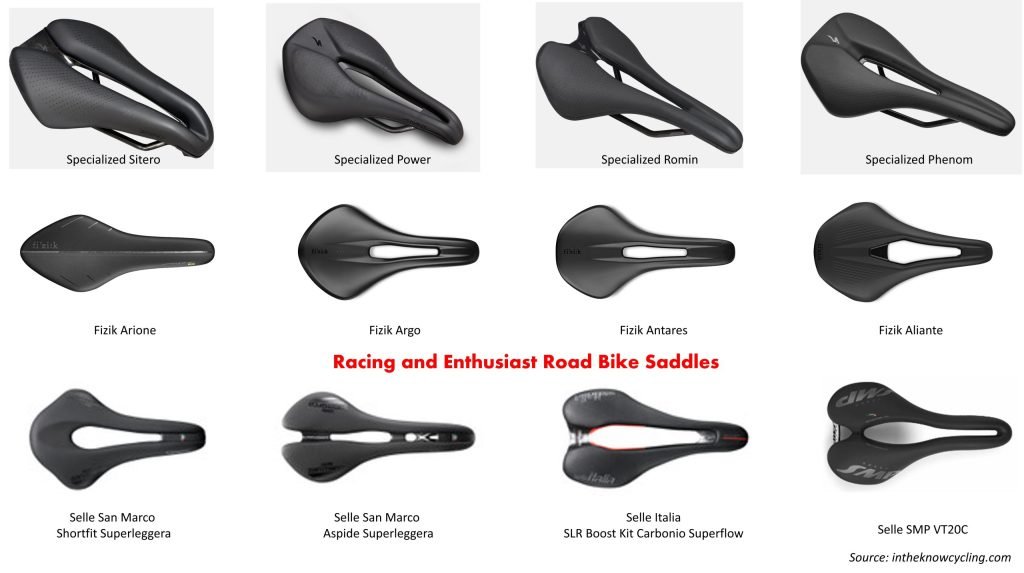
Choosing the right mountain bike saddle can make or break your ride. Have you ever wondered why some rides leave you feeling great, while others result in discomfort?
The secret often lies in the saddle. With so many types available, it can be overwhelming to decide which one suits you best. Whether you’re a seasoned trailblazer or a weekend warrior, understanding the different mountain bike saddle types can dramatically improve your biking experience.
Imagine a ride where you feel perfectly balanced and at ease, allowing you to focus on the thrill of the trail ahead. Ready to discover which saddle is your perfect match? Let’s dive in and explore how the right choice can enhance your performance and comfort.
Saddle Materials
Discover different mountain bike saddle materials, from lightweight carbon to durable leather and gel-infused options. Each offers unique comfort and performance benefits for various terrains and riding styles.
Leather Saddles
Leather saddles are known for their comfortand durability. They mold to your shape over time. This makes them very comfortable. Leather requires regular maintenanceto stay in good condition. It can be heavier than other materials. Leather saddles might not be the best in wet conditions.
Synthetic Saddles
Synthetic saddles are lightweightand often water-resistant. They are easier to maintain than leather. These saddles are usually less expensive. They may not mold to your shape like leather. Synthetic options can come in many colors and designs.
Gel Saddles
Gel saddles offer extra cushioningfor a smoother ride. They are great for absorbing shocks and bumps. Gel helps reduce pressure on sensitive areas. These saddles can be heavier than other types. They might lose their shape over time. Gel saddles can be a good choice for beginners.
Credit: www.theproscloset.com
Design Features
The nose shape of a bike saddle can be round or flat. A round nose offers more comfort during long rides. A flat nose gives better control on steep trails. Riders often choose based on their riding style.
A cut-out design in a saddle reduces pressure. This design helps in preventing discomfort during long rides. A saddle with a cut-out is usually lighter. It is a popular choice among many riders.
Saddles come with different padding thicknesses. Thick padding offers more comfort for casual rides. Thin padding provides better control for experienced riders. Choosing the right thickness depends on personal preference.
Riding Style Considerations
Choosing the right mountain bike saddle depends on your riding style. Different saddles offer varied levels of comfort and support. Consider features like padding, shape, and width to enhance your biking experience.
Cross Country
Cross Country riders need a light and firm saddle. This helps with speed and distance. A narrow shape is best for long rides. It allows better leg movement. Padding should be minimal to reduce weight. Many riders pick saddles with a cut-out. This reduces pressure on sensitive areas.
Downhill
Downhill biking requires a different saddle. It should be wider and have more padding. This helps with comfort on bumpy trails. A strong and durable material is important. Downhill riders often stand on pedals. So, saddles are not the main focus. But they should still offer support when needed.
Enduro
Enduro biking combines climbing and descending. Saddles for Enduro need a balance of comfort and support. They should be lightweight yet durable. A medium width works well for various terrains. Riders often choose models with some padding. This helps during longer rides.
Size And Fit
Selecting the right mountain bike saddle is crucial for comfort and performance. Saddles come in various shapes and sizes, catering to different riding styles. Consider the saddle’s width and padding to ensure the best fit for your body.
Saddle Width
Choosing the right saddle widthis crucial. It should match your sit bones. Measure the distance between your sit bones. Select a saddle that fits this measurement. A proper fit prevents discomfort. It also ensures better riding performance.
Saddle Length
The saddle lengthaffects your riding style. A longer saddle provides more room. You can shift positions easily. A shorter saddle is more compact. It suits riders who prefer a fixed position. Consider your riding habits. Choose a length that feels comfortable.
Adjustment Tips
- Set the saddle height correctly. Your legs should extend fully.
- Adjust the saddle angle. Keep it level for comfort.
- Slide the saddle forward or back. Find your perfect balance.
- Test your setup. Ride and adjust as needed.
Gender-specific Saddles
Gender-specific saddles cater to the anatomical differences between men and women. They enhance comfort and performance on mountain trails. Choosing the right saddle type can significantly impact your biking experience.
Women’s Saddles
Women often need saddles with a wider back. This helps with comfort. A shorter nose is also important. It reduces pressure in sensitive areas. Many women’s saddles have extra padding. This helps during long rides. Some even have cutouts. These are for extra comfort. The right saddle can make a big difference.
Men’s Saddles
Men’s saddles are usually narrower. This shape fits men’s hips better. They often have a longer nose. This helps with control. Many have less padding. This is good for speed. Harder saddles might seem tough. But they can be more comfortable over time. Finding the right fit is key.
Unisex Options
Unisex saddles aim to fit everyone. They have a neutral shape. Not too wide or narrow. This can suit many riders. Some have medium padding. This gives a balance between comfort and speed. They are good for people new to biking. Trying different ones can help find the best fit.
Credit: www.theproscloset.com
Price Range
Budget mountain bike saddles are usually under $50. They offer basic comfort for short rides. The materials are often synthetic and less durable. These saddles are good for beginners. They provide an affordable start to biking. They may lack advanced features.
Mid-range saddles cost between $50 and $150. They offer better comfort and durability. These saddles often use high-quality foam. Some have gel padding for extra comfort. They are great for regular riders. Many are designed for longer rides.
Premium saddles are over $150. They are made with top materials. Often use leather or advanced synthetics. These saddles offer the best comfort and performance. They are perfect for serious bikers. Some are custom-fit for maximum comfort.
Choosing The Right Saddle
Test rideshelp find the best saddle. Start with short rides first. Notice how you feel during the ride. Pay attention to any discomfort. Try different angles and heights. Adjust until it feels just right. Keep testing until you find comfort. Always wear proper biking shorts. These can make a big difference.
Plan a short route for testing. Focus on different terrains. Ride on both smooth and bumpy paths. This helps test the saddle in all conditions. Change your position while riding. This shows how the saddle supports you.
- Choosing a saddle based on looks.
- Ignoring the right width for your sit bones.
- Not adjusting the saddle position.
- Skipping test rides before buying.
- Using bike without proper shorts.
Keep your saddle clean and dry. Use a damp cloth to wipe it. Avoid harsh chemicals. Check for any wear or damage regularly. Tighten loose screws often. Store your bike indoors to protect the saddle. Sunlight can damage it over time. A little care goes a long way.
Credit: www.condorcycles.com
Frequently Asked Questions
What Are The Different Types Of Bike Saddles?
Bike saddles include road, mountain, touring, racing, and comfort types. Road saddles are lightweight and streamlined. Mountain saddles are durable and shock-absorbent. Touring saddles provide support for long distances. Racing saddles prioritize performance. Comfort saddles offer extra padding for casual rides.
Choose based on your biking needs.
What Is The 0.883 Rule?
The 0. 883 rule helps calculate the remaining life of a lithium-ion battery. Multiply the current capacity by 0. 883 to estimate the battery’s lifespan after one charge cycle. This rule aids in predicting battery performance and planning replacements efficiently, ensuring optimal device usage and longevity.
What Is The Most Comfortable Seat For A Mountain Bike?
Choose a saddle with ergonomic design and ample padding for comfort. Consider a wider seat for better support. Opt for materials like gel or foam to reduce pressure. Adjust the seat height and angle for personalized comfort. Test different options to find the perfect fit for your mountain biking needs.
How Do You Know What Saddle Is Right For You?
Choose a saddle by considering your riding style, body shape, and comfort level. Test different options for fit. Seek professional advice if unsure. Prioritize quality and durability for long-term satisfaction.
Conclusion
Choosing the right mountain bike saddle matters. Comfort and performance depend on it. Different saddles fit different biking styles. Consider your needs and preferences. Test several options if possible. Your body will thank you. Remember, a good saddle enhances your ride.
Enjoy biking with the perfect saddle. Safe trails and happy riding!



