
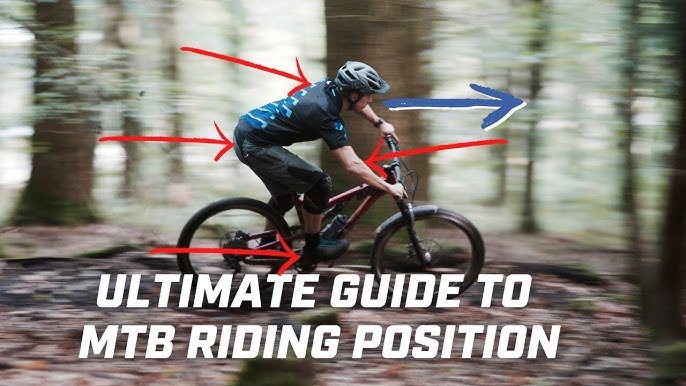
Are you ready to take your mountain biking skills to the next level? Your riding posture might be the secret ingredient you’re missing.
Proper posture isn’t just about looking good on your bike; it’s the key to enhanced performance, increased comfort, and ultimate control on those challenging trails. Imagine navigating rocky paths and steep descents with ease and confidence. Sounds exciting, right? In this guide, you’ll discover how the right posture can transform your ride, reduce fatigue, and help prevent injuries.
Stick around to learn expert tips that will have you feeling like a pro on every ride. Your adventure begins here!
Choosing The Right Bike
Choosing the correct frame sizeis very important. A bike that is too big or too small can be uncomfortable. It can also be unsafe. Measure your height and inseam. Use these numbers to find the right size. Stand over the bike frame. There should be space between the frame and your body. This space is important for safety.
The right handlebar widthmakes riding easier. It should match your shoulder width. If it’s too wide, steering becomes tough. If it’s too narrow, you might feel cramped. Adjust the handlebar heighttoo. It should be comfortable for your arms. Your wrists should feel relaxed while holding the bars. This helps in keeping a good posture.
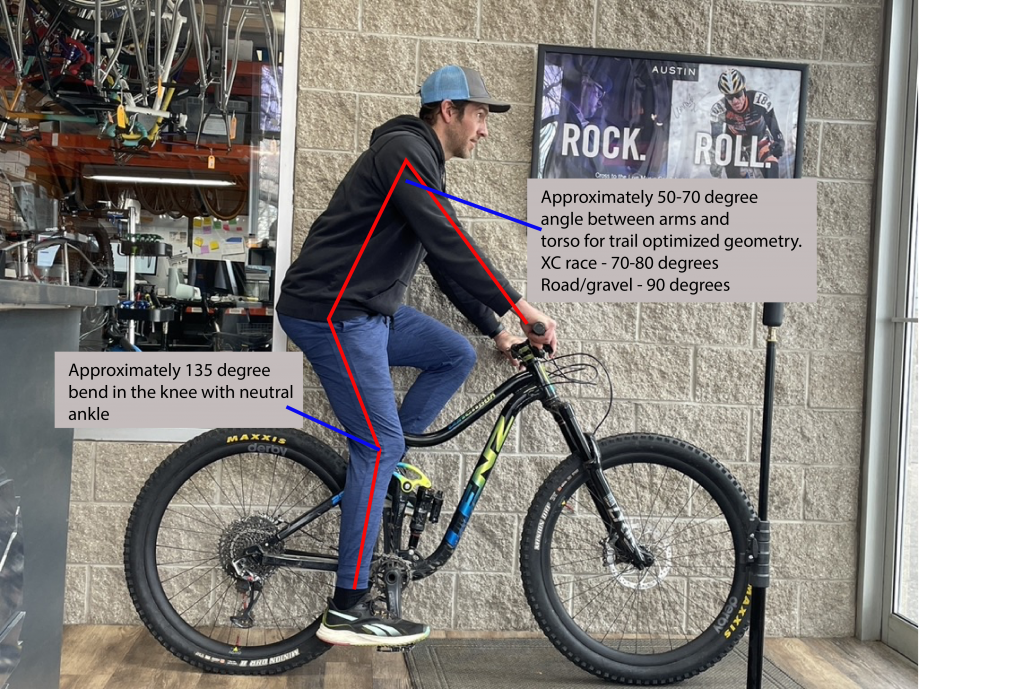
The saddle should be in the right spot. Adjust the saddle heightso your leg is slightly bent at the bottom pedal. This prevents strain. Move the saddle forward or backward for comfort. It should not be too far or too close. Keep your back straight while riding. This helps you enjoy long rides without pain.
Credit: radio.egerton.ac.ke
Basic Riding Posture
In the neutral position, keep your back straight and relaxed. Your hands should be loose on the handlebars. Bend your elbows slightly. This helps you absorb bumps on the trail. Keep your head up and look ahead. Your knees should be slightly bent too. This position is great for easy trails and flat roads.
The active position is for steep hills and tricky paths. Lean your body forward. Keep your weight over the front wheel. Bend your elbows more than in the neutral position. Stay low and balanced. This helps you control the bike better. Your body should be ready to move with the bike. Keep your feet firm on the pedals.
Adjusting For Terrain
Navigating mountain terrains demands a flexible riding posture. Adjusting your stance helps maintain balance and control. It enhances safety and performance on uneven trails.
Uphill Techniques
Position your body forward on the bike. This helps keep the front wheel grounded. Lower your elbows. This gives better control and power. Keep your chest close to the handlebars. This reduces wind resistance. Pedal smoothly and steadily. Avoid sudden bursts of energy. Use a lower gear for easier pedaling. It reduces strain on your legs. Remember, balance is key. Always stay alert for changes in the trail.
Downhill Techniques
Lean back slightly for stability. It helps manage speed. Keep your knees and elbows bent. This absorbs shocks from bumps. Stay relaxed to control the bike better. Avoid gripping the handlebars too tightly. It can tire your arms quickly. Use your brakes gently to slow down. Sudden stops can be dangerous. Always look ahead for obstacles. Plan your path and stay safe.
Technical Trail Adjustments
Stay flexible on tricky trails. Move your body with the bike. Shift your weight when turning. It helps keep balance. Keep your eyes focused ahead. Spot tricky spots early. Adjust your speed based on trail condition. Use gears wisely. It helps in smooth riding. Practice makes perfect. Always aim for safe and fun rides.
Balancing And Weight Distribution
Keep your weight over the bike’s center. This helps with balance. Lean forward when going uphill. Lean back when going downhill. Your weight should feel balanced. Practice makes it easier.
Arms should be relaxedbut ready. Use them to steer and balance. Legs act as shock absorbers. Bend them slightly for stability. They help keep control. Feel the bike through your legs. Adjust your grip as needed.
Common Mistakes To Avoid
Many riders hold their handlebars too tight. This leads to tired arms and less control. Relax your grip for a smoother ride. A light hold helps you steer better. It also reduces hand fatigue. Try to keep your hands soft but steady. This will make biking more fun and safe.
A wrong saddle height can cause pain. It affects your pedaling efficiency. Your saddle should be at hip level. Feet should touch the ground on tiptoe. Adjust it often for comfort. This helps in maintaining balance and speed. A proper saddle height makes a big difference.
Shifting weight helps in tricky spots. Many riders don’t shift their weight enough. This can cause falls or slips. Lean forward on climbs. Shift back when going downhill. Move side to side on turns. Practice weight shifting for better control. It keeps you steady and safe.

Credit: www.youtube.com
Tips For Perfecting Your Stance
Practicing drills helps improve your riding posture. Start with simple movements. Focus on keeping your back straight. Bend your knees slightly for balance. Regular practice builds muscle memory. It makes your stance more natural.
Be aware of your body while riding. Feel the bike beneath you. Notice how your body moves. Adjust your position as needed. Keep your eyes on the trail. This helps maintain focus and stability. Be mindful of your breathing too. Relaxed breathing keeps you calm.
Adjust your stance while riding on different terrains. Rocks and bumps need different positioning. Shift your weight slightly forward or backward. This helps you stay balanced. Practice makes adjustments easier. Your body learns what feels best.
Gear And Accessories For Better Posture
Good shoes keep your feet steady. Non-slip soles are important for grip. Shoes should fit well. Tight shoes can hurt. Loose shoes can slip. Firm support helps your posture. It keeps feet in the right spot. Choose shoes made for biking. They are best for control and comfort.
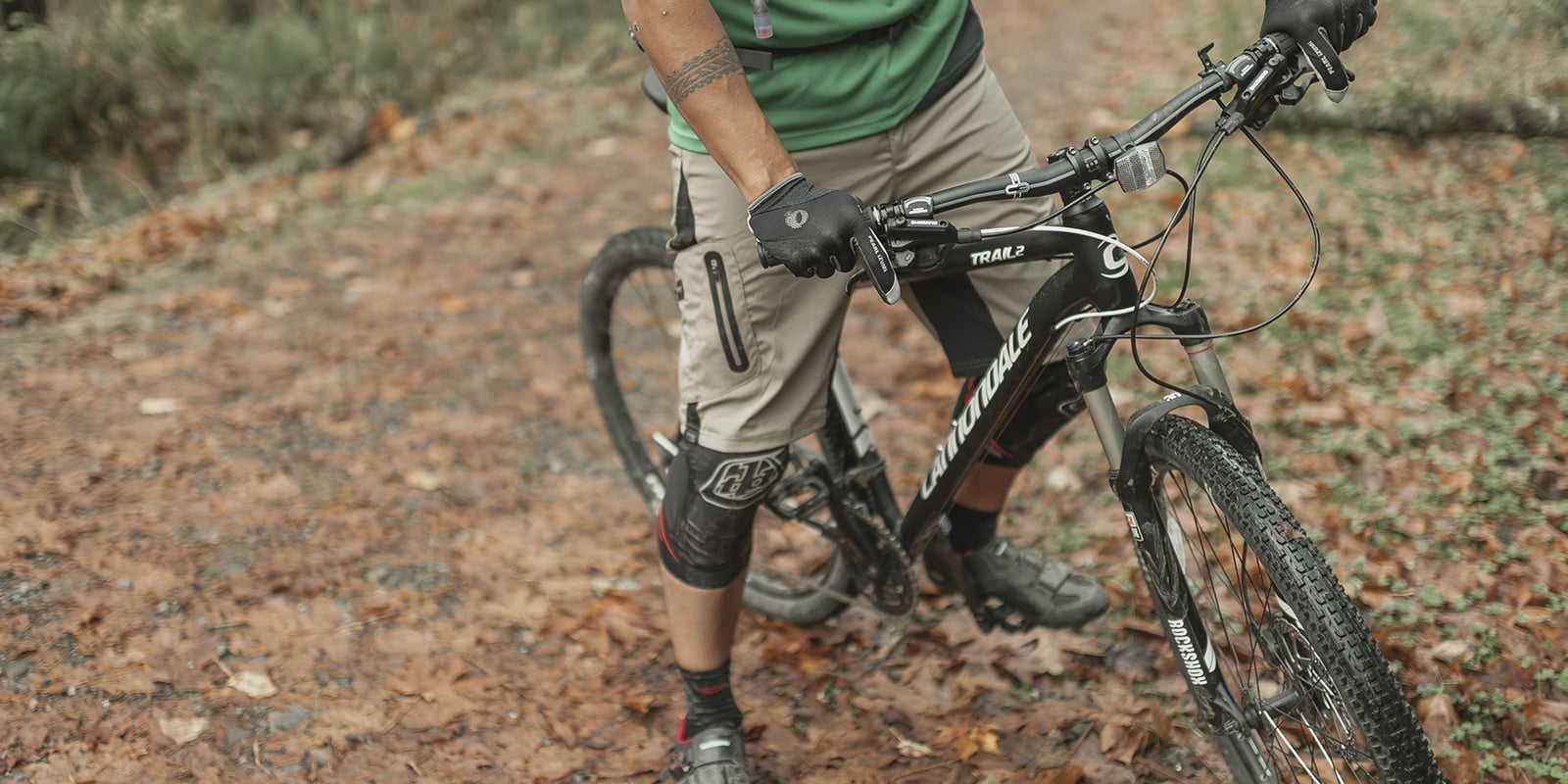
Helmets keep your head safe. Knee and elbow pads protect joints. Wear gloves for a firm grip. They reduce hand pain. Back protectors help your spine stay straight. Safety gear can improve your posture. It also boosts your confidence.
Adjust your bike seat. The right height helps your back. Handlebar position is important. Lower bars can strain your back. Higher bars can ease pressure. Use a bike fit guide. It helps find the best setup. Small changes can make riding more comfy.
Credit: www.rei.com
Frequently Asked Questions
What Is The Correct Posture For Riding A Mountain Bike?
Maintain a neutral spine with slightly bent elbows. Keep your knees aligned with pedals. Position your hands firmly on handlebars. Level your pedals when standing. Adjust seat height for efficient pedaling. Keep your weight balanced between the front and rear wheel.
Why Do Mountain Bikers Not Use Kickstands?
Kickstands add unnecessary weight to mountain bikes. They can snag on obstacles during rides. Riders prefer lighter, maneuverable bikes for rough terrains. Using a kickstand may also affect bike balance and performance. Many bikers opt for laying their bikes down when not in use.
What Is The Best Posture When Riding A Bike?
Maintain a straight back, relaxed shoulders, and bent elbows. Keep your knees aligned with your feet. Position the saddle at hip height for optimal comfort and efficiency. Adjust handlebars to prevent straining your neck or wrists. This posture enhances performance and reduces the risk of injury.
Should You Be Leaning Forward On A Mountain Bike?
Leaning forward on a mountain bike improves control and stability, especially on rough terrains. It helps maintain balance and optimizes body weight distribution. This position enhances traction and maneuverability, allowing for safer navigation through trails. Adjust body posture based on trail conditions for the best riding experience.
Conclusion
Achieving the right mountain bike posture boosts comfort and control. Practice makes perfect. Adjust your seat and handlebar for balance. Focus on body alignment. Bend your elbows slightly. Keep your back straight. This helps in absorbing shock. Always look ahead, not down.
It ensures better navigation. Proper posture reduces fatigue and injuries. It enhances your biking experience. Remember, small adjustments make a big difference. Stay relaxed and enjoy the ride. Happy biking!



