
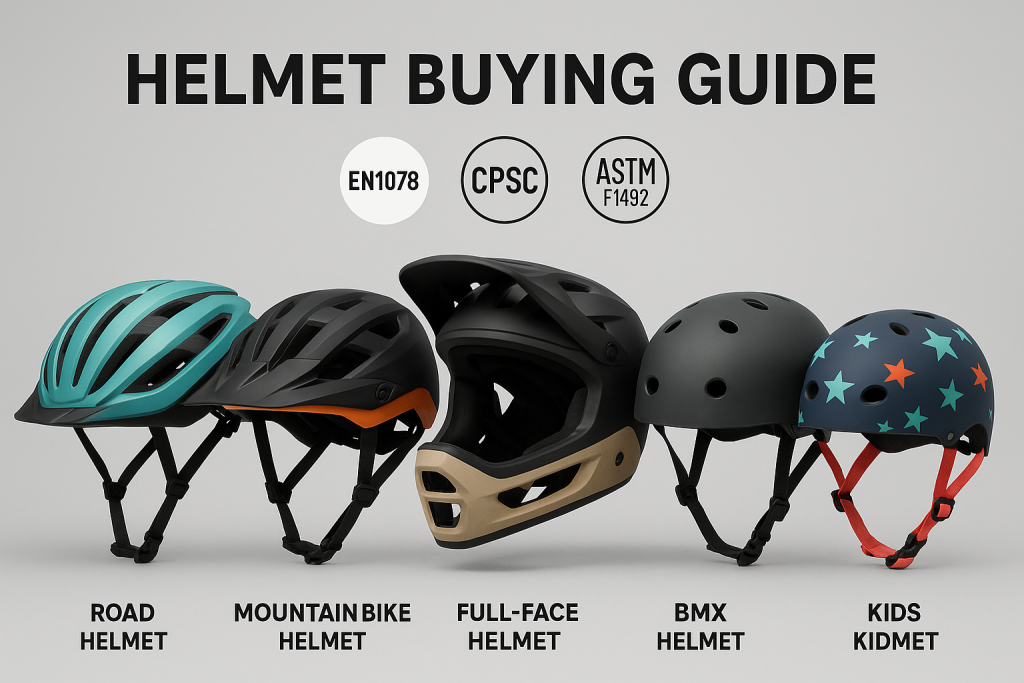
Are you ready to hit the trails with your mountain bike? Before you dive into the thrill of off-road adventures, there’s one essential item you must have: a reliable mountain bike helmet.
Your safety should always come first, and choosing the right helmet can make all the difference. But with so many options out there, how do you find the perfect fit for your needs? Don’t worry, we’ve got you covered. In this Mountain Bike Helmet Buying Guide, we’ll walk you through everything you need to know to make a smart choice.
By the end of this guide, you’ll feel confident and ready to conquer any terrain, knowing you’ve made the best investment for your safety. So, let’s get started and find the helmet that will keep you safe while you chase those adrenaline-pumping rides!
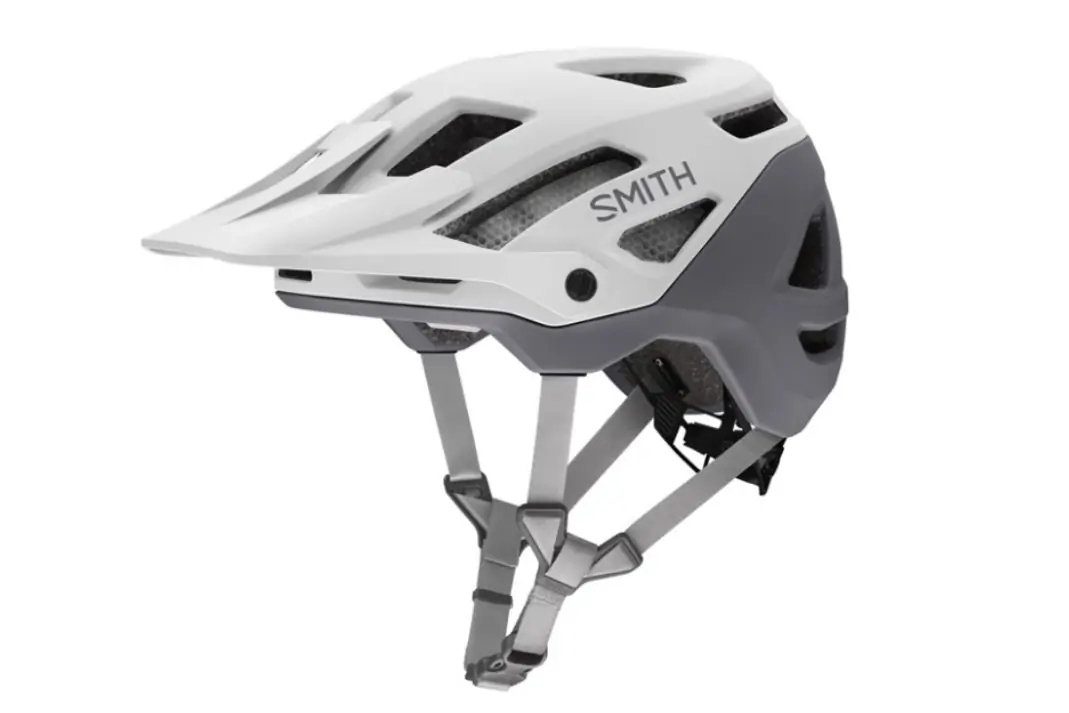
Credit: gearjunkie.com
Helmet Types
Choosing the right mountain bike helmet involves understanding various types like full-face, half-shell, and convertible helmets. Each offers distinct protection levels and features tailored for different riding conditions. Exploring these options ensures a safer and more enjoyable biking experience.
Full-face Helmets
Full-face helmets cover your entire head. They have a chin bar for extra protection. These helmets are great for downhill biking. They keep your face safe in crashes. They are heavier than other helmets. Some riders find them less comfortable. Choose them for high-speed rides.
Half-shell Helmets
Half-shell helmets are lightweight. They cover the top of your head. These helmets are good for cross-country biking. They allow more air to flow around your head. Riders find them more comfortable in hot weather. They do not protect the face. Choose them for casual rides.
Convertible Helmets
Convertible helmets offer flexibility. They switch between full-face and half-shell. Perfect for riders who want both types. They have removable parts. These helmets are versatile for different trails. They provide safety and comfort. Choose them for mixed terrain biking.
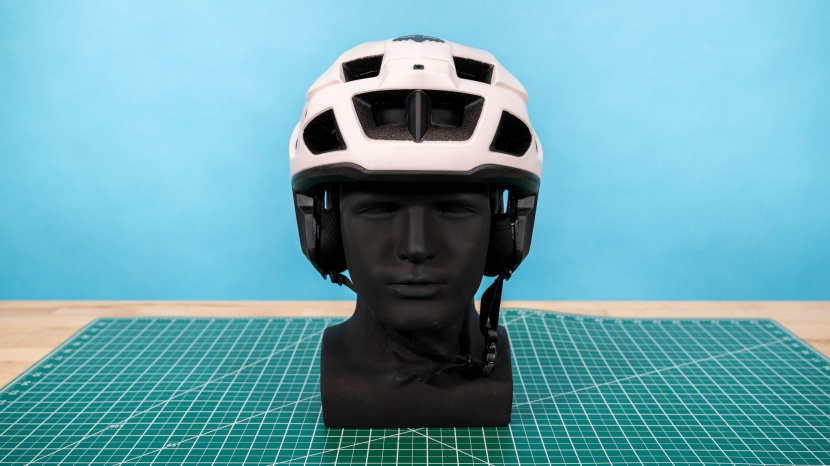
Credit: www.outdoorgearlab.com
Safety Standards
Safety standards ensure mountain bike helmets offer maximum protection. Look for certifications like CPSC, ASTM, or EN1078 to ensure safety. Always prioritize helmets that meet these standards for a secure biking experience.
Certification Labels
Certification labels are important for helmet safety. They show that the helmet meets safety standards. Look for labels like CPSC, ASTM, or CE. These labels mean the helmet passed safety tests. A helmet with a label is better than one without. Safety should always come first when choosing a helmet. Make sure the label is easy to find. Some labels are inside the helmet. Others may be on the outside. Check the label before buying your helmet.
Impact Protection
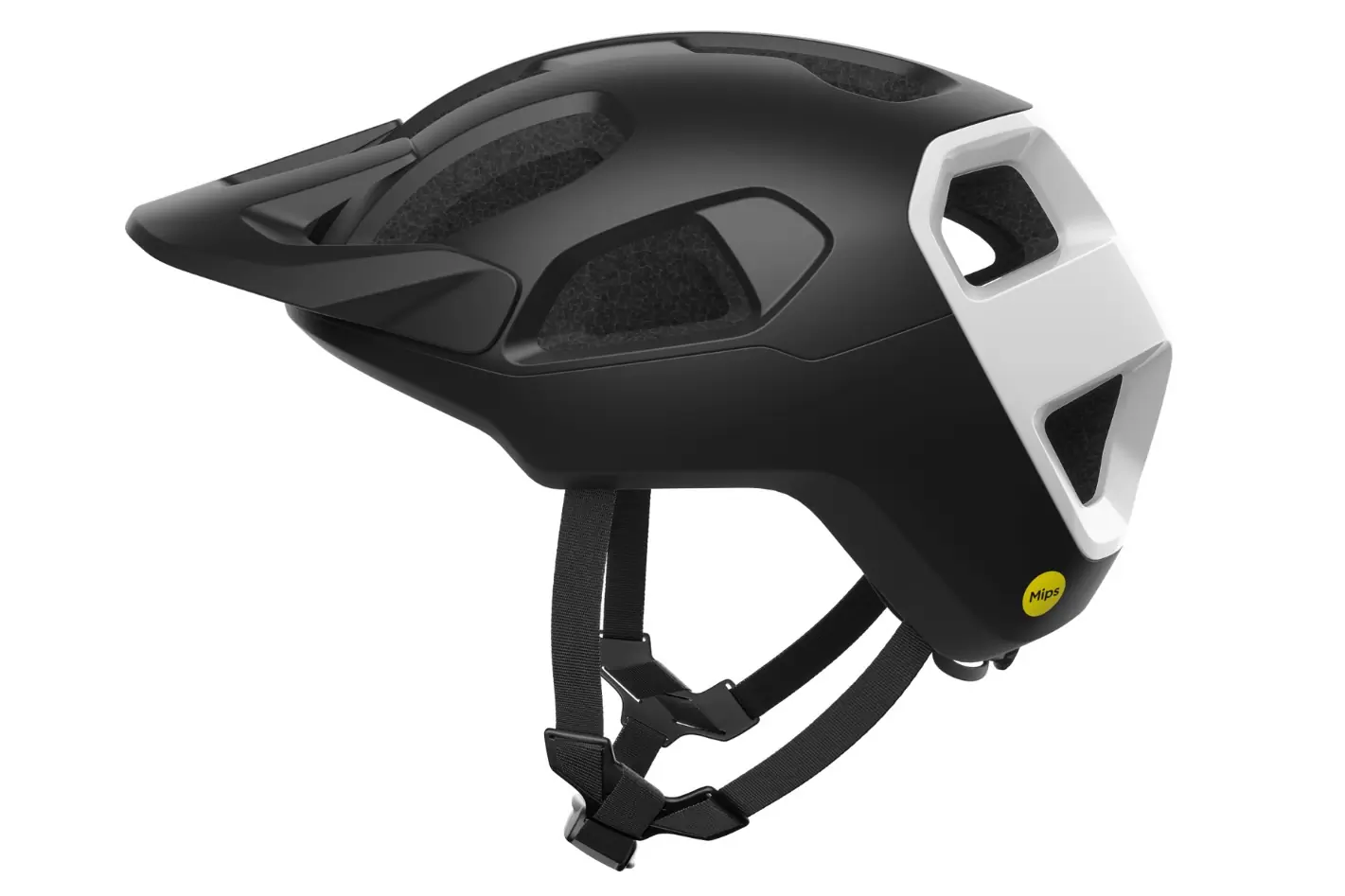
Impact protection is key for a safe helmet. The helmet must absorb shock from falls. A strong outer shell helps protect the head. The inner foam layer cushions the impact. A good helmet reduces injury risk. Helmets with MIPS technology offer extra protection. They help in rotational impacts. Always wear your helmet properly. Make sure it fits snugly. A well-fitted helmet protects better.
Fit And Comfort
Finding the right size is very important. Measure your head with a tape. Use the measurement to find your helmet size. The helmet should fit snugly, but not too tight. Try different sizes to find the best fit. It’s important for safety and comfort.
Many helmets have adjustable straps and dials. These help you get a better fit. Adjust the straps under your chin. Make sure they are not too loose or too tight. Use the dial to fit the helmet to your head shape. This can make the helmet more comfortable.
Padding inside the helmet adds comfort. Look for soft and thick padding. Ventilation is important to keep your head cool. Helmets with good ventilation have many air holes. This helps air to flow and keeps you cool while riding.
Material And Construction
The shell of a mountain bike helmet is crucial. Polycarbonate is a popular choice. It offers excellent protection and is lightweight. Fiberglass shells are stronger and more durable. They provide better impact resistance. Carbon fiber is another option. It is very strong and ultra-light. It can be expensive, though. Each material has pros and cons. Choose one that fits your needs and budget.
Liner Types
Helmet liners are important for safety. EPS foam is common and affordable. It absorbs impact well. EPP foam is more durable. It can withstand multiple impacts. Koroyd liners are unique. They use tubes to absorb shock. They offer good ventilation. Comfort is key for long rides. Pick a liner type that fits well and protects you.
Additional Features
Visors help block sunlight and debris. They keep your eyes safe. Goggles fit snugly with helmets. Proper fitting is important for comfort. Look for helmets that have adjustable visors. Some helmets offer removable visors. This can be handy in different weather. Check if your goggles fit well with the helmet.
Some helmets have mounts for cameras. You can capture your adventures. Light mounts help you ride in the dark. Ensure mounts are secure and easy to use. They should not affect your comfort. Look for helmets with universal mounts. These mounts fit many types of cameras and lights. This adds versatility to your gear.
Budget Considerations
Entry-level mountain bike helmets are budget-friendly. They offer basic protection for beginners. These helmets are often lightweight and easy to wear. They have simple designs with fewer features. Ventilation is usually basic but adequate for short rides. The fit is adjustable, often with a simple strap system. Materials are durable but not the lightest available. These helmets provide essential safety without extra frills. Ideal for those new to mountain biking or on a budget. Look for certified helmets to ensure safety standards are met.
Premium helmets offer advanced safety features. They are made with high-quality materials. These helmets have excellent ventilation for long rides. Many come with adjustable visors and chin straps. Lightweight designs enhance comfort for prolonged use. They often include technologies like MIPS for extra protection. Stylish designs are popular among experienced bikers. Prices are higher but reflect superior craftsmanship. Perfect for serious riders seeking top-notch gear. Ensure the helmet fits well for maximum safety and comfort.
Brand Recommendations
Choosing a helmet brand is crucial for safety. Here are some trusted names:
- Giro– Known for comfort and durability. Many riders trust Giro.
- Bell– Offers a wide range of stylish designs. Bell is a popular choice.
- Smith– Famous for advanced safety features. Smith helmets are reliable.
- Fox– Great for off-road adventures. Fox helmets provide robust protection.
- POC– Known for sleek design and safety. POC helmets are top-rated.
Each brand offers different models. Always choose the right size and fit. Safety should be your top priority.
Care And Maintenance
Keep your helmet clean for safety. Use a soft clothand mild soap. Avoid harsh chemicals. Rinse with warm water. Dry it with a towel. Let it air dry. Do not use a dryer. Check for any dirt inside. Remove it carefully. Clean strapswith water. Keep them dry. Inspect your helmet regularly. Look for any damages. Replace if needed.
Store your helmet in a cool place. Avoid direct sunlight. Sunlight can damage it. Keep it away from heat. Heat can weaken it. Use a bag for protection. Avoid placing heavy items on it. Heavy items can cause dents. Store it on a shelf. Keep it away from pets. Pets might chew on it. Regularly check its condition. Ensure it is ready for use.
Credit: gearjunkie.com
Frequently Asked Questions
What Is The 2 2 2 Rule When Fitting A Helmet On Your Head?
The 2 2 2 rule ensures a proper helmet fit: Two fingers above eyebrows, two fingers between strap and chin, and two fingers forming a ‘V’ around the ears. This rule helps maintain safety and comfort for the rider.
What Is The 5 Year Helmet Rule?
The 5-year helmet rule advises replacing helmets every five years. Wear and tear can compromise safety. Regular replacement ensures optimal protection and performance, keeping you safe during activities. Always inspect your helmet for damage and follow manufacturer’s guidelines for maintenance.
Do I Really Need A Full Face Mtb Helmet?
A full face MTB helmet offers maximum protection, especially for downhill and aggressive riding. It covers your entire head, reducing injury risk. Riders tackling challenging trails or high-speed descents benefit most. Prioritize safety, comfort, and fit when choosing a helmet.
How To Know What Bike Helmet To Buy?
Choose a helmet that fits snugly, meets safety standards, and suits your riding style. Check ventilation, weight, and comfort. Consider your budget and read reviews for reliable brands. Ensure visibility with bright colors or reflective features for added safety.
Conclusion
Choosing the right mountain bike helmet is crucial. It ensures your safety on trails. Always prioritize comfort and proper fit. Consider the helmet’s ventilation and weight. Look for quality materials and certified safety standards. Remember, a good helmet enhances your biking experience.
Invest in one that suits your style and needs. Regularly check for damages or wear. Replace it when necessary. Your protection should always come first. Enjoy your rides with confidence and peace of mind. Happy biking!



