
Are you feeling discomfort or lack of control when riding your mountain bike? If so, your handlebar setup might be the culprit.
Adjusting your handlebars correctly can transform your biking experience, making each ride smoother, safer, and more enjoyable. In this guide, you’ll discover simple yet effective tips to fine-tune your handlebar setup. Imagine feeling perfectly balanced, with every movement in sync with your bike.
This isn’t just about comfort—it’s about enhancing your performance and ensuring every ride is a joy. Dive in, and let’s unlock the secrets to the perfect handlebar adjustment for you.

Credit: www.youtube.com
Choosing The Right Handlebar Type
Handlebar choice affects riding comfort and control. Different types suit different needs. Flat bars offer a simple, straight design. They work well for speed and control on smooth paths. Riser barsadd height and make steering easier. They are great for rough trails. Drop bars curve down and provide multiple hand positions. They help in long rides and road biking. Bullhorn barsextend forward like a bull’s horns. They are ideal for sprinting and urban commuting. Mustache bars look like a mustache and offer comfort. They are good for leisure rides. Choosing the right one improves your biking experience.
Finding The Ideal Width
Choosing the right handlebar width is crucial for comfort. It helps in better control of your mountain bike. A good starting point is matching your shoulder width. This ensures a natural and comfortable grip. Too wide or too narrow can cause discomfort. Test different widths by trying various bikes. Feel how your arms and shoulders respond. Comfort should be your top priority. Notice how your bike handles during turns. You want smooth and easy control. Pay attention to any strain in your arms. Adjust the width if you feel any discomfort. Experiment until you find the perfect fit.
Adjusting Handlebar Height
Setting the correct handlebar height is essential for comfort. First, loosen the stem bolts. Make sure the handlebars can move easily. Adjust them to match your height. Taller riders may need higher handlebars. Shorter riders might want lower handlebars. After adjustment, tighten the bolts securely. Test the position by riding a short distance. Ensure your back feels comfortable. Your arms should not strain. If needed, make small changes again. Repeat until the position feels right.
Rotating For Optimal Grip
Getting the right grip on your mountain bike is key. Your hands should feel comfortable and secure. Begin by loosening the bolts on the handlebar. This allows you to rotate it freely. Adjust the bars so your wrists stay straight. This helps avoid strain on long rides. Check if your knuckles line up with the brake levers. This positioning offers better control. Make sure the grips are not too high or too low. Aim for a natural hand position. Rotate until you find the sweet spot. Tighten the bolts once you’re satisfied. A properly rotated handlebar ensures a safer ride. Enjoy the trails with confidence!
Fine-tuning Handlebar Angle
Adjusting the handlebar angleis important for a comfortable ride. First, sit on your bike and hold the handlebars. Your wrists should feel relaxed, not bent. If they feel bent, adjust the angle. Use an Allen wrench to loosen the bolts. Move the handlebars to a position that feels right. Tighten the bolts back in place. Ensure they are snug but not too tight.
Check if the handlebars are levelwith the ground. This helps maintain balance. If they’re not, adjust again. Test by riding a short distance. Notice any discomfort in your hands or arms. If there is, you might need more adjustments. Keep testing until everything feels good. A well-set handlebar makes biking more fun and safe.
Setting Up The Controls
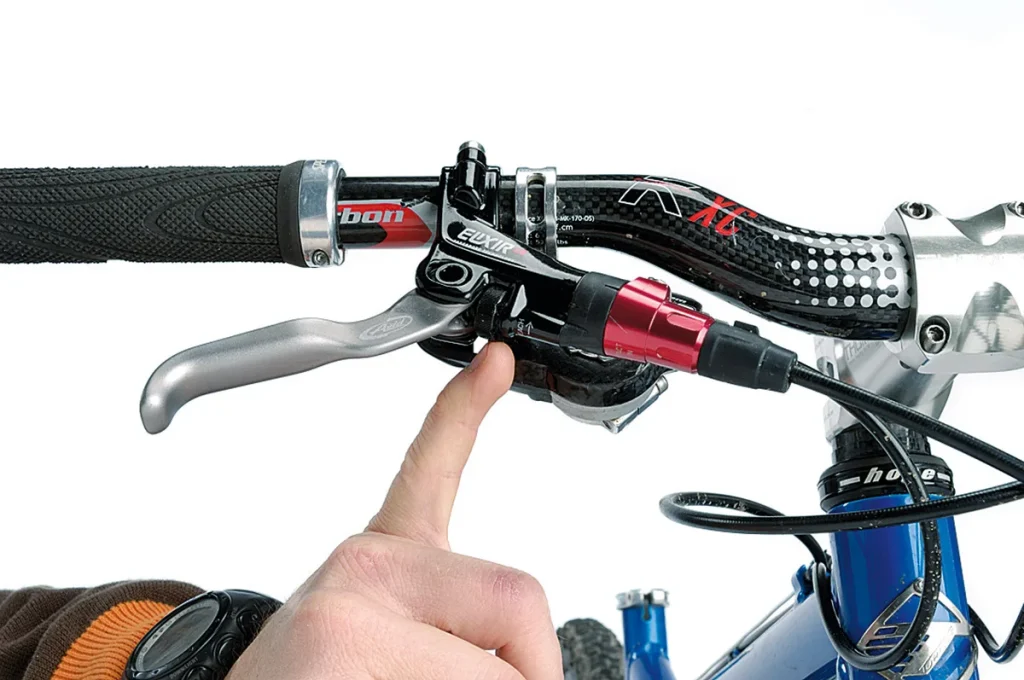
Ensure brake levers are easy to reach without stretching. Fingers should naturally rest on the levers. Adjust them to match your hand size. Proper positioning helps in quick and safe stops. Levers should be slightly downward. This prevents wrist strain while riding. Test the setup by squeezing the brakes. Make sure they respond quickly and effectively. Comfort and control are key.
Align shifters close to the grips for easy access. This helps in smooth gear changes while riding. Ensure the shifters move freely without sticking. Check the alignment by shifting gears. Make sure it feels smooth and easy. Proper alignment improves riding experience. It makes gear changes fast and simple. Good alignment is essential for enjoyable rides.
Balancing Comfort And Control
Adjusting the handlebars is crucial for a comfortable ride. Keep the handlebars at the right height for better control. If they’re too low, your back might hurt. Too high, and steering becomes tricky. It’s about finding the sweet spot.
Start by loosening the handlebar clamp. This allows you to move them up or down. Once you find the right spot, tighten the clamp securely. Always check that it’s tight enough to avoid accidents.
Angle of the handlebars also matters. Tilt them slightly upwards or downwards. This helps in reducing wrist strain during long rides. Tiny adjustments can make a big difference. Feel free to experiment until it feels just right.
Use a tape measure to ensure both sides are even. Uneven handlebars can cause imbalance. Always wear safety gear when testing adjustments. Safety first, comfort next, and enjoy your ride!

Credit: bikeco.com
Maintaining A Neutral Position
Neutral positionhelps control your bike better. Keep your back straight, not hunched. Your elbows should be slightly bent. This helps absorb bumps. Look ahead, not down at your handlebars.
Position your hands comfortably. Keep your hands relaxed, not tight. Check your grip often. Make sure it’s not too loose. Adjust your handlebars for comfort. Try different positions until you feel good.
Seat height matters too. Your legs should be slightly bent when pedaling. Adjust seat till it’s just right. Balance is key for smooth rides. Always maintain a neutral position for safety.
Testing Adjustments On Trails
Take your bike to a safe trail. Start with simple rides. Feel how the handlebars respond. Make small changes to see the difference. Comfort is key. If your arms hurt, adjust again. Try different grips. Experiment with angles and heights. Some trails are bumpy. Notice how your bike behaves. Keep tools handy for quick fixes. Safety first, always wear a helmet.
Ask friends for advice. They might have useful tips. Take breaks often. Rest helps you notice changes. Ride in different weather. Rain can change how your bike feels. Listen to your body. It tells you what feels right. Keep adjusting until it’s perfect.
Common Mistakes To Avoid
Handlebars often set too low.This makes it hard to steer. Raise them a bit for comfort.
Grips should not be loose. Tighten themto prevent slipping. Loose grips cause accidents.
Brake leversmust be easy to reach. Check their position often. Adjust them for quick access.
Avoid tilting the handlebarstoo much. Keep them level for balance. Tilted bars can hurt your wrists.
Do not ignore cable tension.Ensure cables are tight. Loose cables affect braking and shifting.
Check for wearand tear on the bars. Replace them if damaged. Safety comes first.
Ensure controlis comfortable. Test different positions. Find what feels best.
Proper alignmentis key. Adjust bars parallel to the front wheel. Misaligned bars make riding hard.

Credit: www.youtube.com
Frequently Asked Questions
How Do You Adjust Your Mountain Bike Handlebars?
Loosen the stem bolts using an Allen wrench. Adjust the handlebars to your desired height and angle. Tighten the bolts securely. Ensure they’re aligned with the front wheel for safety and comfort. Test your adjustments by riding to confirm the new position feels right.
What Height Should Handlebars Be On A Mountain Bike Seat?
Handlebar height should align with your riding style and comfort. Typically, handlebars are level or slightly below the seat. Adjust for optimal control and comfort during your rides. Consider personal preference and terrain for fine-tuning.
What Angle Should My Mtb Handlebars Be?
Set your MTB handlebars at a 5-15 degree angle for optimal comfort and control. Adjust based on personal preference and riding style. Correct positioning enhances handling and reduces wrist strain. Experiment to find the best angle for your needs.
How To Perfectly Align Bike Handlebars?
Align bike handlebars by loosening the stem bolts. Adjust the handlebars to the desired position. Tighten the stem bolts securely. Ensure handlebars are centered with the front wheel. Check alignment by sitting on the bike and visually inspecting. Repeat adjustments if necessary for comfort and control.
Conclusion
Adjusting your mountain bike handlebar can improve your ride significantly. Proper setup ensures comfort and control. Take time to experiment with different heights and angles. Small tweaks can make a big difference. Always prioritize safety and comfort over style. Don’t hesitate to ask for help at local bike shops.
They can offer valuable advice. Remember, each rider is unique. What works for one may not work for another. Keep exploring adjustments until you find your perfect fit. Enjoy the ride and keep pedaling forward!



