

If you’ve ever found yourself struggling with the gears on your mountain bike or feeling uncertain about how to tackle that steep hill ahead, you’re not alone. Mastering gear shifting is crucial for a smooth and enjoyable ride.
Imagine cruising effortlessly through trails, feeling in control no matter the terrain. This guide is designed just for you, to transform your mountain biking experience from frustrating to exhilarating. By the end, you’ll shift gears with confidence and precision, making every ride a thrilling adventure.
Curious to unlock the secrets of seamless gear shifting? Let’s dive in!
Basics Of Gear Shifting
Mountain bikes have different gear systems. The most common are derailleurand internal hub. Derailleur systems use sprockets and chains. They allow quick gear changes. Internal hub systems hide gears inside the hub. They are low-maintenanceand easy to use.
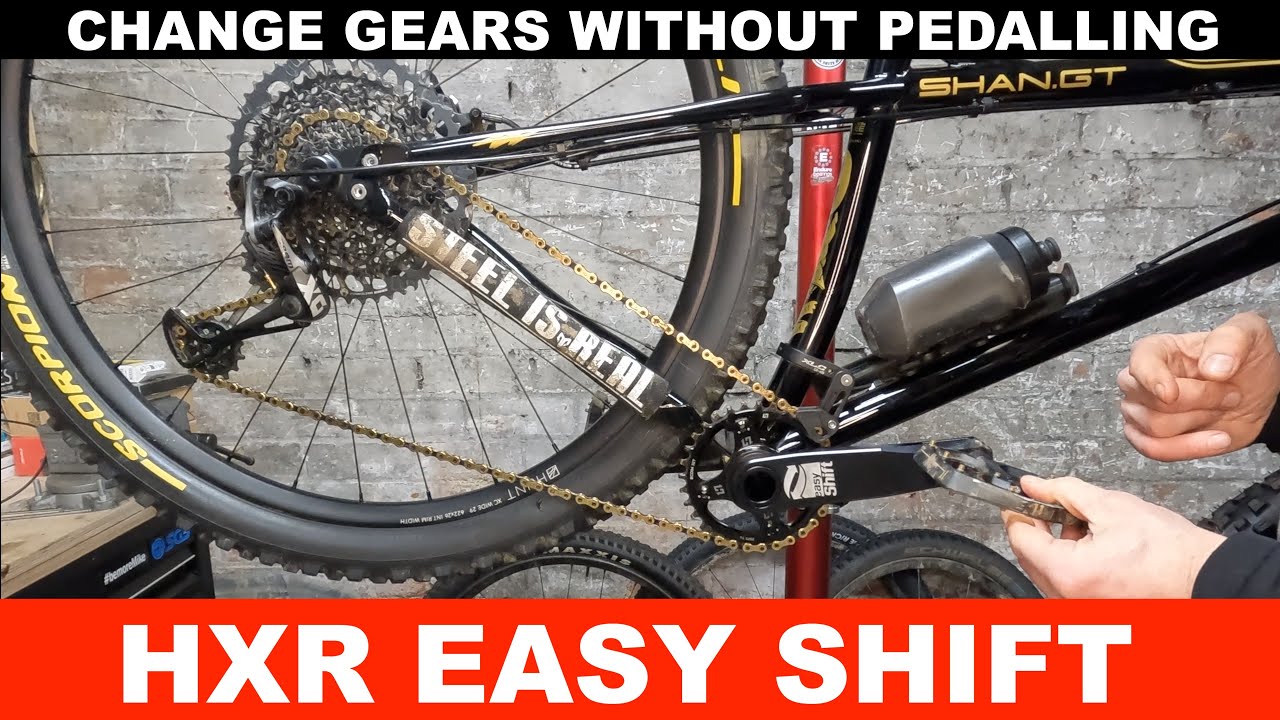
Several parts help shift gears smoothly. The shifterlets you change gears. It’s usually on the handlebars. The chainmoves over sprockets. The derailleurguides the chain. The cassetteholds different sprockets. The cableconnects the shifter to the derailleur. These parts work together for smooth rides.
Credit: www.youtube.com
Choosing The Right Gear
Choosing the right gear on your mountain bike can make your ride smoother and more enjoyable. Understand when to shift up or down to maintain speed and control. Practice gear shifting to adapt to different trails and terrains.
Terrain Considerations
Different terrains need different gears. On flat paths, use a higher gear. It helps you ride faster. For hills, switch to a lower gear. It makes pedaling easier. Pay attention to the path ahead. Change gears before reaching steep areas. This helps maintain balance and control. Smooth shifting keeps your ride comfortable.
Rider Skill Level
Beginner riders should start with simple gear shifts. Focus on understanding the basics first. Experienced riders can try more complex shifts. This helps in different riding conditions. Practice makes you better at gear shifting. Remember, everyone learns at their own pace. No need to rush.
Techniques For Smooth Shifting
Smooth gear shifting on mountain bikes enhances control and efficiency. Anticipate terrain changes and shift gears before reaching inclines. Maintain a steady pedal pace while shifting to avoid chain tension.
Timing And Anticipation
Timingis important in gear shifting. Shift before a hill or turn. This helps keep speed steady. Watch the trail ahead. Plan shifts early. Anticipate changes in terrain. Practice makes perfect. Learn to feel the bike’s rhythm. Smooth shifts come with experience.
Adjusting Pedal Pressure
Pedal pressure affects gear shifts. Light pressure during shifting is best. Heavy pedaling can cause hard shifts. Reduce pressure to make gears change smoothly. Feel the pedals and bike’s response. Adjust pressure to match the gear change. This ensures a comfortable ride.
Credit: www.emotorad.com
Common Mistakes
Selecting the wrong gear during climbs can make pedaling harder. Shifting too late often leads to chain damage. Many riders forget to ease up on pedaling pressure while shifting, causing gear slippage.
Cross-chaining Issues
Cross-chaining can damage your bike chain. It wears out gears quickly. Avoid using opposite gears together. This means using the smallest front gear and smallest rear gear. Or largest front gear and largest rear gear. These combinations stress the chain. It can break easily. Use gears that align well. This keeps your ride smooth and safe.
Incorrect Timing
Timing is key in gear shifting. Change gears before climbing hills. This helps maintain speed. Shift gears when pedaling smoothly. Sudden shifts can cause chain slips. Avoid shifting while stationary. It puts pressure on the chain. Practice smooth shifts during rides. This makes biking easier and fun.
Maintaining Your Gear System
Mountain Bike Gear Shifting Guide Smooth gear shifting ensures a better ride. Regularly check your bike’s gear system for optimal performance. Clean and adjust the gears to prevent wear and tear.
Regular Cleaning
Cleaning keeps your bike’s gears working well. Use a soft brush to remove dirt. Pay special attention to the chain and derailleurs. Dirt can make them slow. Wipe them with a clean cloth. Make sure not to leave any soap on parts. It can cause rust. Clean gears help you ride smoothly.
Lubrication Tips
Lubrication makes shifting gears easier. Apply a small amount of oil on the chain. Do not use too much. Too much oil attracts dirt. Focus on moving parts like the chain and derailleurs. Wipe off extra oil with a cloth. Lubricate regularly for best results. This keeps your bike in top shape.
Credit: www.firefoxbikes.com
Upgrading Your Gear System
Upgrading your mountain bike gear system enhances your riding experience and efficiency. Learn the essentials of smooth gear shifting for better control on diverse terrains.
Benefits Of New Technology
New gear systems make biking much smoother. They offer faster shiftingand less effort. Riders enjoy a more comfortable experience. Advanced technology helps in varied terrains. Hills become easier to climb. New systems also last longer. Fewer repairs mean more time biking.
Cost Considerations
Upgrading gear can be costly. Prices vary based on features. Some systems are budget-friendly. Others might cost more. It’s important to compare options. Consider future savings too. Better gear may need fewer fixes. This saves money over time. Weigh both immediate and future costs.
Frequently Asked Questions
How To Properly Shift Gears On A Mountain Bike?
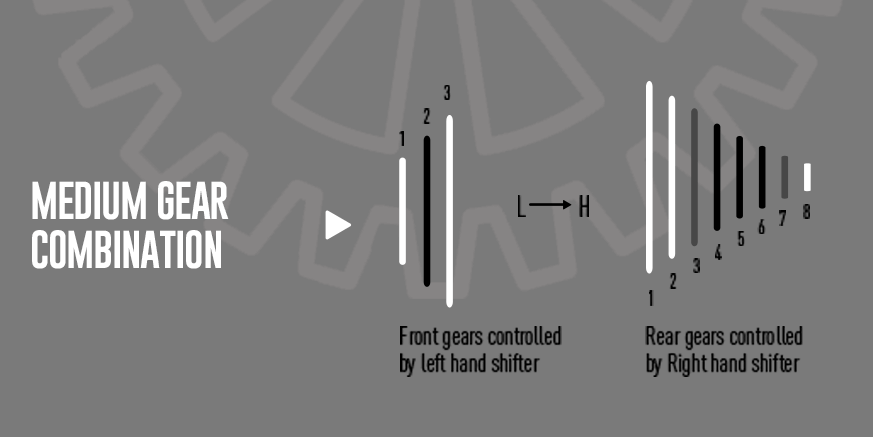
Shift gears while pedaling smoothly to avoid chain slipping. Use the left shifter for front gears. Right shifter changes rear gears. Anticipate terrain changes by shifting early. Avoid cross-chaining to prevent damage. Regularly maintain your bike for optimal performance.
Is Gear 1 High Or Low?
Gear 1 is considered low gear. It provides high torque and is used for slow speeds, ideal for uphill driving or towing.
When To Shift Gears On A Mountain Bike?
Shift gears before climbing or descending to maintain control and speed. Use lower gears for uphill climbs. Switch to higher gears for downhill or flat terrain. Anticipate changes in terrain and adjust gears smoothly. Practice helps improve timing and efficiency.
What Gear Should My Mountain Bike Be In?
Choose a gear that matches the terrain and your fitness level. Use lower gears for uphill climbs. Shift to higher gears on flat or downhill paths for more speed and efficiency. Adjust gears smoothly to maintain a steady cadence and avoid straining your muscles.
Always prioritize comfort and control while riding.
Conclusion
Mastering bike gear shifting enhances your riding experience. Smooth shifts lead to better control. Choose the right gear for the terrain. Practice makes perfect in gear selection. Listen to your bike’s response as you shift. Feel the change in effort and speed.
Understand your bike’s unique mechanics. Experiment with different gears on familiar trails. Aim for fluid transitions. Riding becomes enjoyable with proper gear use. Stay patient while learning. Progress happens over time. Every ride offers a chance to improve. Enjoy your journey and ride confidently.
Happy cycling!



