

Have you ever thought about ditching your car or bus pass for a mountain bike on your daily commute? It might sound adventurous, maybe even a little daring.
Imagine the fresh air hitting your face, the freedom of bypassing traffic jams, and the thrill of an active start to your day. But before you dive in, it’s essential to weigh the pros and cons. Is a mountain bike really the best option for commuting?
Could it revolutionize your daily routine, or would it bring unexpected challenges? Stick around as we explore the ups and downs of using a mountain bike for your daily travels. You might just find that the benefits outweigh the drawbacks, or discover insights that make you rethink your commuting strategy.
Benefits Of Mountain Bikes For Commuting
Mountain bikesare great for commuting. They handle various terrains. City streets or forest paths. Durable framesmake them last longer. Thick tiresgive excellent grip. Ride in rain or shine.
These bikes have shock absorbers. They reduce bumps and jolts. Smooth ride over rocks and roots. Wide seatsadd more comfort. Less strain on your back.
Low gearshelp climb steep hills. Disc brakesensure quick stops. Feel secure even on slippery roads. Stable ridesmake you feel safe. Great control in tight corners.
Drawbacks Of Using Mountain Bikes For Commuting
Mountain bikes are often heavy. This makes them hard to carry. Their bulkiness can be a problem on crowded streets. They take up more space than regular bikes. This can be annoying in tight spots.
Mountain bikes are not as fast as other bikes. Their thick tires slow them down. Commuting might take longer on them. They are less efficient on smooth roads.
Mountain bikes need more care. They have more parts that can break. Repairs can be costly. Special tools might be needed. This makes it expensive to keep them in good shape.
Comparing Mountain Bikes With Other Commuting Options
Road bikes are faster on smooth streets. Mountain bikes handle rough paths better. They have thicker tires. This makes them sturdy. Road bikes weigh less. They are easier to pedal uphill. Mountain bikes offer more control in tough conditions. They are suitable for off-road trails. Road bikes suit city commutes. Mountain bikes are versatile. They perform well in diverse terrains.
Hybrid bikes mix road and mountain features. They are lighter than mountain bikes. They have thinner tires but are still strong. They offer comfort on streets. Mountain bikes are tough and durable. Hybrid bikes suit gentle trails and urban rides. Mountain bikes excel in rugged areas. Hybrid bikes offer a balance. They are great for mixed-use paths. Mountain bikes are better for adventure rides.
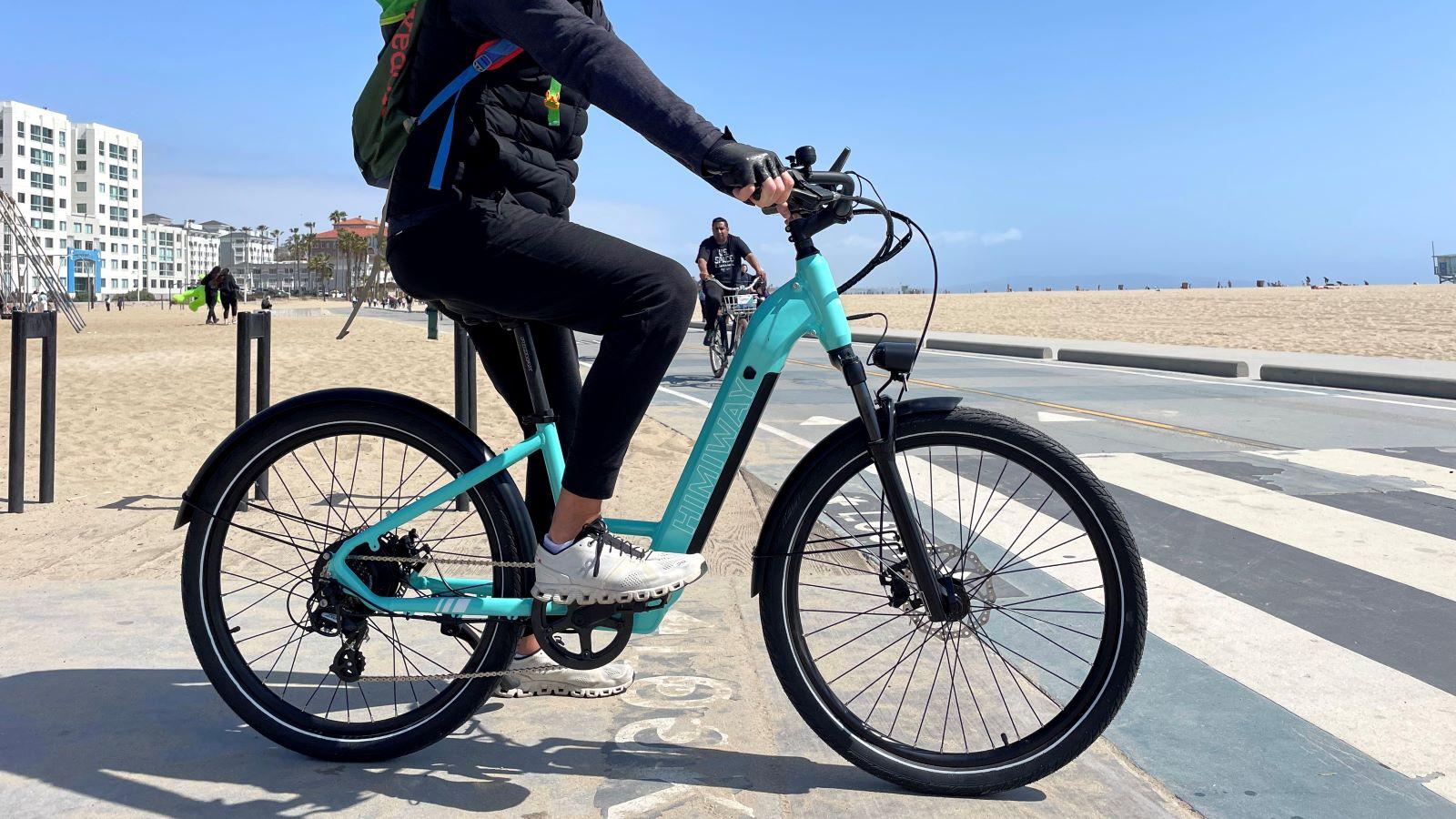
Credit: himiwaybike.com
Factors To Consider When Choosing A Mountain Bike For Commuting
Mountain bikes handle rough paths well. They have strong tires and suspension. Perfect for bumpy roads. If your route is smooth, a road bike might be better. Mountain bikes can be slow on flat paths. Consider hills and rocks on your way. Choose a bike that fits your daily path.
Mountain bikes can be costly. Price varies by brand and features. Budget plays a big role. Lifestyle matters too. If you love outdoor rides, a mountain bike is great. For short city rides, consider other options. Check your daily needs and how much you can spend.
Safety is key. Mountain bikes have strong brakes and lights. These features keep you safe. Comfort matters for long rides. Look for padded seats and easy handles. Good suspension helps with bumps. Choose a bike with features that make your ride safe and comfy.
Tips For Effective Commuting On A Mountain Bike
A good helmet is important for safety. Use bright lights for night rides. A water bottle keeps you hydrated. Padded gloves protect your hands. A bike lock keeps your bike safe. A small repair kit is helpful for quick fixes. Choose a backpack for carrying items. Fenders keep you dry in rain.
Always start at a slow pace. Keep your back straight. Use both brakes to stop safely. Shift gears before climbing hills. Stand up on the pedals for more power. Keep a safe distance from cars. Look ahead to avoid obstacles. Practice makes you better.
Check tire pressure often. Lubricate the chain regularly. Tighten bolts as needed. Clean your bike to avoid rust. Inspect brakes for wear. Adjust seat height for comfort. Replace worn-out parts quickly. Keep a maintenance schedule.

Credit: victripebike.com

Credit: bikesonline.com.au
Frequently Asked Questions
Is A Mountain Bike Good For Commuting To Work?
A mountain bike is suitable for commuting to work. It handles rough paths and urban terrains well. Its durable build ensures a comfortable ride. However, it might be heavier than road bikes. Consider tire adjustments for smoother pavement rides to enhance efficiency.
What Are The Disadvantages Of Using A Mountain Bike On The Road?
Mountain bikes are heavier and slower on roads, affecting speed and efficiency. Their knobby tires increase rolling resistance, leading to more effort. Suspension systems can also absorb pedaling energy, reducing power transfer. The upright riding position may cause increased wind resistance, impacting aerodynamics and speed on paved surfaces.
Is A Mountain Bike Ok For Street Riding?
Yes, a mountain bike is suitable for street riding. Its sturdy build handles urban terrain well. Wide tires provide stability and comfort on rough streets. Lower gears help with uphill climbs. While not as fast as road bikes, mountain bikes offer versatility for city and off-road adventures.
What Type Of Bicycle Is Best For Commuting?
Hybrid bicycles are ideal for commuting. They offer a balance between comfort and efficiency. They have versatile tires and gear systems suited for urban environments. Their lightweight frames make them easy to handle. Choose models with built-in racks for carrying essentials.
Conclusion
Choosing a mountain bike for commuting has its ups and downs. On the plus side, mountain bikes offer durability and comfort. They handle rough roads with ease. You feel safer on a sturdy frame. But, they can be heavier and slower.
They might not be ideal for long, smooth roads. Consider your route and needs. Think about comfort and speed. Balance both for a great ride. Your decision should fit your lifestyle. Weigh the pros and cons. Make a choice that suits your daily journey.



