
Yes, a recumbent bike can be highly effective for weight loss when used consistently with proper intensity and duration. This low-impact cardio machine helps burn calories, improve heart health, and support long-term fitness goals—especially when combined with a balanced diet.
Key Takeaways
- Low-impact, high results: Recumbent bikes are gentle on joints while still providing an effective cardio workout for burning fat.
- Burns 400–600 calories per hour: Depending on intensity and body weight, you can torch significant calories during moderate to vigorous sessions.
- Supports sustainable routines: The comfortable seated position encourages longer, more frequent workouts—key for consistent weight loss.
- Great for all fitness levels: Beginners and those with mobility issues can safely use recumbent bikes to start their fitness journey.
- Combine with strength training: Pairing recumbent cycling with resistance exercises boosts metabolism and enhances fat loss.
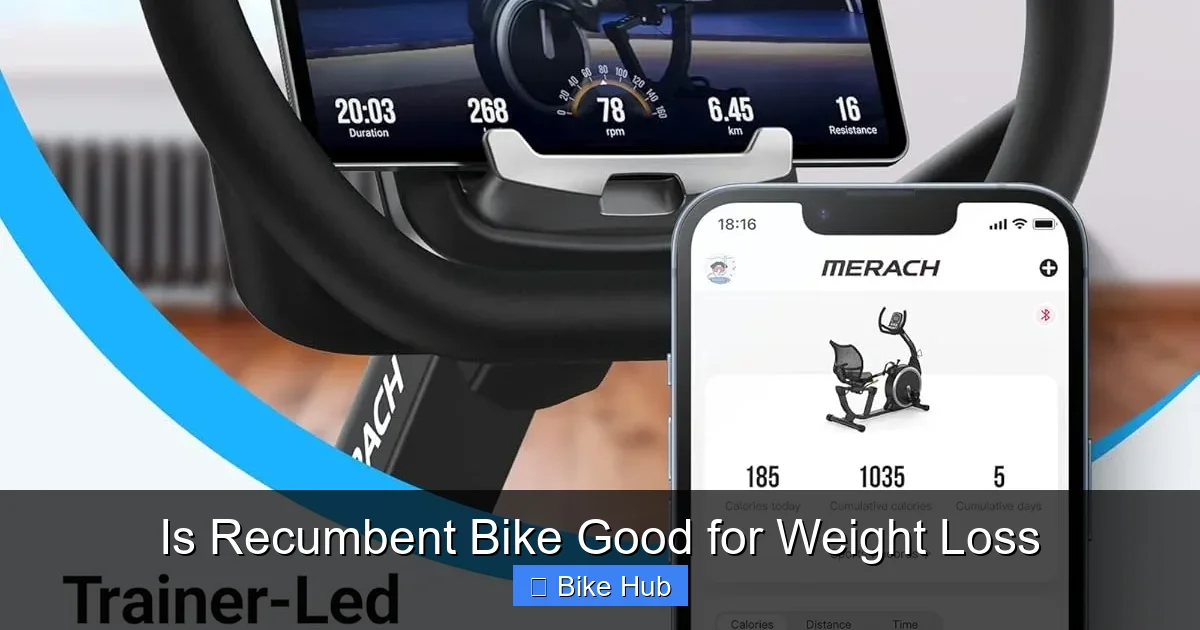
- Track progress with built-in monitors: Most models include heart rate and calorie trackers to help you stay on target.
- Consistency beats intensity: Regular 30–45 minute sessions, 4–5 times a week, yield better long-term results than occasional intense rides.
Is Recumbent Bike Good for Weight Loss? A Complete How-To Guide
If you’re looking for a comfortable, joint-friendly way to shed pounds, you might be wondering: Is recumbent bike good for weight loss? The short answer is yes—recumbent bikes are excellent tools for burning fat, improving cardiovascular health, and building sustainable fitness habits. Unlike traditional upright bikes, recumbent bikes offer back support and a reclined seating position, making them ideal for longer workouts without discomfort.
In this guide, you’ll learn exactly how to use a recumbent bike for weight loss, including optimal workout routines, calorie-burning tips, and how to stay motivated. Whether you’re a beginner or recovering from injury, this step-by-step plan will help you maximize results while minimizing strain.
How Recumbent Bikes Support Weight Loss

Visual guide about Is Recumbent Bike Good for Weight Loss
Image source: i0.wp.com
Recumbent bikes promote weight loss through steady-state cardiovascular exercise. When you pedal at a moderate to vigorous pace, your body burns calories for energy—especially from stored fat when done consistently over time. Because recumbent bikes are low-impact, they reduce stress on your knees, hips, and spine, allowing you to exercise longer and more frequently.
Studies show that 30 minutes of moderate cycling on a recumbent bike can burn between 200–400 calories, depending on your weight and effort level. Over an hour, that number can climb to 400–600 calories—comparable to jogging or swimming, but with far less joint wear and tear.
Why Comfort Leads to Consistency
One of the biggest reasons people quit fitness routines is discomfort. Recumbent bikes solve this problem with ergonomic seats, backrests, and adjustable pedals. This comfort encourages longer sessions and regular use—two critical factors in long-term weight loss.
For example, someone who struggles with back pain on an upright bike might only manage 10 minutes. On a recumbent bike, they could comfortably ride for 45 minutes, burning significantly more calories and building endurance.
Step-by-Step Guide to Losing Weight on a Recumbent Bike
Visual guide about Is Recumbent Bike Good for Weight Loss
Image source: weight.news
Follow this practical plan to turn your recumbent bike into a fat-burning machine.
Step 1: Set Realistic Goals
Start by defining your weight loss目标. Aim for 1–2 pounds per week, which is safe and sustainable. To lose one pound, you need a calorie deficit of about 3,500 calories. That means burning 500 extra calories per day through exercise and diet.
Use a fitness tracker or journal to monitor your progress. Celebrate small wins—like completing five workouts in a week—to stay motivated.
Step 2: Warm Up Properly
Never jump straight into intense pedaling. Begin with a 5–10 minute warm-up at low resistance and a slow pace (50–60 RPM). This increases blood flow and prepares your muscles.
For detailed warm-up techniques, check out our guide on how to warm up before using a recumbent bike.
Step 3: Choose the Right Intensity
To burn fat effectively, aim for 70–85% of your maximum heart rate. You can estimate this by subtracting your age from 220. For example, a 40-year-old should target 126–153 beats per minute.
Use the bike’s built-in heart rate monitor or wear a fitness tracker. If you can talk but not sing, you’re in the right zone.
Step 4: Follow a Weekly Routine
Consistency is key. Here’s a sample weekly plan:
- Monday: 30-minute steady ride at moderate intensity
- Tuesday: Rest or light stretching
- Wednesday: 45-minute interval session (alternate 2 minutes high intensity, 3 minutes low)
- Thursday: Rest
- Friday: 30-minute endurance ride
- Saturday: 60-minute long ride at conversational pace
- Sunday: Rest or active recovery (e.g., walking)
This mix of steady-state and interval training boosts calorie burn and improves cardiovascular fitness.
Step 5: Add Resistance and Incline
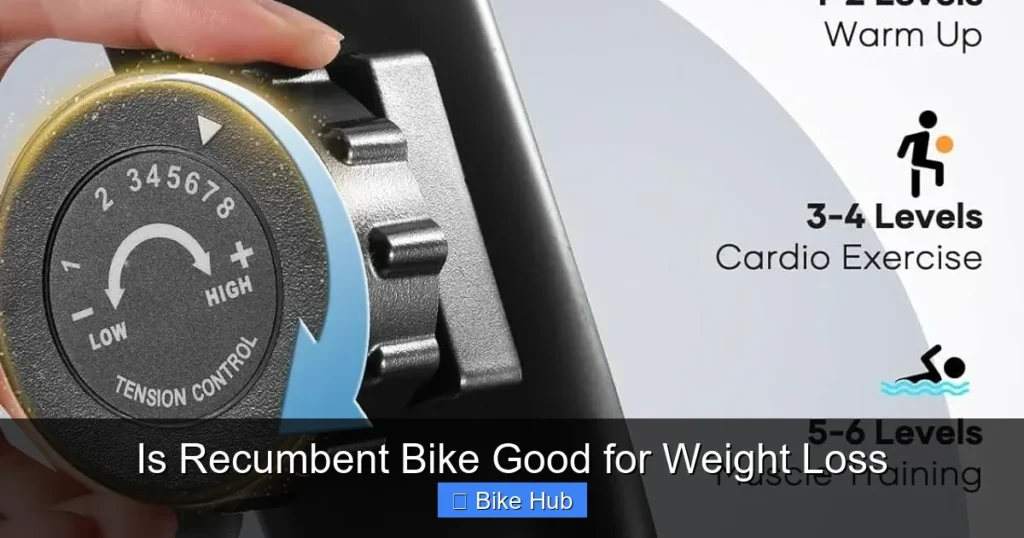
Most recumbent bikes allow you to increase resistance. Higher resistance builds leg strength and burns more calories. Gradually increase resistance every 1–2 weeks as you get stronger.
If your bike has a virtual incline feature, use it to simulate hills. This adds intensity without increasing speed, helping you burn fat more efficiently.
Step 6: Cool Down and Stretch
After each workout, spend 5–10 minutes pedaling at a very low resistance. Follow this with gentle stretches for your hamstrings, quads, and lower back. This reduces soreness and improves flexibility.
Maximizing Calorie Burn: Tips and Tricks
To get the most out of your recumbent bike workouts, try these proven strategies:
Use Interval Training
Interval training alternates short bursts of high effort with recovery periods. For example:
- Warm up for 5 minutes
- Sprint at high resistance for 30 seconds
- Recover at low intensity for 90 seconds
- Repeat 8–10 times
- Cool down for 5 minutes
This method burns more calories in less time and keeps your metabolism elevated even after you stop exercising.
Extend Your Workout Time
Longer sessions at moderate intensity are great for fat burning. Aim for 45–60 minutes, 4–5 times per week. Even if you start with 20 minutes, gradually increase your time as your stamina improves.
Engage Your Core and Arms
Some recumbent bikes come with moving handles. Use them to involve your upper body, turning your workout into a full-body burn. Even without handles, sit up straight and gently engage your core while pedaling.
Stay Hydrated and Fuel Smart
Drink water before, during, and after your ride. Avoid sugary drinks. Pair your workouts with a balanced diet rich in protein, fiber, and healthy fats to support fat loss and muscle recovery.
Troubleshooting Common Challenges
Boredom During Long Rides
It’s easy to zone out on a recumbent bike. Beat boredom by:
- Watching TV or streaming shows
- Listening to podcasts or audiobooks
- Using apps with virtual routes
Our article on how to add entertainment features to recumbent bike offers great ideas to keep you engaged.
Plateauing in Weight Loss
If the scale stops moving, change your routine. Try new workout formats, increase resistance, or add strength training 2–3 times per week. Muscle burns more calories at rest, so building lean mass helps accelerate fat loss.
Machine Maintenance Issues
A squeaky or wobbly bike can ruin your workout. Regularly clean the flywheel and check for loose parts. For tips, see our guide on how to clean recumbent bike flywheel.
Who Should Use a Recumbent Bike for Weight Loss?
Recumbent bikes are ideal for:
- Beginners starting a fitness journey
- People with joint pain or arthritis
- Older adults seeking safe cardio
- Individuals recovering from injury
- Those who prefer seated workouts
They’re also great for home gyms. If you’re shopping for one, consider models with adjustable seats, quiet operation, and built-in programs. Check out our recommendations for the best recumbent bike for home gym.
Conclusion
So, is recumbent bike good for weight loss? Absolutely. With its low-impact design, calorie-burning potential, and comfort, it’s a smart choice for anyone looking to lose weight safely and sustainably. The key is consistency, proper intensity, and pairing exercise with healthy eating.
Start with 30-minute sessions, gradually increase duration and resistance, and mix in interval training. Track your progress, stay hydrated, and don’t forget to warm up and cool down. Over time, you’ll not only see the number on the scale drop but also feel stronger, more energetic, and confident in your fitness journey.
Your recumbent bike isn’t just a piece of equipment—it’s a tool for transformation. Use it wisely, and the results will follow.



