
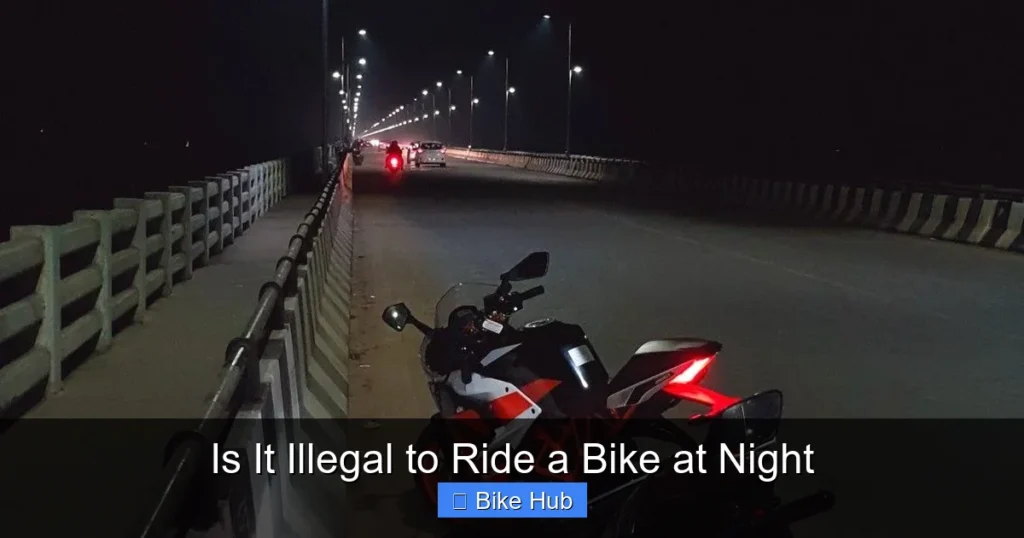
Riding a bike at night isn’t illegal in most places, but it often comes with strict safety requirements like lights and reflectors. This guide breaks down the laws, essential gear, and tips to help you ride safely after dark.
Key Takeaways
- It’s usually not illegal to ride a bike at night — but many states and cities require specific safety equipment like front and rear lights.
- Visibility is the #1 priority — wearing bright or reflective clothing and using proper lighting can prevent accidents.
- Laws vary by location — always check your local municipal code or state vehicle laws for exact requirements.
- Helmets and reflectors are often mandatory — especially for younger riders or in high-traffic areas.
- Using a bike camera with night mode can improve safety and provide evidence in case of an incident.
- Regular maintenance is crucial — ensure your brakes, tires, and lights work properly before heading out after dark.
- Plan your route wisely — choose well-lit, bike-friendly paths and avoid isolated or poorly maintained roads.
Is It Illegal to Ride a Bike at Night? A Complete Guide
Have you ever wanted to take a peaceful evening ride under the stars — only to wonder if it’s actually legal? You’re not alone. Many cyclists ask: Is it illegal to ride a bike at night? The short answer is: no, it’s generally not illegal — but there are important rules and safety measures you must follow to stay on the right side of the law and, more importantly, safe on the road.
In this guide, we’ll walk you through everything you need to know about nighttime cycling — from legal requirements and safety gear to practical tips for staying visible and avoiding trouble. Whether you’re commuting home from work, enjoying a late-night trail ride, or just love the calm of a quiet evening pedal, this guide will help you ride confidently after dark.
Understanding the Law: What Does “Legal” Mean for Nighttime Cycling?
First things first: riding a bicycle at night is not inherently illegal in the United States or most other countries. However, nearly every state and many local municipalities have specific regulations about how bikes must be equipped when ridden after sunset or before sunrise.
Visual guide about Is It Illegal to Ride a Bike at Night
Image source: quadrovehicles.com
These laws are designed to protect cyclists and drivers alike. Since visibility drops significantly at night, governments require bikes to be equipped with lighting and reflective materials so they can be seen by motorists.
Common Legal Requirements Across the U.S.
- Front white light: Must be visible from at least 500 feet away.
- Rear red light or reflector: Must be visible from 600 feet in front of vehicle headlights.
- Reflectors on pedals or shoes: Required in some states to show side visibility.
- Reflective sidewalls or tape on wheels: Helps drivers see your bike from the side.
- Reflective clothing or vest: Not always required by law, but strongly recommended and sometimes mandated for minors.
For example, California Vehicle Code Section 21201 requires all bikes ridden at night to have a front lamp, rear reflector, and reflective tires or tape. Breaking these rules can result in a fine — even if no accident occurs.
Check Your Local Laws
Because laws vary by city and state, it’s essential to research your local regulations. A quick search for “bicycle nighttime laws [your city/state]” will usually bring up official municipal codes or state DMV guidelines. Some cities, like New York, have stricter rules, especially for bike lanes and shared paths.
Essential Gear for Safe Night Riding
Even if your area doesn’t strictly enforce nighttime bike laws, using the right gear is critical for your safety. Think of it this way: just because something isn’t illegal doesn’t mean it’s safe. Here’s what you need to ride confidently after dark.
Visual guide about Is It Illegal to Ride a Bike at Night
Image source: lawpedic.com
1. Front and Rear Lights
A bright front light isn’t just for seeing — it’s for being seen. Choose a white LED light with at least 200 lumens for urban riding. For trails or dark roads, go for 500+ lumens.
Your rear light should be red and flash or pulse to catch drivers’ attention. Many modern bike lights come with USB rechargeable batteries and multiple modes (steady, flashing, eco).
💡 Pro tip: Use two rear lights — one on your seat post and one on your backpack or helmet — for maximum visibility.
2. Reflective Clothing and Accessories
Wear bright or light-colored clothing, but don’t stop there. Add reflective strips, vests, or ankle bands. These reflect car headlights and make you visible from all angles.
Reflective tape on your helmet, bike frame, and pedals also helps. Some cyclists even use glow-in-the-dark stickers for extra flair and safety.
3. Bike Reflectors (Even If You Have Lights)
Most bikes come with built-in reflectors, but make sure they’re clean and undamaged. Wheel reflectors (on spokes) and pedal reflectors are especially important for side visibility.
4. Helmet with Reflective Elements
While not all states require helmets for adults, wearing one is always smart — especially at night. Choose a helmet with reflective patches or add your own reflective tape. For a perfect fit, check out our guide on how to properly fit a bike helmet.
5. Optional but Helpful: Bike Camera with Night Mode
A bike camera can record your ride and provide evidence in case of an accident. Models with night mode use infrared or enhanced low-light sensors to capture clear footage even in darkness. Learn more in our article on how to use bike camera night mode.
How to Prepare for a Night Ride
Night riding isn’t just about gear — it’s about planning. Follow these steps to ensure a smooth and safe ride.
Step 1: Inspect Your Bike
Before heading out, do a quick safety check:
- Are your brakes working properly?
- Are tires inflated and free of cracks?
- Are lights charged and securely mounted?
- Are reflectors clean and in place?
If you’re unsure about your bike’s condition, read our guide on how to maintain a road bike for routine checks and tips.
Step 2: Choose the Right Route
Stick to well-lit streets, bike paths, or trails you know well. Avoid shortcuts through dark alleys or unlit parks. Use apps like Google Maps or Strava to find bike-friendly routes with street lighting.
Step 3: Dress for Visibility and Comfort
Layer up if it’s cold, but prioritize visibility. A reflective vest over a jacket works better than a dark hoodie. Avoid headphones — you need to hear traffic and other cyclists.
Step 4: Ride Defensively
Assume drivers can’t see you — even if you’re lit up like a Christmas tree. Make eye contact at intersections, use hand signals, and avoid sudden movements. Ride predictably and stay out of blind spots.
Troubleshooting Common Night Riding Issues
Even with the best preparation, things can go wrong. Here’s how to handle common problems.
Problem: Lights Die Mid-Ride
Solution: Always carry a backup light or power bank. Many USB-rechargeable lights can be powered by a portable battery. Check out how to charge a bike light for tips on keeping your lights ready.
Problem: Poor Visibility on Dark Roads
Solution: Use multiple light sources. A helmet-mounted light helps illuminate where you’re looking, not just where your bike is pointing. Add side lights or wheel lights for 360-degree visibility.
Problem: Feeling Unsafe in Traffic
Solution: Ride in bike lanes when available. If there’s no lane, ride in the right-hand third of the lane to make yourself more visible. Avoid busy roads during peak hours if possible.
Final Thoughts: Ride Smart, Stay Safe
So, is it illegal to ride a bike at night? In most cases, no — but only if you follow the rules. The real goal isn’t just to avoid a ticket; it’s to stay safe and enjoy your ride without worry.
By equipping your bike with proper lights, wearing reflective gear, and planning your route, you can ride confidently after dark. Remember, visibility is your best defense. And when in doubt, over-prepare — it’s better to be seen than sorry.
Whether you’re commuting, exercising, or just enjoying the quiet of the night, nighttime cycling can be a peaceful and rewarding experience — as long as you do it right.



