
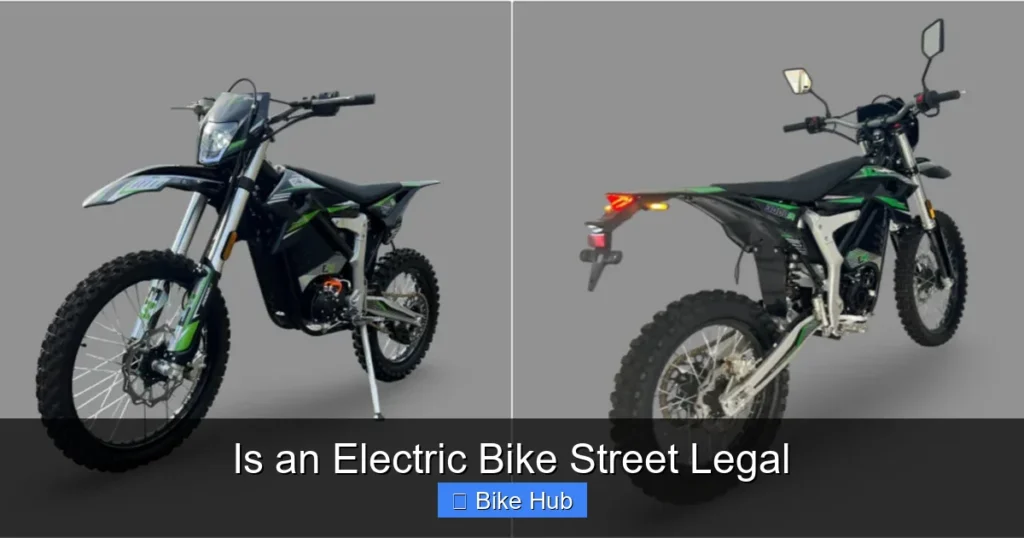
Electric bikes can be street legal, but it depends on your location and the bike’s specifications. This guide breaks down federal, state, and local laws so you can ride safely and legally. Know your class, follow the rules, and enjoy the ride.
Key Takeaways
- E-bikes are classified into three categories based on speed and motor power, which determine where and how you can ride them.
- Federal law defines e-bikes as bicycles if they meet certain criteria, but state and local laws may vary significantly.
- Class 1 and Class 2 e-bikes are generally street legal on roads and bike lanes, while Class 3 has additional restrictions.
- You may need a helmet, lights, or reflectors depending on your location and the e-bike class.
- Some areas ban e-bikes from sidewalks or trails, so always check local regulations before riding.
- Modifying your e-bike can make it illegal—avoid tampering with speed limiters or motor power.
- Registering or licensing your e-bike is rarely required, but it’s wise to keep proof of purchase and specs handy.
Is an Electric Bike Street Legal? A Complete How-To Guide
If you’re thinking about buying an electric bike or already own one, you’ve probably asked: Is an electric bike street legal? The short answer is: yes, in most cases—but it depends. Electric bikes, or e-bikes, are becoming more popular for commuting, recreation, and even off-road adventures. But before you hit the road, it’s essential to understand the rules that apply to your e-bike.
This guide will walk you through everything you need to know about e-bike legality. You’ll learn how e-bikes are classified, what federal and state laws say, and how to make sure your ride is safe and legal. Whether you’re cruising through city streets or exploring scenic rail trails, this guide has you covered.
Step 1: Understand the Three Classes of Electric Bikes
The first step to knowing if your e-bike is street legal is understanding how e-bikes are categorized. In the U.S., e-bikes are divided into three classes based on their speed and how the motor assists you.
Class 1: Pedal-Assist Only
Class 1 e-bikes provide motor assistance only when you’re pedaling, and the motor cuts off at 20 mph. These are the most widely accepted e-bikes and are allowed on most bike paths, roads, and trails. They’re ideal for casual riders and commuters who want a little boost without going too fast.
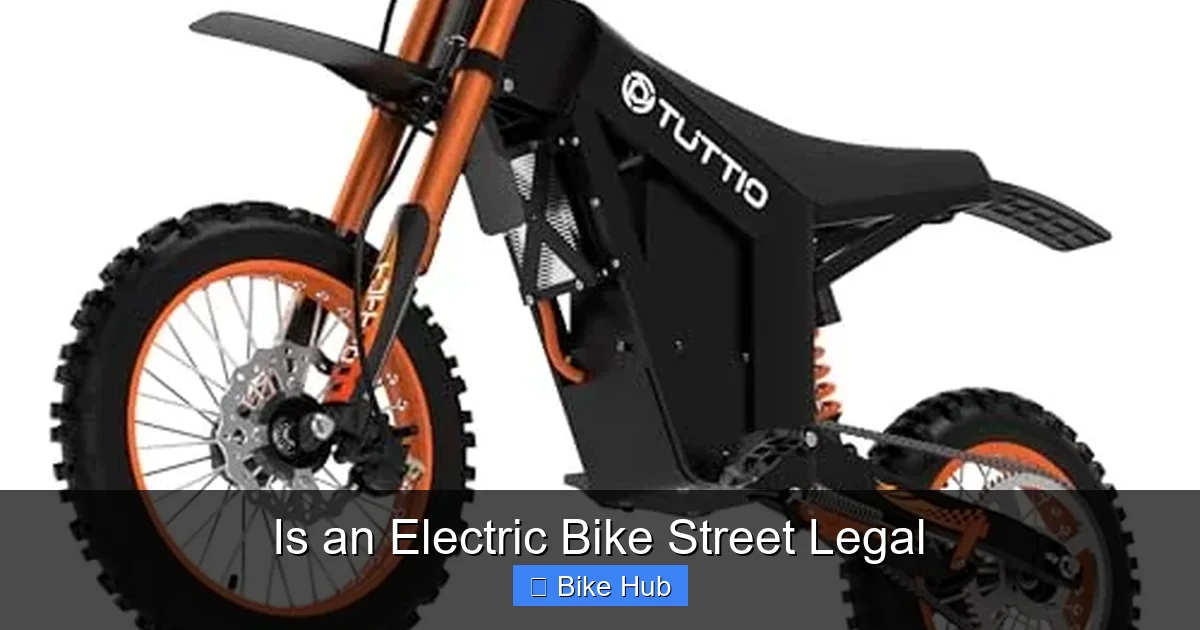
Visual guide about Is an Electric Bike Street Legal
Image source: m.media-amazon.com
Class 2: Throttle-Assisted
Class 2 e-bikes have a throttle that can power the bike without pedaling, similar to a scooter. The motor also stops assisting at 20 mph. These are great for riders who may have difficulty pedaling or want extra help on hills. Most cities allow Class 2 e-bikes on roads and bike lanes, but some restrict them from certain trails.
Class 3: Speed Pedelec
Class 3 e-bikes are pedal-assist only, but the motor continues to assist up to 28 mph. These are faster and often used for longer commutes. Due to their speed, Class 3 e-bikes may require a helmet and are sometimes banned from bike paths or sidewalks. Always check local rules before riding one in urban areas.
Tip: When shopping for an e-bike, look for a label or manual that specifies its class. This will help you understand where you can legally ride it.
Step 2: Know the Federal E-Bike Laws
At the federal level, the U.S. Consumer Product Safety Commission (CPSC) defines an electric bike as a two- or three-wheeled vehicle with fully operable pedals, a motor of less than 750 watts (1 horsepower), and a top speed of 20 mph on motor power alone.
Federal Definition Matters
If your e-bike meets these criteria, it’s considered a bicycle—not a motor vehicle—under federal law. That means you don’t need a license, registration, or insurance to ride it on public roads. This classification helps keep e-bikes accessible and affordable.
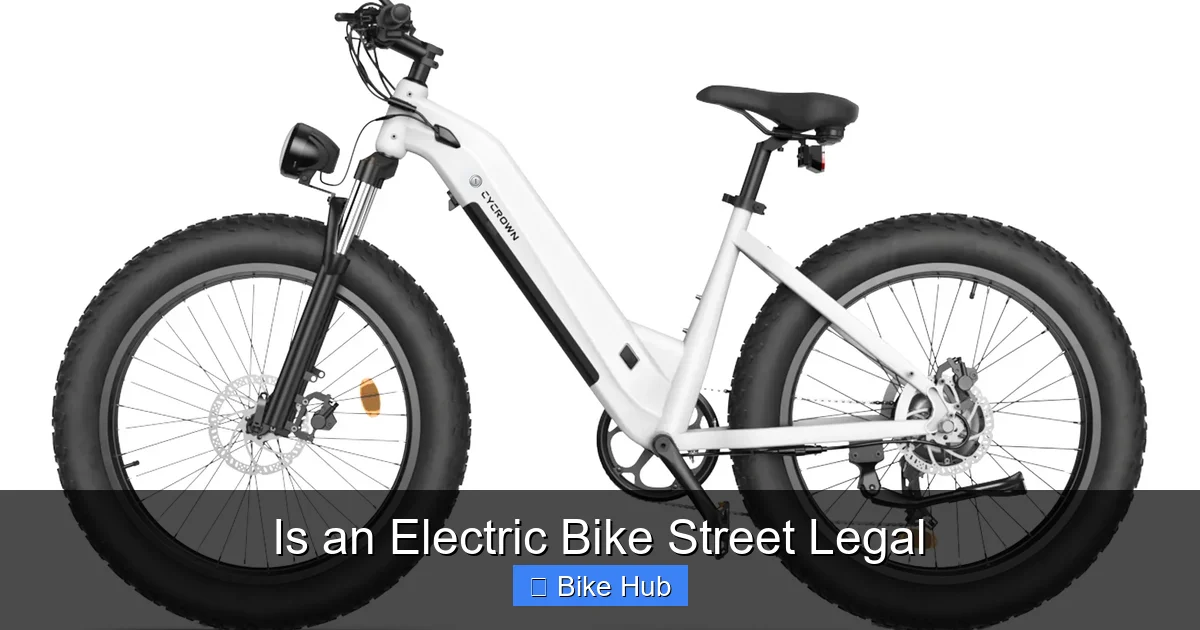
Visual guide about Is an Electric Bike Street Legal
Image source: cycrown.com
Why This Matters for Street Legality
Because federal law treats compliant e-bikes like regular bikes, they’re generally allowed wherever traditional bicycles are permitted. However, states and cities can impose additional rules, so federal law is just the starting point.
Step 3: Check Your State and Local Laws
This is where things get tricky. While federal law sets a baseline, each state—and sometimes each city or county—can have its own regulations.
State-by-State Variations
For example, California allows all three classes of e-bikes on bike lanes and paths, but Class 3 riders must be at least 16 and wear a helmet. In contrast, New York only recently legalized e-bikes and requires them to be registered in some cases.
Local Ordinances Can Be Stricter
Even within a state, cities may have their own rules. Some ban e-bikes from sidewalks, while others restrict them on certain trails. For instance, many national parks allow Class 1 e-bikes on paved roads but not on dirt trails.
Pro Tip: Visit your state’s Department of Motor Vehicles (DMV) or transportation website. Many now have dedicated e-bike pages with up-to-date rules. You can also call your local police non-emergency line to ask about local ordinances.
Step 4: Equip Your E-Bike for Safety and Compliance
Even if your e-bike is street legal, you may need certain equipment to ride safely and legally.
Required Safety Gear
- Headlight: Most states require a white front light visible from 500 feet if riding at night.
- Taillight and Reflectors: A red rear light and reflectors on wheels, pedals, and seat are often mandatory.
- Brake Lights: Not required everywhere, but helpful for safety.
- Bell or Horn: Many areas require an audible signal device.
- Helmet: Required for Class 3 e-bikes in most states and recommended for all riders.
Additional Considerations
Some cities require mirrors, especially for faster e-bikes. Also, make sure your tires are in good condition and your brakes work properly. A well-maintained e-bike is not only safer but also less likely to draw attention from law enforcement.
Example: If you’re commuting in the city, consider adding a rear rack and panniers for carrying items. For longer rides, a best electric bike pump can help you maintain proper tire pressure, improving efficiency and safety.
Step 5: Avoid Illegal Modifications
One common mistake riders make is modifying their e-bike to go faster or increase motor power. While it might seem tempting, this can quickly make your e-bike illegal.
Why Modifications Are Risky
Tampering with the motor controller or removing speed limiters can push your e-bike beyond the 20 or 28 mph limit. If caught, you could face fines, have your bike confiscated, or even be treated as riding a motor vehicle without a license.
Stick to Factory Settings
Unless you’re in a region that allows higher-powered e-bikes (like some European countries), keep your bike as it was sold. If you want more speed or range, consider upgrading to a higher-class model that’s already compliant.
Step 6: Know Where You Can and Can’t Ride
Even with a legal e-bike, you can’t ride everywhere.
Allowed Areas
- Public roads and streets (in most areas)
- Bike lanes and multi-use paths
- Some rail trails and greenways (check local rules)
Restricted or Prohibited Areas
- Sidewalks (in many cities)
- Hiking-only trails or nature preserves
- Highways or interstates
- Private property without permission
Example: If you’re planning a weekend ride on a scenic trail, check if e-bikes are allowed. Some rail trails welcome them, while others ban motorized vehicles entirely. For a great option, consider the best electric bike for rail trails, designed for smooth, quiet rides on paved paths.
Troubleshooting Common Issues
“My E-Bike Was Stopped by Police—What Do I Do?”
Stay calm and polite. Ask why you were stopped. If it’s a misunderstanding about legality, show your bike’s class label or manual. Keep a copy of your state’s e-bike laws on your phone for reference.
“Can I Ride My E-Bike in the Rain?”
Yes, most e-bikes are water-resistant, but avoid deep puddles or heavy downpours. After riding in wet conditions, dry your bike and check the battery and connections. For rainy commutes, the best electric bike for rain offers enhanced waterproofing and grip.
“What If My E-Bike Doesn’t Have a Class Label?”
Contact the manufacturer or retailer. If you bought it online, check the product description. If it’s unclassifiable, assume it’s not street legal until proven otherwise.
Conclusion
So, is an electric bike street legal? In most cases, yes—but only if it meets federal, state, and local requirements. By understanding the three e-bike classes, equipping your bike properly, and following the rules of the road, you can enjoy a safe and legal riding experience.
Always do your research before buying or riding. Laws change, and what’s allowed today might not be tomorrow. When in doubt, contact your local transportation authority or bike advocacy group.
Electric bikes are a fun, eco-friendly way to get around. With the right knowledge, you can ride confidently—on the streets, trails, or wherever your adventure takes you.



