

An e bike subscription can be a smart, flexible alternative to buying—especially for commuters or casual riders. We’ll help you weigh the pros and cons, compare pricing, and decide if it fits your lifestyle.
Key Takeaways
- Lower upfront cost: Subscriptions eliminate the large initial investment of buying an e-bike, making them ideal for trying before committing.
- Maintenance and repairs included: Most plans cover servicing, tire changes, and battery checks—saving time and unexpected costs.
- Flexibility to switch models: Upgrade or downgrade your e-bike as your needs change, whether for commuting, hills, or weekend adventures.
- Ideal for short-term use: Perfect for seasonal riders, city dwellers, or those testing e-bikes before purchasing.
- Watch for long-term costs: Over 2–3 years, subscriptions may cost more than buying outright—calculate total expenses carefully.
- Check coverage and terms: Not all plans include theft protection or roadside assistance—read the fine print.
- Great for urban commuting: If you ride daily in the city, a subscription offers convenience without storage or security worries.
Is an E Bike Subscription Worth It? A Complete How-To Guide
So you’re thinking about getting an e-bike—but instead of dropping $2,000+ on a purchase, you’ve heard about e bike subscriptions. Maybe you’ve seen ads offering “ride now, pay monthly” plans with maintenance included. Sounds tempting, right? But is it actually worth it?
In this guide, we’ll walk you through everything you need to know to decide whether an e bike subscription makes sense for your lifestyle, budget, and riding goals. Whether you’re a daily commuter, a weekend explorer, or just curious about electric bikes, we’ve got you covered.
By the end, you’ll know how to compare plans, calculate real costs, and avoid common pitfalls—so you can ride smarter, not harder.
Step 1: Understand What an E Bike Subscription Includes
Before you sign up, it’s crucial to know exactly what you’re getting. Most e bike subscriptions bundle the bike, maintenance, and sometimes extras like insurance or theft protection—all for a monthly fee.
Typical Subscription Features
- The bike itself: Usually a mid-range e-bike from brands like Rad Power, Aventon, or VanMoof.
- Regular maintenance: Tune-ups, brake adjustments, tire replacements, and battery checks are often included.
- Theft and damage coverage: Some plans offer replacement if your bike is stolen (usually with a deductible).
- Roadside assistance: Flat tire? Dead battery? Many services will send help or a replacement bike.
- Upgrade options: Some providers let you swap models every 6–12 months.
What’s Usually NOT Included
- Accessories: Helmets, locks, lights, and racks often cost extra.
- Long-term ownership: You don’t own the bike unless you buy it outright at the end (if offered).
- Unlimited mileage: Some plans cap monthly usage—check for mileage limits.
💡 Pro Tip: Always read the terms and conditions. A plan that looks cheap at $79/month might exclude critical services or charge high fees for minor damage.
Step 2: Compare Subscription Costs vs. Buying Outright
This is where most people get stuck. Is it cheaper to subscribe or buy?
Let’s break it down with real numbers.
Example: Subscription vs. Purchase
- Subscription: $99/month for 24 months = $2,376 total
- Purchase: $2,200 for a comparable e-bike + $300 in maintenance over 2 years = $2,500
At first glance, the subscription seems cheaper. But wait—there’s more.
Hidden Costs to Consider
- No resale value: With a subscription, you don’t own the bike, so you can’t sell it later.
- Long-term expenses: After 2 years, the subscription continues—so 3 years could cost $3,564 vs. owning outright.
- Usage limits: Some plans charge extra if you exceed 500 miles/month.
When Buying Makes More Sense
- You plan to ride for 3+ years
- You want to customize your bike
- You live in a rural area with limited service centers
- You’re handy with basic repairs and don’t need full maintenance coverage
On the other hand, if you’re unsure about long-term use or live in a city with good support, a subscription can be a low-risk way to start.
For a deeper dive into value, check out our guide on the best e-bike for your buck to see how ownership compares across models.
Step 3: Evaluate Your Riding Needs and Lifestyle
Not all riders are the same. Your decision should match how and where you ride.
Commuters: A Great Fit
If you ride to work daily, a subscription offers major perks:
- No need to store a bike at home (ideal for apartments)
- Maintenance handled by the provider—no weekend shop trips
- Quick replacements if your bike breaks down
Many city-based services even offer docking stations or swap locations. For urban riders, this convenience is hard to beat.
Weekend Warriors: Think Twice
If you only ride on weekends or seasonally, a subscription might not pay off. You’re paying monthly for a bike you use 10% of the time.
Instead, consider a budget mountain bike or a used e-bike you can store and maintain yourself.
Hilly Terrain Riders: Check the Specs
Not all subscription e-bikes are created equal. If you live in a hilly area, make sure the model has enough torque and battery range.
Look for bikes with:
- At least 500W motor
- 48V battery with 40+ mile range
- Quality mid-drive or geared hub motor
For help choosing the right model, see our guide on the best e-bike for hilly terrain.
Step 4: Research Subscription Providers and Read Reviews
Not all e bike subscription services are equal. Some are backed by major brands, while others are startups with limited support.
Top Providers to Consider
- VanMoof Subscription: Offers sleek, tech-heavy bikes with theft protection and global support. Plans start around $89/month.
- Rad Power Bikes Flex Pass: Flexible 3-month terms, includes maintenance and roadside help. Great for short-term use.
- Dance (Europe): All-inclusive plan with bike, insurance, and repairs. Popular in cities like Berlin and Paris.
- Zoomo (Australia & UK): Designed for delivery riders, but open to the public. Durable, practical bikes.
What to Look for in Reviews
- Response time for repairs or replacements
- Clarity of terms (especially around damage fees)
- Customer service quality
- Real-world battery performance
💡 Pro Tip: Search Reddit, Facebook groups, or cycling forums for honest user experiences. A glossy website doesn’t always tell the full story.
Step 5: Test Ride Before You Commit
Never sign up without trying the bike first. Many providers offer free trial periods (7–14 days) or demo events.
What to Test
- Comfort: Is the seat adjustable? Does the frame fit your height?
- Handling: How does it feel on turns, hills, and bumpy roads?
- Battery life: Ride until the battery drops to 20%—does it match the claimed range?
- Assist levels: Try eco, normal, and turbo modes to see which suits your ride style.
If the bike doesn’t feel right, don’t be afraid to walk away. A subscription is only worth it if the ride is enjoyable.
Troubleshooting Common Subscription Issues
Even the best plans can hit snags. Here’s how to handle common problems.
Problem: My bike broke down and no one responded
Solution: Check your plan’s SLA (service level agreement). Most promise a replacement within 24–48 hours. If they’re late, escalate via email or social media. Keep records of all communication.
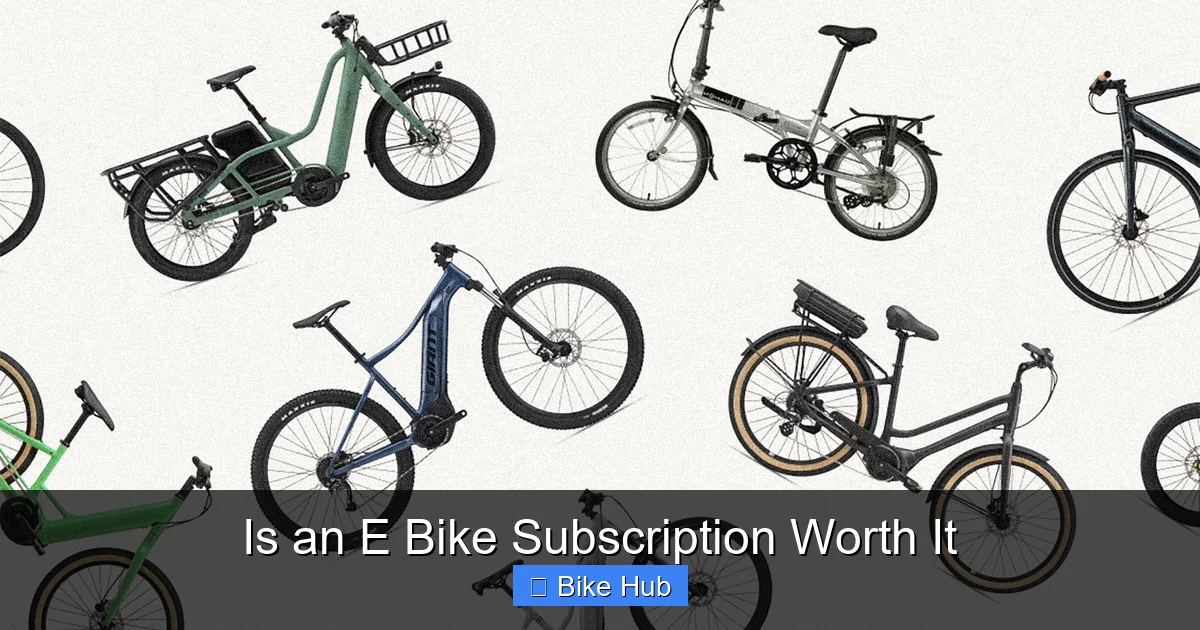
Visual guide about Is an E Bike Subscription Worth It
Image source: images.fastcompany.com

Visual guide about Is an E Bike Subscription Worth It
Image source: alleywatch.com
Problem: I was charged for “excessive wear”
Solution: Review the wear-and-tear policy. Scratches and tire wear are usually covered, but deep dents or water damage may not be. Take photos when you receive the bike and report issues immediately.
Problem: I want to cancel early
Solution: Most plans require 30 days’ notice. Some charge an early termination fee (e.g., 1–2 months of payments). Always cancel in writing and get confirmation.
Final Decision: Is It Worth It for You?
So—should you subscribe or buy?
Ask yourself:
- Will I use this bike at least 3–4 times per week?
- Do I value convenience over long-term savings?
- Am I okay not owning the bike?
- Is there a reliable provider in my area?
If you answered “yes” to most, a subscription could be a great fit—especially if you’re new to e-bikes or live in a city.
But if you’re a long-term rider who wants to save money and customize your setup, buying might be better.
Remember: there’s no one-size-fits-all answer. The best choice depends on your habits, budget, and goals.



