
Choosing your first motorcycle is exciting but overwhelming. This guide breaks down whether a 600cc bike is suitable for beginners, covering power, handling, safety, and alternatives. We’ll help you make a smart, safe decision based on your experience and goals.
Key Takeaways
- 600cc bikes are powerful and not ideal for most beginners: Their high horsepower and quick acceleration can be overwhelming for new riders still mastering balance and control.
- Beginner-friendly bikes usually range from 250cc to 500cc: These offer enough power to learn on without being dangerously fast, making them safer for developing skills.
- Weight and seat height matter as much as engine size: A heavy or tall bike can be hard to manage at low speeds, even with a smaller engine.
- Take a motorcycle safety course: Professional training builds confidence and teaches essential skills, regardless of the bike you choose.
- Consider used or learner-approved models: Bikes like the Kawasaki Ninja 400 or Honda CB500F are affordable, reliable, and perfect for new riders.
- Start slow and upgrade later: Gaining experience on a smaller bike reduces risk and builds the foundation needed for larger motorcycles.
- Always wear proper gear: Helmets, gloves, jackets, and boots are non-negotiable for safety, especially when learning.
Is a 600cc Bike Good for Beginners? A Complete Guide
So, you’re ready to start your motorcycling journey—congratulations! But now comes the big question: Is a 600cc bike good for beginners? It’s a common dilemma. You’ve seen sleek sportbikes zipping down the highway, and the idea of owning one is tempting. But before you sign the papers, let’s break down what a 600cc motorcycle really means for someone just starting out.
In this guide, we’ll walk you through everything you need to know about choosing your first bike. We’ll cover engine size, power output, handling, safety, and smart alternatives. By the end, you’ll have the confidence to pick a motorcycle that matches your skill level—not your dreams (yet).
Understanding What “600cc” Really Means
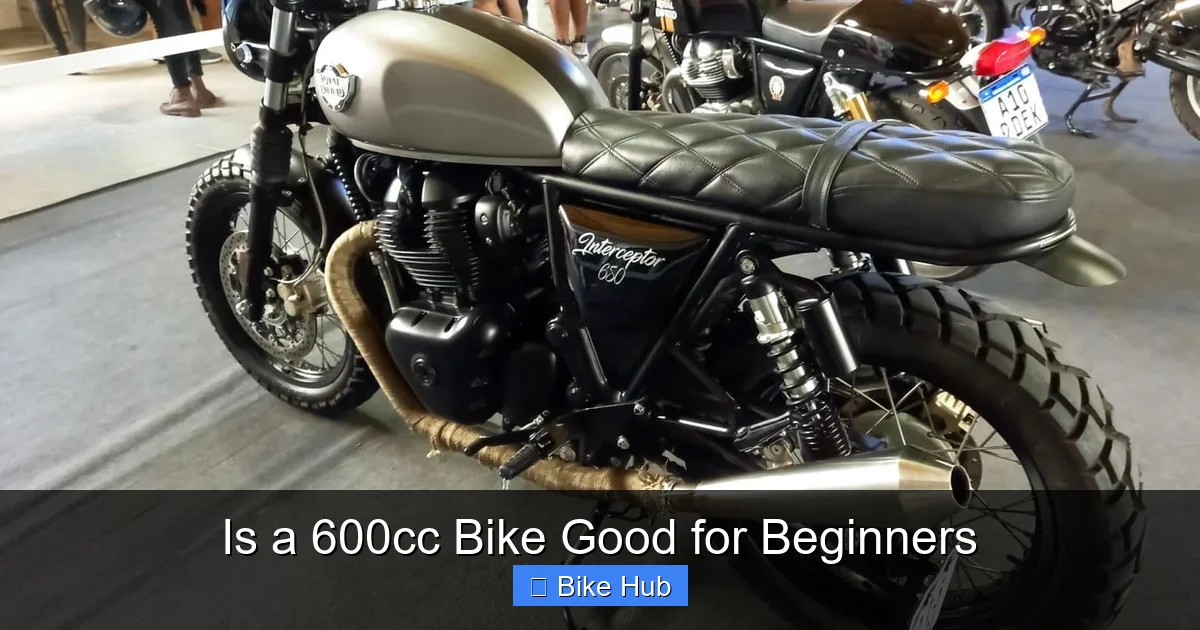
Visual guide about Is a 600cc Bike Good for Beginners
Image source: motorandwheels.com
First, let’s clarify what “600cc” refers to. The number stands for cubic centimeters, which measures the total volume of all the engine’s cylinders. In simple terms, it’s a rough indicator of how much fuel and air the engine can burn per cycle—and thus, how much power it can produce.
A 600cc motorcycle typically produces between 100 and 130 horsepower. That’s a lot for a beginner. For comparison, many entry-level bikes make around 40–60 horsepower. That extra power translates to rapid acceleration, high top speeds, and a bike that responds instantly to throttle input.
Why Power Matters for New Riders
New riders are still learning basic skills like balancing at low speeds, smooth braking, and cornering. A powerful bike can make these tasks harder. For example, a sudden twist of the throttle on a 600cc sportbike can launch you forward unexpectedly—something that’s fun on a track, but dangerous on a quiet neighborhood street.
Real-World Example: The Honda CBR600RR
Take the Honda CBR600RR, a popular 600cc sportbike. It weighs around 400 pounds and makes about 120 horsepower. While it’s lightweight for its class, that power-to-weight ratio is intense. Many riders report that even seasoned motorcyclists find it aggressive. For a beginner, it’s like learning to drive in a sports car with no traction control.
The Risks of Starting on a 600cc Bike
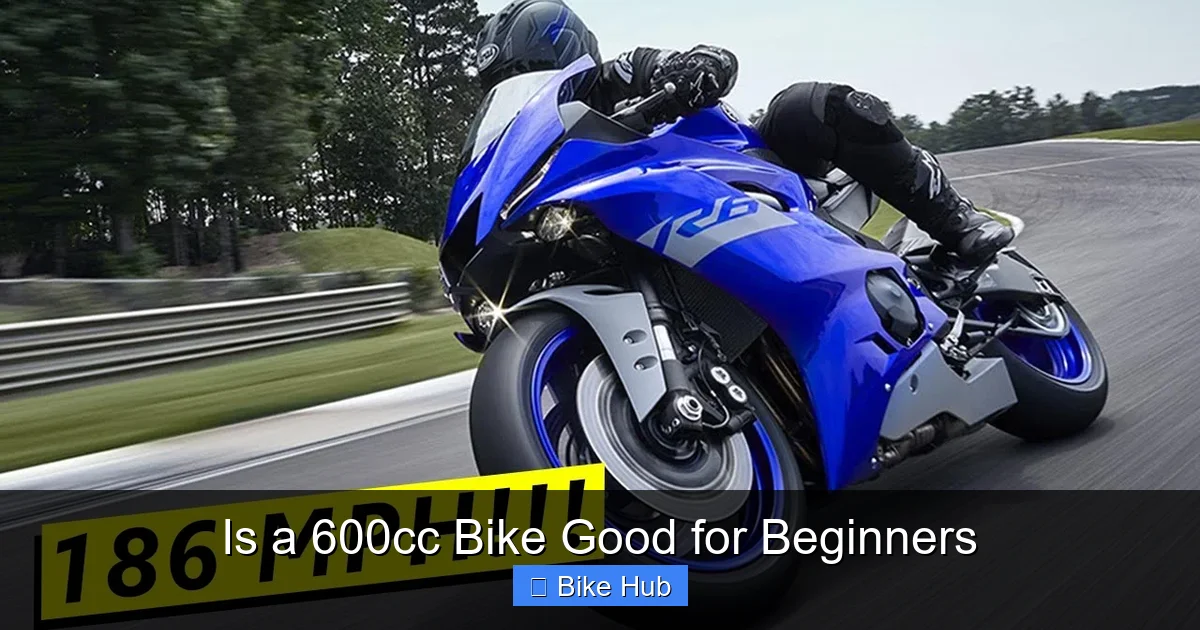
Visual guide about Is a 600cc Bike Good for Beginners
Image source: i.ytimg.com
Let’s be honest: starting on a 600cc bike comes with real risks. Here’s why experts usually advise against it.
Overwhelming Power and Speed
New riders often underestimate how quickly a 600cc bike can accelerate. At low speeds, the engine is responsive, but at highway speeds, it can reach 100 mph in just a few seconds. That kind of speed leaves little room for error. One mistake—like misjudging a turn or braking too late—can have serious consequences.
Heavy Weight and High Center of Gravity
Many 600cc bikes, especially sport models, are designed for performance, not ease of use. They can be heavy, with a high seat height that makes it hard to touch the ground. If you drop the bike at a stop sign, lifting it back up can be difficult and dangerous.
Insurance and Maintenance Costs
600cc sportbikes are expensive to insure, especially for young or new riders. Insurance companies see them as high-risk due to their speed and association with aggressive riding. Maintenance is also costlier than smaller bikes, with pricier parts and more complex engines.
What Makes a Bike Beginner-Friendly?
So, if a 600cc bike isn’t ideal, what should you look for instead? Here are the key features of a beginner-friendly motorcycle.
Engine Size: 250cc to 500cc
Bikes in this range offer enough power to keep up with traffic without being overwhelming. Models like the Kawasaki Ninja 400 or Honda CB500F are lightweight, easy to handle, and perfect for learning. They’re also fuel-efficient and affordable to maintain.
Low Seat Height and Lightweight Design
A lower seat height (under 32 inches) lets you plant both feet flat on the ground, boosting confidence at stops. Lightweight bikes (under 400 pounds) are easier to maneuver and less intimidating when practicing slow-speed turns.
Upright Riding Position
Unlike sportbikes with aggressive, leaned-forward postures, standard or naked bikes offer a more relaxed seating position. This reduces fatigue and gives you better visibility—key for new riders still building awareness.
Smart Alternatives to a 600cc Bike
If you’re set on a sporty look but want something safer, consider these beginner-approved options.
Kawasaki Ninja 400
This bike packs a 399cc parallel-twin engine with 45 horsepower—enough to feel fun without being scary. It’s lightweight, has a low seat, and looks like a mini sportbike. It’s one of the most popular first bikes for a reason.
Yamaha YZF-R3
Another excellent choice, the R3 has a 321cc engine and a sporty design. It’s nimble, fuel-efficient, and great for city riding. Plus, it’s often recommended in motorcycle safety courses.
Honda CB500F
If you prefer a standard bike over a sportbike, the CB500F is a fantastic option. It’s versatile, reliable, and easy to ride. It’s also a great stepping stone if you plan to upgrade later.
How to Prepare Before Buying Any Bike
No matter what bike you choose, preparation is key. Here’s how to set yourself up for success.
Take a Motorcycle Safety Course
This is non-negotiable. Courses like the MSF Basic RiderCourse teach essential skills in a controlled environment. You’ll learn braking, swerving, and low-speed maneuvers—all on a provided bike. Many insurance companies even offer discounts for completing one.
Wear the Right Gear
Invest in a DOT-approved helmet, armored jacket, gloves, pants, and boots. Gear won’t make you invincible, but it can mean the difference between a scrape and a hospital visit. Check out our guide on the best bike tool kit for beginners to stay prepared on the road.
Practice in a Safe Area
Before hitting busy streets, practice in an empty parking lot. Work on starting, stopping, turning, and emergency braking. The more comfortable you are at low speeds, the safer you’ll be in traffic.
Troubleshooting Common Beginner Mistakes
Even with the right bike, new riders make mistakes. Here’s how to avoid them.
Overconfidence After a Few Rides
It’s easy to feel like an expert after a weekend of smooth rides. But motorcycling is a skill that takes time. Stick to familiar roads, avoid highways until you’re ready, and never ride beyond your comfort zone.
Poor Maintenance Habits
Neglecting tire pressure, chain tension, or brake fluid can lead to dangerous situations. Create a simple maintenance checklist and follow it monthly. For help, see our guide on how to clean a road bike drivetrain—many of the principles apply to motorcycles too.
Riding Without a Plan
Always check the weather, plan your route, and let someone know where you’re going. Carry a phone, ID, and basic tools. For longer rides, consider packing light with a rack—learn how in our article on how to pack a bike for touring with a rack.
When Is It Okay to Upgrade to a 600cc Bike?
After a year or two of consistent riding, you may feel ready for more power. That’s normal! But make the upgrade wisely.
Signs You’re Ready
- You’re comfortable in traffic and on highways
- You can handle emergency stops and quick maneuvers
- You’ve taken an advanced riding course
- You’ve logged at least 5,000 miles on your current bike
How to Upgrade Safely
Don’t jump straight to a full-power 600cc sportbike. Consider a middleweight like the Suzuki GSX-R600 or Yamaha R6, but only after thorough research and test rides. Some riders even start with a detuned version or use traction control settings to limit power.
Conclusion
So, is a 600cc bike good for beginners? The short answer: usually not. While they’re thrilling machines, their power, weight, and cost make them risky for new riders. Instead, start with a smaller, lighter bike that lets you build skills safely and confidently.
Focus on learning the basics, wearing proper gear, and taking a safety course. Once you’ve gained experience, upgrading to a 600cc bike will feel natural—and much safer. Remember, every expert rider was once a beginner. Start smart, ride safe, and enjoy the journey.



