
Imagine you’re cruising down a rugged mountain trail, feeling the wind rush past your face, your heart racing with excitement. But suddenly, you hit a bump, lose control, and the thrill turns into a moment of panic.
What went wrong? It might be that your mountain bike’s suspension isn’t tuned just right. Suspension tuning is more than just a technical tweak; it’s a game-changer for your biking experience. It determines how smoothly your bike handles the terrain, how comfortable you feel on a rocky path, and even how safe your ride is.
When your suspension is perfectly tuned, it’s like having a tailor-made suit—it fits just right, enhances your performance, and boosts your confidence on the trail. We’ll dive into why suspension tuning is crucial for your mountain biking adventures. We’ll unpack how it impacts your ride and provide you with insights to transform your biking experience from good to extraordinary. Stick with us, and discover the key to unlocking the full potential of your mountain bike. Your next adventure depends on it.
Suspension Basics
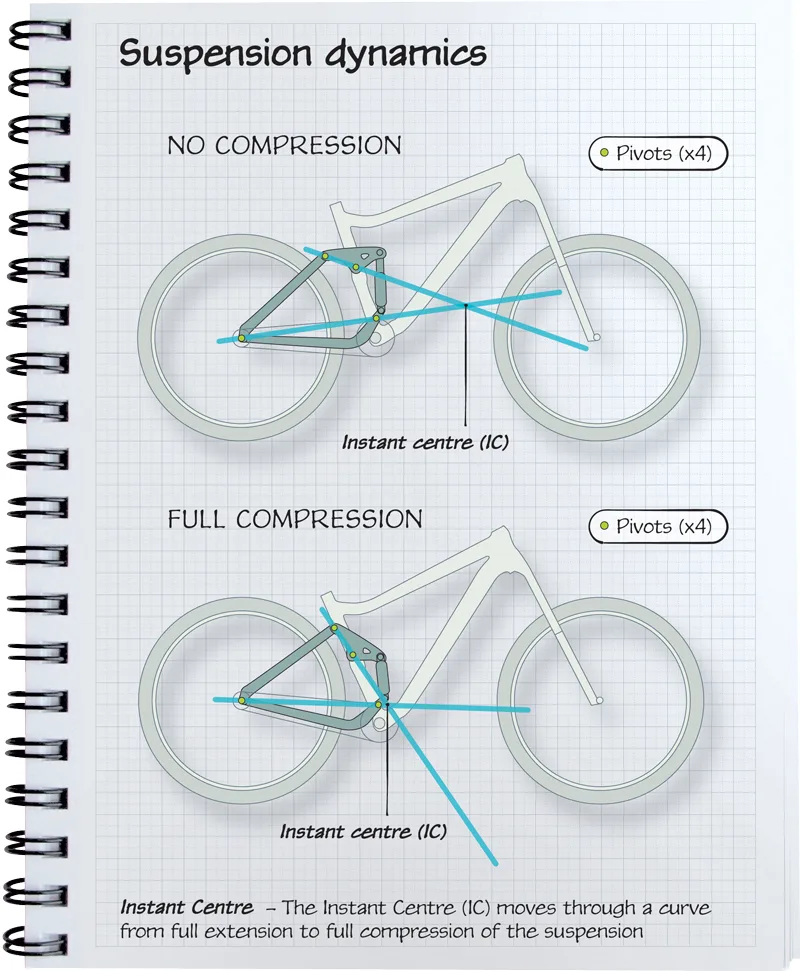
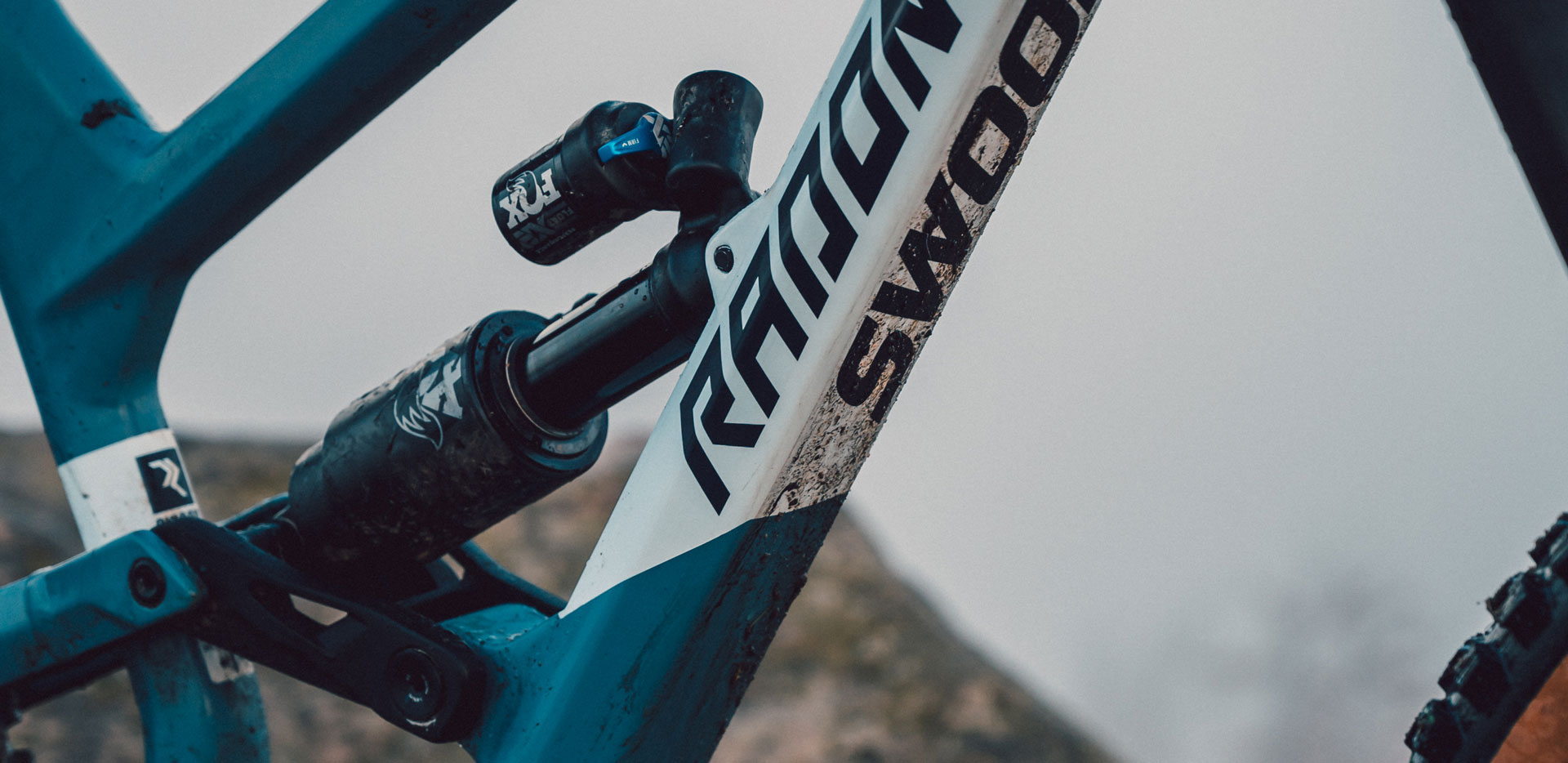
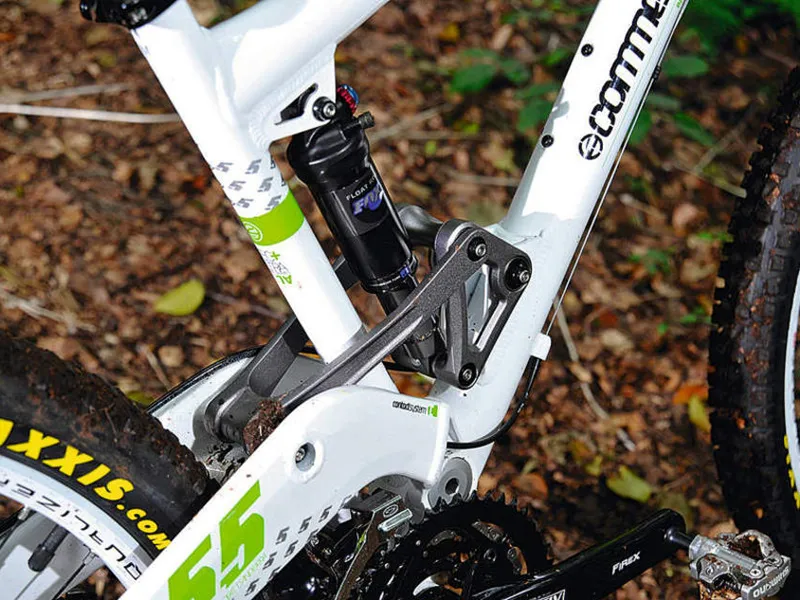
Mountain bike suspension has three main parts: fork, shock, and linkage. The fork is at the front of the bike. It helps in absorbing impacts from the trail. The shock is at the back. It smooths out bumpy rides. Linkage connects the shock to the frame. This enhances the bike’s movement. Proper tuning of these components improves performance. It ensures a smoother ride.
- Hardtail:Has a suspension fork at the front. No rear suspension. It’s light and easy to maintain.
- Full Suspension:Includes both front and rear suspension. Provides a smoother ride. It handles rough terrains well.
- Rigid:No suspension at all. It’s simple and low-cost. Suitable for smooth trails.
Credit: theloamwolf.com
Impact On Performance
Fine-tuning suspension in mountain bikes enhances performance by absorbing shocks, providing stability, and improving control on rough terrains. Optimized suspension settings lead to better traction, ensuring smoother rides and reducing fatigue during intense biking sessions.
Handling And Control
Good suspension helps with better handlingand controlon trails. Riders can turn corners with ease. Bumpy rides feel smoother and safer. Confidence goes up when bikes respond well. Slippery paths become less scary. Riding fast is more fun and less risky.
Comfort And Stability
Suspension tuning makes rides more comfortableand stable. It absorbs shocks from rough terrains. Bumps and rocks are less jarring. Riders feel less tired after a long ride. The bike stays balanced on uneven ground. This keeps riders from falling.
Tuning Techniques
Suspension tuning enhances control and comfort on mountain bikes. Proper adjustments improve traction and reduce rider fatigue. Tailoring suspension settings to trails and rider weight ensures optimal performance and safety.
Adjusting Sag And Rebound
Sag is the amount your bike sinks under your weight. It helps the bike stay stable. Measure sag by sitting on the bike and checking how much it compresses. Adjusting sag ensures a smooth ride. Rebound controls how fast the suspension returns after a bump. Too fast, and the bike bounces. Too slow, and it feels sluggish. Adjust rebound to find a balance for different trails.
Fine-tuning Damping
Damping affects the bike’s movement over bumps. It controls the speed of compression and rebound. Use the bike’s knobs to adjust damping. Turn knobs slowly to find the best setting. Fine-tuning damping improves control and comfort. It helps the bike handle various terrains better. Experiment with different settings for different trails.

Credit: bikeco.com
Terrain-specific Adjustments
Mountain bikes need strong suspension on rocky trails. Rocks and bumps make the ride rough. Tuning the suspension helps absorb shocks. It keeps the bike stable. Riders can control the bike better. Safety is important on these trails. A well-tuned suspension saves from falls. It makes the ride more fun and less tiring. Adjustments should match the trail’s difficulty. A strong setup is key for technical trails.
Smooth trails are different. They are fast and easy. The bike needs a different tune. Soft suspension is better here. It helps with speed and flow. The ride feels smooth and enjoyable. No big bumps or rocks to worry about. Adjusting suspension helps with speed. Cornering becomes easier. Riders feel more confident. A good suspension setup makes rides fun. It’s important for smooth trails.
Common Mistakes
Neglecting suspension tuning affects mountain bike performance. Riders experience discomfort and reduced control on rough terrains. Proper tuning enhances stability and ride quality.
Over-tuning
Many riders adjust their suspension too much. They think more is better. Too many changes can make the bike feel strange. It might not respond well. A balanced setup is crucial. Understand your bike’s needs and terrain. Keep adjustments simple for a smoother ride.
Neglecting Maintenance
Ignoring suspension care causes problems. Dirt and debris can damage parts. Regular cleaning is important. Check for wear and tear often. Oil levels should be right. Regular checks prevent costly repairs. A well-maintained suspension lasts longer and performs better.
Benefits Of Professional Tuning
Professional suspension tuning enhances mountain bike performance. Riders experience smoother rides and better control on varied terrains. Proper tuning also reduces fatigue, making long rides more enjoyable.
Expertise And Experience
Professionals know bikes well. They have years of experience. This helps them make bikes safe and fast. A tuned bike rides better. It feels smooth on rough paths. Experts see what bikes need. They check shocks and springs. They make sure every part works right. This keeps riders safe and happy.
Customized Solutions
Each bike is unique. Riders have different needs. Experts listen to riders. They adjust bikes just for them. This makes riding more fun. A good fit helps riders go faster. It also makes biking less tiring. Customized tuning improves the riding experience. Bikes handle better and last longer.
Diy Vs Professional Services
Choosing between DIY and professional services depends on your budget. DIY methods usually cost less. You may only need basic tools. Professional services can be more expensive. They often include expert knowledge and equipment. Consider your wallet before deciding. Weigh the costs carefully.
DIY requires some skills and bike knowledge. Beginners might find it hard. Mistakes could damage your bike. Professional services ensure your bike is in safe hands. Experts know the ins and outs of suspension tuning. They have the skills to do it right. Trusting a professional can save you from errors.
Credit: www.bikeradar.com
Frequently Asked Questions
What Is The Best Suspension Setting For A Mountain Bike?
Set mountain bike suspension based on terrain, riding style, and weight. Adjust air pressure, rebound, and compression. For rough trails, softer suspension offers better control. Tuning suspension enhances comfort, safety, and performance. Regularly check settings for optimal riding experience.
How Important Is Suspension On A Mountain Bike?
Suspension is crucial for mountain bikes. It enhances comfort, control, and traction on rough terrains. Front suspension absorbs shocks, reducing fatigue. Rear suspension improves stability on descents and bumps. Both ensure smoother rides, making them essential for challenging trails and uneven surfaces.
Choose the right suspension based on trail difficulty and personal preference.
What Are The Symptoms Of Too Much Rebound Damping?
Excessive rebound damping causes harsh ride, poor traction, and reduced suspension movement. It can lead to decreased comfort and control. You may notice instability on rough surfaces and difficulty in absorbing bumps. Adjusting the damping settings can improve performance and handling.
What Pressure Should My Mtb Suspension Be?
Set MTB suspension pressure based on your weight and riding style. Check manufacturer guidelines for specifics. Typically, 25-30% of sag is ideal. Adjust pressure using a shock pump for optimal performance. Ensure front and rear suspension are balanced for smooth rides.
Regularly check and fine-tune for best results.
Conclusion
Tuning your mountain bike’s suspension is crucial. It enhances your ride experience. Comfort and control improve significantly. Trails become more enjoyable and safer. Proper tuning adapts to different terrains. This adjustment helps avoid fatigue during long rides. Your bike responds better to obstacles.
Feel more connected to your ride. Invest time in understanding your suspension settings. The effort pays off with smoother adventures. Enjoy the thrill of mountain biking. Keep your gear in top shape. Happy trails and safe riding!



