
Imagine you’re cruising down a steep mountain trail, feeling the rush of the wind and the thrill of the ride. Suddenly, you need to stop.
Fast. In that crucial moment, the type of brakes on your mountain bike can make all the difference. That’s where disc brakes come into play. If you’re passionate about biking or just getting started, understanding the importance of disc brakes could be the key to enhancing your safety and performance on the trails.
Keep reading to discover why disc brakes are not just a fancy add-on, but an essential component for every mountain biker who values control, safety, and confidence in their ride.
Credit: www.emotorad.com
Disc Brake Basics
Disc brakes are crucial for mountain bikes, offering reliable stopping power in varied terrains. They enhance safety and control, especially on steep descents and wet conditions. Their design reduces wear and tear, ensuring consistent performance during challenging rides.
Components Of Disc Brakes
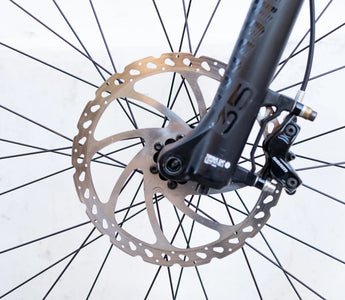
Disc brakes have several key parts. The rotor is a flat disc attached to the wheel. Brake pads press against the rotor to slow the bike. The caliper holds the brake pads. It squeezes them onto the rotor. Hydraulic fluid helps move the caliper. This fluid is in the brake line. Levers on the handlebars control the caliper. Pulling the lever makes the bike stop. These parts work together for smooth braking.
How Disc Brakes Function
Disc brakes stop bikes quickly. Pulling the lever sends a signal. This signal travels through the brake line. It moves the hydraulic fluid. The fluid pushes the caliper. The caliper squeezes the brake pads. The pads grip the rotor. This grip slows the wheel. Disc brakes work in rain or mud. They keep riders safe on tricky trails.

Credit: www.cyclingwest.com
Why Mountain Bikes Need Disc Brakes
Mountain bikes face tough paths. Rocks and steep hills are common. These paths need strong braking power. Disc brakes help riders stop quickly. They work well on rough surfaces. Riders feel safe using them. Disc brakes last longer on tricky trails.
Rain makes paths slippery. Mud can be a problem too. Disc brakes work well in wet conditions. They do not slip easily. Riders can trust their brakes in bad weather. This makes rides safer and more fun.
Riders need to stop fast in emergencies. Disc brakes offer quick stopping power. They help prevent accidents. Riders have more control over their bikes. This improves safety on busy trails. Disc brakes are a smart choice for mountain biking.
Advantages Of Disc Brakes
Disc brakes provide superior stopping power, especially on steep trails. They offer better performance in wet conditions, enhancing safety.
Enhanced Stopping Power
Disc brakes offer strong stopping power. This helps bikes stop quickly. Safety is improved on steep hills. Riders feel more confident and secure.
Better Modulation
With disc brakes, riders can control speed easily. Brakes allow gentle or firm stops. This helps when riding on tricky trails. It makes the ride smoother.
Improved Performance In Wet Conditions
Disc brakes work well in the rain. They do not slip like rim brakes. This is important for safe rides. Wet trails can be slippery, but disc brakes help control the bike.

Credit: www.singletracks.com
Comparing Disc Brakes To Rim Brakes
Disc brakeswork better in wet conditions. They stop the bike quickly. Rim brakes can slip on wet rims. Disc brakes offer more control on steep hills. They handle mud and dirt well. Disc brakes are less noisy than rim brakes. They are strong and reliable. Many mountain bikers prefer disc brakes. They feel safer and more confident.
Disc brakeslast longer than rim brakes. They need less frequent adjustments. Cleaning disc brakes is easy. Just wipe them with a cloth. Check brake pads regularly. Replace them when worn out. Disc brakes are tough and durable. They withstand rough trails. Rim brakes wear out faster. They need more care and attention. Disc brakes save time and effort.
Choosing The Right Disc Brakes
Hydraulic brakesuse fluid to stop the bike. They provide strong and smooth stopping power. Mechanical brakesuse cables to stop the bike. They are easier to fix and maintain. Hydraulic brakes perform better in wet conditions. Mechanical brakes are often cheaper and simpler. Choose based on your riding style and budget. Both types have pros and cons. Consider what fits your needs best.
Rotor size affects braking power. Larger rotorsstop the bike faster. They are good for steep hills. Smaller rotorsare lighter and easier to handle. Choose larger rotors for more control. Smaller rotors are better for flat trails. Think about where you ride most. Match rotor size to your biking path. Bigger rotors mean stronger stopping. Smaller rotors mean lighter weight.
Maintenance Tips
Disc brakes ensure safety and control for mountain bikers. Regular checks on brake pads prevent wear and ensure optimal performance. Cleaning rotors keeps them dirt-free for a smooth ride.
Regular Inspection
Disc brakes need regular checks for safety. Look for wear and tear on the brake pads. If they look thin, replace them. Spin the wheels and listen for strange noises. Ensure the rotors are not bent. Check the brake lever feel; it should not be spongy. Tighten any loose bolts. Regular inspections help keep brakes efficient and safe.
Cleaning And Care
Always keep your disc brakes clean. Dirt and mud can affect performance. Use a soft cloth to wipe the rotors. Avoid using oily rags. A clean brake works better and lasts longer. Sometimes, brakes can get squeaky. Clean them with a brake cleaner spray. Remember, never touch the rotor surface with greasy hands. Proper care ensures your brakes work well on every ride.
Innovations In Disc Brake Technology
Disc brakes have many new features today. Hydraulic systems offer smooth stopping. Heat management keeps brakes cool. This helps them work longer. Rotor designs are now more efficient. They provide better grip and control. Some brakes have adjustable reach. Riders can change the brake lever distance. This helps in comfort and control.
Disc brakes will improve even more. Lighter materials will be used. This makes bikes faster. Smart systems could be added. They might warn when brakes need fixing. Wireless technology might be used too. This removes cables and makes bikes neat. New safety features will be introduced. This will make rides safer for everyone.
Frequently Asked Questions
Are Disc Brakes Better On Mountain Bikes?
Disc brakes offer better performance on mountain bikes. They provide reliable stopping power in wet and muddy conditions. They also require less effort at the lever, improving control. Disc brakes are more durable and require less frequent adjustments. They’re generally considered superior to rim brakes for mountain biking.
Is It Worth Putting Disc Brakes On A Bike?
Disc brakes provide better stopping power and performance in wet conditions. They increase safety, especially on steep terrains. Installing them can improve control and require less maintenance. Consider your riding style and budget, as they are often costlier than rim brakes.
Overall, disc brakes enhance biking experience and safety.
What Are The Benefits Of Disc Brakes On Bikes?
Disc brakes offer superior stopping power and perform well in wet conditions. They provide consistent braking and require less force. Discs are more durable and reduce wear on rims. They also allow for greater control and stability, enhancing safety and performance on varied terrains.
What Is The Downside To Disc Brakes?
Disc brakes can be expensive and heavier than other types. They require regular maintenance and can squeal. Some models may not perform well in muddy conditions. Installation can be complex, requiring specific tools and skills. Despite drawbacks, they offer reliable braking performance.
Conclusion
Disc brakes matter for mountain biking. They offer reliable stopping power. This enhances safety on steep trails. Mud and water don’t affect them much. Riders gain control on tricky terrains. Maintenance is simple, saving time. Beginners and experts benefit alike.
Disc brakes adapt to varying conditions. They boost confidence during rides. Quality brakes improve biking experiences. Invest wisely for a safer ride. Enjoy the thrill with peace of mind. Choose disc brakes for mountain adventures. They ensure smooth and safe descents.
Your biking journey becomes more enjoyable. Stay safe, ride smart, and explore more trails.



