
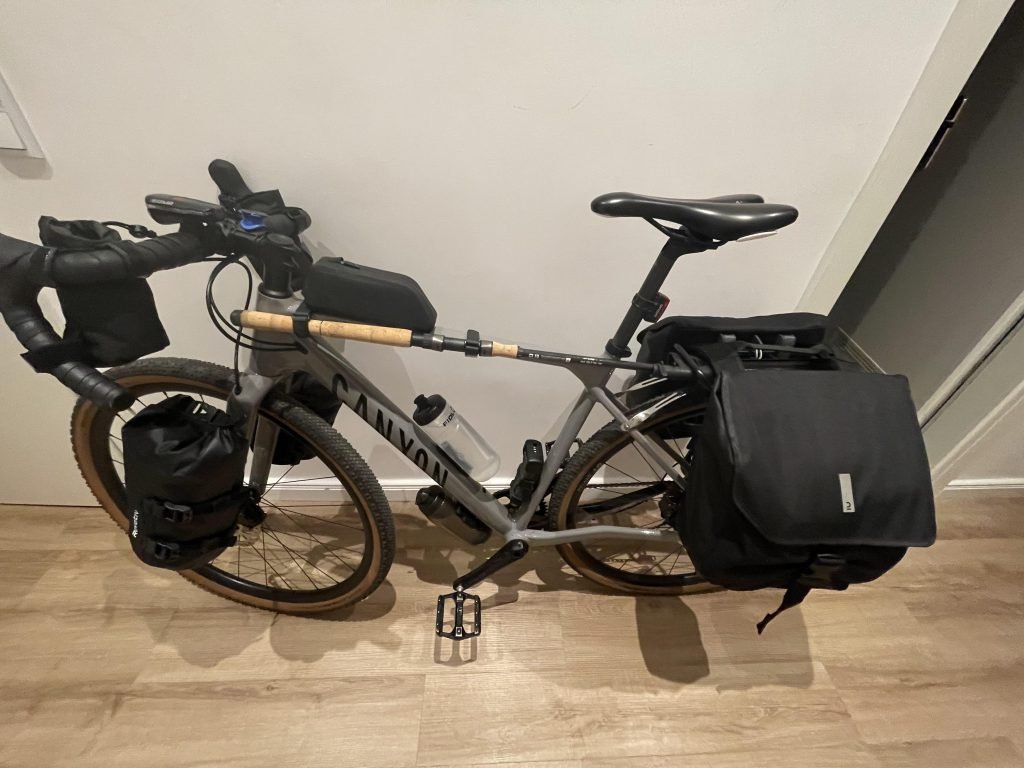
Winter is coming, and if you love bikepacking, you know that cold weather brings new challenges. You want to keep riding without freezing or damaging your gear.
But how do you prepare your bikepacking setup for winter’s harsh conditions? Getting it right means more comfort, safety, and fun on every trip. In this guide, you’ll discover simple, practical tips that make winter bikepacking easier and more enjoyable.
Ready to transform your gear and ride confidently through the cold? Let’s dive in.
Preparing Your Bike For Winter
Winter bikepacking can be fun but needs careful bike preparation. Cold and wet weather can harm your bike parts.
Proper winterizing helps your bike last longer and perform better. Follow these tips to get your bike ready.
Choosing The Right Tires
Winter roads can be slippery and icy. Use tires made for cold and rough conditions to stay safe.
Look for tires with good tread and puncture resistance. Wider tires give better grip on snow and mud.
- Choose tires with deep treads for traction
- Consider studded tires for icy paths
- Use wider tires to improve stability
- Check tire pressure often; lower pressure can help grip
Lubrication And Maintenance
Cold weather can dry out your bike’s moving parts. Keep them well lubricated to avoid damage.
Clean your bike after every ride to remove dirt and salt. Use winter-grade lubricants for better protection.
- Clean chain, gears, and brakes regularly
- Use wet or winter-specific lubricants
- Check cables and brakes for smooth operation
- Inspect your bike for wear and tear often
Protecting Components From Salt And Moisture
Road salt and moisture cause rust and corrosion on your bike. Protect your parts to keep them working well.
Rinse your bike with fresh water after rides. Dry it completely and apply protective sprays to metal parts.
- Wash bike after salty or wet rides
- Dry all parts thoroughly to avoid rust
- Use anti-corrosion sprays on metal areas
- Store bike indoors to keep it dry

Credit: www.youtube.com
Optimizing Your Gear For Cold Weather
Bikepacking in cold weather needs special gear to keep you safe and warm. Your setup must protect your items from cold and moisture.
Choosing the right bags, clothing, and materials helps you stay comfortable and enjoy your trip.
Selecting Insulated Bags And Covers
Insulated bags keep your gear warm and stop frost from forming. Use bags with thermal lining for better protection.
Cover your bags with waterproof shells to block snow and rain. This keeps your gear dry and safe.
- Choose insulated dry bags or liners
- Use neoprene or foam covers for extra warmth
- Pick bags that seal tightly to keep cold air out
Packing Warm Clothing Efficiently
Pack your warm clothes so you can find them easily. Layer your clothing to save space and keep dry.
Use compression sacks to reduce bulk and protect clothes from moisture.
- Start with a moisture-wicking base layer
- Add insulating mid-layers like fleece or wool
- Pack a windproof and waterproof outer layer
- Keep gloves, hats, and socks in separate, easy-to-reach bags
Using Waterproof And Windproof Materials
Waterproof and windproof materials protect you from cold wind and wet weather. They keep your body heat inside.
Choose fabrics that are breathable so sweat can escape. This helps you stay dry and warm.
- Use rain jackets and pants with waterproof membranes
- Pick gloves and shoe covers that block wind and water
- Use bike frame bags made from waterproof fabric
- Seal seams and zippers to stop leaks
Safety Tips For Winter Bikepacking
Winter bikepacking can be exciting but also risky. Cold weather and short days need extra safety care.
Use smart gear and good habits to stay safe on snowy trails and icy roads.
Visibility Enhancements
Winter days are short and often dark. Make sure others see you clearly on the road or trail.
Use bright lights and reflective gear to increase your visibility in low light.
- Install a strong front white light and a red rear light
- Wear reflective vests or bands on your arms and legs
- Add reflective tape to your bike and bags
- Use blinking lights to grab attention
Handling Slippery And Icy Terrain
Ice and snow make riding tricky. You need to adjust your speed and control to stay safe.
Choose tires with good grip and ride carefully on slippery paths.
- Use tires with studs or wider tires for better traction
- Lower your tire pressure slightly to increase grip
- Brake gently to avoid skidding
- Keep your body weight balanced and steady
- Take turns slowly and avoid sudden movements
Emergency Preparedness
Winter conditions can change fast. Be ready for emergencies on your bikepacking trip.
Carry tools, warm clothes, and supplies to handle unexpected problems.
- Bring a basic repair kit with tire levers, patch kit, and pump
- Pack extra warm layers and waterproof gear
- Carry a first aid kit and emergency blanket
- Have a fully charged phone and a power bank
- Tell someone your route and expected return time

Credit: www.reddit.com
Adjusting Your Riding Techniques
Riding a bike in winter needs special skills. Snow and ice make the ride tricky and slow.
You must change how you ride to stay safe and enjoy the trip. This guide helps you ride better in cold weather.
Maintaining Balance On Snow And Ice
Snow and ice make the ground slippery. You should ride slowly and keep your bike steady.
Use gentle turns and avoid sudden moves to keep your balance.
- Keep your weight low and centered
- Use wide tires for better grip
- Look ahead to avoid icy spots
- Pedal smoothly without jerks
Managing Energy And Hydration
Cold weather uses more energy from your body. You need to eat and drink often.
Drink water even if you do not feel thirsty. Eat snacks that give quick energy.
- Carry warm drinks in insulated bottles
- Eat high-calorie foods like nuts and bars
- Take breaks to rest and refuel
- Dress in layers to keep warm but avoid sweating
Planning Shorter, Realistic Routes
Winter rides take longer because of cold and rough paths. Plan shorter trips.
Choose routes you know well and can finish before dark or bad weather.
- Check weather forecasts before riding
- Pick routes with good shelter spots
- Tell someone your route and expected return time
- Carry tools and supplies for quick repairs
Storing Your Bikepacking Setup
Winterizing your bikepacking setup helps protect your gear and bike during cold months. Proper storage keeps everything ready for your next adventure.
Taking time to clean, dry, and store your bike and equipment correctly prevents damage and wear. Follow these steps to keep your setup in good shape.
Cleaning And Drying After Rides
Always clean your bike and gear after rides, especially before winter storage. Dirt and moisture can cause rust and damage over time.
Use a soft brush and mild soap to remove mud and grime. Rinse with water and dry everything thoroughly to avoid mold and corrosion.
- Remove mud from tires and frame
- Wipe down bags and packing gear
- Dry all parts completely before storing
- Pay attention to chain and metal parts
Proper Storage To Avoid Damage
Store your bike and gear in a cool, dry place away from direct sunlight. Avoid damp basements or hot garages to prevent damage.
Keep your bike off the ground using a stand or hooks. Store bags loosely packed and unzippered to keep their shape and allow air circulation.
- Use bike stands or wall mounts
- Keep bags dry and uncompressed
- Cover bike with breathable fabric
- Store small parts in labeled containers
Seasonal Tune-ups
Perform a tune-up before storing your bike for winter. Check brakes, gears, and tires to fix any issues early.
Lubricate the chain and moving parts to prevent rust. Inflate tires to the correct pressure to avoid flat spots during storage.
- Inspect brake pads and cables
- Adjust gears and check shifting
- Lubricate chain and pivot points
- Inflate tires to recommended pressure

Credit: www.reddit.com
Frequently Asked Questions
How Do I Protect My Bike From Winter Damage?
Clean your bike thoroughly and apply a protective lubricant. Store it indoors in a dry, cool place. Use fenders to prevent mud and salt buildup during rides. Regularly check tire pressure and brake function for safe winter cycling.
What Gear Is Essential For Winter Bikepacking?
Layered clothing, waterproof gloves, and insulated footwear are crucial. Use a high-quality sleeping bag rated for cold temperatures. Pack a reliable stove for hot meals and extra fuel. Don’t forget waterproof bags to protect your gear from moisture.
How Can I Keep My Bikepacking Setup Dry In Winter?
Use waterproof panniers or dry bags for all gear. Cover your bike with a waterproof tarp during breaks. Seal zippers and seams with tape to prevent water entry. Regularly check and remove snow or ice buildup on equipment.
What Maintenance Does My Bike Need Before Winter Trips?
Inspect brakes, gears, and cables for wear or rust. Replace old brake pads and lubricate the chain regularly. Check tire tread depth and consider studded tires for icy conditions. Clean and dry your bike after every ride to prevent corrosion.
Conclusion
Preparing your bikepacking gear for winter is crucial. Stay warm and safe. Layer your clothes to combat the cold. Insulate your sleeping setup for a cozy night. Check your bike for winter readiness. Ensure tires are suitable for slippery terrains.
Keep essential tools handy. Hydration remains important, even in cold. Use insulated water bottles. Planning is key for winter adventures. Consider shorter routes. Monitor weather forecasts closely. Remember, winter biking offers unique beauty. Enjoy the serene landscapes. Stay prepared and embrace the adventure.
Safe travels on your winter bikepacking journey!



