
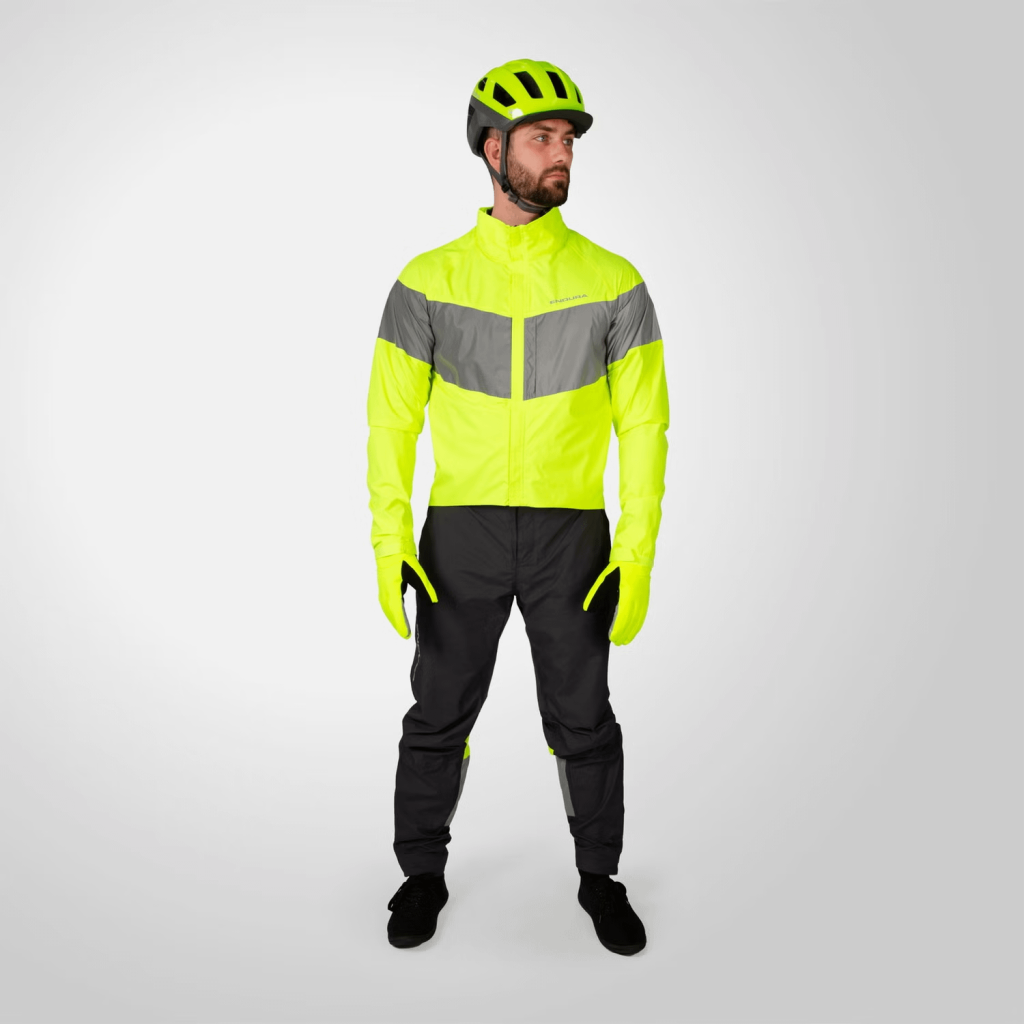
You know how uncomfortable it feels when rain ruins your cycling ride. Wet clothes, chafing, and that heavy, soggy feeling can quickly turn your fun into frustration.
But what if you could stay dry and comfortable without sacrificing your performance? Wearing cycling shorts under rain gear is the secret many riders swear by. You’ll discover simple tips to keep your cycling shorts dry, reduce discomfort, and enjoy every ride, no matter the weather.
Ready to transform your rainy-day rides? Let’s dive in.
Credit: lecol.cc
Choosing The Right Cycling Shorts
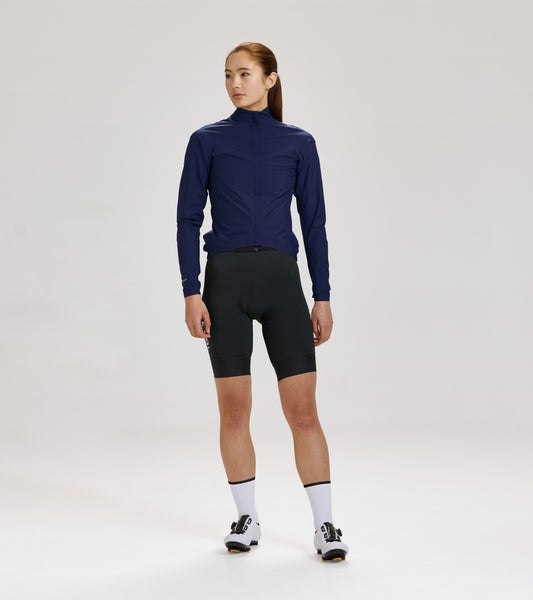
Choosing the right cycling shorts to wear under your rain gear can make a huge difference in your comfort and performance. You want shorts that handle wet conditions without compromising on fit or breathability. Let’s break down what to look for so you stay comfortable and dry on your ride.
Material Matters
Look for cycling shorts made from quick-drying, water-resistant fabrics like nylon or polyester blends. These materials help keep water from soaking in, so you don’t feel weighed down during your ride. Avoid cotton shorts—they hold moisture and will leave you cold and uncomfortable.
Some brands add a DWR (durable water repellent) coating to their shorts, which can be a game-changer on rainy days. Have you noticed how some shorts feel clingy after a downpour? That’s usually because they aren’t treated for water resistance.
Fit And Padding
Your shorts should fit snugly but not restrict your movement under your rain gear. Too tight and you’ll feel uncomfortable; too loose and they may bunch up or create friction. Look for a design with flat seams to prevent chafing, especially when wet.
Padding is crucial for long rides. Choose shorts with high-quality chamois that stays comfortable even when damp. I once switched to shorts with a thinner, quick-dry pad and found my rides much less irritating after unexpected rain.
Breathability Features
Rain gear can trap heat and moisture, so your shorts need to breathe well. Mesh panels or strategically placed ventilation zones help air circulate and wick sweat away. This keeps you dry from the inside out.
Ask yourself: Are my shorts helping me manage sweat, or are they adding to the clammy feeling? Breathability makes all the difference, especially on longer rides where rain gear alone can feel suffocating.
Selecting Compatible Rain Gear
Selecting the right rain gear to wear over your cycling shorts can make a huge difference in comfort and performance. Your shorts are designed to offer padding and flexibility, so your rain gear should protect you from the elements without restricting movement or causing overheating. Think about how your rain jacket or pants will work with the fit and material of your cycling shorts.
Waterproof Vs. Water-resistant
Choosing between waterproof and water-resistant gear depends on the kind of weather you expect. Waterproof rain gear completely blocks water, keeping you dry during heavy downpours. However, it can sometimes trap heat, making you sweat more under intense activity.
Water-resistant options shed light rain and drizzle but let some moisture through during longer rides. They usually breathe better, so you stay cooler. Ask yourself: will you be cycling in a steady rain or just occasional showers?
Layering Options
Think about how your rain gear fits over your cycling shorts. Loose-fitting rain pants give room to move and prevent chafing, while tight rain leggings might squeeze your padding uncomfortably. You want layers that slide smoothly over each other without bunching up.
Consider rain jackets with adjustable hems and cuffs. These allow you to seal out rain without restricting your pedaling motion. Have you tried layering your rain gear at home to test movement before hitting the road?
Ventilation Considerations
Good ventilation is key to avoiding overheating when wearing rain gear over cycling shorts. Look for gear with zippered vents under the arms or along the legs. These vents let you control airflow based on your effort and the weather.
Some rain jackets use breathable fabrics that allow sweat to escape without letting water in. This balance keeps you dry from outside and inside. How often do you check for ventilation features before buying rain gear?
Preparing Your Cycling Shorts
Preparing your cycling shorts before wearing them under rain gear helps keep you comfortable and dry. Taking care of your shorts extends their life and performance. Clean, well-maintained shorts fit better and feel softer against your skin. Treating them with water-repellent solutions adds extra protection from moisture. These simple steps make your rides more enjoyable, even in wet conditions.
Proper Washing And Care
Wash your cycling shorts after every ride to remove sweat and dirt. Use cold water and mild detergent to protect the fabric. Avoid fabric softeners because they reduce the shorts’ breathability. Turn the shorts inside out to clean the padding better. Air dry the shorts, keeping them away from direct sunlight or heat sources. This prevents fabric damage and keeps the elastic strong.
Applying Water-repellent Treatments
Water-repellent sprays help keep rain from soaking your shorts. Choose a spray designed for synthetic fabrics. Spray evenly on the outside of the shorts and let them dry completely. Reapply the treatment after several washes to maintain water resistance. This layer helps rain gear stay dry inside and keeps you more comfortable.

Credit: lecol.cc
Layering Techniques For Comfort
Riding your bike in the rain can be a thrilling adventure, but it requires the right gear to keep you comfortable. One essential piece of this puzzle is mastering the art of layering cycling shorts under rain gear. Proper layering ensures you stay dry, warm, and free from irritation. Let’s dive into some effective layering techniques that will transform your rainy rides from a soggy mess into an enjoyable experience.
Wearing Shorts Under Rain Pants
When wearing cycling shorts under rain pants, start with a snug fit. This keeps the shorts in place and prevents them from moving around under your rain gear. Choose rain pants with a slightly looser fit to provide extra room for the shorts without restricting your movement.
Consider rain pants with zippers or adjustable cuffs at the ankles. This allows you to easily put on and remove them without taking off your shoes. It also helps in keeping water out, ensuring that your cycling shorts remain dry beneath.
Avoiding Chafing And Bunching
Chafing can turn a pleasant ride into a painful ordeal. To avoid this, use anti-chafing cream on areas prone to friction. This creates a barrier that reduces irritation caused by wet fabrics rubbing against your skin.
Ensure your cycling shorts fit properly and are made from moisture-wicking materials. A good fit prevents bunching, which can lead to hot spots and discomfort. If you’ve ever cut a ride short due to chafing, you know how crucial it is to get this right.
Adjusting For Temperature Changes
Weather can be unpredictable, so be prepared to adjust your layers. If you start to feel too warm, consider removing a layer or opting for rain pants with ventilation zippers. These allow you to regulate your temperature without having to stop entirely.
On cooler days, thermal cycling shorts can offer an extra layer of warmth. Pair them with rain pants that have a fleece lining for added insulation. How do you balance staying warm without overheating? It’s all about finding the right combination of materials and layers to suit the day’s conditions.
Maintaining Dryness And Warmth
Keeping dry and warm while wearing cycling shorts under rain gear can be tricky. The key is managing moisture and temperature without adding too much bulk. You want to stay comfortable so your ride doesn’t turn into a struggle against cold and wet clothes.
Using Moisture-wicking Base Layers
Start with a good moisture-wicking base layer under your cycling shorts. These fabrics pull sweat away from your skin, helping you stay dry even when you’re working hard.
Look for materials like merino wool or synthetic blends that dry quickly. Cotton is a no-go because it holds moisture and makes you cold. Have you ever felt clammy after a ride? That’s usually because your base layer isn’t doing its job.
A thin, snug-fitting layer won’t add bulk but will keep sweat off your skin. This helps prevent chills when the rain gear traps dampness. You’ll notice a big difference in comfort on longer rides.
Adding Insulation Without Bulk
Insulation is important for warmth, but too much can restrict movement. Choose lightweight, compressible options like fleece or thermal tights designed for cycling.
You can wear thin insulated leggings under your cycling shorts or pick rain pants with a built-in thermal lining. This combo keeps you warm without feeling like you’re wearing armor.
Think about layering smartly: a moisture-wicking base layer, then your cycling shorts, followed by a light insulated layer, and finally your rain gear. Have you tried adjusting layers based on how hard you’re riding? It’s a game changer for comfort and temperature control.
Post-ride Care For Your Gear
Proper care after your ride keeps your cycling shorts and rain gear in top shape. Moisture, dirt, and sweat can damage fabrics. Taking time to dry and clean your gear extends its life and comfort. Follow simple steps to maintain performance and freshness.
Drying And Storing Cycling Shorts
Always air dry your cycling shorts. Avoid direct sunlight to prevent fabric damage. Hang them in a well-ventilated area. Do not use a dryer, as heat can weaken elastic fibers. After drying, fold or hang shorts properly to keep their shape.
Store your shorts in a cool, dry place. Avoid damp areas to prevent mold and bad odors. Keep them separate from heavy or rough items to avoid fabric wear. Regular care preserves padding and fit for your next ride.
Cleaning And Maintaining Rain Gear
Rinse rain gear with cold water after each ride. This removes dirt and road grime. Use mild soap if needed. Avoid harsh detergents and fabric softeners, which harm waterproof coatings.
Hand wash or use a gentle machine cycle. Zip up and fasten all closures before washing. Hang rain gear inside out to dry. Store it loosely in a dry spot to maintain waterproof properties. Proper cleaning keeps your gear effective and comfortable.

Credit: www.gettyimages.co.uk
Frequently Asked Questions
How Do I Wear Cycling Shorts Under Rain Gear?
Wear cycling shorts first, then put on waterproof rain pants. Ensure shorts fit snugly for comfort. Choose rain gear with enough room to avoid restriction. This layering keeps you dry and comfortable during wet rides.
Can I Wear Padded Cycling Shorts With Rain Gear?
Yes, padded shorts provide comfort and protection under rain gear. Ensure rain pants are waterproof and breathable to avoid moisture buildup. This combination improves ride comfort and keeps you dry in rain.
Should Cycling Shorts Fit Tightly Under Rain Gear?
Yes, cycling shorts should fit tightly to prevent chafing. Tight fit improves muscle support and reduces friction. Rain gear should have a slightly loose fit to accommodate the shorts comfortably.
What Rain Gear Is Best Over Cycling Shorts?
Waterproof, breathable rain pants with elastic waistbands work best. Look for lightweight materials that allow movement and ventilation. Proper rain gear protects from wet conditions without compromising cycling performance.
Conclusion
Wearing cycling shorts under rain gear keeps you dry and comfortable. Choose shorts with good padding for long rides. Make sure rain gear fits well over the shorts. Breathable fabrics help reduce sweat and keep you cool. Adjust your layers based on weather changes during your ride.
Stay safe and enjoy cycling, no matter the rain. Simple tips make your wet-weather rides easier and more fun. Try these ideas on your next rainy cycling trip.



