
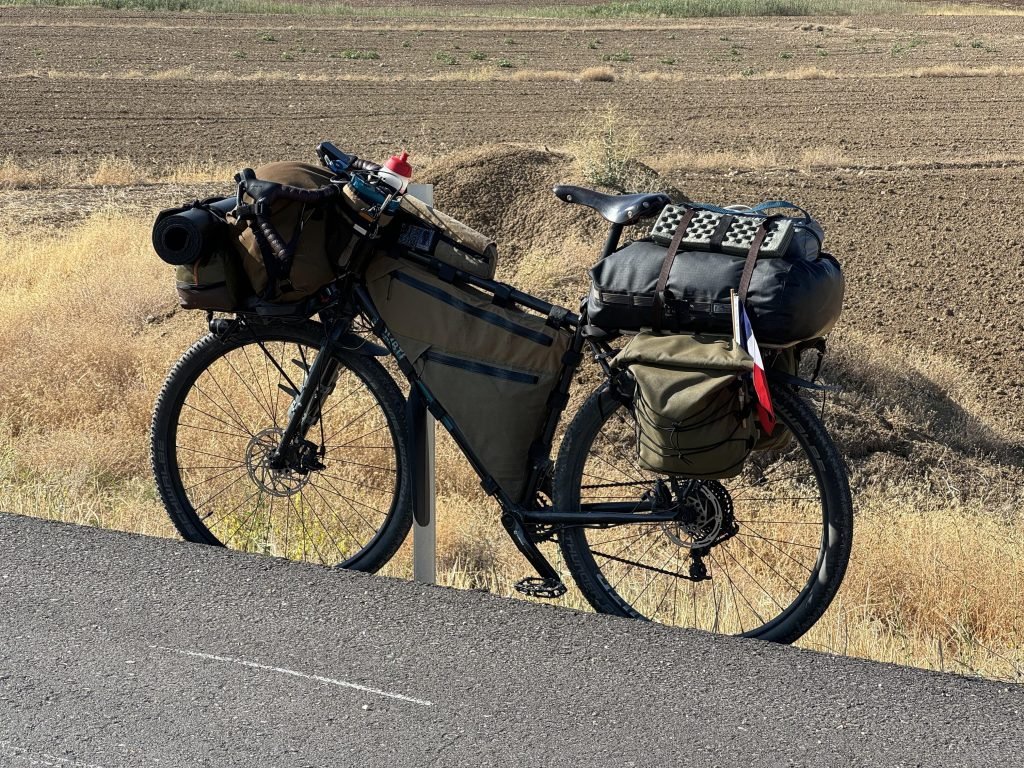
You’ve planned your next big bike tour, but have you thought about what happens when the rain starts pouring? Keeping your gear dry is crucial—not just for comfort, but to protect your essentials from damage.
If your bags and equipment aren’t waterproof, a sudden downpour can turn your adventure into a struggle. You’ll discover simple, effective ways to waterproof your touring bike gear. By the end, you’ll feel confident that no weather can stop you or ruin your stuff.
Ready to learn how? Let’s dive in.

Credit: www.reddit.com
Choosing Waterproof Materials
Water-resistant fabricscan stop light rain and splashes. They allow some water to pass through if rain is heavy or long-lasting. Waterproof fabricsblock all water and keep gear dry even in strong rain. They have special coatings or membranes.
Choosing the right fabric depends on your needs. Waterproof fabrics are best for wet places or long rides. Water-resistant is okay for short trips or light rain. Both types help protect your gear, but waterproof offers more safety from water damage.
| Fabric | Water Protection | Breathability | Best Use |
|---|---|---|---|
| Polyester with PU Coating | Waterproof | Medium | Heavy rain, long rides |
| Nylon with DWR Finish | Water-resistant | High | Light rain, short trips |
| Gore-Tex | Waterproof | High | Wet conditions, breathability needed |
| Canvas | Water-resistant | Low | Durability, mild wet |
Credit: www.calltoadventure.uk
Sealing Gear Seams
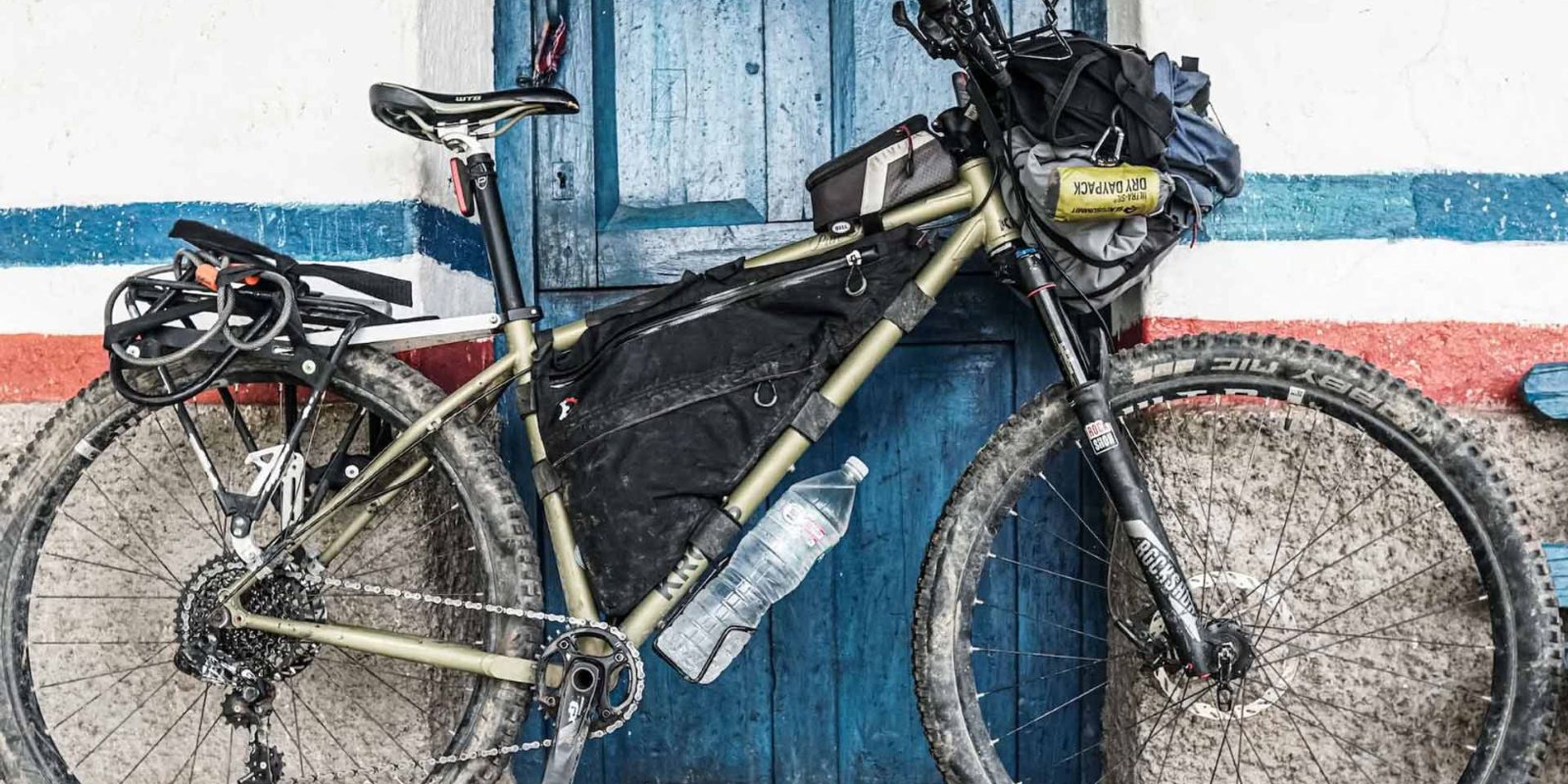
Seam sealing tapescome in different types, each with its own use. Polyurethane tapeis flexible and strong. It works well on most fabrics. Thermoplastic tapemelts with heat to seal seams tightly. Silicone tapeoffers good water resistance but is less stretchy.
Choosing the right tape depends on your gear material and riding conditions. Tapes must be applied carefully for best results.
- Clean the seams well before applying tape.
- Use a heat source like an iron or heat gun to activate tape.
- Press firmly to ensure tape sticks smoothly without bubbles.
- Allow tape to cool and set before use.
- Test sealed seams by spraying water or light rain.
DIY seam sealing is possible using simple items like seam sealer liquids or wax. These fill the tiny holes in stitches.
Waterproofing Gear With Sprays
Choose a spray designed for fabric, leather, or synthetic materials. Different sprays suit different gear types. Check the label to confirm compatibility. Look for sprays that offer breathable and flexible protection. This keeps gear comfortable and durable.
Apply spray in a clean, dry area. Shake the can well before use. Hold it about 6-8 inches awayfrom the gear. Spray evenly in light coats. Avoid soaking the fabric. Let each coat dry fullybefore applying another. Usually, 2-3 coatsgive good protection.
- Test spray on a small, hidden area first.
- Reapply after heavy rain or every few months.
- Store gear in a dry place to keep treatment effective.
Credit: cycletraveloverload.com
Protecting Zippers And Closures
Waterproof zippershelp keep water out of your bike gear. They have a special coating or rubber layer that stops water from seeping through. These zippers are usually found on high-quality bags and jackets made for wet weather.
Covers and flaps add an extra layer of protection. They go over the zipper to block rain and splashes. Many bike bags have flaps that fasten with Velcro or snaps. This simple addition helps keep your gear dry.
- Waterproof zippers are made with tight seals or coatings.
- Covers or flaps shield zippers from direct rain.
- Velcro or snaps hold covers in place securely.
- Combining zippers and covers gives better water protection.
- Check that zippers close fully and tightly for best results.
Maintaining Waterproof Gear
Cleaning waterproof gear gently protects its special coating. Use cold water and mild soap. Avoid harsh detergents or bleach. Hand washing is best to keep fabric safe. Rinse thoroughly to remove all soap. Let gear air dry away from direct sunlight or heat.
Reapplying waterproof treatments keeps gear working well. Use sprays or wash-in products made for waterproof fabrics. Follow instructions on the label carefully. Apply evenly and let dry completely before use. Repeat treatment after heavy use or washing to keep water out.
Packing Techniques For Water Resistance
Waterproof your touring bike gear with effective packing techniques. Use dry bags and ziplock bags for small items. Seal seams with waterproof tape for extra protection.
Using Dry Bags And Liners
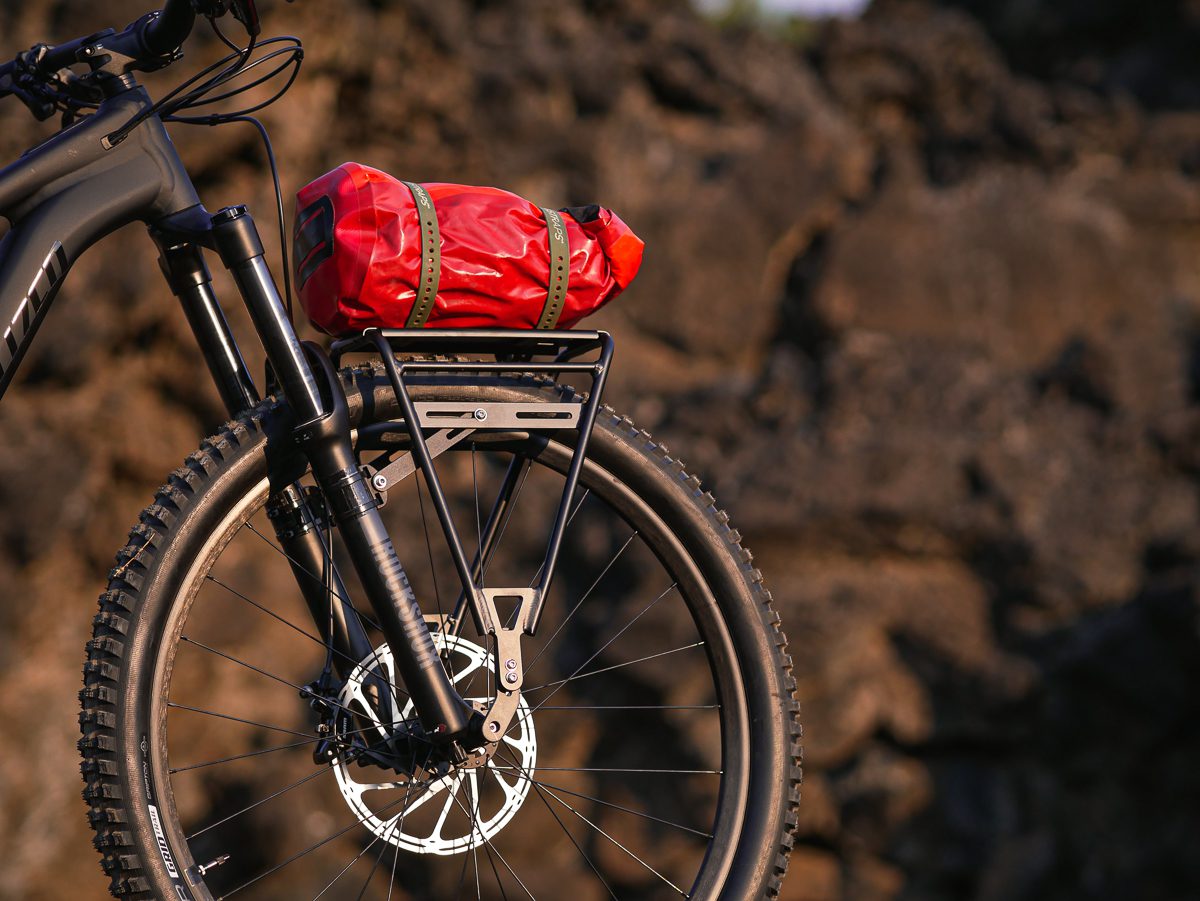
Place gear in dry bags to keep them safe. Roll the top tightly, then secure it. Liners add an extra layer of protection. Ensure all items are wrapped well. Keep electronics and clothes in separate bags. Choose high-quality bags for best results.Organizing Gear To Minimize Exposure
Organize gear smartly. Use waterproof compartments for sensitive items. Heavier items at the bottom, lighter on top. This helps balance and protects from water. Keep frequently used items within easy reach. Avoid overpacking to maintain space for essentials. Plan ahead for unexpected weather changes. `Frequently Asked Questions
How Do I Waterproof My Touring Bike Bags Effectively?
Use waterproof liners inside your bags and apply waterproof sprays on the exterior. Ensure all seams and zippers are sealed properly. This combination keeps water out and protects your gear during wet rides.
What Materials Are Best For Waterproof Bike Gear?
Look for gear made from PVC, nylon with TPU coating, or tarpaulin fabric. These materials repel water well and are durable for long tours. Choose gear with reinforced seams for extra protection.
Can I Waterproof My Clothes For Bike Touring?
Yes, use waterproof jackets and pants made from breathable fabrics like Gore-Tex. Treat non-waterproof clothes with durable water repellent (DWR) sprays. This keeps you dry without overheating on the road.
How Often Should I Reapply Waterproofing Treatments?
Reapply waterproof sprays every few months or after heavy rain exposure. Regular maintenance ensures your gear stays water-resistant. Always clean and dry your gear before reapplying treatments.
Conclusion
Waterproofing your touring bike gear keeps your stuff dry and safe. Use good covers, seal seams, and pack smart. Check your gear often for wear or holes. Dry everything before storage to avoid mold. These simple steps help you enjoy every ride, rain or shine.
Stay prepared, stay comfortable, and keep exploring with confidence.



