
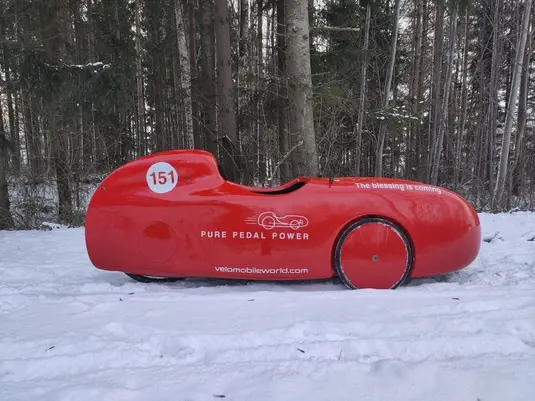
Imagine gliding through traffic with ease, feeling safe and in control, all while turning heads with your sleek velomobile. If you’ve ever wondered how to use a velomobile in traffic without stress or confusion, you’re in the right place.
This guide will show you simple, practical tips to navigate busy roads confidently. By the end, you’ll know exactly how to make your velomobile a smooth part of your daily commute. Ready to transform your ride and take charge of traffic?
Let’s dive in.
Velomobile Basics
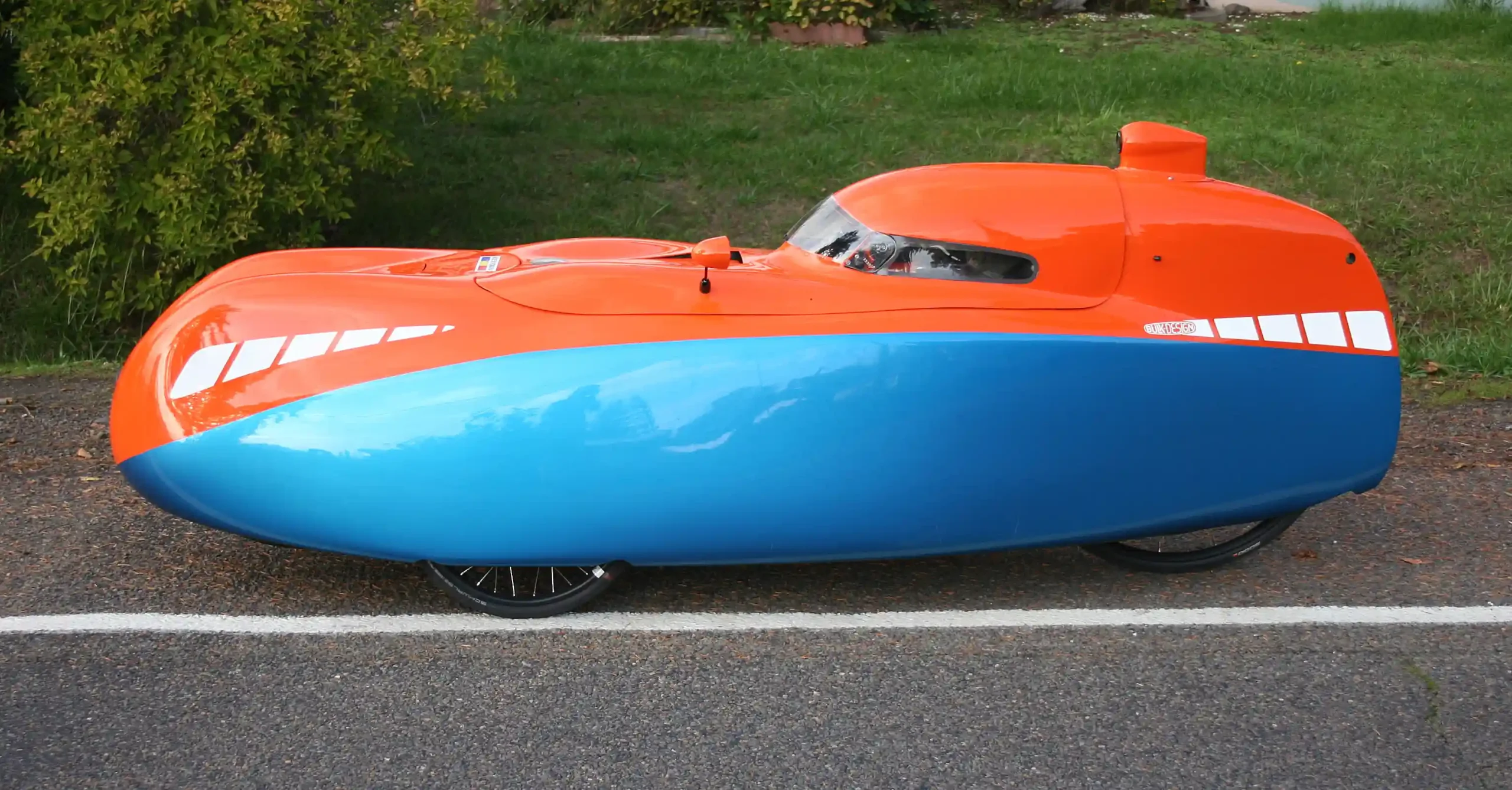
Velomobiles are human-powered vehicles with a protective shell. They are designed for comfort and speed in traffic.
Learning how to use a velomobile safely helps you share the road with other vehicles.
Key Features
Velomobiles have several key features that affect their use in traffic. These include aerodynamics, weather protection, and visibility.
- Aerodynamics:The streamlined shape reduces air resistance.
- Weather Protection:The shell shields riders from rain and wind.
- Visibility:Bright colors and lights make velomobiles easier to see.
- Comfort:Reclined seating helps reduce rider fatigue.
- Storage:Some models have space for bags or small cargo.
Types Of Velomobiles
Velomobiles come in different types based on design and purpose. Each type suits different traffic conditions and rider needs.
| Type | Description | Use Case |
|---|---|---|
| Fully Enclosed | Complete shell covers rider and wheels. | Best for all-weather riding and high speeds. |
| Semi-Enclosed | Shell covers rider but leaves some parts exposed. | Good for moderate weather and easy access. |
| Open Frame | Minimal shell, mostly open structure. | Used mainly for fair weather and short trips. |
Credit: www.velomobileworld.com
Preparing For Urban Riding
Riding a velomobile in city traffic needs careful preparation. You must be ready to handle traffic safely and smoothly.
Before you start, check your gear and your velomobile. Being prepared helps you avoid problems on the road.
Safety Gear Essentials
Wear the right safety gear to protect yourself. This gear keeps you visible and reduces injury if you fall.
Always use a helmet. Use bright clothes or reflective gear for better visibility. Gloves help protect your hands.
- Helmet that fits well
- Reflective jacket or vest
- Bright-colored clothing
- Gloves for hand protection
- Lights on front and back
Pre-ride Inspection
Check your velomobile before each ride. Look at tires, brakes, and lights to make sure they work well.
Inspect the steering and seat. Fix any issues before riding in traffic to stay safe and comfortable.
- Check tire pressure and tread
- Test brakes for good stopping power
- Make sure lights and signals work
- Check steering for smooth movement
- Ensure seat and belts are secure
Navigating Traffic
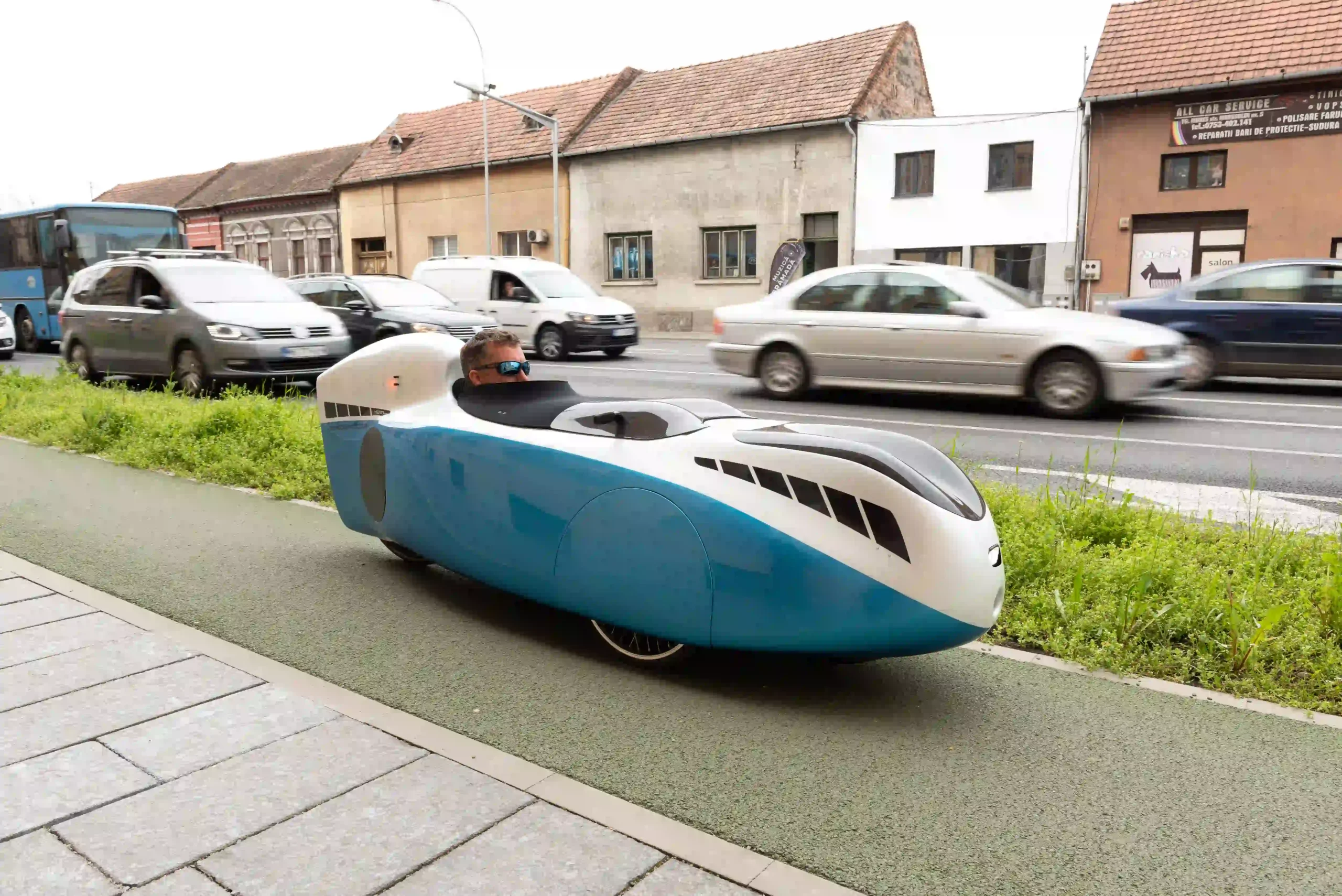
Using a velomobile in traffic requires careful attention and good skills. You need to be aware of your surroundings to stay safe.
Understanding how to move among cars and other vehicles helps you avoid accidents. This guide explains key tips for traffic navigation.
Positioning On The Road
Always ride your velomobile where drivers can see you clearly. Avoid riding too close to parked cars to prevent door accidents.
Keep a steady line in the lane. Use the center or left side of the lane if the road is narrow or has potholes.
- Stay visible by avoiding blind spots
- Keep a safe distance from parked cars
- Use the lane’s center when needed for safety
Handling Intersections
Slow down before intersections and look both ways. Make eye contact with drivers to ensure they see you.
Signal your turns clearly using hand signals or built-in indicators. Position your velomobile to be visible to turning vehicles.
- Reduce speed before crossing
- Look left, right, and left again
- Use clear signals for turning
- Stay in a visible spot while waiting
Dealing With Congestion
In heavy traffic, stay calm and patient. Avoid sudden moves and keep a safe distance from other vehicles.
Use your velomobile’s small size to find safe gaps. Do not squeeze through tight spaces where you might get stuck or hit.
- Stay calm and avoid quick moves
- Keep distance from cars and motorcycles
- Look for safe spaces to move forward
- Never force your way through narrow gaps
Credit: www.velomobileworld.com
Rules And Regulations
Using a velomobile in traffic requires understanding specific rules. These rules help keep you and others safe on the road.
Following traffic laws, knowing right of way, and using proper lighting and signals are key for smooth travel.
Local Traffic Laws
Velomobiles are often treated like bicycles under local laws. You must follow the same rules as bike riders.
- Obey all traffic signs and signals.
- Ride in bike lanes when available.
- Wear a helmet if required by law.
- Use designated crossings for pedestrians and cyclists.
- Keep to the right side of the road unless passing.
Right Of Way
Understanding who has the right of way prevents accidents. Velomobiles must yield to pedestrians in crosswalks.
| Situation | Who Has Right of Way |
| At a stop sign | First to stop goes first |
| At a crosswalk | Pedestrians |
| When turning left | Oncoming traffic |
| At roundabouts | Vehicles inside the roundabout |
Lighting And Signals
Velomobiles must use lights and signals to be visible. This is important especially in low light conditions.
Follow these tips for lighting and signaling:
- Use white front lights and red rear lights at night.
- Install reflectors on the sides and rear.
- Use hand signals or turn signals to show turns.
- Wear bright or reflective clothing for extra visibility.
Improving Visibility
Using a velomobile in traffic requires extra care to be seen by others. Visibility is key to staying safe on the road.
Bright colors, lights, and reflective items help drivers notice you sooner. This guide covers how to improve your visibility.
Reflective Gear
Reflective gear shines when light hits it. This makes you easier to see in low light or at night.
- Wear reflective vests or jackets over your clothes.
- Add reflective tape on your velomobile’s frame and wheels.
- Use reflective ankle bands or wristbands for extra movement visibility.
- Attach a reflective flag or banner to your velomobile.
Using Lights Effectively
Lights help others see you from far away and in dark places. Use the right lights in the right way.
| Light Type | Position | Purpose |
| White Front Light | Front of velomobile | Show your presence and path |
| Red Rear Light | Back of velomobile | Alert drivers behind you |
| Side Lights or Reflectors | Sides of velomobile | Increase side visibility |
| Flashing Lights | Front and rear | Catch attention quickly |
Handling Urban Challenges
Riding a velomobile in the city comes with many challenges. You must stay alert and ready to react fast.
This guide covers how to handle road hazards, weather, and sharing space with other vehicles safely.
Road Hazards
Urban roads often have potholes, debris, and uneven surfaces. These can damage your velomobile or cause accidents.
- Watch the road ahead carefully.
- Slow down when you see rough patches.
- Avoid loose gravel and wet leaves.
- Use lights to increase visibility.
- Keep your tires properly inflated for better control.
Weather Conditions
Rain, wind, and cold can make riding harder. Your velomobile offers some protection but extra care is needed.
| Condition | Tip |
| Rain | Use waterproof gear and slow down on wet roads. |
| Wind | Keep a firm grip and steer smoothly to stay stable. |
| Cold | Dress in layers and keep hands warm for good control. |
Sharing Space With Other Vehicles
Cars, buses, and motorcycles share the road. Your velomobile is smaller but must be seen and respected.
Follow these key rules to stay safe:
- Use bright lights and reflective gear day and night.
- Signal your turns clearly with hand or electronic signals.
- Keep to the side of the lane but avoid riding too close to parked cars.
- Be aware of blind spots and avoid riding alongside large vehicles.
- Make eye contact with drivers at intersections when possible.
Maintenance Tips For City Use
Using a velomobile in the city means facing traffic, weather, and road dirt. Proper maintenance keeps it safe and smooth.
Simple care routines help your velomobile last longer and avoid problems on busy streets.
Regular Checks
Check your velomobile often to catch issues early. Look at tires, brakes, and lights before each ride.
Inspect the chain and gears for dirt and wear. Tighten loose parts and replace worn ones quickly.
- Check tire pressure and look for cracks
- Test brakes for good stopping power
- Ensure lights work for night riding
- Look for chain rust or slack
- Tighten screws and bolts
Cleaning And Storage
Clean your velomobile after city rides to remove dirt and grime. Use a soft cloth and mild soap to avoid damage.
Store it in a dry place to protect from rain and sun. Cover it if possible to keep dust off.
- Wipe down the body and windows
- Remove mud from tires and undercarriage
- Dry it well before storing
- Keep it indoors or under a cover
- Store away from direct sunlight

Credit: newatlas.com
Advanced Riding Techniques
Riding a velomobile in traffic needs skill and attention. You must know how to handle tight spaces and sudden changes. Practice makes you safer and more confident on the road.
This guide covers three key techniques: lane splitting, quick maneuvers, and emergency braking. Each helps you navigate traffic smoothly and avoid accidents.
Lane Splitting
Lane splitting means riding between lanes of slow or stopped cars. It saves time but can be risky. Always watch for cars changing lanes or doors opening.
- Keep your speed steady and safe.
- Stay visible by wearing bright clothes and using lights.
- Use mirrors often to check traffic behind you.
- Signal early if you plan to change lanes.
- Be ready to stop quickly if needed.
Quick Maneuvers
Velomobiles are wider and heavier than bikes. You must steer smoothly but fast in tight spots. Practice turning and swerving without losing control.
| Maneuver | Tip |
| Sharp Turn | Slow down before turning, then lean into the turn. |
| Swerving | Look ahead and plan your path quickly. |
| Lane Change | Check mirrors and signal early. |
| Obstacle Avoidance | Brake lightly and steer around the obstacle smoothly. |
Emergency Braking
Stopping fast is important in an emergency. Velomobiles need more distance to stop than bikes. Use both front and rear brakes evenly to avoid skidding.
- Keep your hands on the brakes at all times in traffic.
- Brake smoothly first to avoid locking the wheels.
- If you skid, release the brake slightly and then reapply.
- Practice emergency stops in a safe area regularly.
- Wear protective gear to reduce injury risk.
Frequently Asked Questions
How Safe Is Riding A Velomobile In Traffic?
Riding a velomobile in traffic is generally safe when you follow road rules. Use lights and signals clearly. Stay visible by wearing bright clothing. Always be alert to other vehicles and pedestrians to prevent accidents.
Can Velomobiles Use Regular Bike Lanes?
Yes, velomobiles can use regular bike lanes if local laws allow. They are often wider than bikes, so check lane width. Use caution to avoid obstructing other cyclists. Follow traffic rules and yield when necessary.
What Are The Best Safety Gear For Velomobile Riders?
Essential safety gear includes a helmet, reflective clothing, and gloves. Use front and rear lights for visibility. Consider a rearview mirror to monitor traffic behind. Always equip your velomobile with proper brakes and signals.
How To Signal Turns While Riding A Velomobile?
Use hand signals to indicate turns clearly. Extend your left arm straight for left turns. For right turns, extend your right arm or left arm bent upward. Use turn signals on the velomobile if equipped. Signal early to inform drivers.
Conclusion
Using a velomobile in traffic requires focus and care. Stay visible and signal your moves clearly. Always follow traffic rules and watch for other drivers. Keep a steady pace and avoid sudden turns. Riding safely helps you enjoy the journey more.
Practice often to build confidence on busy roads. Velomobiles offer a smooth, eco-friendly way to travel. With patience and attention, you can navigate traffic well. Stay alert, be polite, and enjoy your ride every day.



