
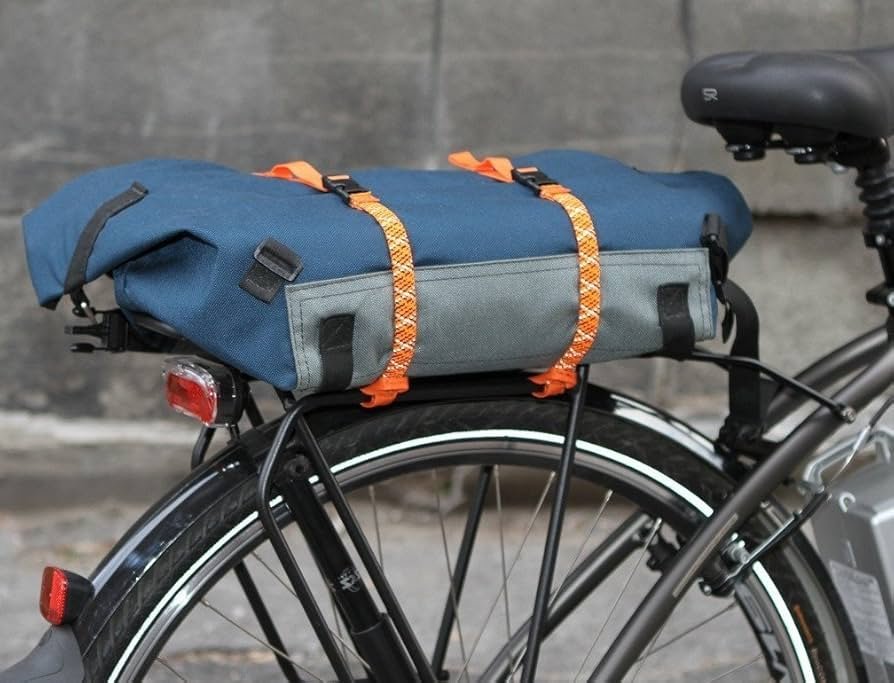
Imagine hitting the open road with your bike, ready to explore the great outdoors. But wait—how do you pack all your camping gear without feeling like a circus performer balancing plates?
The answer lies in mastering the art of using a bike rack for camping. This guide will show you how to optimize every inch of your rack space, ensuring your gear is securely packed and easy to access. You’ll discover tips and tricks that make packing a breeze, letting you focus on the thrill of your adventure rather than worrying about what you might have left behind.
Dive in, and let’s transform your bike camping experience from stressful to seamless.
Choosing The Right Bike Rack
Selecting the perfect bike rack ensures easy transport for camping adventures. Consider durability and compatibility with your vehicle. Securely mount bikes to avoid damage during travel.
Types Of Bike Racks
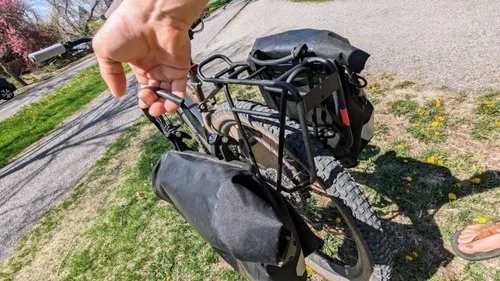
Bike racks come in various types. Rear racksare popular for camping. They attach to the back of the bike. Front racksprovide extra space. They mount on the front fork. Pannier racksare versatile. They hold bags on the sides. Trailer racksoffer more storage. They tow behind the bike.
Factors To Consider
- Weight capacity: Check how much the rack can hold.
- Material: Choose durable materials like aluminum.
- Installation ease: Ensure easy setup with your bike.
- Compatibility: Match the rack with your bike type.
- Price: Consider your budget for a rack.
Credit: www.treelinereview.com
Essential Gear For Bike Camping
Bring a compact tentfor easy packing. Use a lightweight sleeping bagto stay warm. A small camp stovehelps cook meals. Pack a water filterfor clean water. Don’t forget a first aid kitfor safety.
A sturdy bicycle rackis a must. Carry a repair kitfor bike troubles. Use a bike lightfor night rides. A helmetprotects your head. Wear comfortable cycling clothesfor long rides.
- Distribute weight evenly on your bike.
- Use waterproof bagsto keep gear dry.
- Pack essentialswithin easy reach.
- Roll clothes to save space.
- Secure all items tightly to prevent shifting.
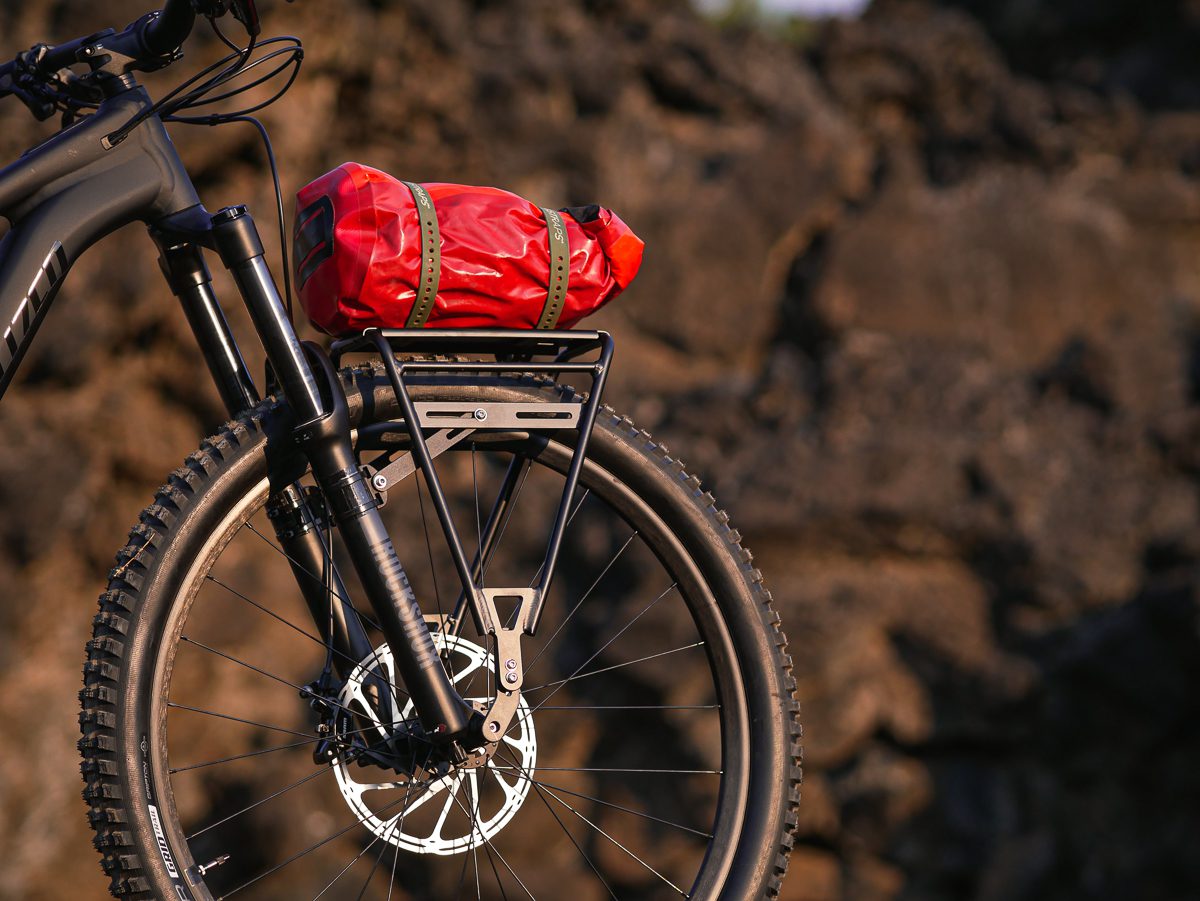
Proper Rack Installation
Gather necessary tools for the bike rack. You need a wrench, screwdriver, and measuring tape. These are essential for a secure fit.
Ensure your bike is stable. Use the kickstand or a bike stand. Attach the rack to the seat post. Align the holes with the frame. Secure bolts with a wrench. Check tightness with a screwdriver. Make sure the rack doesn’t wobble. Adjust if needed.
Test the rack by adding weight. Ensure it holds firmly. Check all screws and bolts again. Safety is key. Always double-check your work. A properly installed rack is important. Enjoy your bike camping journey!
Credit: cycletraveloverload.com
Securing Your Gear
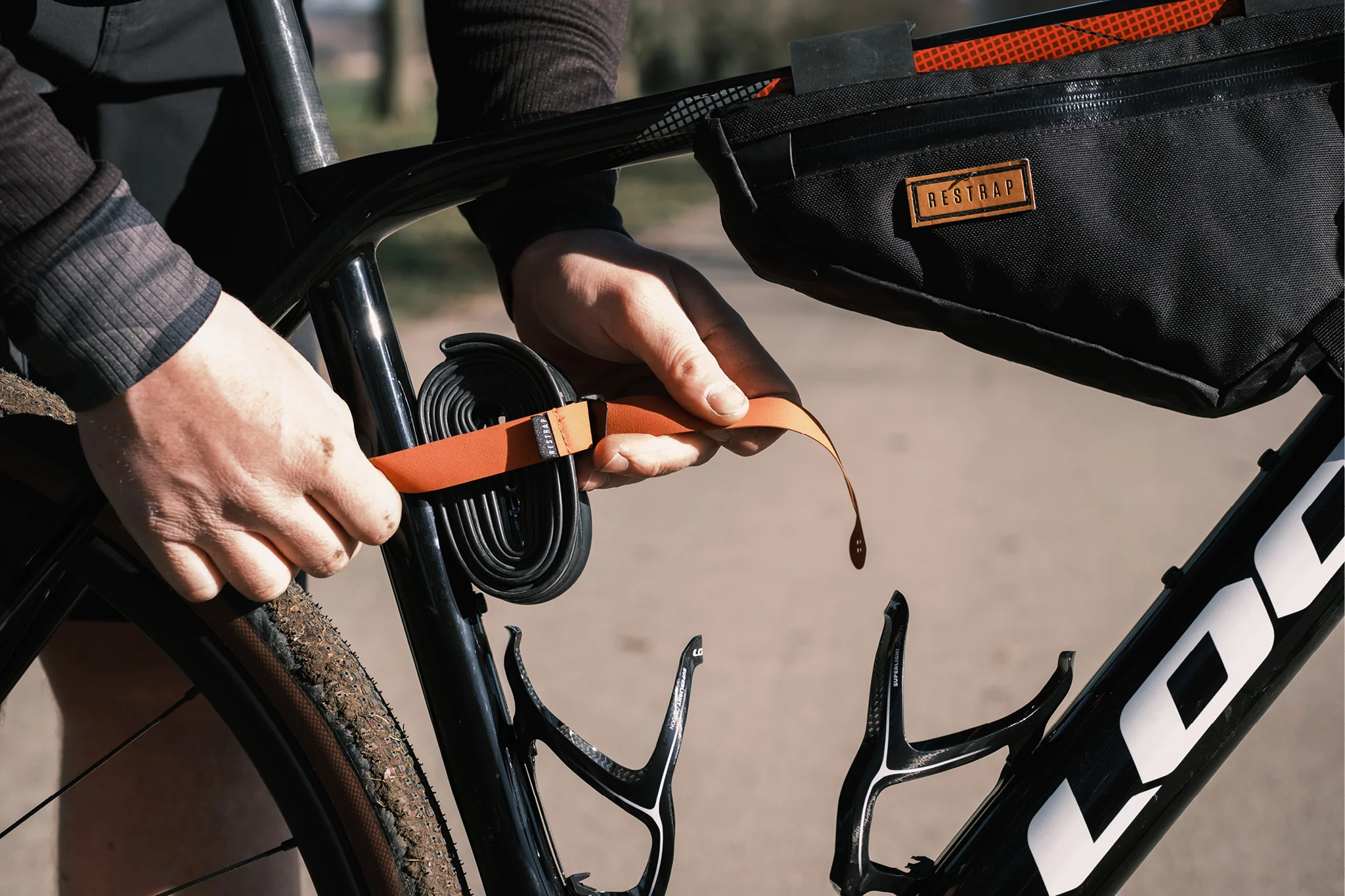
Straps are great for holding gear. Loop them around your items tightly. Bungee cords stretch and hold things snug. They are useful for odd shapes. Keep gear from moving by using several cords. Check straps before you ride. Make sure they are tight and secure. Loose straps can be dangerous.
Balance is key for safe biking. Spread weight evenly on both sides. Heavy items should go in the middle. Keep lighter items on top. This helps your bike stay steady. A balanced bike is easier to ride. Check balance before you start your trip. Adjust as needed for a smooth ride.
Safety Tips For Bike Camping
Keep your bike balanced by distributing the weight evenly. Too much weight on one side can make riding hard. Use strong straps to keep items tight and safe. A good rack should handle your gear’s weight. Check the rack’s weight limit before loading. Avoid hanging heavy items on handlebars. This makes steering difficult. Pack only what you truly need. A lighter load makes for a smoother ride.
Choose tires with good grip for rocky paths. Lower tire pressure can help with bumps. Always slow down on loose gravel or sand. Keep a firm grip on the handlebars. Stand on the pedals for better balance. Watch the path closely for big rocks or holes. Adjust your speed according to the terrain.
Credit: cycletraveloverload.com
Maintaining Your Rack
Check your bike rack often. Look for any signs of damage. Bolts and screws should be tight. Loose parts can cause problems. Listen for strange noises when riding. This could mean something is loose. Inspect the rack before each trip. A quick check can save you trouble. Always be safe while biking.
Clean your rack to keep it strong. Use a damp cloth to wipe off dirt. Avoid harsh chemicals that might damage it. After cleaning, dry it well. Lubricate moving parts to keep them smooth. Use a light oil for lubrication. This helps prevent rust. Regular care keeps your rack in good shape.
Recommended Destinations
Many people love the Pacific Coast Routefor bike camping. This route offers stunning ocean views. It stretches from Canada to Mexico. Another favorite is the Great Divide Mountain Bike Route. It is the longest off-pavement route in the world. This route runs from Canada to New Mexico. Both routes are great for beginners and experts alike. They offer a mix of adventure and beauty.
Some places are less known but worth exploring. The Natchez Trace Parkwayis one such hidden gem. It offers a peaceful and scenic ride through nature. Another secret spot is the San Juan Islandsin Washington. These islands are perfect for a quiet getaway. They offer scenic views and plenty of wildlife. Both spots are ideal for those seeking tranquility.
Frequently Asked Questions
How To Carry Camping Gear On A Bike?
Use panniers or saddlebags to store gear on your bike. Secure items with bungee cords or straps. Attach a handlebar bag for essentials. Opt for a rear rack for larger items. Ensure weight is balanced for safe riding. Wear a backpack for lightweight gear.
How To Properly Use A Bike Rack?
To use a bike rack properly, secure your bike with adjustable straps or locks. Ensure the frame is stable and not wobbling. Position the bike to prevent damage during transport. Double-check all fastenings before driving. Regularly inspect the rack for wear and tear.
Is It Illegal To Have A Bike Rack On The Back Of Your Car?
Having a bike rack on your car is generally legal. Ensure it doesn’t obstruct license plates or lights. Always check local laws and regulations to avoid fines. Proper installation is crucial for safety.
How To Keep Bikes From Swaying On A Bike Rack?
Secure bikes with adjustable straps or bungee cords on the rack. Ensure even weight distribution. Use stabilizers or a hitch tightener. Check for tightness regularly. Follow manufacturer instructions for best results.
Conclusion
Bike camping with a rack simplifies your adventure. It carries your gear easily. No heavy backpack weighing you down. Your bike does the work. Planning becomes effortless. You pack with ease. Your essentials stay organized. Balance your load for smooth rides.
Enjoy the freedom of the open road. Breathe in nature. Experience the thrill of camping with a bike. Make your trips memorable and fun. With the right rack, every journey becomes enjoyable. Explore new places with confidence. Ride on, explore more, and embrace the adventure.
Your bike camping awaits.



