
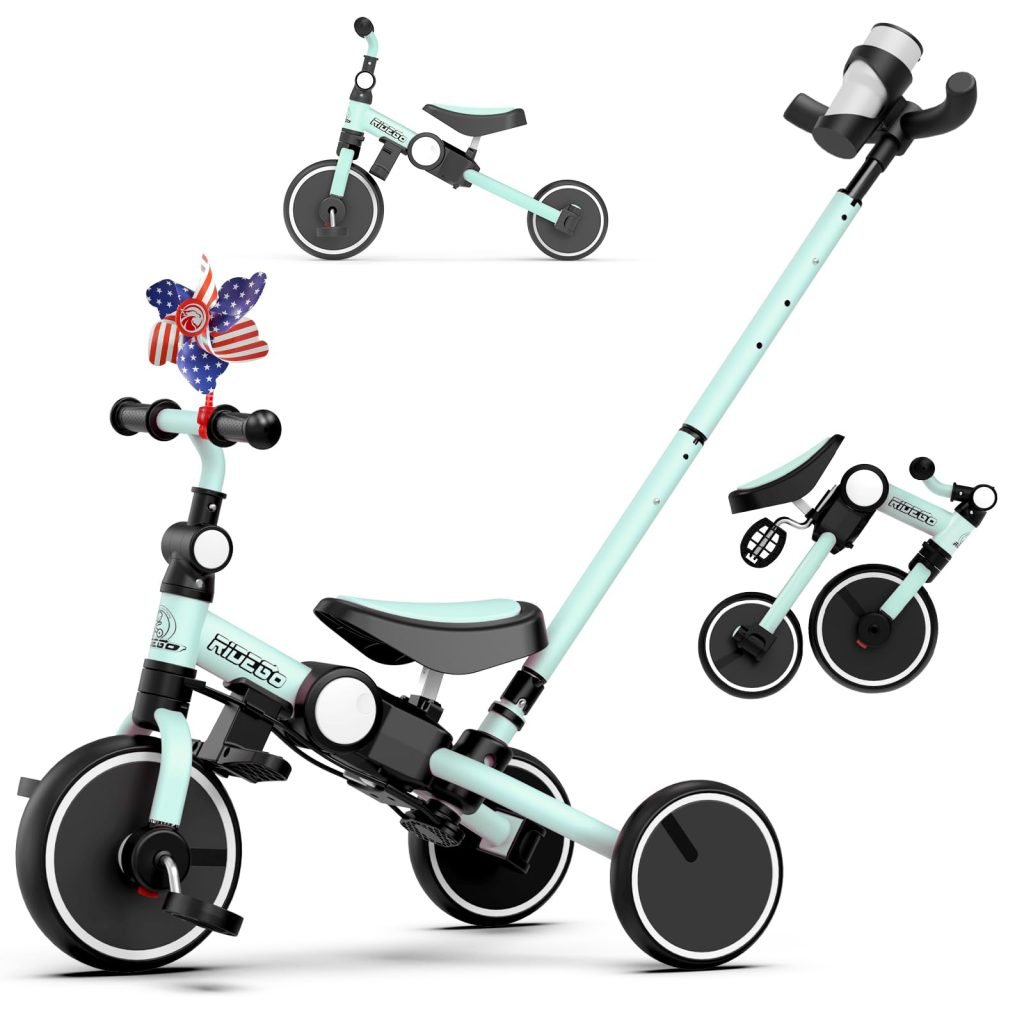
Are you ready to help your toddler take their first confident steps on a bike? Using a push handle bike can make this exciting milestone easier and safer for both you and your child.
In this guide, you’ll discover simple tips to use a push handle bike effectively, so your little one gains balance and control without frustration. Keep reading to learn how to turn bike practice into a fun, stress-free experience that builds your child’s confidence every time they ride.

Credit: toyscentral.ca
Choosing The Right Push Handle Bike
Choosing the right push handle bike is important for your toddler’s comfort and safety. The right bike helps your child learn balance and coordination.
Parents should consider several factors to find the best bike. This guide covers size, weight, material, and safety features.
Size And Weight Considerations
Select a bike that fits your toddler’s height and weight. The bike should be light enough for easy pushing and carrying.
- Check seat height to ensure feet touch the ground
- Choose a bike weight your toddler can handle safely
- Make sure the push handle is at a comfortable height for the adult
- Avoid bikes that are too big or too small for your child
Material And Durability
The bike’s material affects its durability and weight. Look for bikes made from strong but light materials.
| Material | Advantages | Disadvantages |
| Wood | Eco-friendly, sturdy | Heavier, can chip |
| Metal | Very durable | Heavier, may rust |
| Plastic | Lightweight, colorful | Less sturdy |
Safety Features To Look For
Safety is key when choosing a push handle bike. Look for features that protect your child during use.
- Non-slip handle grips for better control
- Wide tires for stability
- Rounded edges to prevent injuries
- Secure brakes on the wheels
- Adjustable push handle to suit the adult’s height
Preparing Your Toddler For The Ride
Getting your toddler ready for a push handle bike ride is important. It makes the experience safe and fun for your child. Start by preparing your child and the bike before the ride.
This guide covers key steps to prepare your toddler. You will learn about clothing, safety gear, and setting clear rules.
Proper Clothing And Protective Gear
Dress your toddler in comfortable clothes that allow free movement. Avoid loose clothing that could get caught in the bike parts. Use protective gear to keep your child safe.
- Helmet that fits well and fastens securely
- Knee and elbow pads to protect from scrapes
- Closed-toe shoes with good grip
- Bright or reflective clothing for visibility
Familiarizing Your Child With The Bike
Let your toddler explore the bike before riding. Show them how the push handle works and let them sit on the seat. This helps build confidence.
| Activity | Purpose |
|---|---|
| Touch and hold the handle | Get used to the bike parts |
| Sit on the seat | Learn balance and feel |
| Push the bike gently | Understand how it moves |
Setting Expectations And Rules
Explain simple rules to your toddler before starting the ride. Clear rules help keep your child safe and make the ride more enjoyable.
- Stay close to a parent or guardian at all times
- Hold the handle or seat when riding
- Stop the bike if you feel tired or scared
- Do not ride near roads or uneven surfaces
- Listen carefully to instructions during the ride
Adjusting The Push Handle Bike
Using a push handle bike helps toddlers learn to balance while feeling safe. Adjusting the bike correctly makes the ride more comfortable and secure.
Check the bike parts often to fit your toddler’s size and needs. Proper adjustments help your child enjoy every ride.
Setting The Seat Height
Set the seat height so your toddler can reach the ground with their feet. This helps them balance and stop safely.
Adjust the seat to match your child’s leg length. The knees should bend slightly when sitting on the seat.
- Loosen the seat clamp
- Move the seat up or down
- Tighten the clamp firmly
- Check the seat is steady
Adjusting The Push Handle Position
Set the push handle at a height that suits the adult pushing the bike. This reduces strain on your back.
The handle should be easy to hold and control. Make sure it is tight and will not move during use.
- Find the adjustment knobs on the handle
- Loosen the knobs to move the handle up or down
- Set the handle height to a comfortable level
- Tighten the knobs securely
Checking The Brakes And Tires
Check the brakes to make sure they work well. Proper brakes help stop the bike safely.
Look at the tires for any damage or low air. Good tires keep the bike steady on different surfaces.
- Press the brake levers to test response
- Inspect brake pads for wear
- Check tires for cracks or flat spots
- Inflate tires to the correct pressure

Credit: www.amazon.ca
Step-by-step Riding Instructions
Using a push handle bike helps toddlers learn to ride with confidence. It offers a safe way to practice balance and steering.
Follow these steps to guide your child through the riding process. Patience and support make learning fun and effective.
Starting With Controlled Movements
Begin by holding the push handle firmly. Walk slowly while your toddler sits on the bike. This helps them get used to the feeling of riding.
Keep movements smooth and steady. Avoid sudden turns or stops. This creates a safe environment for your child to gain trust in the bike.
Guiding And Supporting Balance
Hold the bike steady while your toddler tries to balance. Let them use their feet to push off the ground gently. Offer light support only as needed.
This stage helps improve your child’s coordination. Praise small successes and encourage them to keep trying.
- Hold the push handle lightly
- Encourage feet to touch the ground
- Support only if the bike tips
- Use calm words to reassure
Encouraging Independent Riding
Gradually reduce how much you hold the bike. Let your toddler try to steer and balance alone. Stay close to catch them if needed.
Cheer for their efforts and remind them to keep their feet ready to stop. This builds their confidence and skill to ride on their own.
- Release the handle gently
- Watch closely but give space
- Encourage steering and balance
- Celebrate progress with praise
Ensuring Safety During The Ride
Using a push handle bike for toddlers can be a fun way to help them learn balance. Safety must come first to avoid accidents and injuries.
Parents and caregivers should watch closely and make good choices to keep the ride safe and enjoyable.
Choosing Safe Riding Environments
Select quiet places with smooth, flat surfaces for riding. Avoid busy streets and areas with heavy traffic.
Look for parks or open spaces with little to no obstacles. This reduces the risk of falls and collisions.
- Choose paved paths or sidewalks
- Avoid gravel, sand, or uneven ground
- Stay away from steep hills or slopes
- Pick areas with good visibility
Monitoring Speed And Terrain
Keep the bike at a slow and steady pace. This helps toddlers feel more in control and safe.
Watch the terrain carefully. Stop or slow down if the ground becomes rough or slippery.
- Push the bike gently to avoid sudden speed
- Check for wet or icy patches
- Be ready to stop quickly if needed
- Adjust speed based on toddler’s comfort
Responding To Toddler’s Needs
Pay attention to your toddler’s signals and feelings. If they seem tired or scared, take a break.
Make sure the child wears a helmet and comfortable clothes. Safety gear protects them during falls.
- Watch for signs of discomfort or fear
- Encourage rest breaks when needed
- Use a properly fitted helmet every time
- Dress your toddler in bright, comfortable clothes
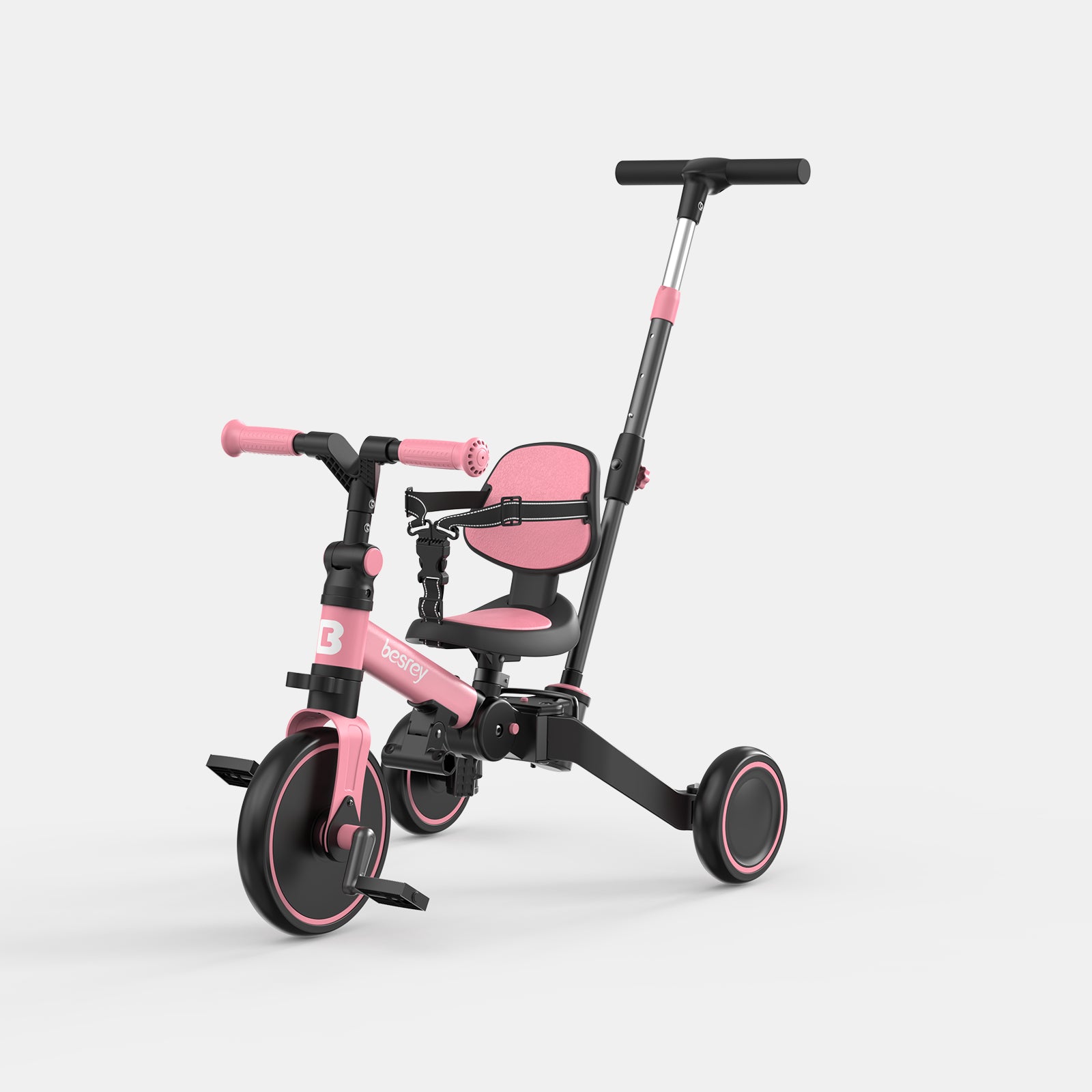
Credit: www.besrey.com
Maintaining The Push Handle Bike
Keeping a push handle bike in good shape is important for safety and fun. Regular care helps the bike last longer and ride smoothly.
Check the bike often and fix small problems before they get bigger. This guide shows easy steps to maintain the bike well.
Regular Cleaning And Inspection
Clean the bike after each use to remove dirt and dust. Dirt can cause parts to wear out faster.
- Wipe the frame and handle with a damp cloth.
- Check the wheels for dirt or stones stuck in them.
- Look over the bike for any cracks or damage.
- Make sure the seat and handlebar are tight and not loose.
Tightening And Replacing Parts
Tighten screws and bolts regularly to keep the bike safe. Loose parts can cause accidents.
| Part | Check | Action |
| Handlebar | Wobbly or loose | Tighten bolts |
| Wheels | Loose or wobbly | Tighten nuts or replace bearings |
| Seat | Unstable | Adjust or tighten screws |
| Push handle | Loose connection | Secure or replace parts |
If any part is cracked or broken, replace it quickly. Using damaged parts can be dangerous for toddlers.
Storing The Bike Properly
Store the bike in a dry and safe place to avoid damage from weather. Proper storage keeps the bike in good condition.
- Keep the bike indoors or under a cover.
- Avoid placing the bike where it can get wet or dusty.
- Store the bike standing up or hanging to save space.
- Check the bike before using it again after storage.
Frequently Asked Questions
What Age Is Suitable For Using A Push Handle Bike?
Toddlers aged 18 months to 3 years benefit most from push handle bikes. They support balance and coordination development safely.
How Does A Push Handle Bike Improve Toddler Balance?
The push handle allows parents to guide and stabilize the bike. This support helps toddlers gradually gain confidence in balancing independently.
Can Push Handle Bikes Replace Training Wheels?
Push handle bikes focus on balance skills, unlike training wheels. They better prepare toddlers for riding two-wheelers without extra support.
How To Adjust The Push Handle For Toddler Comfort?
Ensure the push handle height matches the adult’s comfort for easy control. Adjust bike seat height to fit the toddler properly.
Conclusion
A push handle bike offers toddlers a fun, safe ride. It helps them learn balance and coordination. Parents can guide easily with the handle. Choose a lightweight, sturdy bike for the best experience. Always use a helmet for safety. Adjust the seat to fit your child’s height.
Keep rides short and enjoyable. These steps help build confidence and joy in riding. Remember, practice makes perfect. Enjoy watching your toddler grow and explore on their new bike journey. It’s a delightful way for families to bond and enjoy outdoor adventures together.



