
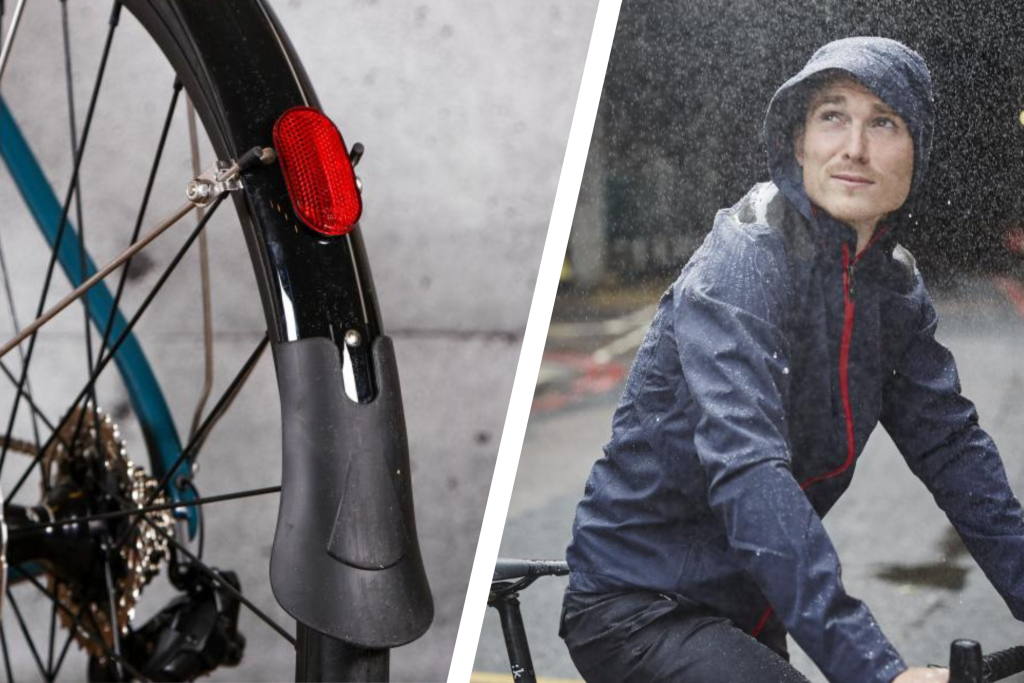
Winter cycling can be a thrilling adventure, but it comes with its own set of challenges. As you pedal through slushy streets or muddy trails, you might find yourself battling against the elements.
This is where mudguards come into play, offering a simple yet effective solution to keep you dry and clean. Imagine cruising along without the constant spray of water and dirt, allowing you to focus on the joy of the ride.
By using mudguards, you can transform your cycling experience, making it more comfortable and enjoyable during the colder months. Ready to discover how these nifty accessories can become your best ally this winter? Dive into our guide and learn how to use mudguards to elevate your winter cycling adventures.

Credit: rsscsports.com
Benefits Of Mudguards
Mudguardskeep your bike clean in wet weather. They stop mud and water from splashing. This helps your clothes stay dry and clean. You won’t need to wash your bike often. This saves time and effort.
Mudguards protect your bike parts from dirt. Dirt can cause wear and tear on the parts. This can lead to damage over time. Keeping parts clean means they last longer.
Safetyis improved with mudguards. Wet roads can be slippery. Mudguards reduce the chance of slipping. You can ride safer and feel more secure.
Friends will appreciate mudguards too. They stop water spraying onto others. Group rides become more enjoyable for everyone.

Credit: cycletechreview.com
Choosing The Right Mudguards
Choosing the right mudguards ensures a dry and clean ride during winter cycling. They effectively shield you from mud and water splashes, enhancing your comfort and safety on wet roads.
Installation Tips
Gather the toolsbefore starting. You will need a screwdriver, allen wrench, and pliers. These tools help in adjusting and fixing the mudguards. Check if your bike already has mounting points. If not, you might need extra bracketsor straps.
First, clean the bike frame. Dirt can make it hard to fit mudguards. Next, align the mudguards with the tires. Ensure they cover the tires completely. Use the screwdriver to fix the mudguards to the frame. Tighten all screws firmly but not too tight. Check the alignment again. Adjust if needed. Finally, test ride your bike. Ensure the mudguards do not rub against the tires. Your mudguards are now ready for winter rides.
Maintenance And Care
Mudguards are essential for winter cycling, keeping clothes dry and bikes clean. They block mud and water from splashing up. Regular cleaning and checking screws ensure they work properly all season.
Regular Cleaning
Clean mudguards often to keep them working well. Use a soft cloth and warm water. Remove mud and dirt gently. Check for cracks or damage. Fix problems early to avoid bigger issues. Clean helps mudguards last longer.
Storage Tips
Store mudguards in a dry place. Avoid leaving them outside. Keep them away from sunlight and rain. Use a protective cover if possible. Store them upright to prevent bending. This keeps them in good shape for next use.
Common Mistakes To Avoid
Mudguards must fit tightly to work best. Loose mudguards can wobble. They might even fall. Ensure all screws are tight. Check them often. A snug fit keeps mud and water away.
Mudguards come in different sizes. Choose the right size for your bike. A small mudguard won’t cover enough. A large one might drag. Measure your bike tires first. Then pick the matching mudguard.
Mudguards need care too. Clean them after muddy rides. Check for cracks or bends. Fix any damage quickly. A clean mudguard lasts longer. It also works better.
Some mudguards are plastic. Others are metal. Pick one that suits your bike. Metal ones are strong. Plastic ones are light. Know your needs before buying.

Credit: cycletechreview.com
Expert Recommendations
Mudguards offer vital protection against splashes and debris during winter rides. Proper installation keeps cyclists dry and clean. Ensuring the right fit on your bike enhances safety and comfort in cold conditions.
Product Suggestions
Choose mudguards that are sturdy and durable. Look for options with easy installation. Brands like SKS and Topeak offer great choices. Full coverage mudguards protect best against mud and water. Ensure they are compatible with your bike type. Flexible mudguards can fit more bike models. Adjustable ones provide better protection.
Seasonal Adjustments
Winter demands extra care for mudguards. Check for damage or wear regularly. Clean them after every ride to avoid rust. Tighten any loose parts before going out. Ensure mudguards do not interfere with the wheels. Adjust them if needed for better coverage. This keeps you safe and dry during winter rides.
Frequently Asked Questions
How To Keep Feet Warm During Winter Cycling?
Wear insulated, waterproof cycling shoes to keep feet warm. Use thermal socks for extra warmth. Consider shoe covers for added insulation. Adjust shoe fit to allow better blood circulation. Take frequent breaks to warm up feet if necessary.
Do Mud Guards Really Help A Bike?
Yes, mud guards protect cyclists from dirt, water, and debris. They keep you cleaner and drier in wet conditions. Mud guards also reduce maintenance by preventing grime buildup on bike components. They enhance riding comfort and visibility by minimizing spray.
How To Protect A Bike During Winter?
Store the bike indoors or cover it with a waterproof tarp. Clean and lubricate the chain regularly. Inflate tires to prevent flat spots. Use a rust inhibitor on metal parts. Disconnect the battery if applicable, and keep it charged.
How To Keep Face Warm In Winter Cycling?
Wear a balaclava or thermal face mask to protect your face from cold winds. Choose breathable materials for comfort. Layer with a windproof outer shell to block wind and retain warmth. Use moisturizers to prevent skin dryness. Adjust layers based on weather conditions for optimal warmth.
Conclusion
Mudguards make winter cycling better. They keep you dry and clean. You ride more comfortably with them. Install them easily on most bikes. Choose the right size for your bike. Mudguards protect against mud and water. They help avoid slips and falls.
Riding becomes safer and more enjoyable. You stay focused on the journey, not the mess. Cycling in winter feels less challenging. Mudguards are a simple, effective solution. So, gear up and enjoy your winter rides. Stay safe, stay warm, and keep cycling!



