
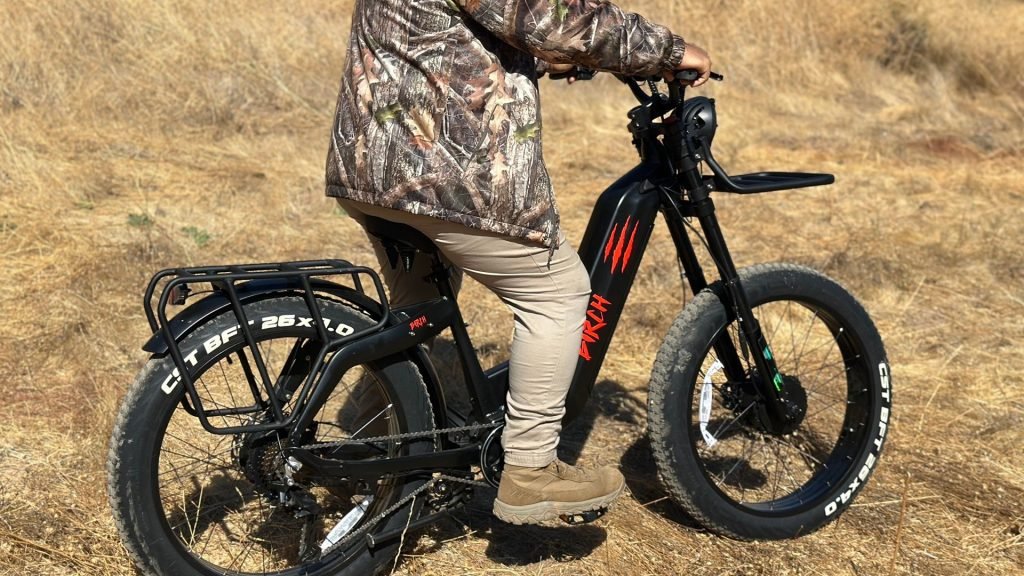
If you’re a hunter looking for a new way to explore the wild, fat tire bikes could be your secret weapon. Imagine moving quietly through rough terrain without wearing yourself out or leaving deep tracks behind.
These bikes give you the freedom to cover more ground quickly and reach spots others can’t. You’ll discover how to use fat tire bikes to make your hunting trips easier, more efficient, and even more exciting. Ready to transform the way you hunt?
Let’s dive in.
Benefits Of Fat Tire Bikes For Hunting
Fat tire bikes offer unique advantages for hunting trips. Their wide tires provide better grip on rough, muddy, or snowy terrain. These bikes help hunters reach remote spots quietly and quickly. They allow more mobility than walking or using larger vehicles.
Using fat tire bikes reduces noise, which is crucial for not scaring away animals. Their design supports carrying gear easily without losing balance. Fat tire bikes are a practical choice for hunters who want efficiency and comfort in the wild.
Enhanced Stability On Rough Terrain
Fat tire bikes have wide tires that spread weight evenly. This makes riding on uneven ground easier. Hunters can navigate mud, sand, and snow without getting stuck. The extra stability helps keep balance with heavy gear loaded.
Quiet Movement For Stealth
These bikes move softly over leaves and dirt. They do not create loud sounds like motorized vehicles. Quiet movement lets hunters get closer to animals. This increases chances of a successful hunt without disturbance.
Improved Load Carrying Capacity
Fat tire bikes can carry bags and hunting gear well. Strong frames support heavy loads without affecting control. Riders can bring extra supplies or tools. This reduces the need for multiple trips or heavy backpacks.
Energy Efficiency And Speed
Riding a fat tire bike uses less energy than walking long distances. Hunters can cover more ground faster. This saves stamina for tracking and aiming. It allows exploring larger hunting areas in less time.
Access To Remote Areas
The wide tires handle trails and rough paths better than regular bikes. Hunters can explore places unreachable by trucks or ATVs. This opens new hunting locations with less human traffic. It increases chances of finding game in quiet spots.
Credit: www.youtube.com
Choosing The Right Fat Tire Bike
Choosing the right fat tire bike is crucial for a successful hunting trip. The right bike makes riding over rough trails easy and quiet. It helps carry gear and navigate through different terrains without trouble. Pick a bike that fits your hunting style and the environment you will explore.
Key Features To Consider
- Tire Width:Wider tires provide better stability on snow, mud, or sand.
- Frame Material:Aluminum is lightweight and strong; steel offers durability but is heavier.
- Suspension:Front suspension absorbs shocks; full suspension adds comfort but weighs more.
- Gear Range:Multiple gears help climb hills and ride smoothly on flat land.
- Weight Capacity:Ensure the bike can carry your hunting gear and yourself comfortably.
- Brakes:Disc brakes offer better stopping power in wet or muddy conditions.
- Quiet Operation:Choose components that make less noise to avoid scaring wildlife.
Top Brands And Models
| Brand | Model | Best For | Price Range |
|---|---|---|---|
| Salsa | Beargrease | Long-distance rides and rough terrain | High |
| Specialized | Fatboy | All-around hunting and trail riding | Mid to High |
| Trek | Farley | Snow and sand terrain | Mid |
| Surly | Ice Cream Truck | Heavy loads and rugged use | Mid |
| Rad Power Bikes | RadRover | Electric assist for easier rides | Mid |
Essential Gear For Fat Tire Bike Hunting
Getting the right gear is crucial for a successful fat tire bike hunting trip. Your equipment needs to match the rugged terrain and unpredictable conditions you’ll face. The right setup keeps you comfortable, safe, and efficient, letting you focus on the hunt instead of your gear.
Hunting Accessories
Think about adding a sturdy rack or panniers to carry your hunting supplies. These give you the space to transport essentials like extra ammo, snacks, and a small first aid kit without throwing off your balance.
Don’t forget a quiet, durable gun or bow mount designed for fat tire bikes. It keeps your weapon secure and ready without noise or hassle.
- Waterproof bags to protect your gear from mud and rain
- Compact binoculars for scouting while on the move
- GPS or trail apps loaded on your phone or a dedicated device
I once underestimated how much noise a loose rifle mount made. It scared off a deer just yards away. Securing your weapon properly can make all the difference.
Safety Equipment
Your safety gear should never be an afterthought. A high-quality helmet is a must for rough trails and unexpected obstacles.
Bright, reflective clothing helps others spot you, especially during low light conditions. Consider blaze orange gear to stay visible and avoid accidents.
- Protective gloves for grip and to guard against branches
- Emergency whistle and signaling mirror to call for help if needed
- A reliable multi-tool and bike repair kit to handle on-the-spot fixes
Have you checked your emergency gear lately? During one trip, my multi-tool saved me after a snapped chain. Being prepared isn’t just smart—it’s essential for staying in the game.
Preparing For A Hunt With A Fat Tire Bike
Preparing for a hunt with a fat tire bike means more than just loading your gear and hitting the trail. It requires careful thought about where you’re going and what conditions you’ll face. Taking time to plan your route and check the weather can make your ride smoother and your hunt more successful.
Route Planning
Choose trails that match your skill level and the terrain your fat tire bike can handle. These bikes excel in soft, uneven ground like snow, mud, and sand. Look for paths that give you access to hunting spots without exhausting you before the hunt begins.
Think about the distance and elevation changes. Will you need to carry your bike over obstacles? Mapping your route on apps like Gaia GPS or AllTrails helps you avoid surprises. Also, consider emergency exit points in case you need a quick way out.
Weather Considerations
Weather can change quickly in the outdoors, so check forecasts regularly. Fat tire bikes perform well in wet and snowy conditions, but extreme cold might affect your gear and your stamina. Dress in layers and pack waterproof clothing to stay comfortable.
Wind direction matters too. Riding against strong wind drains energy, so plan your route with that in mind. Have you ever started a ride with perfect weather only to be caught in an unexpected storm? Preparing for those moments can keep your hunt on track.
Techniques For Effective Hunting With Fat Tire Bikes
Hunting with fat tire bikes demands a blend of skill and strategy to maximize your success. These bikes offer unique advantages but require specific techniques to move quietly and efficiently through diverse terrains. Mastering these techniques can transform your hunting experience, making your trips more productive and enjoyable.
Stealth And Approach
Fat tire bikes allow you to cover ground quickly, but noise can easily scare off your target. To keep your approach stealthy, control your speed and avoid sudden movements. Lower your gear to maintain a slow, steady pace that minimizes tire noise on soft ground.
Pay attention to the terrain—dry leaves and twigs are noisy under tires. Choose routes with softer surfaces like sand or snow whenever possible. Use natural cover such as bushes or trees to break your silhouette and stay out of the animal’s direct line of sight.
Have you noticed how animals react to unnatural sounds? Try practicing silent starts and stops to get a feel for how your bike moves. This practice helps you anticipate and reduce noise, giving you a better chance to get close without alerting your target.
Navigation Skills
Effective navigation is crucial when hunting with fat tire bikes. You need to plan routes that avoid heavily trafficked trails to reduce encounters with other people and disturbance to wildlife. Use GPS devices or smartphone apps to mark promising hunting spots and track your path back.
Familiarize yourself with the landscape by studying topographic maps before heading out. Understanding elevation changes and natural obstacles helps you pick the best bike-friendly routes. This knowledge can save energy and time, letting you focus on the hunt instead of struggling with terrain.
Keep a mental note of landmarks and trail intersections. They serve as navigational aids when visibility drops or your electronics fail. How confident are you in reading the land without digital help? Sharpening this skill adds a safety net and boosts your overall hunting efficiency.
Maintaining Your Fat Tire Bike
Maintaining your fat tire bike is key to making the most out of your hunting trips. A well-kept bike performs better on rough trails and lasts longer, saving you time and money. Regular care helps you avoid breakdowns far from camp, keeping your focus on the hunt.
Regular Maintenance Tips
Keep your fat tire bike clean after every ride, especially if you’ve been through mud or wet terrain. Dirt can clog the drivetrain and wear down parts quickly.
Check tire pressure before each trip. Fat tires run well at lower pressures, but too low can cause rim damage or make pedaling harder.
- Lubricate the chain regularly to prevent rust and ensure smooth shifting.
- Tighten bolts and screws; vibrations from rough trails can loosen them over time.
- Inspect brake pads and cables to make sure your stopping power is reliable.
Once a month, inspect the frame and wheels for cracks or dents. Early detection of damage can prevent accidents and costly repairs.
Troubleshooting Common Issues
If you notice strange noises while riding, it might be due to loose components or dirt in the drivetrain. Try cleaning and tightening parts first.
Flat tires are a frequent problem. Carry a patch kit and learn to replace tubes on the trail. Knowing how to handle this saves you from walking miles back.
Shifting problems often come from misaligned derailleurs or stretched cables. Adjusting the tension can restore smooth gear changes.
Have you ever been stuck because your brakes felt weak or unresponsive? Checking brake pads for wear and replacing them if needed can prevent dangerous situations.
Don’t ignore small issues. Fixing them early keeps your fat tire bike ready for every hunt and trail challenge.
Legal And Ethical Considerations
Using fat tire bikes for hunting opens up new possibilities for mobility and stealth, but it also comes with important legal and ethical responsibilities. Understanding the rules and acting with integrity ensures that your hunting experience is safe, respectful, and sustainable. Let’s dig into what you need to know to stay within the law and honor the spirit of ethical hunting.
Understanding Local Hunting Laws
Every area has its own set of hunting regulations, and these rules often cover vehicle use, including fat tire bikes. Before you head out, check if your hunting location allows bikes on trails or in hunting zones. Some regions restrict mechanical transport or require specific permits for bike use during hunts.
Keep in mind that seasons, bag limits, and weapon restrictions also vary widely. Ignoring these can lead to fines or loss of hunting privileges. I once learned this the hard way when I assumed bike use was allowed on a public hunting ground, only to find out it wasn’t. That experience reinforced the importance of researching local laws thoroughly.
Promoting Ethical Hunting Practices
Your approach to hunting with a fat tire bike should respect wildlife and the environment. Avoid disturbing habitats unnecessarily by sticking to established trails and minimizing noise. This not only improves your chances of success but also protects the ecosystem.
Respect fair chase principles: don’t use the bike to chase or corner animals unfairly. Ethical hunting means giving the animal a reasonable chance to escape. Always prioritize a clean, humane kill over convenience or speed.
Ask yourself: How can I leave the area better than I found it? Carry out all trash, avoid damaging vegetation, and report any illegal activities you witness. Your actions set a standard for others and help preserve hunting traditions for future generations.

Credit: birchhunters.com
Credit: himiwaybike.com
Frequently Asked Questions
What Are Fat Tire Bikes Used For In Hunting?
Fat tire bikes provide excellent stability and traction on rough terrain. They help hunters access remote areas quietly and efficiently. Their wide tires prevent sinking in mud or snow, making them ideal for diverse hunting environments. This improves mobility and reduces fatigue during long hunting trips.
How To Choose The Best Fat Tire Bike For Hunting?
Select a fat tire bike with durable frame and wide tires suitable for off-road conditions. Look for models with strong brakes and good suspension. Consider carrying capacity for gear and ease of maintenance. Prioritize lightweight designs for easier maneuverability in hunting areas.
Can Fat Tire Bikes Carry Hunting Equipment Effectively?
Yes, fat tire bikes can carry hunting gear using racks, panniers, or trailers. Their stable design supports extra weight without compromising balance. This allows hunters to transport equipment, game, and supplies efficiently while navigating rough trails and backcountry terrain.
Are Fat Tire Bikes Quiet Enough For Hunting?
Fat tire bikes are quieter than motorized vehicles, producing minimal noise. Their smooth, wide tires reduce sound on various surfaces. This helps hunters approach wildlife without alarming them, increasing chances of a successful hunt in sensitive areas.
Conclusion
Fat tire bikes help hunters move quietly across rough land. They work well on mud, snow, and sand. Riding these bikes saves energy and time during hunting trips. You can carry gear easily with racks and bags. Practice riding to stay safe and confident outdoors.
Choose the right bike for your hunting needs. Enjoy nature while moving fast and steady. Fat tire bikes make hunting more fun and effective. Try one on your next trip and see the difference.



