
Imagine you’re cycling down a dimly lit road, the rain pounding relentlessly against your helmet. Visibility is poor, and every drop seems determined to obscure your path.
But you can navigate safely through this watery maze. The secret lies in understanding how to use bike lights effectively, even in heavy rain. You want to feel secure, confident, and visible to others on the road, right? That’s exactly what this guide will help you achieve.
Discover how the right lighting can transform your rainy ride into a safer, more enjoyable experience. Ready to illuminate your journey? Let’s get started!

Credit: towildbikes.com
Importance Of Bike Lights In Rain
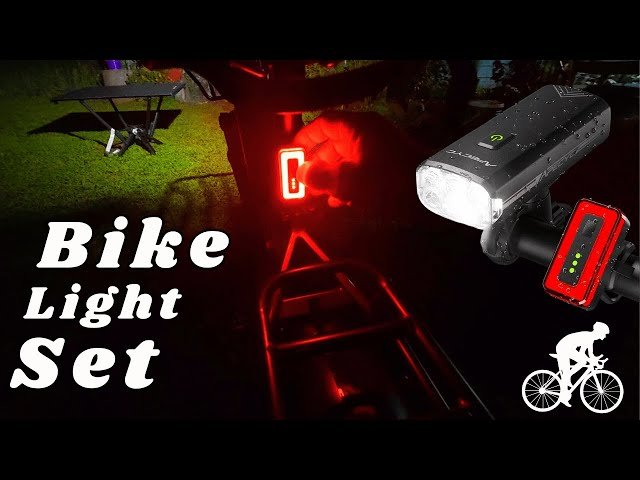
Bike lightshelp you see and be seen in the rain. They are essential for safety. Rain makes roads slippery and visibility poor. Lights make you more visible to others. This reduces accidents. Front lights help you see the path ahead. They light up obstacles and puddles. Rear lights alert drivers behind you. They signal your presence on the road.
Choose lights that are bright and waterproof. Bright lights cut through rain and fog. Waterproof lights last longer in wet conditions. Make sure your lights have fresh batteries. They should last for your whole ride. Always carry extra batteries. This is useful in case of emergencies.

Credit: www.youtube.com
Choosing The Right Bike Lights
Selecting durable bike lights ensures safety in heavy rain. Waterproof and bright lights increase visibility for cyclists and others. Always check battery life and secure attachment to stay prepared.
Lumens And Visibility
Bike lights help you see and be seen. Lumens measure light brightness. More lumens mean brighter lights. Choose lights with at least 500 lumens for good visibility. Bright lights keep you safe in heavy rain. Make sure the light covers a wide area. Wide beams help drivers see you better.
Waterproof Features
Rain can damage bike lights. Look for waterproof lights with an IP rating. IP ratings tell you how much water they can handle. IPX6 or IPX7 ratings are good for rain. Waterproof seals keep water out. Rubber covers protect buttons. Always check the light’s water resistance before buying.
Proper Installation Of Bike Lights
Place the front light on the bike’s handlebar. Ensure it faces straight ahead. This helps you see the road clearly. The rear light should be attached to the seat post. Aim it directly behind you. This makes you visible to cars and other riders.
The light angle is very important. Point the front light slightly downward. This avoids blinding other riders. Rear light should be at a horizontal angle. It should not tilt up or down. Check the position before riding. Make sure the lights are not loose. Tighten them securely.
Maintaining Visibility In Heavy Rain
Bike lights are essential for maintaining visibility in heavy rain. Bright LED lights help others see you clearly. Position lights to maximize visibility and reduce glare from rain.
Checking For Obstructions
Before riding, always check your bike lights for any obstructions. Raindrops or dirt can cover the light lens. This makes them less visible. Wipe the lenses with a soft cloth. Make sure they are clear and bright. Adjust the angle of your lights. They should point in the right direction. This ensures maximum visibility on the road.
Regular Cleaning
Clean your bike lights regularly to keep them shining bright. Use a damp cloth to wipe off dirt and grime. Avoid using harsh chemicals. They might damage the lights. Check for any cracks or damage. Replace any broken parts quickly. Keep spare batteries handy. You don’t want your lights to go out in the rain.
Additional Safety Measures
Ensure your bike lights are fully charged before heading out in heavy rain. Use waterproof lights for better safety and visibility. Adjust the angle of the lights to avoid blinding others.
Reflective Gear
Wearing reflective gearkeeps you visible in heavy rain. Reflective stickers on your helmet help too. A reflective vest can be a good choice. These items shine when light hits them. Cars can see you from far away. This is very important for safety. Always make sure your gear is clean. Dirt can cover the shiny parts.
Bright Clothing
Choose bright clothingto stand out in the rain. Yellow, orange, and red clothes are best. These colors are easy to see even in bad weather. Avoid dark colors like black or navy. They make you blend into the night. Bright clothes help drivers notice you faster. This can save you from accidents.

Credit: magicshine.com
Common Mistakes To Avoid
Ensure bike lights are waterproof to prevent damage in rain. Position lights correctly to maximize visibility. Avoid using blinking mode, as it can distract others and reduce effectiveness in heavy rain.
Using Dim Lights
Dim lights make it hard to see in the rain. Bright lights help others see you too. It’s important for safety. Always choose bright lights for rainy rides. They cut through rain and fog better. Invest in quality lights. It keeps you visible and safe.
Ignoring Battery Life
Batteries drain faster in the rain. This happens due to cold and wet conditions. Check your battery life before every ride. Carry a spare if possible. A dead light in rain is dangerous. Always ensure your lights are fully charged. This keeps you safe and visible.
Emergency Situations
Ensure bike lights are bright and waterproof during heavy rain. Position them to enhance visibility for safety. Regularly check batteries and function to maintain performance.
Handling Light Failures
If your bike light fails, don’t panic. Stop safely at the side. Check the batteries or connections. Carry spare batteries for emergencies. If no fix, use your phone light. Hold it steady to see the path. Always keep it dry.
Seeking Shelter
Heavy rain can be dangerous. Find a safe spot to wait. Look for a bus stop or a building entrance. Avoid trees during storms. Wait until the rain lessens. Use this time to check your bike lights. Make sure they work well before continuing.
Frequently Asked Questions
How To Bike To Work When It’s Raining?
Wear waterproof clothing and pack a change of clothes. Use fenders to prevent splashes. Equip your bike with bright lights for visibility. Keep essentials in a waterproof bag. Ride cautiously and brake early on wet surfaces.
Should You Use Headlights In Heavy Rain?
Yes, use headlights in heavy rain for better visibility. Headlights help you see the road clearly and allow other drivers to spot your vehicle easily. It’s crucial for safety during adverse weather conditions. Always ensure your headlights are functional before driving in rain.
How To Keep Rain Out Of Eyes When Cycling?
Wear a cycling cap under your helmet to shield your eyes from rain. Use clear or yellow-tinted glasses for visibility. Opt for a helmet with a visor to deflect rain. Applying anti-fog spray on glasses helps maintain clear vision. Adjust your cycling position to minimize rain exposure.
What Is The Rule For Bike Lights?
Cyclists must have a white light in the front and a red light at the rear during night rides. Lights should be visible from 500 feet. Reflectors are also required for safety. Ensure lights are properly maintained and functioning before each ride.
Check local regulations for specific requirements.
Conclusion
Bike lights keep you safe in heavy rain. Visibility matters. Choose waterproof lights. Ensure brightness to cut through mist. Attach securely. Test before heading out. Keep batteries charged. Don’t let rain stop your ride. Stay confident on the road. Safety first, always.
Riding in rain requires caution. Lights help drivers see you. Simple steps prevent accidents. Prepare well, enjoy the journey. Feel secure with good lights. Riding in rain can be fun. Just stay prepared. Remember, safety keeps cycling enjoyable. Happy pedaling!



