
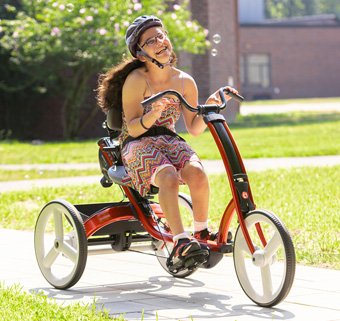
Are you looking for a powerful way to boost your recovery and regain strength? Adaptive bikes might be just what you need in your physiotherapy sessions.
These specially designed bikes help you move safely, improve your balance, and build endurance—no matter your current ability. You’ll discover simple steps to use adaptive bikes effectively and make the most out of your therapy. Keep reading, because what you learn here could transform your healing process and bring you closer to your goals faster than you imagined.
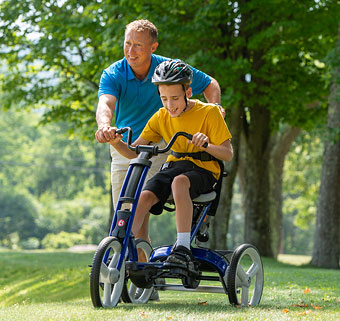
Credit: www.rifton.com
Benefits Of Adaptive Bikes
Adaptive bikes help people with physical challenges exercise safely. They support different body needs and improve therapy results.
Using adaptive bikes in physiotherapy can improve strength, heart health, and mood. These bikes fit individual abilities well.
Enhancing Muscle Strength
Adaptive bikes allow users to work their leg and core muscles. Regular cycling builds muscle tone and endurance.
Stronger muscles help with balance and daily activities. This leads to better independence and movement.
- Targets leg muscles like quadriceps and hamstrings
- Improves core stability and posture
- Supports gradual strength increase
Improving Cardiovascular Health
Adaptive biking raises heart rate safely. This helps strengthen the heart and lungs over time.
Better cardiovascular health means more energy and less fatigue. It also lowers risks of heart disease.
- Enhances blood circulation
- Boosts lung capacity
- Promotes healthy heart function
Boosting Mental Well-being
Riding adaptive bikes improves mood and reduces stress. Exercise releases endorphins that make people feel good.
It also builds confidence by showing progress in physical ability. This helps users stay motivated in therapy.
- Reduces anxiety and depression
- Increases self-esteem
- Encourages social interaction during group sessions
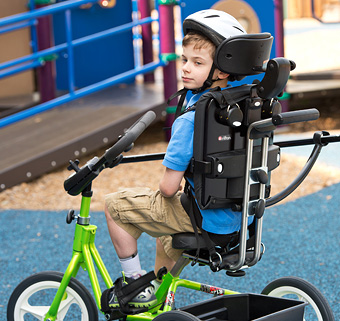
Credit: www.rifton.com
Choosing The Right Adaptive Bike
Adaptive bikes help people with different physical needs exercise and improve movement. Choosing the right bike is important for safety and comfort.
This guide explains types of adaptive bikes and key features. It also shows how to customize bikes for individual needs in physiotherapy.
Types Of Adaptive Bikes
Adaptive bikes come in many styles to fit different physical abilities. Each type supports specific therapy goals.
- Tricycles:Provide extra balance with three wheels. Good for stability and safety.
- Recumbent bikes:Have a reclined seat. Help with back support and reduce strain.
- Handcycles:Use hand pedals. Suitable for people with leg weakness or paralysis.
- Tandem bikes:Two-seat bikes for guided therapy sessions. Allow therapist to assist during exercise.
Key Features To Consider
Look for features that improve comfort, support, and ease of use. These help patients get the most from therapy.
- Adjustable seats and handlebars:Fit different body sizes and shapes.
- Supportive harnesses and straps:Keep the rider safe and stable.
- Easy controls:Simple brakes and pedals help users control the bike.
- Durable frame:Strong materials ensure long-lasting use.
- Lightweight design:Makes the bike easier to move and transport.
Customizing For Individual Needs
Each person needs different adjustments to get the best therapy results. Customizing the bike helps meet those needs.
Work with a therapist to set up the bike. Adjust seat height, pedal position, and support devices to fit the user’s body.
- Add extra cushions for comfort.
- Use special pedals or footrests for weak legs.
- Include arm supports for users with limited upper body strength.
- Adjust resistance levels to match the rider’s ability.
Incorporating Bikes Into Therapy Sessions
Adaptive bikes help patients improve movement and strength. They support different abilities and needs.
Therapists use these bikes to add variety and motivation during sessions. Bikes offer safe, controlled exercise.
Setting Realistic Goals
Setting clear, achievable goals guides therapy with adaptive bikes. Goals should match the patient’s ability.
Start with small targets. Gradually increase effort as the patient improves. This keeps patients motivated.
- Focus on improving range of motion
- Increase time spent pedaling
- Build muscle strength step-by-step
- Enhance coordination and balance
Designing Effective Workout Plans
Plan workouts to fit each patient’s needs using adaptive bikes. Include warm-up and cool-down times.
Balance intensity and rest periods. Use different speeds and resistance levels to challenge patients safely.
- Start with low resistance and short sessions
- Increase resistance as strength improves
- Use interval training to vary effort
- Include breaks to avoid fatigue
Monitoring Progress And Adjustments
Track patient progress regularly to see improvements. Adjust plans based on how the patient feels and performs.
Note changes in endurance, strength, and comfort. Make small changes to keep therapy effective and safe.
- Record session duration and resistance levels
- Ask patients about pain or discomfort
- Modify workout plans if needed
- Celebrate small achievements to encourage
Safety Measures And Precautions
Adaptive bikes help people in physiotherapy improve strength and balance. Safety is very important when using these bikes. Following the right measures reduces injury risks.
Careful setup and attention to the user’s needs make therapy safe and effective. This guide covers key safety points for using adaptive bikes.
Proper Bike Fit And Positioning
Adjust the bike to match the user’s body size and shape. Proper fit helps prevent strain and discomfort. Check the seat height, handlebar reach, and pedal position.
- Set the seat so feet rest flat on pedals without stretching.
- Keep the handlebars easy to reach without bending too much.
- Adjust pedals to avoid knee or ankle pain during motion.
- Ensure the user sits upright with good back support.
Avoiding Overexertion
Users should not push themselves too hard. Overexertion can cause fatigue, muscle strain, or injury. Watch for signs like heavy breathing or pain.
- Start with short sessions and low resistance.
- Increase time and effort slowly over days or weeks.
- Take breaks if the user feels tired or uncomfortable.
- Use a heart rate monitor if recommended by a therapist.
- Stop immediately if there is sharp pain or dizziness.
Handling Common Challenges
| Challenge | Precaution |
|---|---|
| Balance Issues | Use extra support like straps or trainers. |
| Muscle Weakness | Start with gentle pedals and increase gradually. |
| Joint Pain | Adjust bike setup and avoid overuse. |
| Fatigue | Schedule rest periods and watch exercise duration. |
Success Stories And Case Studies
Adaptive bikes help many people in physiotherapy. They support safe and effective exercise.
This section shares real examples of how adaptive bikes aid recovery and improve health.
Recovery From Stroke
Stroke patients use adaptive bikes to regain strength and balance. The bike’s design offers extra support.
One case showed a patient improving leg movement after weeks of regular biking sessions.
- Improves muscle control
- Boosts cardiovascular health
- Encourages active participation in therapy
Rehabilitation After Injury
Adaptive bikes help injured people rebuild strength safely. They allow gentle, controlled exercise.
A study showed patients with leg injuries regained mobility faster using these bikes.
- Supports low-impact movement
- Reduces risk of re-injury
- Improves joint flexibility
Managing Chronic Conditions
People with chronic illnesses use adaptive bikes to stay active and manage symptoms.
Case studies show better endurance and mood after regular biking sessions in therapy.
- Improves circulation
- Reduces fatigue
- Enhances mental well-being
Tips For Maximizing Recovery Speed
Adaptive bikes help improve movement and strength in physiotherapy. Using them right can speed up your recovery. Follow simple tips to get the best results.
These tips focus on making your therapy more effective. They cover how to use the bike often, combine it with other care, and stay healthy.
Consistency And Routine
Using the adaptive bike regularly helps your muscles get stronger. Make a schedule and stick to it every day or week. This builds good habits and improves progress.
Try to use the bike at the same time daily. Consistency helps your body learn and adapt faster. Keep track of your sessions to stay motivated.
- Set specific times for biking
- Start with short sessions, then increase
- Keep a recovery journal
- Rest well between sessions
Combining With Other Therapies
Adaptive biking works best with other treatments. Physical therapy, stretching, and massage can help your muscles heal. Talk to your therapist about adding these.
Using several therapies together makes your recovery stronger. Each therapy helps in a different way, so your body heals more fully and quickly.
- Pair biking with stretching exercises
- Use massage to relax muscles
- Follow your therapist’s advice
- Attend all therapy sessions
Nutrition And Hydration
Eating healthy foods gives your body energy to recover. Drink plenty of water to keep muscles working well. Good nutrition supports healing and strength.
Focus on balanced meals with protein, fruits, and vegetables. Avoid sugary drinks and junk food. Stay hydrated before and after using the bike.
- Eat lean proteins like chicken and beans
- Include fresh fruits and vegetables
- Drink at least 8 cups of water daily
- Limit caffeine and sugary drinks
Credit: www.rifton.com
Frequently Asked Questions
What Are Adaptive Bikes In Physiotherapy?
Adaptive bikes are specially designed bicycles that assist individuals with mobility challenges. They support physical therapy by improving strength, balance, and coordination during exercise.
How Do Adaptive Bikes Benefit Physiotherapy Patients?
They enhance muscle strength, increase joint flexibility, and improve cardiovascular health. Adaptive bikes also promote independence and motivation in rehabilitation sessions.
Who Can Use Adaptive Bikes In Physiotherapy?
Patients with neurological conditions, mobility impairments, or those recovering from injuries can benefit. Adaptive bikes are customizable to suit different therapy needs.
How To Properly Use Adaptive Bikes In Therapy Sessions?
Start with professional assessment and bike fitting. Use controlled, gradual exercise routines under therapist supervision for safety and effectiveness.
Conclusion
Adaptive bikes offer great benefits in physiotherapy. They help improve mobility. Patients gain strength and endurance. These bikes cater to individual needs. They support a variety of conditions. Therapists can easily adjust settings. This ensures patient comfort and safety. Adaptive bikes encourage regular exercise.
Motivation and engagement increase. They are a valuable tool in rehabilitation. Patients often experience faster recovery. Overall, using adaptive bikes is beneficial. It aids in effective physiotherapy sessions. Their role in therapy is undeniable. They contribute significantly to patient wellness.
Aiding in recovery and independence.



