
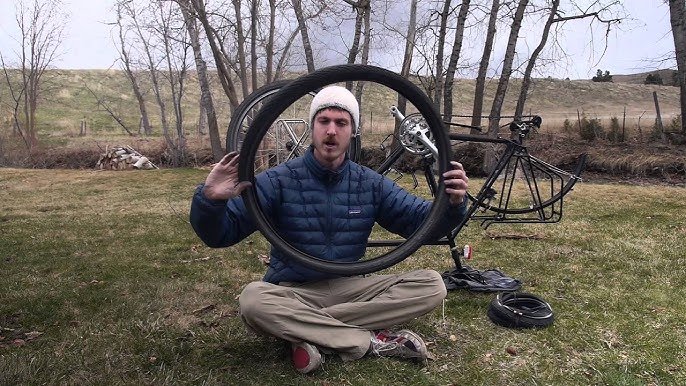
Imagine cruising down a scenic path, the wind in your hair, and suddenly, a sharp object punctures your tire. Frustrating, isn’t it?
But wait! What if you had a spare tire ready to roll? Traveling with spare bike tires can save your day—and your ride. You might wonder how you can effortlessly carry these lifesavers without turning your journey into a juggling act.
Well, this guide is tailored just for you! We’ll dive into practical tips and hacks to ensure you’re always prepared for the unexpected. Whether you’re a seasoned cyclist or a casual rider, understanding how to travel with spare bike tires can transform your biking adventures from potentially disastrous to delightfully smooth. Curious to learn how to make this part of your biking routine? Keep reading, and discover the secrets to worry-free cycling!

Credit: www.facebook.com
Packing Spare Bike Tires
Choose a tire that matches your bike. Check the size on the side of the tire. It usually shows numbers like 26×2.0. This means the diameter and width of the tire. Ensure the spare tire is the same size for a smooth ride.
Deflate the tire before packing it. This makes it smaller and easier to carry. Roll the tire tightly to save space. Secure it with a rubber band or a piece of string. Now it fits in your bag or backpack easily.

Credit: www.facebook.com
Storage Solutions
Tire bags are great for storing spare bike tires. They keep tires clean and safe. Bags protect from dirt and scratches. Choose bags that fit your tire size. Bags with handles are easy to carry. Look for bags with zippers or velcro closures. This keeps tires secure.
Pack spare tires carefully in your luggage. Use clothes to cushion tires. This prevents damage during travel. Place tires in the center of the suitcase. This helps balance the weight. Secure with straps if your luggage has them. This keeps tires from moving around. Always check luggage size before packing tires.
Transportation Methods
Traveling with spare bike tires requires careful packing to prevent damage. Use durable bags or wraps to protect tires. Secure tires in vehicle trunks or bike racks for safe transport.
Carrying On Public Transport
Bike tires can be tricky on buses and trains. Keep them clean and well packed. Use a durable bag for protection. Avoid rush hours to get more space. Ask the staff for permission if unsure. Some places have special rules for bikes. Follow them to avoid trouble.
Tips For Air Travel
Flying with bike tires needs careful planning. Check airline rules about tires. Some airlines allow bike tires as checked luggage. Use a sturdy box or bag. Pack tires securely to prevent damage. Remove air from tires if needed. Label your box with “fragile”. This helps handlers take care.
Maintenance On The Road
Traveling with spare bike tires ensures a smooth journey on the road. Pack them securely to prevent damage. Keep them accessible for quick replacements when needed.
Checking Tire Pressure
Ensure your spare bike tires are always ready. Use a simple pressure gauge. Check tire pressure regularly. Too low or too high can be dangerous. Proper pressure helps the bike ride smoothly. It’s important for safety and comfort. Keep a mini pump handy for adjustments.
Repair Kits To Carry
- Carry a small repair kit. It’s very useful.
- Include tire levers. They help remove the tire easily.
- Patch kits are essential for fixing punctures.
- Bring a multi-tool for quick fixes.
- Keep extra tubes. They save time and effort.
Safety Considerations
Securely pack spare bike tires to prevent damage during travel. Use sturdy bags or containers to avoid punctures. Ensure tires are clean to maintain bike performance and prevent dirt spread.
Avoiding Damage During Transit
Always keep your bike tires in a sturdy bag. This helps to prevent any scratches or dents. Use bubble wrap or foam padding for extra protection. Secure the tires tightly, so they don’t move around. Make sure the bag is properly labeled. This helps if it gets lost. Check the airline’s rules for carrying spare tires. Some airlines might have special requirements.
Handling Tires In Different Climates
Hot climates can make tires expand. Keep them in a cool, shaded place. Cold weather can make them shrink or crack. Store them in a warm spot if possible. Check tire pressure before and after travel. This ensures they are safe to use. Different climates need different care methods. Always be prepared for changes in weather.

Credit: www.facebook.com
Eco-friendly Disposal
Travel smart with spare bike tires by packing them in reusable bags. This helps in reducing waste. Choose eco-friendly disposal methods for old tires, ensuring minimal environmental impact.
Recycling Options
Recycling bike tires is a smart choice. Many local recycling centers accept them. Check if your area has one. Some bike shops also offer recycling programs. They often partner with tire recyclers. This helps reduce waste in landfills. Tires can be turned into new products. For example, playground surfaces or shoe soles. It’s a good way to help the planet. Always clean tires before recycling. Dirty tires might not be accepted.
Donating Used Tires
Donating used tires is another option. Some charities accept them. They use them for bike repair programs. This helps people in need. Schools might also accept tire donations. They can use them for art projects. Remember to check the tire’s condition. Only donate tires that are safe to use. It benefits both the community and the environment. Giving tires a second life is important.
Frequently Asked Questions
Can You Travel Far With A Spare Tire?
You shouldn’t travel far with a spare tire. They’re typically designed for short distances, around 50-70 miles. Always drive at reduced speeds, generally not exceeding 50 mph. Use the spare only as a temporary solution until you can replace or repair the original tire.
What Is The 50 50 Rule On Spare Tires?
The 50 50 rule suggests driving spare tires only up to 50 miles at speeds under 50 mph. This helps avoid potential damage and ensures safe driving. Always check tire condition and pressure before use. Replace spare tire with a regular one as soon as possible for optimal safety.
How To Fold Bike Tires For Storage?
Deflate the tire completely. Hold the tire’s edges together. Twist it into a figure-eight shape. Fold the figure-eight in half. Secure it with a rubber band or string for compact storage.
Do You Need To Deflate Tyres When Flying?
Deflating tyres is not necessary for flying. Aircraft tyres are designed to handle high altitudes and pressure changes. Ensure tyres are properly inflated according to manufacturer specifications for safe landings and take-offs. Always check tyre pressure regularly for optimal performance and safety.
Conclusion
Traveling with spare bike tires is simple with these tips. Plan carefully and choose the right tires. Keep them secure during your journey. Protect them from damage and weather. Always check airline regulations if flying. Packing smart saves space and hassle.
A little preparation goes a long way. It ensures a smooth biking adventure. Now, you can focus on enjoying the ride. Safe travels and happy cycling!



