
Traveling internationally with your bikepacking bike can open up a world of adventure, but it also brings a unique set of challenges. You might be wondering how to pack your bike safely, deal with airline rules, or make sure your gear arrives intact.
This guide will walk you through everything you need to know, step by step, so you can focus on the excitement ahead rather than the stress of logistics. Ready to make your next trip smooth and worry-free? Let’s dive in and get your bike ready for the journey.
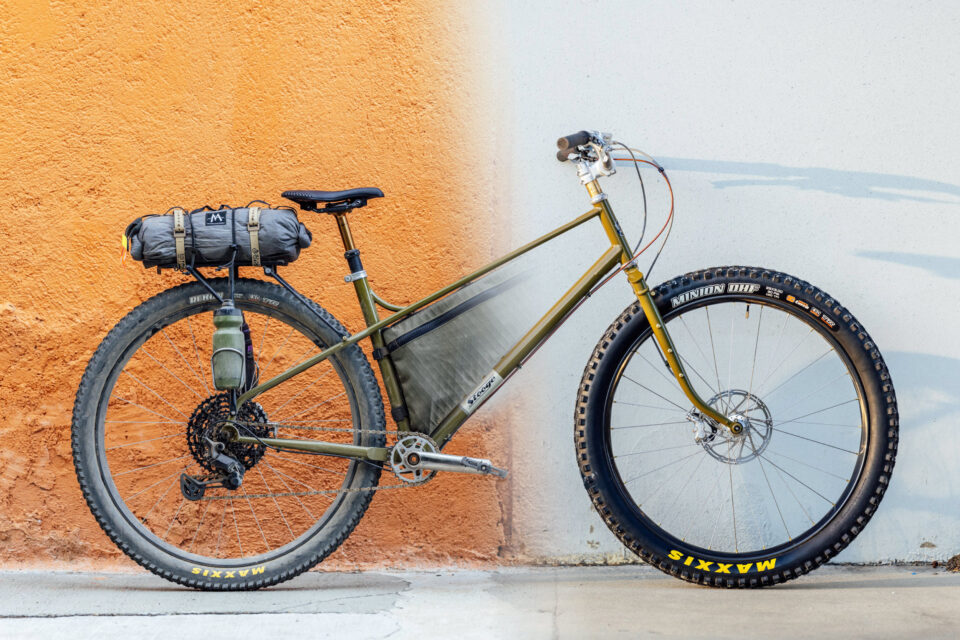
Credit: bikepacking.com
Choosing The Right Bikepacking Bike
Picking the right bike is key for your international bikepacking trip. Your bike should be strong and fit your travel needs.
Think about where you will ride and how much gear you will carry. This helps you find the best bike for your adventure.
Frame Material And Design
Frame material affects weight, strength, and comfort. Steel frames are strong and easy to repair. Aluminum frames are light and stiff. Carbon frames are light but can be fragile.
- Steel: durable, repairable, heavier
- Aluminum: light, stiff, less comfortable
- Carbon: very light, expensive, fragile
Tire Selection And Compatibility
Choose tires that match your route and bike frame. Wider tires give comfort and grip on rough roads. Narrow tires are faster on smooth roads. Check your frame clearance before buying tires.
| Tire Type | Best Use | Frame Clearance Needed |
| Wide (2.0″ – 2.5″) | Off-road, gravel | High |
| Medium (1.5″ – 2.0″) | Mixed terrain | Medium |
| Narrow (1.0″ – 1.5″) | Paved roads | Low |
Gear Systems And Components
Your gear system controls how easy it is to pedal uphill or fast on flat roads. Single chainring setups are simple and light. Double or triple chainrings offer more gear choices but add weight.
- Single chainring: fewer parts, easy maintenance
- Double chainring: good range, moderate complexity
- Triple chainring: widest range, more weight
- Choose reliable brakes for safety and control
- Pick strong racks and mounts for your bags
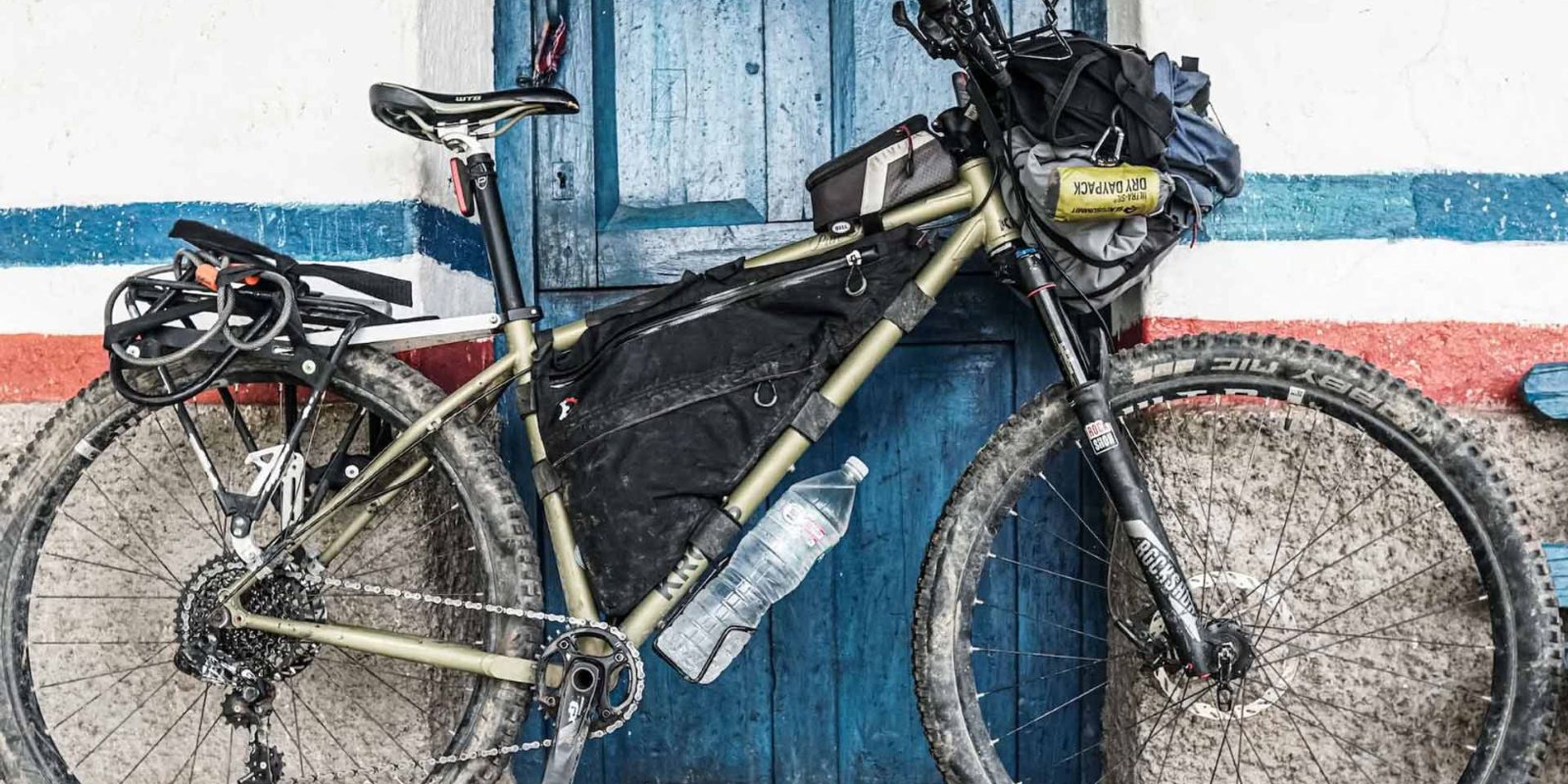
Credit: www.calltoadventure.uk
Preparing Your Bike For Travel
Traveling internationally with a bikepacking bike needs careful preparation. Protecting your bike parts keeps them safe during trips.
This guide helps you pack and secure your bike for smooth travel.
Packing And Protecting The Frame
Start by cleaning your bike frame to remove dirt. Use bubble wrap or foam to cover the frame. Protect sharp edges with extra padding. A hard case or a sturdy bike bag offers the best protection.
Handling Wheels And Tires
Remove the wheels to reduce space and prevent damage. Deflate tires slightly to avoid pressure issues. Use rim protectors to keep wheels safe. Place wheels in a separate bag or compartment.
- Remove quick-release skewers or axle nuts
- Use spoke protectors to prevent damage
- Wrap tires with foam or bubble wrap
- Label wheels to match front or rear positions
Detaching And Securing Accessories
Take off all removable accessories before packing. This includes bottles, pumps, lights, and bags. Store small parts in labeled bags to avoid loss. Secure loose cables and brake levers to prevent bending.
| Accessory | Action |
| Water Bottles | Remove and pack separately |
| Bike Pump | Detach and wrap carefully |
| Lights | Remove batteries and store safely |
| Handlebar Bag | Empty and secure inside luggage |
Packing Gear Efficiently
Packing gear for international bikepacking trips needs care. Efficient packing helps balance and saves space.
Good organization makes travel easier and your ride safer. Focus on choosing the right bags and placing items wisely.
Selecting Essential Bikepacking Bags
Choose bags that fit your bike and trip length. Use waterproof and durable bags to protect your gear.
- Frame bags for tools and heavy items
- Handlebar bags for sleeping gear or clothes
- Saddle bags for clothes or food
- Top tube bags for small items and snacks
Distributing Weight Properly
Keep heavy items close to the bike’s center to improve balance. Avoid putting too much weight on one side.
| Bag Location | Recommended Items | Weight Tips |
| Frame Bag | Tools, spare parts, heavy items | Place heaviest gear here |
| Handlebar Bag | Sleeping bag, clothes | Distribute weight evenly |
| Saddle Bag | Clothes, food | Keep weight moderate |
| Top Tube Bag | Snacks, phone, wallet | Lightweight items only |
Organizing Tools And Spare Parts
Keep tools and spare parts easy to find. Use small bags or cases to avoid clutter.
- Pack tire levers and patch kits together
- Use a small pouch for multi-tools and wrenches
- Wrap spare tubes in plastic to keep clean
- Label bags to find items quickly
Navigating Airline And Shipping Policies
Traveling internationally with a bikepacking bike needs special planning. Airlines and shipping companies have strict rules for bike transport.
Knowing these rules helps avoid extra fees and damage. This guide explains key points about airline policies and shipping options.
Airline Bike Transport Rules
Each airline sets its own rules for carrying bikes. Weight limits, size rules, and packing instructions vary widely.
- Check the airline website before booking your flight.
- Confirm allowed bike weight and dimensions.
- Learn about any special fees for bike transport.
- Understand if you must disassemble your bike.
- Find out if bike bags or boxes are required.
Choosing Between Checked And Oversized Baggage
Decide if you want to check your bike as regular baggage or oversized. Each option has pros and cons.
| Option | Details | Considerations |
| Checked Baggage | Bike counts as part of your luggage allowance. | Usually cheaper, but size limits apply. |
| Oversized Baggage | Bike handled separately due to size. | May cost more, needs special handling. |
Using Bike Boxes And Cases
Protect your bike with the right box or case. Proper packing reduces damage risks during travel.
- Hard cases offer the best protection but weigh more.
- Soft bike bags are lighter and easier to carry.
- Check if your airline requires a specific type of case.
- Use foam or bubble wrap inside to protect parts.
- Label your case with your contact details.
Customs And Import Regulations
Traveling internationally with a bikepacking bike requires careful attention to customs rules. Each country has its own laws about bringing in bicycles and gear.
Understanding customs and import regulations helps avoid delays and extra fees at the border.
Documentation And Declarations
Prepare all necessary documents before your trip. Customs officers often ask for proof of ownership and purchase.
- Carry your bike’s receipt or invoice
- Have a passport or ID ready
- Fill out customs declaration forms honestly
- Declare any expensive gear separately
- Check if your destination country requires specific forms
Temporary Import Permits
Some countries require a temporary import permit for your bike. This lets you bring the bike in without paying import taxes.
| Country | Permit Needed | Validity Period |
| Country A | Yes | 3 months |
| Country B | No | Not applicable |
| Country C | Yes | 6 months |
Avoiding Common Customs Issues
Customs problems can ruin your trip. Learn how to avoid common mistakes that cause delays.
- Do not hide your bike or gear in luggage
- Answer all customs questions clearly and politely
- Keep your bike clean to prevent quarantine issues
- Check airline rules for bike transport before flying
- Declare any spare parts or tools you carry

Credit: www.treelinereview.com
On-the-go Maintenance And Repairs
Traveling internationally with a bikepacking bike requires some basic bike care knowledge. Keeping your bike in good shape helps avoid delays on your trip.
Knowing how to fix small problems and having the right tools will save you time and stress on the road.
Essential Tools To Carry
Carry a few key tools to handle most repairs and maintenance tasks while traveling. These tools keep your bike ready for the next ride.
- Multi-tool with Allen wrenches and screwdrivers
- Patch kit and spare inner tubes
- Mini pump or CO2 inflator
- Chain breaker tool
- Tire levers
- Lubricant for the chain
- Spare quick links or chain pins
- Cable ties and duct tape for temporary fixes
Fixing Common Bike Issues
Some bike problems happen often during travel. Knowing quick fixes can keep you moving without a long stop.
| Issue | Cause | Quick Fix |
| Flat Tire | Puncture or pinch | Use patch kit or replace tube |
| Chain Slip | Worn chain or cassette | Clean and lubricate chain; replace if needed |
| Brake Noise | Dirty pads or misalignment | Clean pads and adjust brake calipers |
| Loose Bolts | Vibration during rides | Tighten bolts with the right wrench |
| Gear Shifting Issues | Misaligned derailleur | Adjust derailleur screws or cable tension |
Finding Local Bike Shops
Local bike shops are great for help with repairs you cannot do yourself. They also offer parts and advice for your bike.
To find a bike shop:
- Search online maps using keywords like “bike shop” or “bicycle repair”.
- Ask locals or other cyclists for recommendations.
- Check community boards or cycling groups online.
Keep a list of shops along your route for emergencies. Visit shops early in the day to avoid long waits.
Safety And Security Tips
Traveling internationally with a bikepacking bike needs good safety plans. Protecting your bike keeps your trip smooth and fun.
Use smart steps to lock, insure, and guard your bike. This helps avoid stress and losses during travel.
Locking And Storing Your Bike
Always lock your bike with strong locks when not riding. Choose safe places to store it overnight or during stops.
Use a U-lock combined with a cable lock to secure wheels and frame. Lock your bike to a fixed object that cannot be moved.
- Pick well-lit, busy areas for parking
- Store your bike indoors if possible
- Remove or secure quick-release parts
- Cover your bike to avoid drawing attention
Insurance Options
Get insurance that covers your bike during international travel. This protects against theft, damage, and loss.
Check if your travel or home insurance covers your bike. If not, find special bike insurance for trips abroad.
- Look for policies that cover theft and accidents
- Compare prices and coverage limits
- Keep a copy of your bike’s receipt and photos
- Declare your bike’s value honestly
Protecting Against Theft
Be aware of theft risks in each country you visit. Stay alert and avoid leaving your bike unattended for long periods.
Use extra security tools like GPS trackers or alarms. Register your bike with local or online databases to help recovery if stolen.
- Keep your bike close in crowded places
- Use multiple locks to slow thieves down
- Note serial numbers and unique features
- Join local cycling groups for tips and help
Adapting To Different Terrains And Climates
Traveling internationally with a bikepacking bike means facing many terrains. You will also deal with changing weather and climates. Preparing well helps you enjoy the ride and stay safe.
Knowing how to adjust your bike and gear is key. This guide covers tire pressure, clothing, and route planning for smooth travel.
Adjusting Tire Pressure
Different surfaces need different tire pressures. Lower pressure helps on soft or rough ground. Higher pressure works better on smooth roads. Check your tire pressure often and adjust as needed.
| Terrain | Recommended Tire Pressure (psi) |
| Gravel or dirt roads | 30-40 |
| Paved roads | 50-70 |
| Sand or mud | 20-30 |
| Rocky trails | 35-45 |
Clothing And Gear For Weather
Dress in layers to handle temperature changes. Waterproof jackets keep you dry in rain. Breathable fabrics stop sweat build-up. Pack gloves and hats for cold weather. Sunglasses and sunscreen protect you from sun.
- Lightweight base layer for moisture control
- Insulating mid-layer for warmth
- Waterproof outer layer for rain and wind
- Comfortable gloves and hats
- Sun protection gear
Planning Routes And Stops
Plan your route to match your bike’s strengths and your stamina. Look for places to rest and refill water. Check weather forecasts to avoid tough conditions. Choose roads with good surface quality for long rides.
- Research terrain types along your route
- Mark water and food stops on your map
- Check weather updates daily
- Adjust daily distance based on conditions
- Have backup routes in case of closures
Frequently Asked Questions
How Do I Pack A Bikepacking Bike For Air Travel?
Disassemble key parts like pedals and handlebars for compact packing. Use a sturdy bike bag or box with padding. Label fragile areas clearly. Remove batteries from electronic accessories. Check airline rules for bike transport to avoid extra fees.
What Are Airline Rules For Traveling With A Bikepacking Bike?
Most airlines treat bikes as oversized baggage with extra fees. Weight and size limits vary, so check your airline’s policy. Some require advance notice and special packing. Always confirm rules before booking to avoid surprises at the airport.
Can I Bring A Bikepacking Bike As Carry-on Luggage?
No, bikepacking bikes are too large for carry-on. They must be checked in as oversized or special baggage. Proper packing and labeling are essential to protect your bike during handling and transport.
How To Protect My Bikepacking Bike From Damage During Flights?
Use a hard case or padded bike bag for protection. Remove or secure loose parts. Use bubble wrap or foam for extra cushioning. Clearly label the package as fragile. Insure your bike for added security against damage or loss.
Conclusion
Traveling internationally with a bikepacking bike can be easy and fun. Plan your route and check airline policies ahead of time. Pack light and choose durable gear for your journey. Secure your bike in a sturdy travel bag or box.
Arrive at the airport early to handle any unforeseen issues. Enjoy the adventure and immerse yourself in new cultures. Every trip offers unique experiences and memorable moments. With these tips, you can explore the world on two wheels confidently. Embrace the journey, and let the road guide you to new horizons.
Safe travels!



