
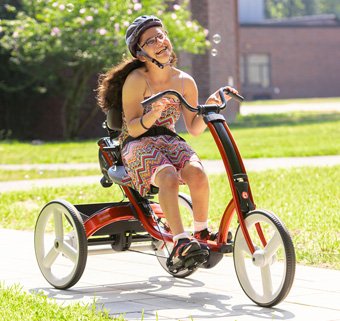
Transporting your adaptive tricycle can feel tricky, but it doesn’t have to be. Whether you’re heading to a park, school, or a friend’s house, making sure your trike arrives safe and sound is key.
You want a smooth, hassle-free trip every time. You’ll discover simple, effective ways to move your adaptive tricycle without damage or stress. Keep reading to learn how to protect your investment and enjoy every ride, wherever you go.

Credit: www.rifton.com
Choosing The Right Transport Method
Transporting adaptive tricycles needs careful planning. You must pick a method that keeps the tricycle safe and easy to move. Different ways work better for different vehicles and distances.
This guide covers three common transport choices. Learn what fits your needs and your vehicle best.
Carrying Vs. Trailer Options
Carrying an adaptive tricycle by hand is best for short distances. Trailers offer a bigger space for longer trips or heavier models. Each option has pros and cons.
- Carrying:Easy for light tricycles and short trips.
- Trailers:Good for heavy or multiple tricycles.
- Space:Trailers need extra parking and storage space.
- Setup:Carrying needs no equipment; trailers require hitch and setup.
Using Roof Racks
Roof racks hold the tricycle on top of the vehicle. This saves inside space and works well for medium-weight tricycles. You need straps or mounts to keep it secure.
| Benefit | Consideration |
| Saves inside space | Can raise vehicle height |
| Good for medium weight | Needs proper mounting gear |
| Easy access from sides | May affect fuel economy |
Inside Vehicle Transport
Placing the adaptive tricycle inside the vehicle protects it from weather. This method is best for smaller tricycles or vans with enough space. You may need to fold or remove parts to fit.
- Check vehicle space before loading
- Use straps to prevent movement
- Remove or fold parts to save space
- Protect seats and interior from damage

Credit: www.utahtrikes.com
Preparing The Tricycle For Travel
Transporting an adaptive tricycle safely requires careful preparation. Taking time to ready the tricycle helps prevent damage.
Follow simple steps to get the tricycle ready for travel. This guide covers cleaning, securing accessories, and adjusting parts.
Cleaning And Inspecting
Clean the tricycle before transport to remove dirt and debris. This protects the frame and parts during travel.
Inspect the tricycle carefully. Look for loose bolts, damaged parts, or worn tires that need fixing.
- Wipe down the frame with a damp cloth
- Check tires for proper inflation and damage
- Ensure all bolts and screws are tight
- Look over the brakes and chain for wear
Removing Or Securing Accessories
Remove loose accessories like bags or water bottles to avoid loss. Secure any parts that cannot be removed.
Use straps or padding to keep items from moving during transport. This prevents scratches and damage.
- Take off detachable baskets and bags
- Wrap mirrors or lights with soft cloth
- Use bungee cords to hold accessories in place
- Double-check that all items are secure
Adjusting Seating And Handlebars
Adjust the seat and handlebars to their lowest positions. This makes the tricycle easier to fit in transport space.
Lock all adjustment points to prevent movement. This keeps settings stable and protects the tricycle.
- Lower the seat as much as possible
- Turn handlebars sideways if needed
- Tighten all adjustment knobs and screws
- Check that nothing shifts after adjustments
Securing The Tricycle Safely
Transporting an adaptive tricycle needs care and attention. The tricycle must stay safe and stable during travel.
This guide explains how to secure the tricycle properly. Follow these tips to protect your equipment.
Using Straps And Tie-downs
Straps and tie-downs hold the tricycle firmly in place. Use strong straps that do not stretch easily.
Attach straps to solid parts of the tricycle. Avoid putting pressure on delicate areas or joints.
- Use ratchet straps or cam buckle straps
- Secure the tricycle to the vehicle floor or anchor points
- Tighten straps enough to prevent movement but not damage
Protecting Fragile Parts
Fragile parts need extra protection during transit. Wrap sensitive areas with soft materials.
Use foam, bubble wrap, or blankets to cover handlebars, seats, and pedals.
- Cushion sharp edges and moving parts
- Cover electronic components carefully
- Check all covers stay in place during transport
Preventing Movement During Transit
Stopping the tricycle from moving keeps it safe. Place blocks or wedges around the wheels to limit rolling.
Lock the wheels if possible. Double-check straps and supports after loading.
- Use wheel chocks or foam blocks
- Secure loose parts before travel
- Inspect the tricycle regularly during long trips
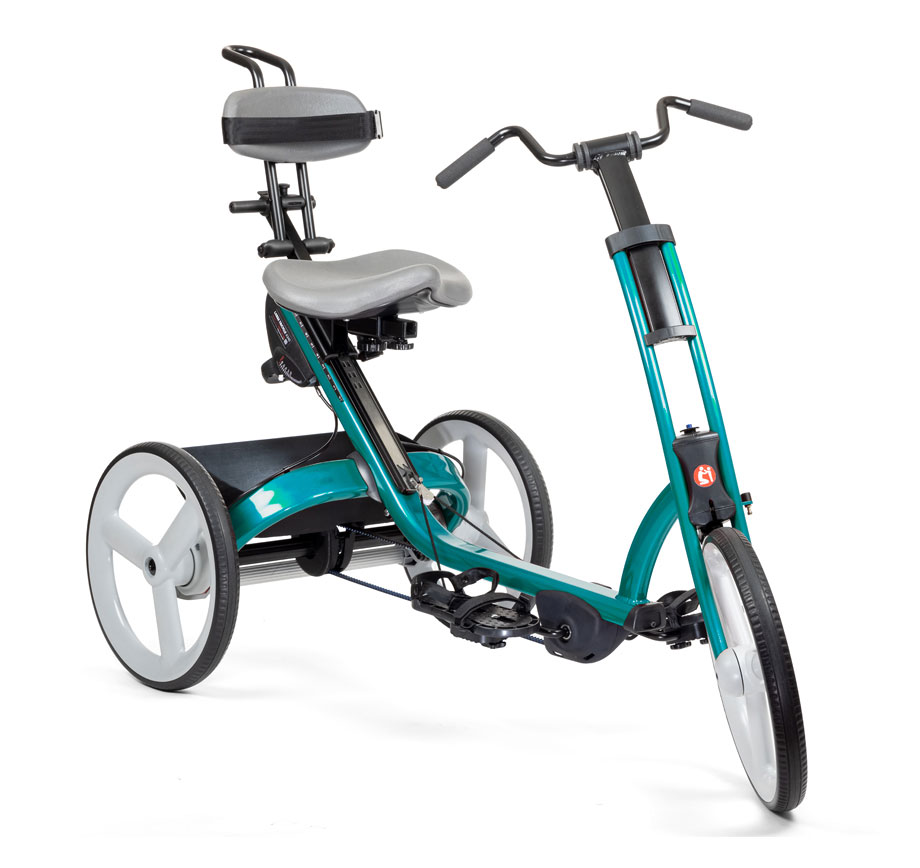
Credit: www.rifton.com
Loading And Unloading Tips
Transporting adaptive tricycles safely requires care and the right methods. Proper loading and unloading help prevent injury and damage.
Use the correct tools and techniques to move the tricycles easily and securely.
Proper Lifting Techniques
Lift the tricycle using your legs, not your back. Keep your back straight and bend your knees. Hold the tricycle close to your body to keep balance.
- Stand close to the tricycle with feet shoulder-width apart.
- Bend your knees and keep your back straight.
- Grip the frame firmly and lift slowly.
- Keep the load close to your body while moving.
- Set the tricycle down gently using your legs.
Using Ramps Or Lifts
Ramps and lifts make loading easier and safer. Use sturdy ramps that fit your vehicle and the tricycle size. Check the ramp angle to avoid slipping.
Lifts can be electric or manual. Make sure the lift can hold the tricycle’s weight. Secure the tricycle on the lift before raising or lowering it.
- Choose ramps with non-slip surfaces.
- Ensure ramps or lifts are stable and secure.
- Move the tricycle slowly up or down the ramp.
- Ask for help if the tricycle is heavy.
- Use straps to hold the tricycle in place during transport.
Avoiding Damage
| Risk | Prevention Tips |
|---|---|
| Scratches | Cover sharp edges and use soft padding. |
| Frame bending | Lift evenly and avoid dropping the tricycle. |
| Tire damage | Keep tires inflated and avoid rough surfaces. |
| Loose parts | Check all bolts and tighten before transport. |
Traveling With Adaptive Equipment
Traveling with an adaptive tricycle needs careful planning. It helps keep the equipment safe and ready to use.
Make sure you know how to pack, handle batteries, and plan breaks. This will make your trip smoother.
Managing Batteries And Electronics
Adaptive tricycles often have batteries and electronic parts. These need special care during travel.
Remove batteries if possible and pack them separately. Keep them cool and dry to avoid damage.
- Use original battery cases or protective covers
- Keep batteries away from metal objects
- Charge batteries before travel but avoid full charge for long trips
- Check airline rules if flying with batteries
Packing Spare Parts And Tools
Bring extra parts and tools for small repairs. This helps fix problems quickly on the road.
Pack common spare parts like tires, tubes, and nuts. Also bring tools like wrenches and screwdrivers.
- Spare tires and inner tubes
- Multi-tool with screwdrivers and wrenches
- Extra bolts and nuts
- Lubricant for chains and moving parts
Planning For Breaks And Maintenance
Plan regular stops to rest and check your tricycle. This keeps the equipment in good shape.
Look for safe places to park and do quick maintenance. Clean dirt and check tire pressure often.
- Stop every few hours to inspect the tricycle
- Check tire pressure and brakes
- Clean any dirt or debris from moving parts
- Adjust seat or handlebars if needed
Common Challenges And Solutions
Transporting adaptive tricycles can be tricky. These bikes are bigger and need special care.
Knowing how to handle common problems helps keep the rider safe and happy.
Dealing With Weather Conditions
Weather can change quickly and affect transport. Rain or strong wind can make loading hard.
Protect the tricycle with covers or tarps. Secure it well to stop it from moving.
- Use waterproof covers to keep the tricycle dry
- Check weather forecast before transport
- Secure the tricycle with strong straps
- Avoid transport in extreme weather if possible
Handling Unexpected Delays
Delays can happen during transport. Traffic or mechanical issues slow down the trip.
Plan extra time and have backup options. Keep the rider informed to reduce stress.
- Allow extra time for loading and unloading
- Have a backup route ready
- Carry basic tools for quick fixes
- Communicate delay updates to the rider
Ensuring Comfort For The Rider
Riders need comfort during transport. Proper support helps them stay safe and calm.
Use cushions and straps that fit well. Check the rider’s position often during stops.
- Use padded supports to avoid pressure points
- Secure the rider with adjustable straps
- Keep the tricycle stable during transport
- Take breaks to check on the rider’s comfort
Frequently Asked Questions
How Do I Safely Load An Adaptive Tricycle?
Use ramps or lifts to avoid damage. Secure the tricycle with straps to prevent movement during transport. Always check the stability before driving.
What Vehicle Is Best For Transporting Adaptive Tricycles?
Vans, SUVs, or trucks with large cargo spaces work best. Ensure the vehicle has a flat surface and tie-down points for secure transport.
Can Adaptive Tricycles Be Disassembled For Easier Transport?
Yes, many models allow partial disassembly. Remove pedals, seats, or wheels to save space and protect delicate parts during transport.
How To Protect Adaptive Tricycles During Long-distance Transport?
Cover the tricycle with a protective tarp or blanket. Use padding around sensitive parts. Check straps regularly to maintain tightness.
Conclusion
Transporting adaptive tricycles can be simple with these steps. Measure your tricycle to ensure it fits your vehicle. Consider disassembling parts for easier transport. Use protective covers to prevent damage. Secure the tricycle properly to avoid movement during transit. Check everything before you start your journey.
This careful approach keeps your tricycle safe. Enjoy peace of mind while traveling. Adaptive tricycles provide freedom and fun. With proper transport, they can go anywhere you do.



