
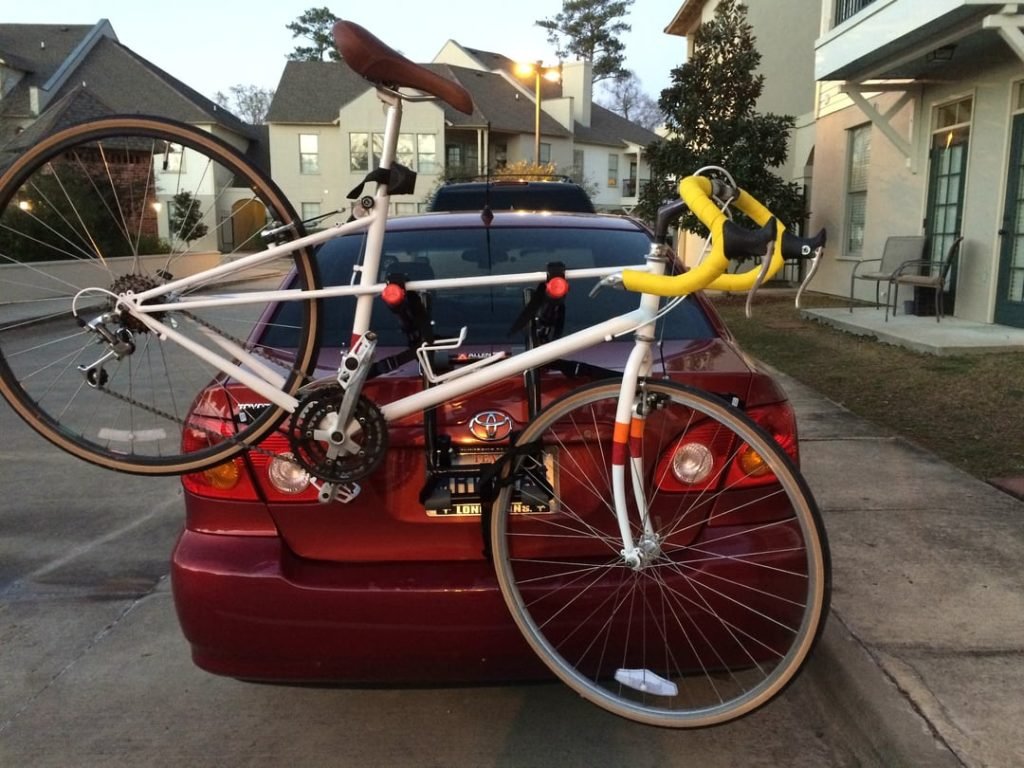
Transporting your road bike on a car might seem like a daunting task, but it doesn’t have to be. Whether you’re gearing up for a weekend getaway or headed to a thrilling race, ensuring your bike arrives safely is crucial.
You want your prized possession to remain in pristine condition, ready to hit the road as soon as you reach your destination. Imagine the peace of mind you’ll have, knowing that your bike is securely mounted and protected during the journey.
In this guide, we’ll explore simple, effective methods to transport your road bike without a hitch. You’ll discover tips and tricks that not only safeguard your bike but also make the process hassle-free. Ready to learn how to travel with your bike like a pro? Let’s dive in!
Credit: www.vevor.com
Choosing The Right Bike Rack
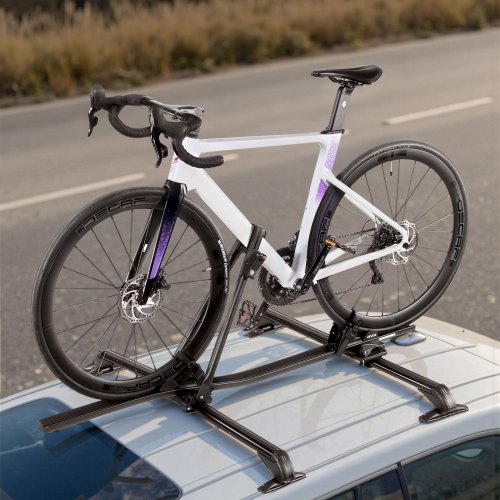
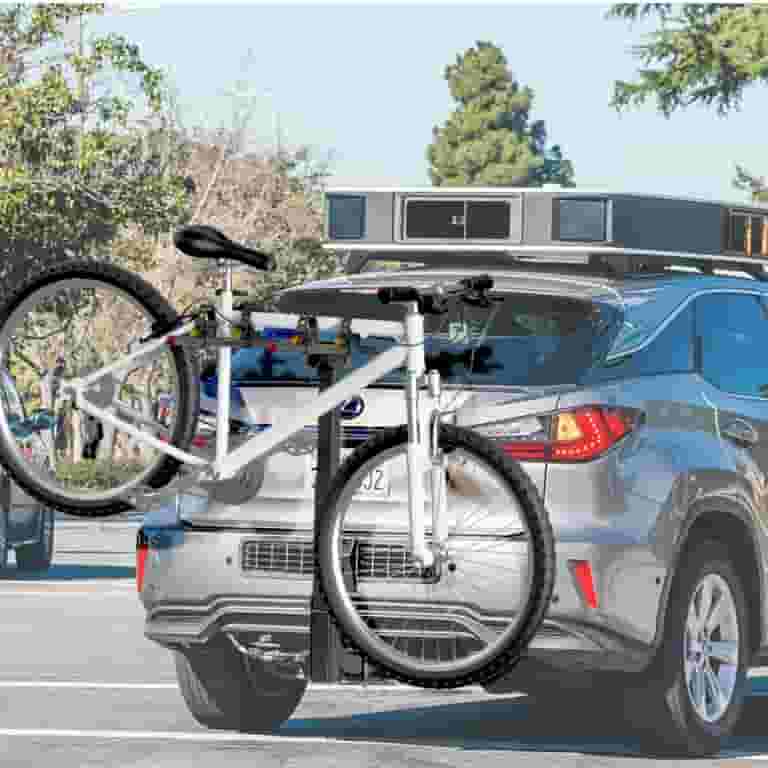
Several types of bike racksare available for cars. Roof racks hold the bike on top. Trunk racks attach to the back of the car. Hitch racks connect to the vehicle’s hitch receiver. Each type has its pros and cons. Roof racks are stable but hard to reach. Trunk racks are easy to install but might block the view. Hitch racks are simple to use but require a hitch. Choose the right one based on your needs.
Not all racks fit every car. Check the vehicle’s manualfor compatibility details. Roof racks need a strong roof. Trunk racks need a flat back. Hitch racks need a hitch receiver. Measure the car to ensure a proper fit. Some racks are adjustable. Others are fixed size. Always confirm the rack can support the bike’s weight. This ensures safe transport.
Preparing Your Bike For Transport
Secure your road bike on a car with a sturdy bike rack. Remove loose items and deflate tires slightly for a snug fit. Ensure everything is tightly fastened to prevent damage during transport.
Cleaning And Maintenance
Start by cleaning your bike. Remove dirt and mud from the frame. A clean bike is easier to inspect for problems. Check the brakes and gears. Ensure they work smoothly. Lubricate the chain to prevent rust. Clean bikes are safer for transport.
Securing Loose Parts
Identify any loose parts on your bike. Secure the handlebars and pedals. Use tape or zip ties for small parts. Ensure the seat is tight. Remove any fragile accessories. Keep them safe inside the car. Loose parts can cause damage while driving.
Installing The Bike Rack
Assemble the bike rack by following the instructionsprovided. Ensure all parts are securely fittedtogether. It’s important to use the right tools for assembly. Check each part for any visible damageor wear. Tighten all screws and bolts firmly. Keep the rack balanced while assembling. Make sure it is levelonce installed. Ask an adult for help if needed.
Rack Assembly Guide
Read the guide to understand each stepclearly. Lay out all the parts before starting. Use the guide to check part numbers. Attach pieces in the correct order. A wrong step can cause problemslater. Double-check each connection after assembly. Make sure no partsare missing. A complete set is important for safety.
Safety Checks Before Loading
- Ensure the rack is tightenedto the car.
- Check for any looseparts.
- Inspect the rack for damage.
- Verify all locks are secure.
- Confirm the bike fits properlyon the rack.
- Test the setup by shaking the rack gently.
- Ensure the bike doesn’t swayor move.
Credit: www.seasucker.com
Loading The Bike Onto The Rack
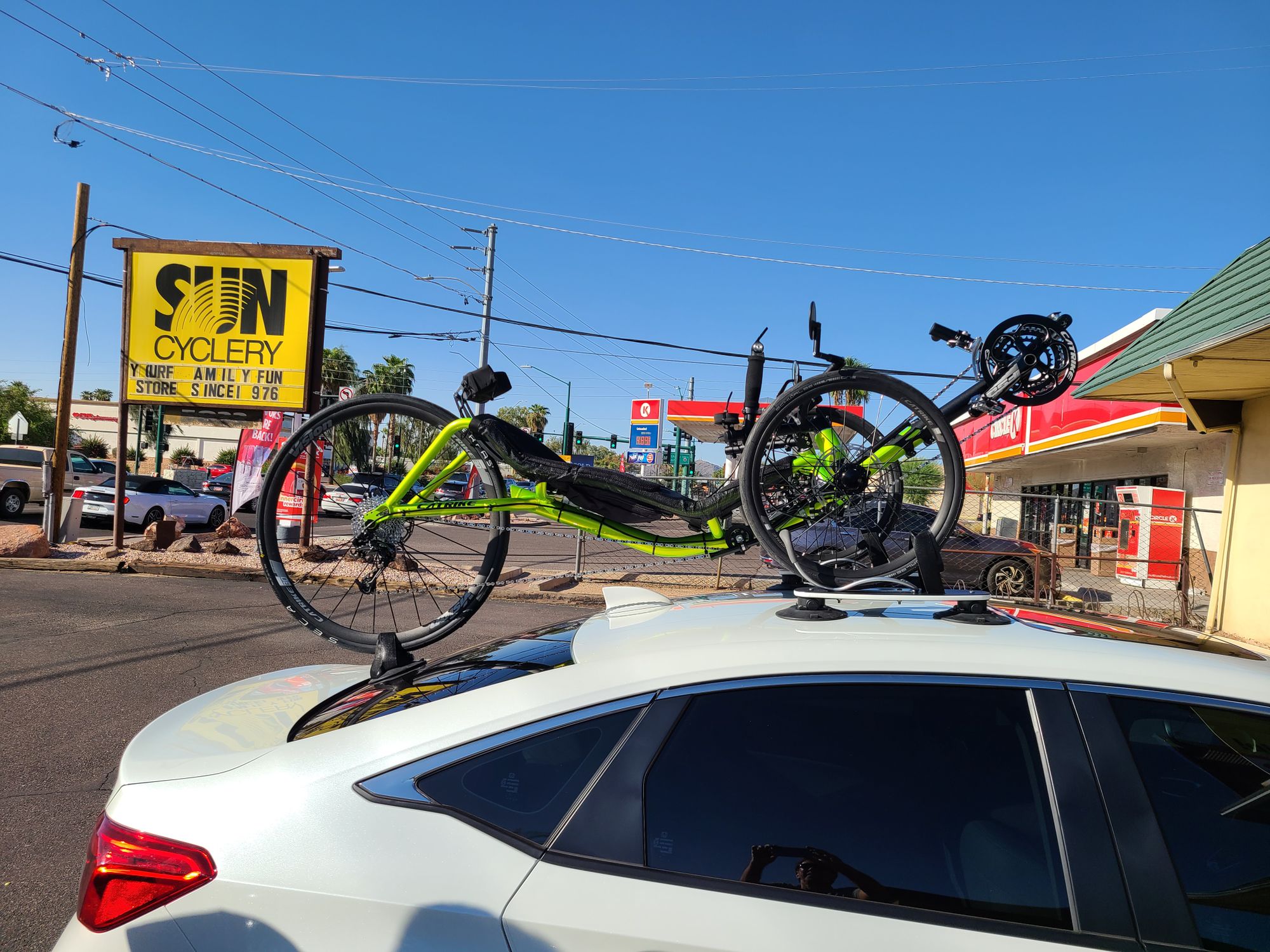
Secure the road bike by aligning its frame with the rack’s arms. Fasten the straps tightly to prevent movement. Ensure both wheels are stable before driving.
Positioning The Bike
Place the bike carefully on the rack. Make sure the front wheel is straight. Align the bike frame with the rack arms. This helps in balancing the bike. Check that the pedals are not touching the car. Keep the chain side away from the car. This avoids scratches. Adjust the bike to prevent movement during transport.
Securing The Bike
Use straps to hold the bike tight. Secure the frame first. Tighten the straps around the wheels. Make sure the bike does not wobble. Check each strap twice to ensure safety. Use extra straps if needed for more security. Ensure all parts are locked in place. The bike should not move at all. Recheck before driving away.
Driving With A Bike Rack
Driving with a bike rack requires extra care. Always keep your speed moderate. Sudden stops can be dangerous. Maintain a safe distance from the car ahead. This prevents sudden braking. Avoid sharp turns; they can cause swaying. Check mirrors often to ensure the bike is secure. Smooth roads are better for bike transport. Bumpy roads may cause the rack to shake.
Regularly check the bike rack during trips. Ensure straps are tight. Loose straps can cause the bike to fall. Stop and inspect if you hear unusual noises. Listen for rattling sounds. They can indicate a problem. Check the bike’s position. It should remain steady and upright. Secure any loose parts before continuing the journey. This keeps your bike safe and prevents damage.
Credit: www.walmart.com
Tips For Long-distance Transport
Secure your road bike on a car with a sturdy bike rack. Remove the front wheel to fit compactly. Ensure all straps are tight for safe transport.
Protecting The Bike From Weather
Weather can harm your bike during a long trip. It’s crucial to use a bike coverfor protection. Rain and dust can cause rust and damage. A cover keeps the bike dry and clean. Make sure the cover fits well and is secure. This stops it from flying off in strong winds. Check the cover for any holes or tears before using. A damaged cover won’t protect your bike.
Regular Checks During Stops
Regular checks keep your bike safe on the journey. Every time you stop, inspect the bike. Look for any loose partsor damages. Check the straps holding the bike. Tighten them if they are loose. Ensure the bike is still secure. This helps prevent accidents or bike damage. Keep a checklist of things to inspect. This makes sure you don’t miss anything important.
Unloading The Bike Safely
Ensure the bike rack is securely attached to the car. Lift the road bike gently off the rack. Check for any loose parts before setting it on the ground.
Removing The Bike
Make sure the car is parked securely. Open the bike rack gently. Hold the bike frame with both hands. Lift it slowly from the rack. Check your balance. Place the bike on the ground carefully. Avoid scratching the car or bike.
Inspecting For Damage
Check the bike frame for any dents. Look at the wheels to see if they are bent. Examine the brakes to ensure they work. Spin the wheels to see if they move smoothly. Touch the tires to feel for air pressure. Make sure nothing is loose or broken. Keep your bike in good shape.
Maintaining Your Bike Rack
Properly securing your road bike on a car requires regular bike rack maintenance. Check for rust and tighten loose bolts. Ensure straps are in good condition to prevent bike damage during transport.
Cleaning And Storage
Clean your bike rack regularly. Use water and mild soap. Dry it completely after cleaning. This prevents rust and keeps it shiny. Store your rack in a dry place. Avoid damp areas to prevent damage. Use a cover if storing outside. This protects it from rain and sun.
Inspection For Wear And Tear
Check your bike rack often. Look for loose bolts and screws. Tighten them if needed. Examine rubber parts for cracks. Replace damaged ones quickly. Inspect straps for fraying. Ensure they hold your bike securely. Regular inspection keeps your bike safe.
Frequently Asked Questions
How To Transport A Road Bike In A Car?
Transport a road bike by removing wheels and securing the frame with straps inside the car. Use a bike rack for external transport. Protect the bike with blankets to prevent scratches. Check the bike’s fit and stability before driving. Ensure all parts are tightly fastened for a safe journey.
Can You Get Pulled Over For Having A Bike Rack On Your Car?
Yes, you can get pulled over for a bike rack if it obstructs the view of your license plate. Ensure the rack is securely mounted and complies with local regulations. Check your state laws to avoid fines or penalties. Always prioritize safety and visibility when using a bike rack.
Is It Okay To Lay A Bike On Its Side?
Laying a bike on its side can cause damage to the handlebars, mirrors, or fuel leakage. Always use a kickstand or proper support. If necessary, lay it gently on a soft surface to minimize harm.
How To Carry Bikes Without A Tow Bar?
Use a roof-mounted bike rack or a trunk-mounted rack to carry bikes without a tow bar. These options are secure, easy to install, and compatible with most vehicles. Ensure proper installation to avoid damage. Consider using protective padding to prevent scratches on the car’s surface.
Conclusion
Transporting a road bike on a car can be simple. Choose the right bike rack. Secure the bike properly to avoid damage. Check straps and locks before driving. Ensure visibility and safety on the road. Avoid overloading the vehicle with gear.
Consider the car’s size and weight limits. Protect your bike from weather elements. Practice loading and unloading for ease. Following these tips makes transportation stress-free. Safeguard your bike. Enjoy the journey without worry. Your bike arrives ready for the next adventure.



