
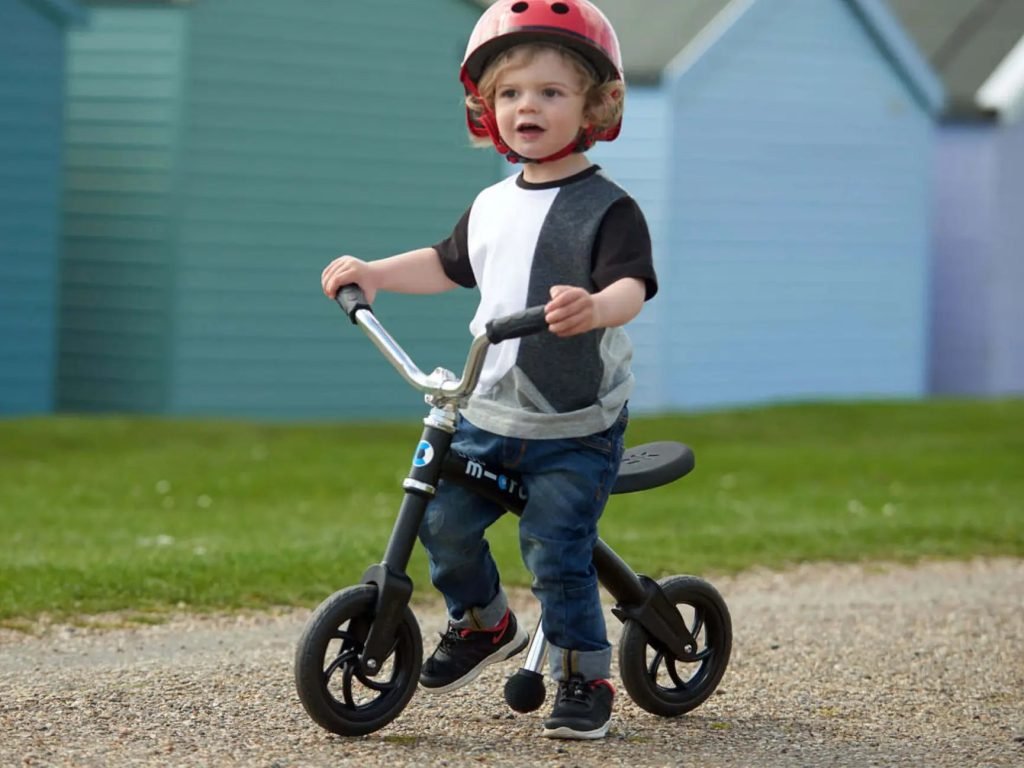
Are you ready to help your child take the exciting next step from a balance bike to a pedal bike? This transition can feel tricky, but with the right approach, you can make it smooth and fun.
Imagine your child confidently pedaling away, enjoying every moment of their ride without fear or frustration. You’ll discover simple, practical tips to guide your little one through this change with ease. Keep reading, and you’ll learn how to build their confidence, improve their skills, and turn bike riding into a joyful adventure for both of you.

Credit: www.micro-scooters.co.uk
Choosing The Right Pedal Bike
Moving from a balance bike to a pedal bike is a big step for your child. Picking the right pedal bike helps them learn faster and enjoy riding.
Consider the bike’s size, weight, and features before buying. These factors make riding safer and easier for kids.
Size And Fit
The right size bike lets your child reach the pedals and ground easily. Check the seat height and handlebar reach before buying.
A bike too big or small can cause discomfort and slow learning. Make sure your child can sit with feet flat on the ground.
- Measure your child’s inseam length
- Choose a bike with adjustable seat height
- Test if your child can reach handlebars comfortably
Weight Considerations
Lightweight bikes are easier for kids to control and balance. Heavy bikes make riding tiring and harder to learn.
Look for bikes made of light materials like aluminum. Avoid heavy steel frames for young beginners.
- Check the bike’s weight before buying
- Choose a bike your child can lift and push easily
- Light bikes improve confidence and safety
Essential Features
Some features help kids learn to pedal and stop safely. Look for simple brakes and easy-to-use pedals.
Training wheels are optional but can help balance at first. Also, check for a comfortable seat and good tires.
- Coaster brakes or hand brakes sized for small hands
- Pedals with good grip to avoid slipping
- Adjustable seat and handlebars
- Durable tires for smooth rides
- Optional training wheels for extra support
Preparing Your Child
Changing from a balance bike to a pedal bike is an important step for your child. It needs patience and good preparation. This helps your child feel ready and safe.
Getting your child ready is about building skills and confidence. Both parts work together for a smooth change to a pedal bike.
Building Confidence
Confidence helps your child enjoy riding and try new things. Let them practice often and praise their efforts. Keep the mood positive and fun.
- Encourage short rides daily
- Celebrate small wins like balancing or turning
- Let your child choose their helmet and bike color
- Practice in safe, quiet areas
- Be patient and stay calm during falls
Basic Bike Handling Skills
Your child should know how to control the bike before pedaling. Teach how to use brakes, steer, and stop safely. These skills reduce fear and improve riding.
| Skill | What to Teach | Why It Matters |
| Braking | How to use hand and foot brakes | Stops the bike safely |
| Steering | Turning left and right smoothly | Keeps balance and direction |
| Stopping | How to stop completely and stay balanced | Prevents falls and accidents |
| Mounting and Dismounting | Getting on and off the bike safely | Builds independence |
Adjusting The Pedal Bike
Moving from a balance bike to a pedal bike needs some key adjustments. These changes help your child feel safe and comfortable.
Proper bike setup supports better control and balance while learning to pedal.
Seat And Handlebar Height
Adjust the seat so your child can touch the ground with their feet. This helps them stop safely. The handlebars should be set at a height that feels natural and allows easy steering.
- Lower the seat until feet rest flat on the ground
- Raise the seat if knees bend too much when pedaling
- Set handlebars at or just below seat height
- Make sure handlebars are tight and do not wobble
Pedal Positioning
| Pedal Position | Why It Matters |
| Pedals level and horizontal | Easy to start pedaling and keep balance |
| One pedal slightly forward | Good for easier push-off |
| Both pedals down | Not ideal; hard to begin pedaling |
Position the pedals correctly before your child starts riding. This helps them pedal smoothly and gain confidence.
Starting With Support
Moving from a balance bike to a pedal bike can be exciting for children. They need extra help at first to feel safe and confident.
Using support tools and techniques makes the transition easier. It helps kids learn balance and pedaling step by step.
Using Training Wheels
Training wheels give extra stability to a pedal bike. They stop the bike from tipping over while the child learns to pedal.
Start with the training wheels high enough to allow slight leaning. Lower them gradually as the child gains balance.
- Check the training wheels are tight and secure
- Adjust the height for gentle leaning
- Encourage your child to pedal smoothly
- Remove training wheels when balance improves
Assisted Riding Techniques
Helping a child ride a pedal bike builds their confidence. Hold the bike or their shoulders to support balance.
Let the child try pedaling while you guide them. Slowly reduce your support as they feel steadier on their own.
- Hold the back of the seat or the child’s torso
- Walk or run beside them as they pedal
- Encourage looking ahead, not down
- Give praise for every small success
Practicing Balance And Pedaling
Moving from a balance bike to a pedal bike can be exciting and a bit challenging. It takes time to learn how to pedal while keeping balance. Practicing both skills together helps kids feel confident on their new bike.
Start slow and focus on combining balance with pedaling. This way, children can enjoy riding and improve their coordination step by step.
Combining Balance And Pedal Skills
First, let the child practice pedaling on a flat, smooth surface. Encourage them to lift their feet and glide to build balance. Then, ask them to pedal slowly to get used to pushing the pedals while staying steady.
- Start with short rides to build confidence
- Practice stopping and starting smoothly
- Keep the seat height low for easier balance
- Encourage looking ahead, not down at the pedals
Safe Practice Environments
Choose safe places for practice that have little or no traffic. A quiet park, empty parking lot, or a driveway works well. The area should be free of obstacles and have a flat surface to reduce falls.
| Location | Surface Type | Safety Features |
| Park Path | Concrete or Asphalt | Low traffic, open space |
| Empty Parking Lot | Asphalt | Flat, no cars |
| Driveway | Smooth Concrete | Fenced or private area |
Encouraging Independence
Helping a child move from a balance bike to a pedal bike is a big step. It builds their confidence and skills.
Encouraging independence during this change helps kids feel proud and ready to ride on their own.
Gradual Reduction Of Support
Start by giving your child lots of help and guidance. Slowly step back as they learn to pedal and balance.
Let them try more on their own each time. This helps them trust their own skills and feel more independent.
- Hold the bike seat or handlebars lightly at first
- Let them pedal while you run beside them
- Hold less each time they practice
- Allow short rides alone in safe areas
Motivational Tips
Praise your child for their efforts, not just success. This keeps them motivated to try again.
Use small rewards and encouragement. This helps make learning fun and shows you believe in them.
- Celebrate small wins with smiles and cheers
- Give stickers or stars for practice sessions
- Encourage them to set simple goals
- Share stories of other kids learning to ride
Troubleshooting Common Challenges
Moving from a balance bike to a pedal bike can feel tricky for kids. Some challenges may slow down progress.
Understanding these challenges helps parents support their children better during this transition.
Overcoming Fear
Kids often feel scared when learning to pedal. This fear can stop them from trying again.
Parents should encourage and stay calm. Let the child take small steps at their own pace.
- Practice in a safe, open area
- Use positive words and praise effort
- Show them how to balance by holding the bike
- Let them watch others ride to build confidence
Handling Falls And Setbacks
Falling is normal when learning to pedal. Setbacks can make kids feel discouraged.
Teach children that falls are part of learning. Help them get back up quickly and safely.
- Use protective gear like helmets and pads
- Stay close to catch or support if needed
- Talk about what went wrong calmly
- Encourage trying again with patience

Credit: www.micro-scooters.co.uk

Credit: www.micro-scooters.co.uk
Frequently Asked Questions
How To Know When To Switch From Balance Bike?
Look for improved balance and confidence on the balance bike. When your child pedals smoothly and steers well, it’s time to transition to a pedal bike.
What Size Pedal Bike Suits Balance Bike Riders?
Choose a pedal bike with wheels 2 inches larger than the balance bike. Ensure the child can comfortably reach pedals and handlebars for safety.
How To Teach Pedaling After Balance Bike?
Start by practicing pedaling on flat, smooth surfaces. Use training wheels initially if needed, then gradually remove them as your child gains confidence.
Should Training Wheels Be Used After Balance Bike?
Training wheels aren’t always necessary. Many kids transition directly from balance bikes to pedal bikes without them, as balance skills are already developed.
Conclusion
Transitioning from a balance bike to a pedal bike is a big step. Practice regularly to build confidence. Patience is key for both you and your child. Celebrate small victories along the way. Encourage, but don’t rush the process. Each child learns at their own pace.
Safety gear is important for every ride. Helmets protect and offer peace of mind. Spend time together during this learning journey. Enjoy the moments and have fun. Riding a pedal bike opens up new adventures. Soon, your child will pedal with joy and freedom.



