
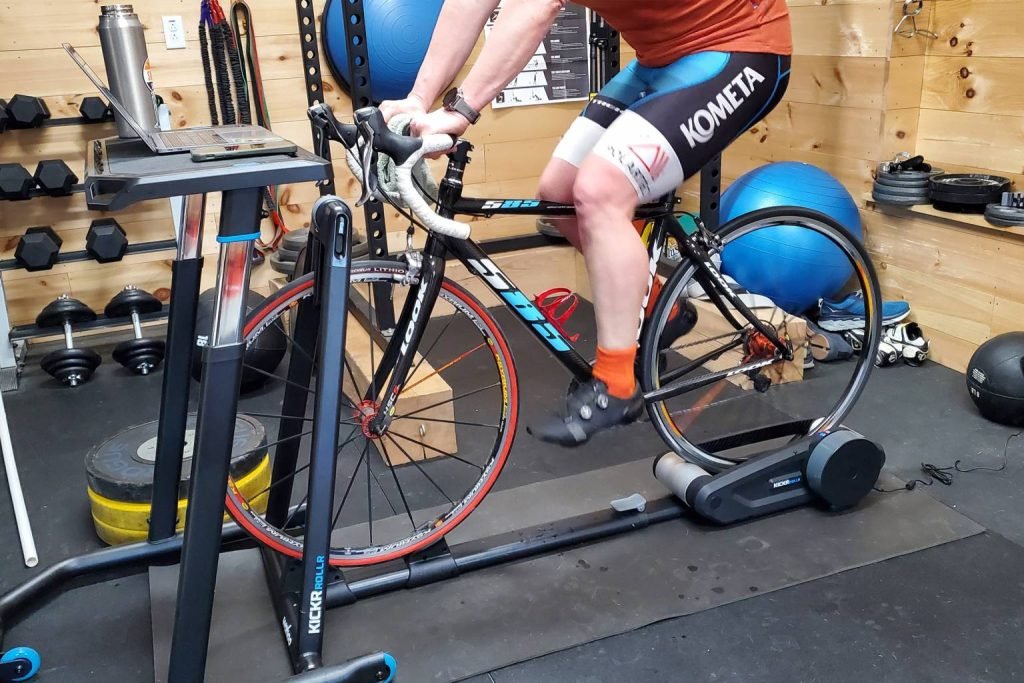
If you want to take your track cycling to the next level, training with resistance rollers can be a game-changer. Imagine improving your speed, balance, and power all at once, right from your own home or training space.
You’ll discover simple and effective ways to use resistance rollers that fit perfectly with your cycling goals. Get ready to unlock new levels of performance and confidence on the track—keep reading to find out how.
Benefits Of Resistance Rollers
Resistance rollershelp cyclists improve their pedal technique by making every pedal stroke smooth and even. This practice builds better rhythmand efficiency while riding.
The rollers also increase muscle strengthin the legs and core. Riders use more muscles to keep balance and pedal hard. This helps build power for track cycling.
- Better balanceis needed to stay steady on rollers.
- This improves bike controland handling skills.
- Riders learn to keep the bike steady without support.
Credit: www.bikeradar.com
Choosing The Right Resistance Rollers
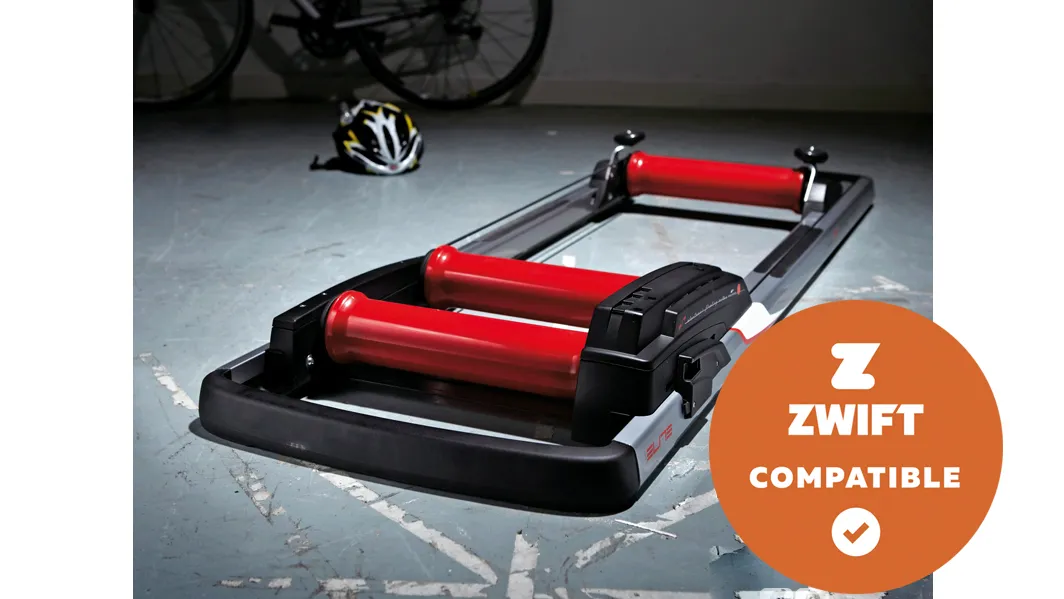
Resistance rollers come in different types. Some use magnetic resistance, others use fluidor wind. Magnetic rollers are quiet and smooth. Fluid rollers give a natural feel. Wind rollers make noise and offer strong resistance.
Adjusting the resistance levels is key. Many rollers have easy dialsor levers. This lets you change how hard it is to pedal. Choose rollers that fit your training goalsand fitness level.
| Feature | Importance |
|---|---|
| Material | Look for sturdyand durablematerials like steel or aluminum. |
| Build Quality | Ensure the rollers have a stable frameand smooth drumsfor safe use. |
Setting Up Your Rollers
Choose a flat and safe area for your rollers. Make sure the space is free from obstacles. Place the rollers on a non-slip surface to prevent movement. Keep a wall or chair nearby for support. Wear a helmet to stay safe during training. Ensure the area is well-lit to see clearly.
Check if your bike fits the rollers. Most rollers work with standard bike sizes. Measure your bike’s wheelbase for accuracy. Adjust the rollers to match your bike’s length. Ensure the bike is stable on the rollers. Tighten all parts securely before starting.
Calibrate the rollers to achieve smooth motion. Start by checking the roller tension. Adjust the tension for comfortable pedaling. Test the rollers with a short ride. Listen for unusual noises or vibrations. Fine-tune the settings for a better experience. Regular checks keep your rollers in top condition.

Credit: roadcyclinguk.com
Basic Training Techniques
Start by gently pushing the pedals to begin moving. Stop by slowing your pedal speed smoothly. Avoid sudden stops to keep balance.
Keep your pedaling speed steady. This helps build endurance and control. Use a cadence that feels easy to maintain over time.
- Sit uprightbut lean slightly forward.
- Keep your back straightto reduce strain.
- Hold the handlebars firmlyfor stability.
- Look ahead, not down, to stay balanced.
Advanced Workouts
Training with resistance rollers builds balance and power for track cycling. Focus on steady pedaling and controlled movements to improve technique and strength. Regular practice enhances endurance and helps simulate real track conditions effectively.
Interval Training
Interval traininguses short bursts of high effort followed by rest. This improves speed and power. Start with 30 seconds of fast cycling, then rest for 1 minute. Repeat 6 to 8 times. Increase effort or duration as you get stronger.
Sprint Drills
Sprint drills boost your acceleration and top speed. Sprint hard for 10 to 20 seconds on the rollers. Take a full minute to recover. Do 5 to 10 sprints in one session. Focus on quick pedal strokes and steady balance.
Endurance Sessions
Endurance sessions build your stamina. Ride at a steady, moderate pace for 30 to 60 minutes. Keep your heart rate steady and breathing controlled. This helps your muscles work longer without tiring.
Common Mistakes To Avoid
Overtrainingcan cause fatigue and injury. Rest days are importantto help muscles recover. Training too hard every day can lower performance.
Poor Formleads to less power and higher injury risk. Keep your back straight and knees aligned. Focus on smooth, steady pedal strokes.
Ignoring Warm-ups and Cool-downsmakes muscles stiff and sore. Spend at least 5-10 minutes warming up with light cycling. Cool down slowly to help your body recover.
Tracking Progress
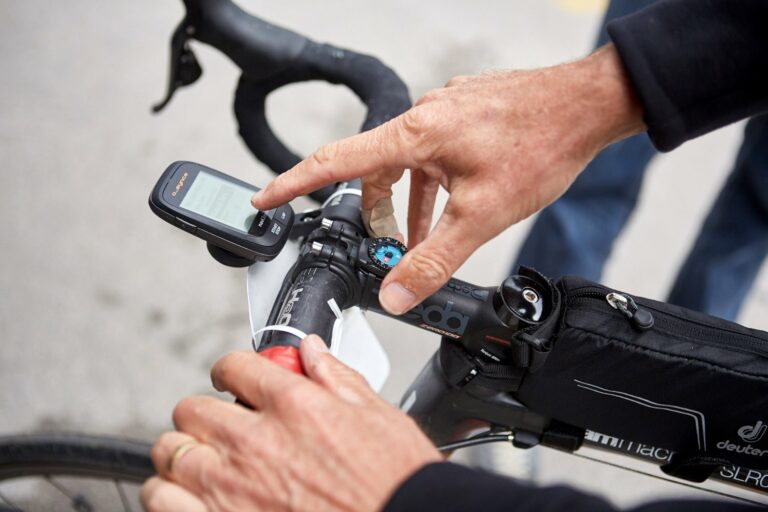
Use a bike computerto check your speed and distance. Note your timefor each session. This helps you see how you improve. Heart rate monitors show your effort level. They help track your fitnessand endurance. Use apps to save this data.
Write down each ride in a journal. Include details like weatherand how you felt. Note any improvementsor challenges. Pictures or videos can help too. They let you see your form. This helps you learnand adapt.
Check your notes weekly. Find patterns in your progress. Change your plan if needed. Add more or less training. Try different techniquesif you hit a plateau. Always listen to your body. Rest if you feel tiredor sore.
Maintenance And Care
Keep your resistance rollers clean by wiping them with a damp cloth. Avoid using strong chemicals that can damage parts. Remove dust and sweat after each use to prevent rust and dirt build-up.
Check rollers regularly for wear and tear. Look for cracks, loose screws, or worn belts. Replace damaged parts to keep the rollers safe and working well.
- Store rollers in a dry place to avoid moisture damage.
- Avoid direct sunlight to prevent plastic parts from cracking.
- Keep rollers away from heavy objects that may cause dents.
- Cover rollers with a cloth to protect from dust.
Credit: roadcyclinguk.com
Frequently Asked Questions
What Are Resistance Rollers In Track Cycling Training?
Resistance rollers are cycling trainers that add variable resistance. They simulate real track conditions for improved strength and balance. Using them helps cyclists develop better pedal control and power output.
How Do Resistance Rollers Improve Cycling Performance?
Resistance rollers enhance muscle endurance and coordination. They train core stability and pedal stroke efficiency. This leads to faster acceleration and sustained speed on the track.
Can Beginners Use Resistance Rollers Safely?
Yes, beginners can start with low resistance levels. It’s important to maintain balance and use a support initially. Gradually increasing difficulty ensures safe and effective training.
How Often Should I Train With Resistance Rollers?
Training 3 to 4 times per week is ideal. Sessions should last 20 to 40 minutes. Consistency helps build strength without causing overtraining or injury.
Conclusion
Training with resistance rollers builds strength and improves balance. It helps cyclists pedal smoothly and stay steady on the track. Regular practice increases endurance and boosts overall cycling skills. Keep sessions short and focus on control to avoid injury. Track cycling demands precision, and rollers train that well.
Stay consistent and patient to see steady progress. Resistance rollers make indoor training effective and safe. Use them wisely to enhance your cycling journey.



