
Are you wondering how to keep track of the miles you cover on your commuter bike? Knowing your mileage can help you stay motivated, plan your rides better, and even maintain your bike more effectively.
But tracking your distance doesn’t have to be complicated or time-consuming. You’ll discover simple and practical ways to monitor your bike mileage, so you can focus on enjoying your rides while staying on top of your progress. Keep reading, and you’ll find easy tips that anyone can use to get started right away.
Credit: www.outdoorgearlab.com
Choosing The Right Tracking Method
Keeping a manual logis simple and requires only a notebook. Write down the date, distance, and route after each ride. This method helps track progress and is very affordable.
Mobile apps make mileage tracking easy and automatic. Many apps use GPS to record distance and speed. They also show routes on a map and save your rides for review later.
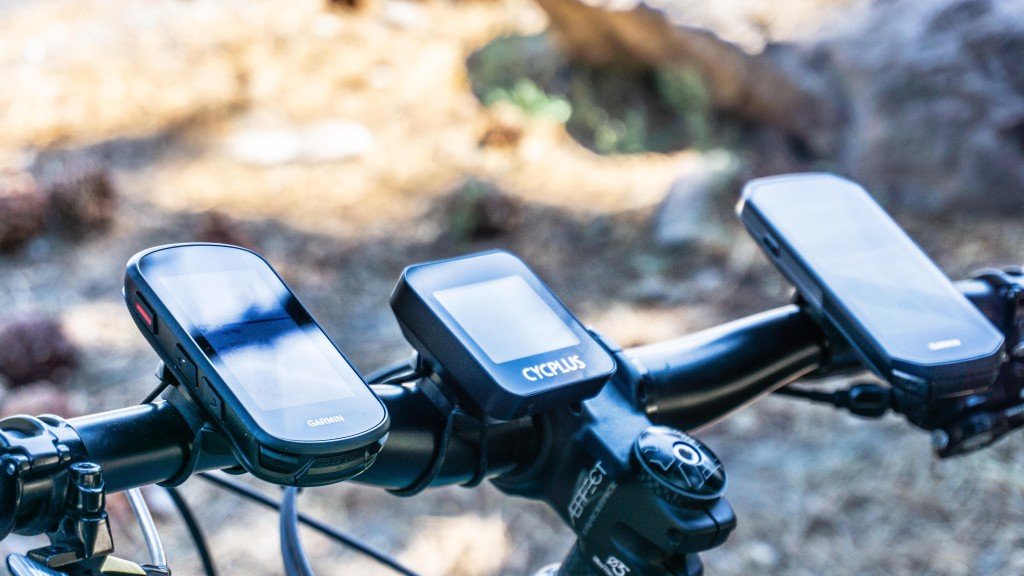
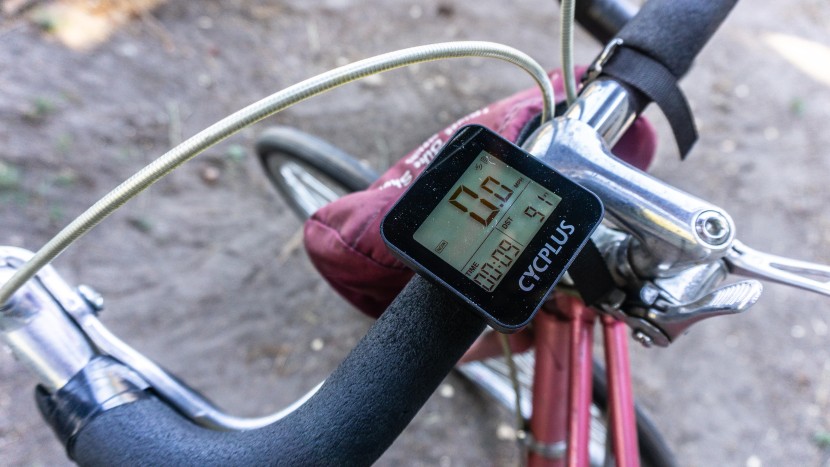
Bike computers and odometers attach to your bike’s handlebars or frame. They count wheel rotations to measure distance accurately. Some models also show speed, time, and calories burned.
| Tracking Method | Pros | Cons |
|---|---|---|
| Manual Logs and Journals | Very cheap, easy to use | Requires consistent effort, no automatic data |
| Mobile Apps | Automatic, shows maps, stores data | Needs smartphone and battery |
| Bike Computers and Odometers | Accurate, shows multiple stats | Cost varies, installation needed |
Setting Up Your Tracking Tools
Bike computers are small devices that attach to your bike’s handlebars. They record your distance, speed, and time. Installing them is simple; just follow the device instructions to place sensors on the wheel and magnet on the spokes. Make sure the screen is visible while riding.
Mobile apps offer an easy way to track mileage using your smartphone. Connect the app with a GPS or use the phone’s built-in GPS feature. Choose apps that allow real-time trackingand save your rides automatically. Adjust settings for accurate data recording.
- Keep a small notebook or use a notes app for manual logging.
- Record your starting point, distance, and time after each ride.
- Set a daily reminder to log your rides consistently.
- Review your entries weekly to notice patterns or improvements.
Using Gps For Accurate Mileage
GPS trackinghelps record exact mileagefor commuter bikes. It uses satellite signals to measure distance. This method is more accuratethan manual tracking or estimates.
Benefits of GPS trackinginclude:
- Real-time dataon your ride distance.
- Easy to use and automatically recordstrips.
- Helps plan better routes and improve efficiency.
- Tracks speedand ride duration too.
| GPS Devices | Apps | Features |
|---|---|---|
| Garmin Edge | Strava | Route mapping, speed tracking |
| Wahoo Elemnt | MapMyRide | Live tracking, easy data sync |
| CatEye GPS | Ride with GPS | Distance, elevation, route planning |
Ensuring signal accuracyis key. Ride in open areas to get clear satellite signals. Tall buildings or trees may block signals and cause errors. Keep your device updated and calibrated for best results.

Credit: www.reddit.com
Tracking Mileage Without Technology
Maps help measure bike trip distances easily. Trace your route on paper or printed maps. Use the map’s scale to convert centimeters or inches to miles or kilometers.
Estimate your usual commute route by marking start and end points. Draw the path you take, including turns and shortcuts. Sum up all segments for total distance.
- No need for batteries or apps.
- Improves your map reading skills.
- Works anywhere, even without internet.
- Good for simple and short rides.
Maintaining And Reviewing Mileage Records
Backing up your mileage data often avoids losing important records. Store files on your computer and in the cloud. Use apps that save data automatically. Keep copies in more than one place. This keeps your information safe and easy to find.
Study your commute routes to find patterns. Spot which paths are fastest or safest. Notice the days you ride more or less. This helps plan better trips and save time. It also shows how your bike use changes over weeks or months.
Accurate mileage records help with tax and reimbursement claims. Keep detailed logs of each trip’s distance and purpose. Use this data to prove your bike travel for work. Proper records make it easier to get the money you deserve.
Tips For Accurate Mileage Tracking
Keep a small notebook with you. Write down your bike mileage every day. Consistency helps in keeping track of your rides. Use a digital app for better accuracy. Make logging a part of your daily routine. This habit ensures you never miss a day.
Routes can change often. Know your new routes well. Check the distance before riding. Use online maps to measure new routes. Update your logs with this information. This keeps your mileage records correct.
- Always reset your odometer after each ride.
- Double-check your entries for any mistakes.
- Avoid estimating distances. It’s often inaccurate.
- Use GPS tools for more precise tracking.
Credit: www.bicycling.com
Frequently Asked Questions
How Can I Track Mileage On My Commuter Bike?
You can track mileage using bike computers, smartphone apps, or GPS devices. These tools record distance, speed, and route details accurately.
What Are The Best Apps For Bike Mileage Tracking?
Popular apps include Strava, MapMyRide, and Komoot. They offer real-time tracking, route mapping, and detailed ride analytics for commuters.
Does A Bike Computer Help In Mileage Tracking?
Yes, bike computers provide precise distance and speed data. They mount on your handlebar for easy viewing during rides.
Can Smartphone Gps Accurately Track Bike Mileage?
Modern smartphones with GPS offer reliable mileage tracking. Use dedicated cycling apps to enhance accuracy and get detailed ride stats.
Conclusion
Tracking mileage on your commuter bike helps you see your progress. Choose a method that fits your daily routine. Apps, bike computers, or simple logs all work well. Regular tracking keeps you motivated and improves your rides. Small steps add up to big results over time.
Start today and enjoy the benefits of knowing your distance. Keep it simple, stay consistent, and watch your biking habits grow. Your bike rides become more rewarding with each mile tracked.



