

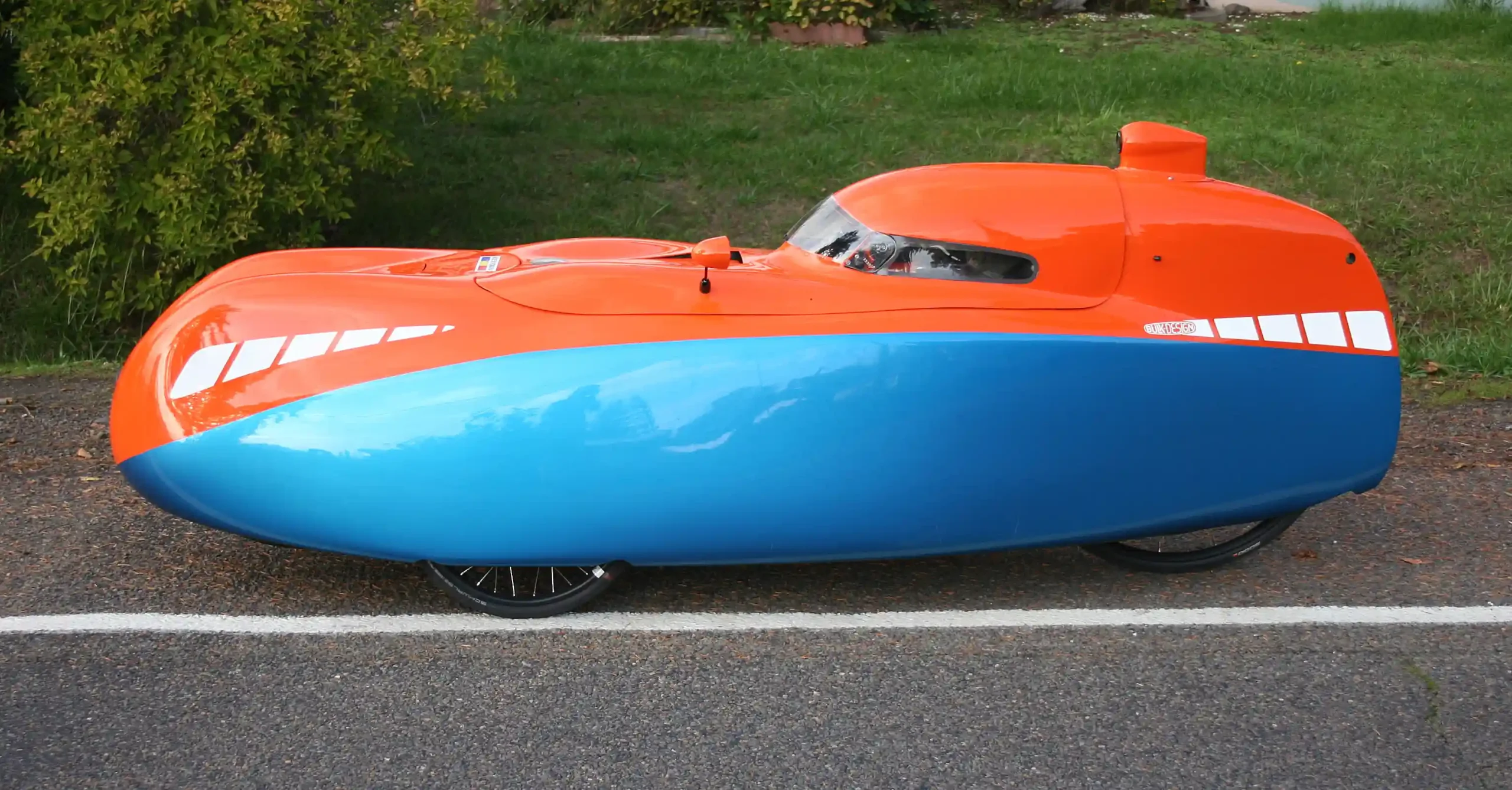
Are you curious about trying a velomobile but don’t know where to start? Taking a test ride is the best way to feel its unique comfort and speed for yourself.
But how do you make sure you get the most out of that first ride? This guide will walk you through everything you need to know to test ride a velomobile confidently. By the end, you’ll know exactly what to look for and how to decide if it’s the perfect fit for your riding style.
Ready to discover the thrill of velomobile riding? Let’s get started.
Preparing For Your Test Ride
Trying a velomobile is a great way to see if it fits your needs. Getting ready helps you enjoy the ride and stay safe.
This guide covers what to think about before your first test ride. It focuses on choosing the right model, safety checks, and comfort settings.
Choosing The Right Velomobile Model
Pick a velomobile that matches your riding style and needs. Different models suit different types of rides.
Think about speed, weight, and how you want to use it. Some models are better for city rides; others fit long trips.
- Check the size and weight for easy handling
- Look at the design for your usual routes
- Consider storage space if you carry items
- Test models with different features if possible
Essential Gear And Safety Checks
Wear the right gear to protect yourself. A helmet is a must for every test ride.
Check the velomobile before you start. Look at brakes, tires, and lights to ensure everything works well.
- Wear a properly fitted helmet
- Check tire pressure and tread
- Test brake function on both sides
- Ensure lights and reflectors are clean and working
- Bring water and a phone for emergencies
Setting Your Personal Comfort Preferences
Adjust the seat and pedals before you ride. Comfort helps you control the velomobile better.
Try different positions to find what feels best. Make small changes to avoid strain during your ride.
- Set seat height for easy pedaling
- Adjust pedal position to avoid knee pain
- Check handlebar reach for relaxed arms
- Use cushions or supports if needed
Initial Inspection And Setup
Before riding a velomobile, check it carefully. This helps keep you safe and ensures a smooth ride.
Focus on the frame, seat, pedals, tires, and brakes to get ready for your test ride.
Examining Frame And Components
Look over the velomobile’s frame for cracks or dents. Check all parts like the chain, gears, and cables. Make sure nothing is loose or broken.
- Inspect the frame for damage or rust
- Check the chain for rust or dirt
- Test the gears by shifting through all speeds
- Look at cables for frays or kinks
- Ensure bolts and screws are tight
Adjusting Seat And Pedals
Set the seat height so your legs stretch comfortably when pedaling. Adjust the pedals for easy reach and good foot grip.
| Adjustment | How to Check |
|---|---|
| Seat Height | Leg should be almost straight at bottom pedal |
| Seat Angle | Comfortable and supports your back |
| Pedal Position | Feet rest flat and pedal easily |
Checking Tire Pressure And Brakes
Check tire pressure with a gauge. Proper pressure avoids flats and improves ride quality. Test the brakes to make sure they stop the velomobile well.
- Use a tire gauge to check pressure
- Inflate tires to recommended PSI
- Squeeze brake levers to feel resistance
- Test brakes by rolling and stopping the velomobile
- Adjust brakes if they feel weak or loose
Starting Your Ride
Test riding a velomobile is an exciting way to explore this unique vehicle. It helps you understand how it handles on the road.
Before you start, focus on how to get in, steer, and control speed safely. These skills are key for a smooth ride.
Mounting Techniques
Getting into a velomobile is different from a bike. You sit low, so use the right steps to mount safely.
Open the hatch or door fully. Place one foot inside and shift your weight slowly. Use the frame to steady yourself.
- Check the seat position before mounting
- Keep one hand on the frame for balance
- Enter slowly to avoid tipping
Getting A Feel For Steering
Steering a velomobile is smooth but different from a regular bike. Take time to feel how it turns.
Start with gentle turns in a safe area. Notice how much you need to turn the handles to change direction.
- Practice slow turns first
- Use both hands to steer evenly
- Feel the response before making sharp turns
Managing Acceleration And Braking
Acceleration and braking in a velomobile feel different due to its weight and shape. Start gently to control speed.
Use light pressure on pedals to accelerate smoothly. Test the brakes early to learn how quickly the vehicle stops.
- Pedal gently to avoid sudden speed
- Apply brakes gradually to stop safely
- Practice slowing down before making turns

Credit: www.velomobileworld.com
Evaluating Ride Comfort
Testing a velomobile ride helps you see how comfortable it feels. Comfort is key for long rides and daily use.
Focus on seating, suspension, and protection from noise and wind. These factors affect your overall experience.
Assessing Seating Position
Check how your body fits inside the velomobile seat. Your back should feel supported and straight.
Your legs should reach the pedals without strain. Make sure you can easily reach controls and steering.
- Seat height should allow slight bend in knees
- Backrest should support your lower back
- Arm position should feel relaxed and natural
Testing Suspension And Smoothness
Ride on different surfaces to test the suspension. Notice how the velomobile handles bumps and rough roads.
Smooth suspension reduces fatigue and keeps your ride stable. Pay attention to how shocks absorb impacts.
- Try riding on pavement, gravel, and uneven paths
- Feel if vibrations travel through the seat or pedals
- Check if the velomobile stays steady over bumps
Noise And Wind Protection
Listen to the sounds inside the velomobile. A quieter ride means better protection from wind and road noise.
Notice if wind enters through openings or if the shell blocks it well. This affects comfort on fast rides.
- Check noise levels at different speeds
- Test how the shell blocks wind from all sides
- See if you can hear traffic or other external sounds clearly
Performance On Different Terrains
Testing a velomobile on various terrains shows how well it performs in real conditions.
Each terrain challenges the vehicle differently. You can learn about speed, comfort, and control.
Handling Urban Streets
Urban streets have many obstacles like potholes, curbs, and traffic. You must check how the velomobile handles these.
- Test the turning radius at intersections
- Check the suspension over bumps
- Observe braking response in stop-and-go traffic
- Notice visibility and ease of maneuvering
Navigating Hills And Inclines
Hills test the power and gearing of a velomobile. You want smooth climbing without too much effort.
| Hill Grade | Performance Factor | What to Watch |
| 5% | Easy climb | Steady speed, no strain |
| 10% | Moderate climb | Gear changes, rider effort |
| 15% and above | Steep climb | Power needed, traction |
Testing Stability On Curves
Curves challenge the velomobile’s balance and handling. Good stability keeps the ride safe and smooth.
- Take sharp turns at different speeds
- Feel for lean and body support
- Check tire grip on various surfaces
- Notice if the vehicle wobbles or stays firm
Credit: www.velomobileworld.com
Safety And Visibility Checks
Testing your velomobile before riding keeps you safe on the road. Good visibility helps others see you well.
Check your lights, reflectors, and practice emergency moves to ride with confidence.
Testing Lights And Reflectors
Check all lights and reflectors before you ride. Make sure they work and are clean.
- Turn on front and rear lights to see if they shine brightly.
- Clean dirt off reflectors for clear reflection.
- Replace bulbs or batteries if lights are dim or not working.
- Check side reflectors and wheel reflectors for damage.
Ensuring Proper Visibility
Wear bright or reflective clothing to increase visibility. Position yourself to be seen by drivers.
| Visibility Tip | Reason |
| Use bright colors | Attracts attention in daylight |
| Wear reflective gear | Makes you visible at night |
| Keep windows clean | Prevents glare and helps you see |
| Adjust mirrors | Allows better view of traffic |
Emergency Maneuvers Practice
Practice sudden stops and quick turns in a safe area. This helps you react well in emergencies.
- Braking quickly without skidding
- Swerving to avoid obstacles
- Stopping smoothly on wet or rough surfaces
- Checking mirrors before turning
Post-ride Evaluation
After you finish riding the velomobile, take time to think about your experience. This helps you decide if it fits your needs.
Focus on how the velomobile felt and worked during the ride. Your notes will guide your next steps.
Noting Comfort And Handling Impressions
Check how comfortable you were sitting inside the velomobile. Notice if you felt any pressure points or discomfort.
Pay attention to how the velomobile handled curves, bumps, and stops. Think about how easy it was to steer and brake.
- Was the seat supportive and adjustable?
- Did you feel stable during turns?
- Were controls easy to reach and use?
- Did the ride feel smooth or rough?
Identifying Potential Modifications
After testing, think about any changes that could improve your ride. Small tweaks can make a big difference.
Consider parts you might want to add or adjust, like better mirrors or different tires for your riding style.
- Adjust seat height or angle for comfort
- Change tire type for different surfaces
- Add extra lights or reflectors for safety
- Upgrade brakes for better stopping power
Consulting With Experts Or Dealers
Talk to the dealer or an expert about your ride experience. They can offer advice and answer your questions.
Experts may suggest modifications or accessories that fit your needs. Use their knowledge to make a good choice.
- Share your comfort and handling notes
- Ask about available upgrades
- Request tips for maintenance and care
- Discuss warranty and service options

Credit: www.velomobileworld.com
Frequently Asked Questions
What Should I Check Before Test Riding A Velomobile?
Check the velomobile’s brakes, tires, steering, and seat comfort. Ensure all parts work smoothly. Inspect for any damage or loose components before riding.
How Long Should A Velomobile Test Ride Last?
A test ride should last at least 15 to 30 minutes. This allows you to assess comfort, handling, and performance in real conditions.
What Terrain Is Best For A Velomobile Test Ride?
Choose varied terrain with flat roads, gentle hills, and curves. This helps evaluate the velomobile’s stability, speed, and control effectively.
Can I Test Ride A Velomobile Without Prior Cycling Experience?
Yes, but basic cycling skills help. Velomobiles handle differently, so practice in a safe area first to build confidence.
Conclusion
Testing a velomobile can be an exciting experience. Start by choosing the right model for your needs. Pay attention to comfort and fit while riding. Feel how it handles turns and different terrains. Check the braking system and overall stability.
Ask questions and take your time to understand the features. A good test ride helps in making a smart decision. Remember to have fun and enjoy the ride. A velomobile can offer a unique way to travel. Happy riding!



