
Before you hit the trail on your next bikepacking trip, making sure your gear works perfectly can save you from unexpected troubles. Imagine being miles away from help and realizing your tent won’t set up or your stove won’t light.
Testing your gear beforehand gives you confidence and peace of mind. You’ll discover simple, effective ways to check every essential item. Follow these tips to avoid surprises and enjoy your adventure to the fullest. Keep reading to learn how to make your gear fail-proof before you ride out.

Credit: alpkit.com
Choosing Essential Gear
Testing your gear before a bikepacking trip is important. It helps you find what works best for your needs.
Choosing the right gear means picking items that fit your trip and your style. This guide helps you focus on essentials.
Selecting Lightweight Equipment
Light gear makes your ride easier and saves energy. Choose items that weigh less but still do the job well.
Test your equipment by carrying it on short rides. See if the weight feels comfortable and does not slow you down.
- Pick gear made from light materials like aluminum or carbon fiber
- Avoid carrying extra items that are not necessary
- Check if lightweight gear still works well in different weather
Prioritizing Durability And Functionality
Durable gear lasts longer and handles rough conditions. Test items to see if they hold up on rough roads and trails.
Functionality means gear should be easy to use and serve its purpose well. Check if your gear works quickly and simply.
- Choose gear with strong materials like tough nylon or stainless steel
- Look for waterproof or weather-resistant features
- Practice using your gear to make sure it is simple and reliable
Balancing Comfort And Utility
Comfort helps you enjoy your trip. Utility means gear should be useful and practical for your needs.
Try your gear on long rides to check comfort. Make sure items fit well and do not cause pain or problems.
- Choose a comfortable bike seat and padded shorts
- Pick gear that is easy to reach and use while riding
- Make sure your bags and packs fit well without shifting
Setting Up Test Conditions
Testing your gear before a bikepacking trip helps you avoid surprises. Setting realistic test conditions is key.
Test your gear in ways that match what you will face on your expedition. This helps ensure safety and comfort.
Simulating Real Expedition Terrain
Try to test your bike and gear on terrain similar to your trip. This means using trails, hills, or dirt roads like the ones you will ride.
- Find local trails with mixed surfaces
- Include uphill and downhill sections
- Ride on gravel, mud, or sand if possible
- Test handling on narrow and rocky paths
Testing In Various Weather Scenarios
Weather affects gear performance. Check how your equipment works in rain, wind, and cold.
| Weather Condition | Test Focus | Example |
| Rain | Waterproofing and drainage | Ride through wet trails or use a sprinkler |
| Wind | Stability and windbreaks | Test on open roads with strong wind |
| Cold | Insulation and layering | Try gear early morning or in shade |
Replicating Load And Weight
Pack your gear as you would for the trip. Test how the bike feels with full load and weight distribution.
- Load all bags with real items or weights
- Balance weight evenly on front and rear
- Ride with the packed bike for several hours
- Adjust strap tightness and bag positions
Evaluating Bike Performance
Testing your bike before a bikepacking trip helps ensure safety and comfort. It reveals how your gear affects the bike’s handling and parts.
Focus on how the bike moves, reacts, and stops with your loaded gear. This lets you adjust settings or gear placement early.
Assessing Handling With Loaded Gear
Riding your bike with all your packed gear shows how it handles weight. Test turns, climbs, and descents carefully to notice changes.
- Check balance by steering through tight corners.
- Feel for any wobbling or pulling to one side.
- Try riding at slow speeds to test control.
- Adjust gear placement if the bike feels unstable.
Monitoring Tire And Suspension Response
Loaded tires and suspension react differently on rough ground. Watch for how they absorb shocks and maintain grip.
| Component | What to Check | Signs of Issue |
| Tires | Pressure and tread grip | Slipping or squirming |
| Suspension | Compression and rebound | Harsh impacts or bottoming out |
Checking Brake Efficiency
Brakes work harder with extra load. Test stopping power on different slopes and surfaces.
- Apply brakes gently to feel initial response.
- Try full stops from moderate speed.
- Listen for unusual noises or vibrations.
- Check brake pad wear after testing.

Credit: www.youtube.com
Testing Camping Equipment
Testing your camping gear before a bikepacking trip is important. It helps you avoid problems in the wild.
Try each piece of equipment in conditions like your trip. This makes sure everything works well and fits your needs.
Pitching Tents And Shelters
Practice setting up your tent or shelter at home or nearby. Check if all parts are included and in good shape.
Test how long it takes to pitch and pack the shelter. Look for any weak spots or leaks during setup.
- Find a flat, clear spot to practice pitching
- Set up in different weather conditions if possible
- Check poles, stakes, and rainfly for damage
- Test if the shelter packs down small and light
Inspecting Sleeping Bags And Pads
Check your sleeping bag for tears or broken zippers. Make sure the insulation still feels fluffy and warm.
Test your sleeping pad by inflating it fully. Look for leaks and check how comfortable it feels on hard ground.
- Zip and unzip the sleeping bag to test the zipper
- Shake the bag to redistribute insulation evenly
- Inflate the sleeping pad and leave it overnight
- Roll up and pack the pad to check size and weight
Cooking Gear And Fuel Efficiency
Set up your stove and cook a simple meal to test. Make sure all parts fit and work as expected.
Monitor how much fuel you use during cooking. This helps plan how much fuel to carry on your trip.
- Check burner ignition and flame control
- Test stability of stove on uneven surfaces
- Cook water or food to time fuel usage
- Pack fuel containers safely and check seals
Clothing And Personal Gear Trials
Testing your clothing and gear before a bikepacking trip is important. It helps you avoid surprises on the trail.
Try out all your gear in different conditions. This shows you what works and what needs changing.
Layering For Temperature Control
Layering helps you stay warm or cool while riding. Test your base, mid, and outer layers together.
Wear the layers on a short ride in cold and warm weather. See if you can add or remove layers easily.
- Check if layers fit well under your jacket
- Make sure you can move freely while wearing layers
- Notice how fast you sweat or cool down
- Try different fabric types for comfort
Waterproof And Breathability Tests
Waterproof gear keeps you dry in rain. Breathable fabric stops you from overheating.
Test your rain jacket and pants in wet weather. Walk or ride to feel if sweat escapes.
- Spray water on gear to check water resistance
- Wear gear during intense activity to test breathability
- Look for damp spots inside your clothes
- Try different brands or models to compare performance
Footwear Comfort And Durability
Good shoes protect your feet and keep you comfortable. Test your footwear on long rides and walks.
Check for proper fit, support, and how they handle rough ground. Watch for hot spots or blisters.
- Wear shoes with your bike socks during tests
- Try different terrains like dirt, gravel, and pavement
- Inspect soles for grip and wear after tests
- Make sure shoes dry quickly if they get wet
Safety And Navigation Gear Checks
Checking your safety and navigation gear before bikepacking trips is very important. It helps you avoid problems on the road and keeps you safe. Take time to test each item carefully.
Good gear checks make your trip more enjoyable. You can focus on riding without worrying about equipment failure.
Verifying Lights And Reflectors
Lights and reflectors help you be seen in low light or night rides. Make sure they work well before leaving.
- Test all front and rear lights by turning them on in a dark room.
- Check battery levels and replace if needed.
- Clean lenses to remove dirt and grime.
- Inspect reflectors for cracks or damage.
- Make sure lights are firmly attached to your bike.
Testing Gps And Communication Devices
GPS and communication tools keep you on track and connected. Testing them before your trip prevents navigation errors and isolation.
| Device | Check | Tips |
|---|---|---|
| GPS Unit | Turn on and check satellite signal | Update maps and software |
| Smartphone | Test navigation apps and battery life | Download offline maps |
| Two-Way Radio | Check range and clear sound | Charge batteries fully |
| Power Bank | Confirm full charge | Carry charging cables |
Emergency Kit Readiness
Your emergency kit must be ready to use. Check every item and replace expired supplies.
- Check first aid supplies for expiry and completeness.
- Test fire-starting tools to ensure they work.
- Pack a whistle and mirror for signaling.
- Include extra batteries for flashlights.
- Store emergency contact info in a waterproof bag.
Recording And Analyzing Test Results
Testing your gear before a bikepacking trip helps ensure it works well. Recording test results lets you track how each item performs.
Analyzing the data you collect helps find weak points. This process guides you to make better gear choices and fixes.
Keeping Detailed Logs
Write down what gear you tested, the conditions, and how it performed. Note any problems or successes you noticed during the test.
- Date and location of the test
- Type of gear and model
- Weather and terrain conditions
- Performance notes and issues
- Duration and intensity of use
Identifying Gear Weaknesses
Look over your logs to spot patterns or repeated problems. Check if any gear fails under certain conditions or shows signs of wear.
| Gear Item | Issue Found | Test Condition |
| Backpack | Strap tearing | Heavy load on rough trail |
| Tent | Leak in rain | Stormy weather |
| Sleeping bag | Not warm enough | Cold night |
Planning Improvements And Replacements
Use your test results to decide what to fix or replace. Plan how to improve weak gear before your trip.
- Review all logged issues
- Prioritize repairs for safety items
- Replace gear that is unreliable
- Test improved gear again if possible
- Keep notes on changes made
Final Preparations Before Departure
Testing your gear before a bikepacking trip is very important. It helps make sure everything works well and fits your needs.
Final checks can stop problems during the trip. Here are key areas to focus on before you leave.
Packing Strategies And Weight Distribution
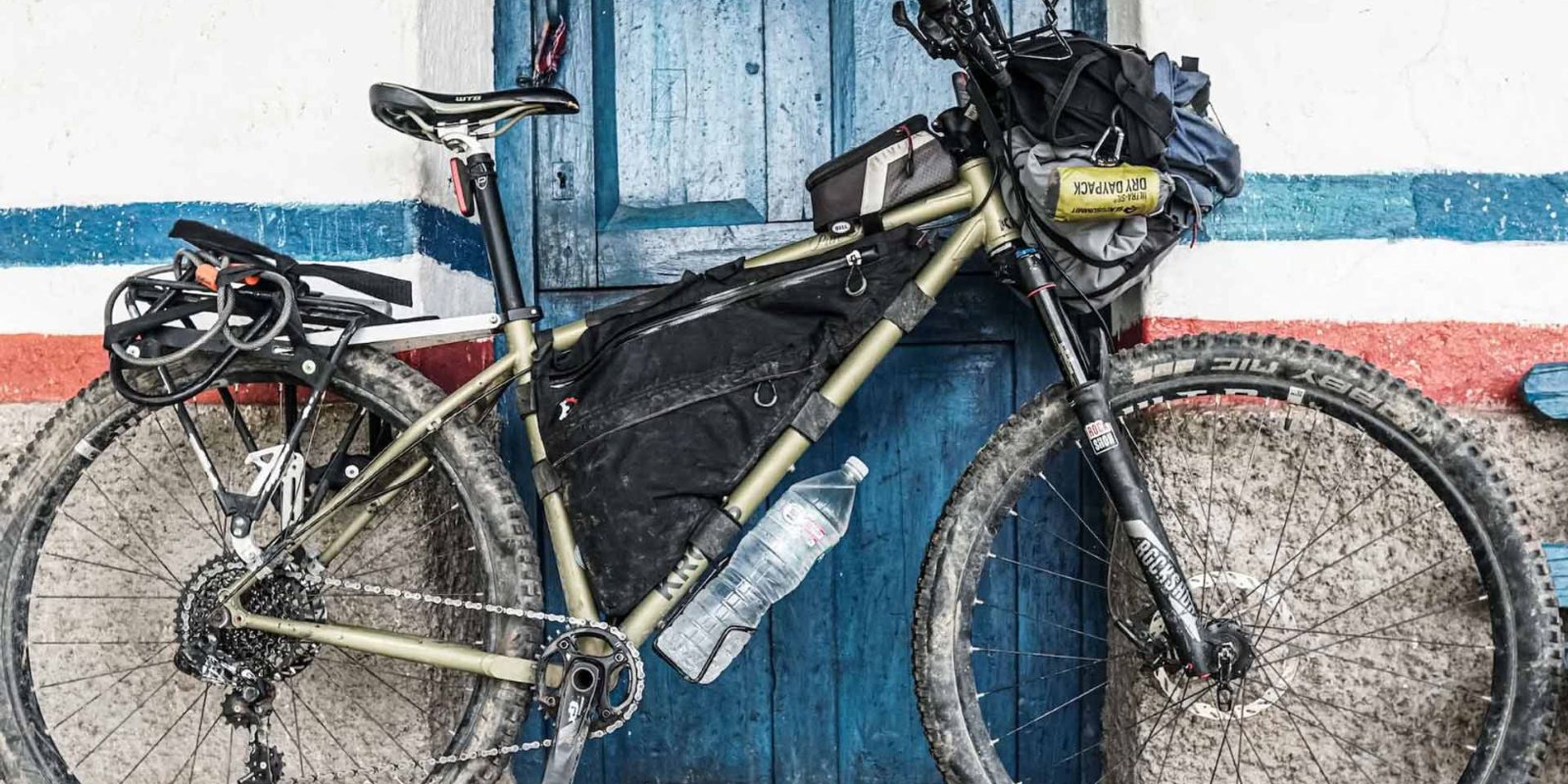
Packing smart keeps your bike balanced and makes riding easier. Put heavy items low and close to the bike’s center.
Use bags designed for bikepacking. Avoid overpacking to keep weight light and manageable.
- Place heavy gear like tools and food near the bike frame
- Keep lighter items like clothes in handlebar or seat bags
- Check that nothing shifts when you move the bike
- Distribute weight evenly on both sides
Performing Last-minute Gear Adjustments
Test your gear one last time before leaving. Fix any issues to avoid trouble on the trail.
Check your bike, bags, and tools. Tighten loose bolts and confirm all gear fits well.
- Test your bike’s brakes and tires
- Make sure your bags are secure and easy to access
- Check your stove and cooking gear for leaks or damage
- Ensure lights and electronics have fresh batteries or full charge
Mental And Physical Readiness Checks
Being ready in your mind and body is as important as your gear. Rest well and stay calm before the trip.
Plan your route and know what to expect. Check the weather and pack extra layers if needed.
- Get a good night’s sleep before departure
- Eat a healthy meal to fuel your body
- Review your route and emergency plans
- Practice deep breathing or relaxation techniques
Credit: www.calltoadventure.uk
Frequently Asked Questions
How Do I Test Bikepacking Gear Before Trips?
Test gear on short rides with similar terrain to your trip. Check comfort, durability, and weight. Adjust or replace items based on performance and ease of use.
What Gear Should I Prioritize For Bikepacking Tests?
Focus on tents, sleeping bags, cooking systems, and bikepacking bags. These impact comfort and functionality most. Ensuring they work well prevents issues on longer trips.
How Can I Simulate Bikepacking Conditions During Gear Tests?
Use varied weather, terrain, and load conditions during practice rides. This helps identify weaknesses and improve packing techniques before your expedition.
Why Is Gear Weight Important To Test Before Bikepacking?
Heavy gear can cause fatigue and slow you down. Testing weight helps balance comfort and performance. Choose lightweight options that meet your needs.
Conclusion
Testing gear ensures a smooth bikepacking expedition. Check each item carefully. Make sure everything works as expected. This helps avoid problems on the trail. Practice using your gear before the trip. Familiarity boosts confidence and efficiency. Pack smart and light for easier travel.
Double-check your list to prevent forgetting essentials. Reliable gear leads to a safer adventure. Enjoy the journey with peace of mind. Prioritize preparation for a successful bikepacking experience. Happy trails!



